The John Harvey Interview
A conversation with AI Artist John Harvey, aka @digitallywired on X
INTERVIEW CONDUCTED ON JULY 4, 2024
ALL IMAGES BY JOHN HARVEY ARE GENERATED USING MIDJOURNEY, LEONARDO, RUNWAY, FIREFLY, DALL-E, PIKA AND NIGHT CAFE UNLESS STATED OTHERWISE
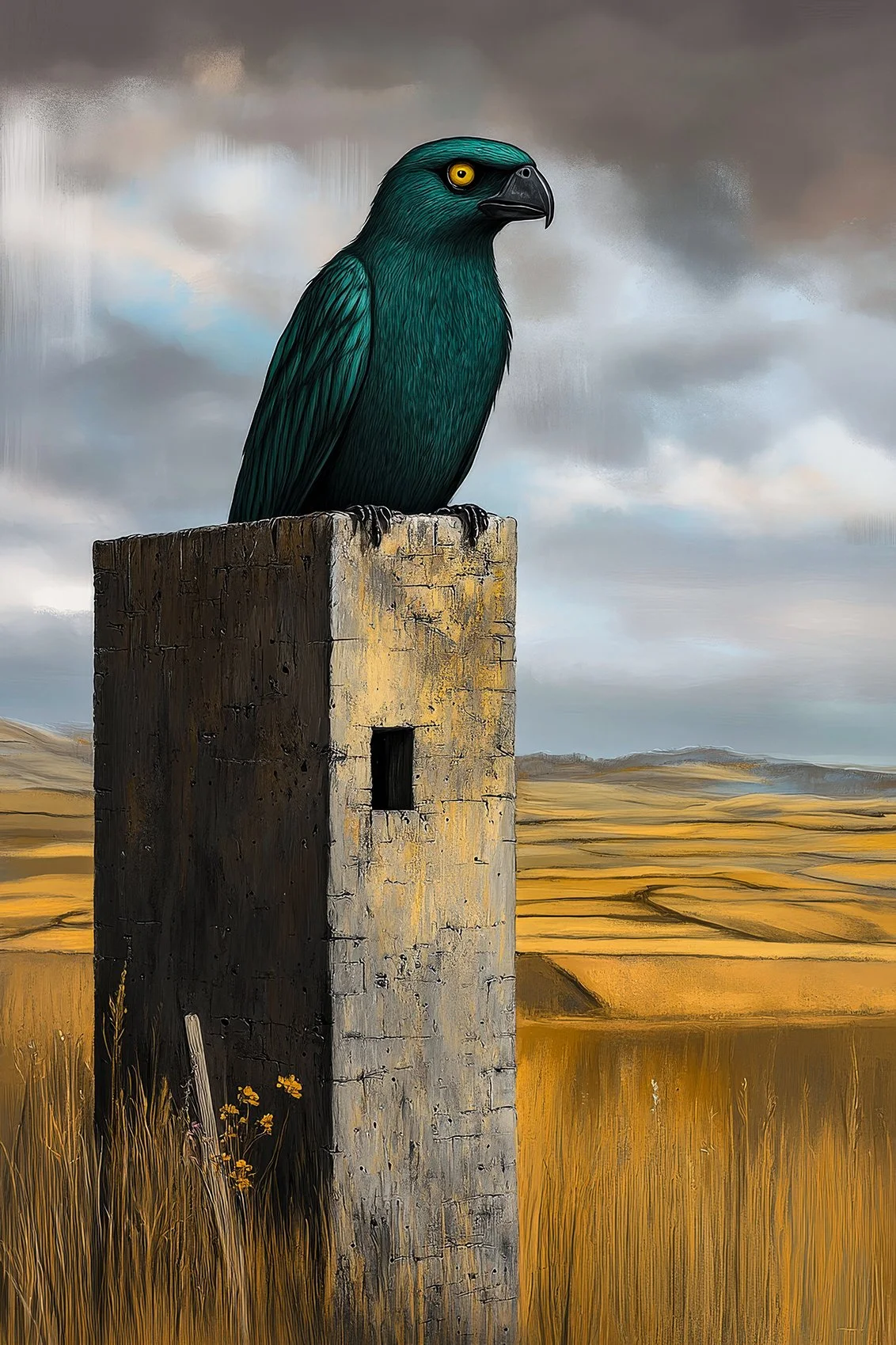
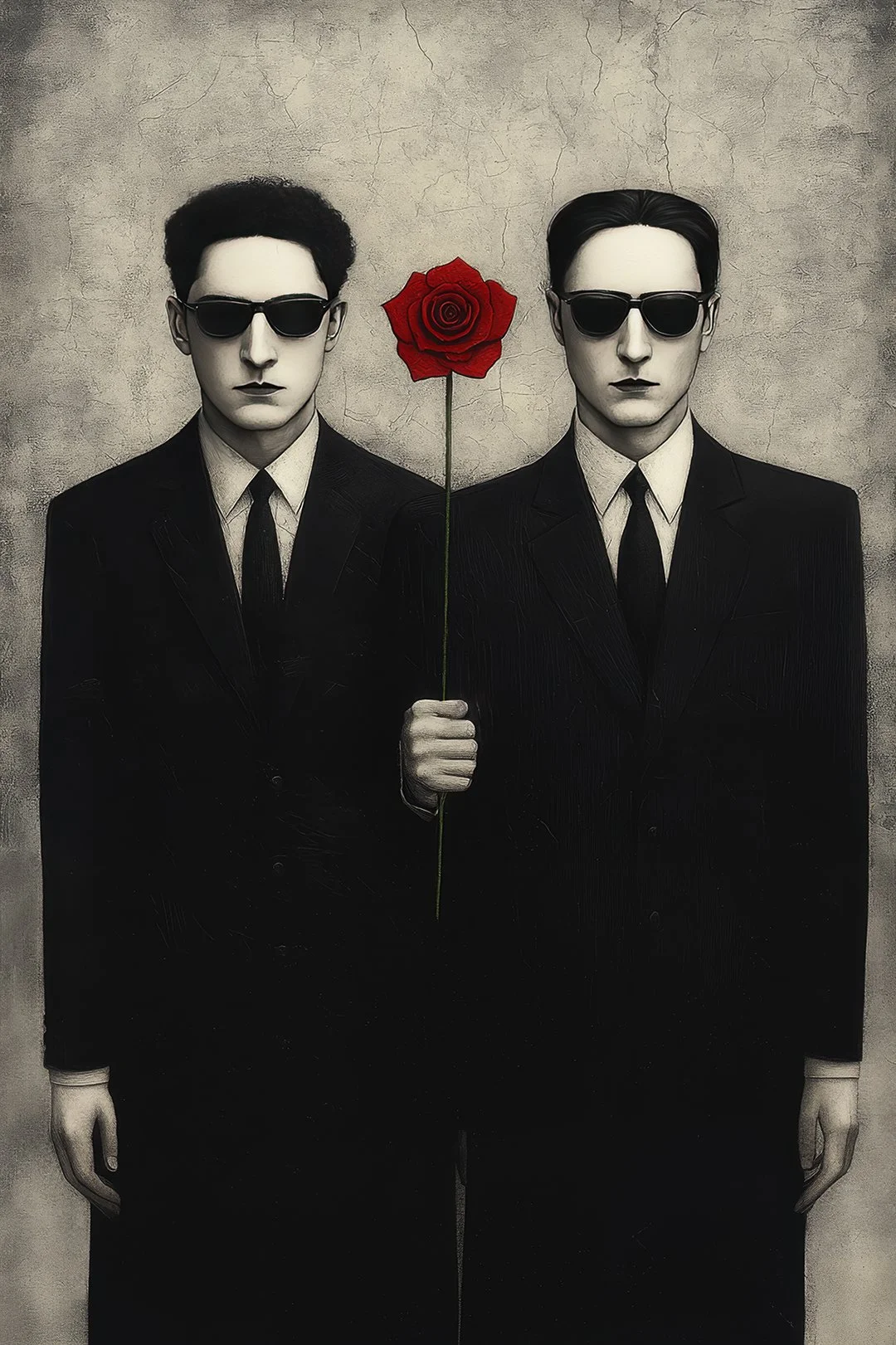
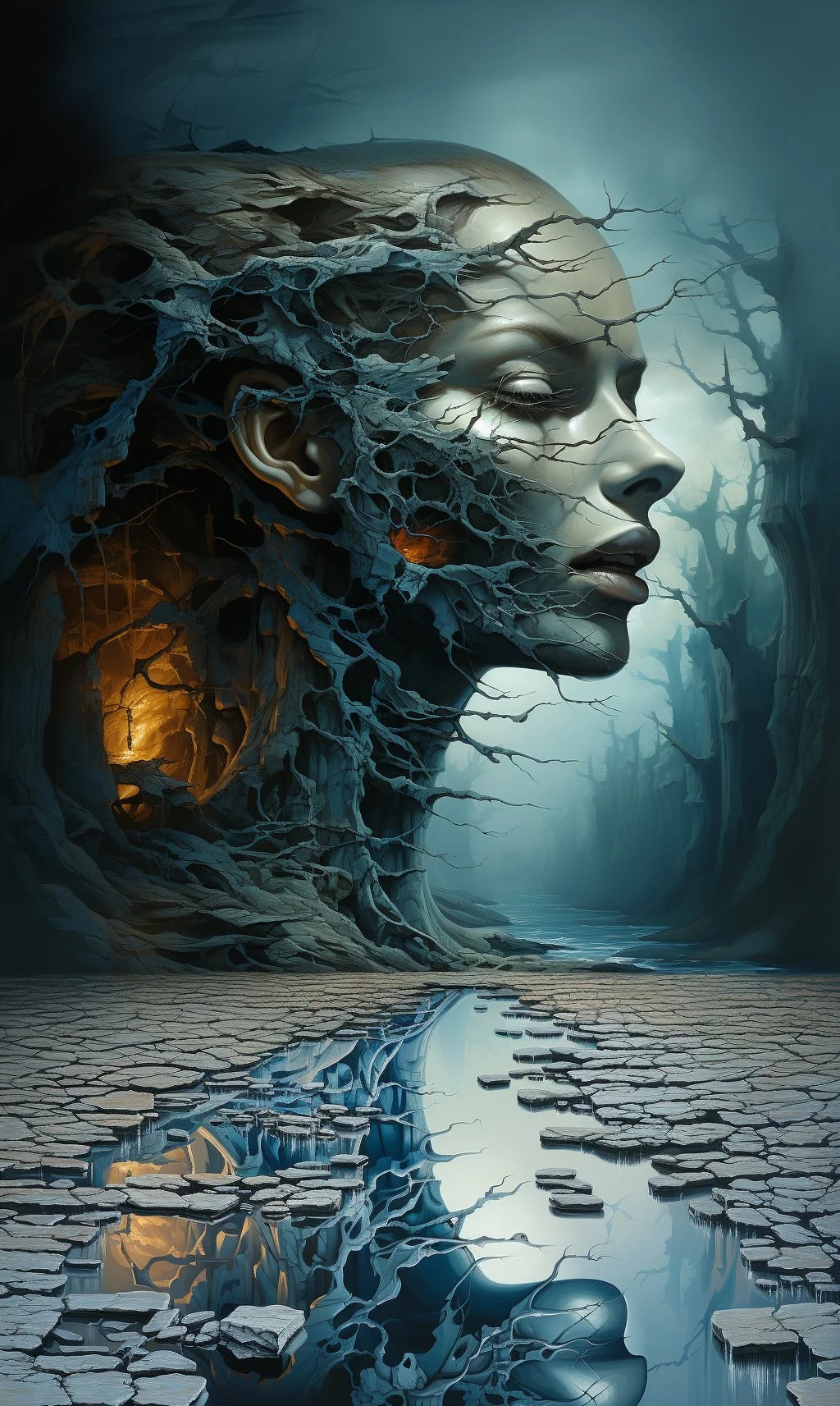
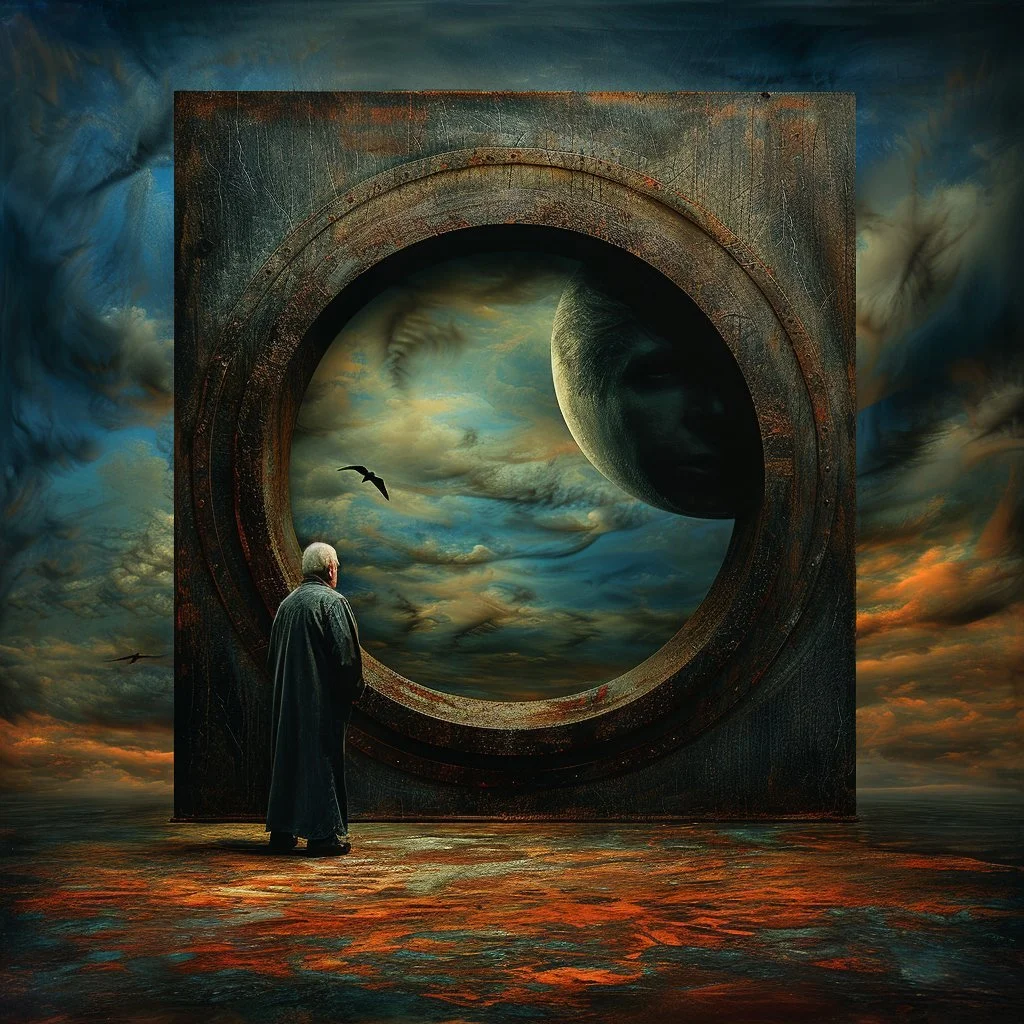
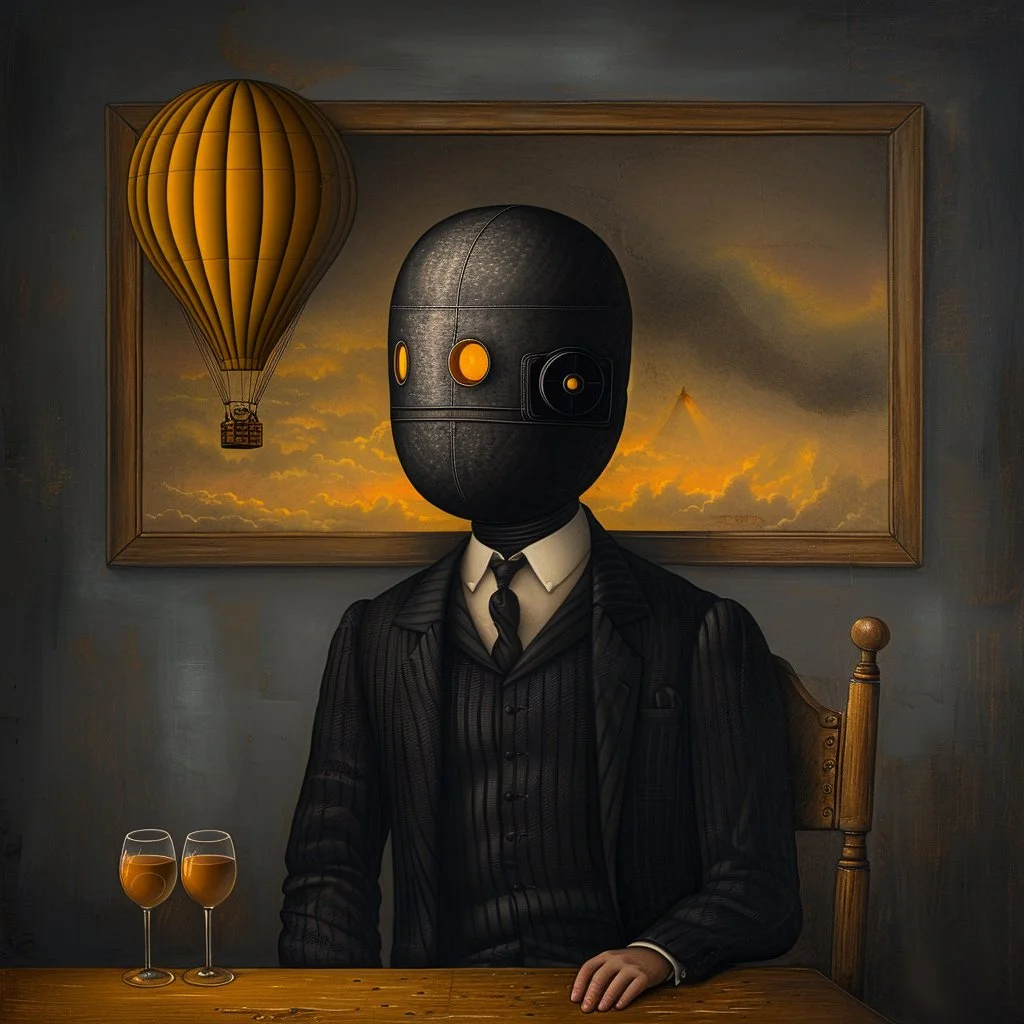
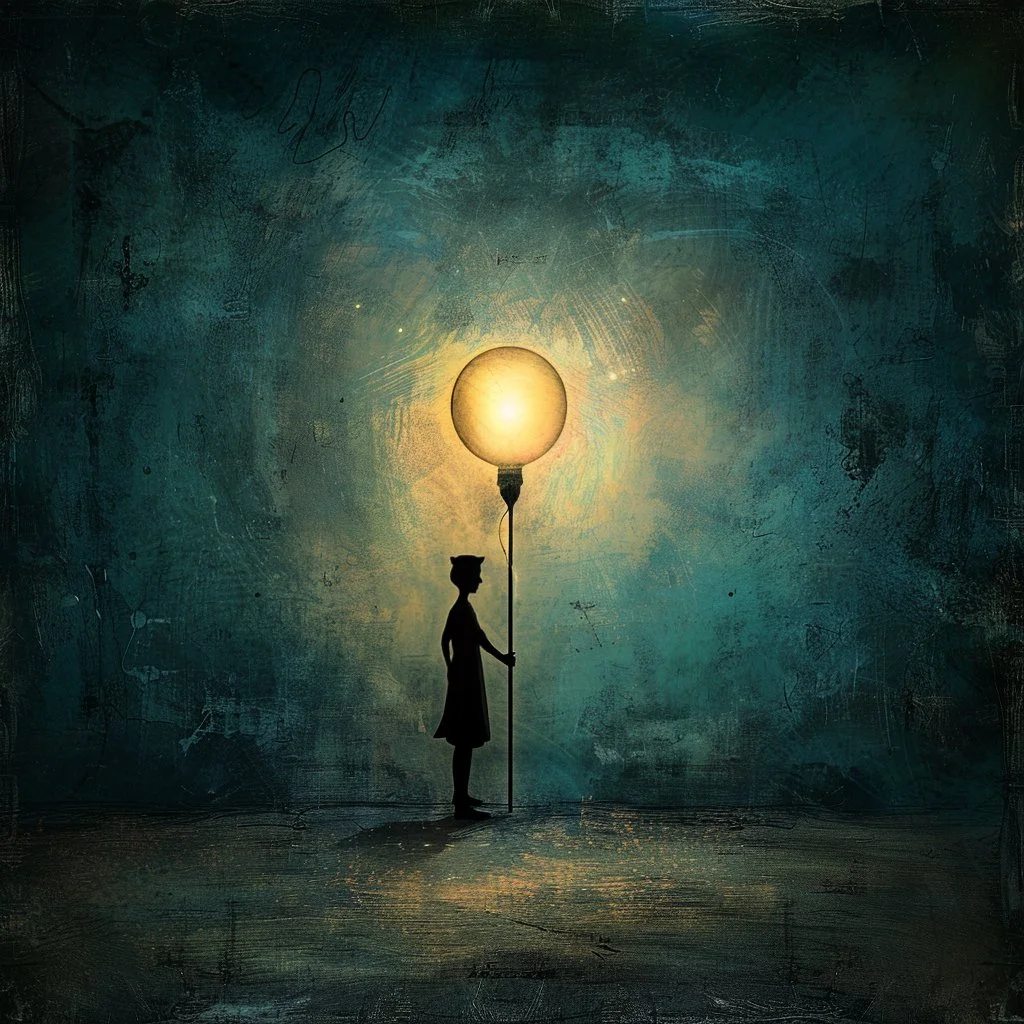
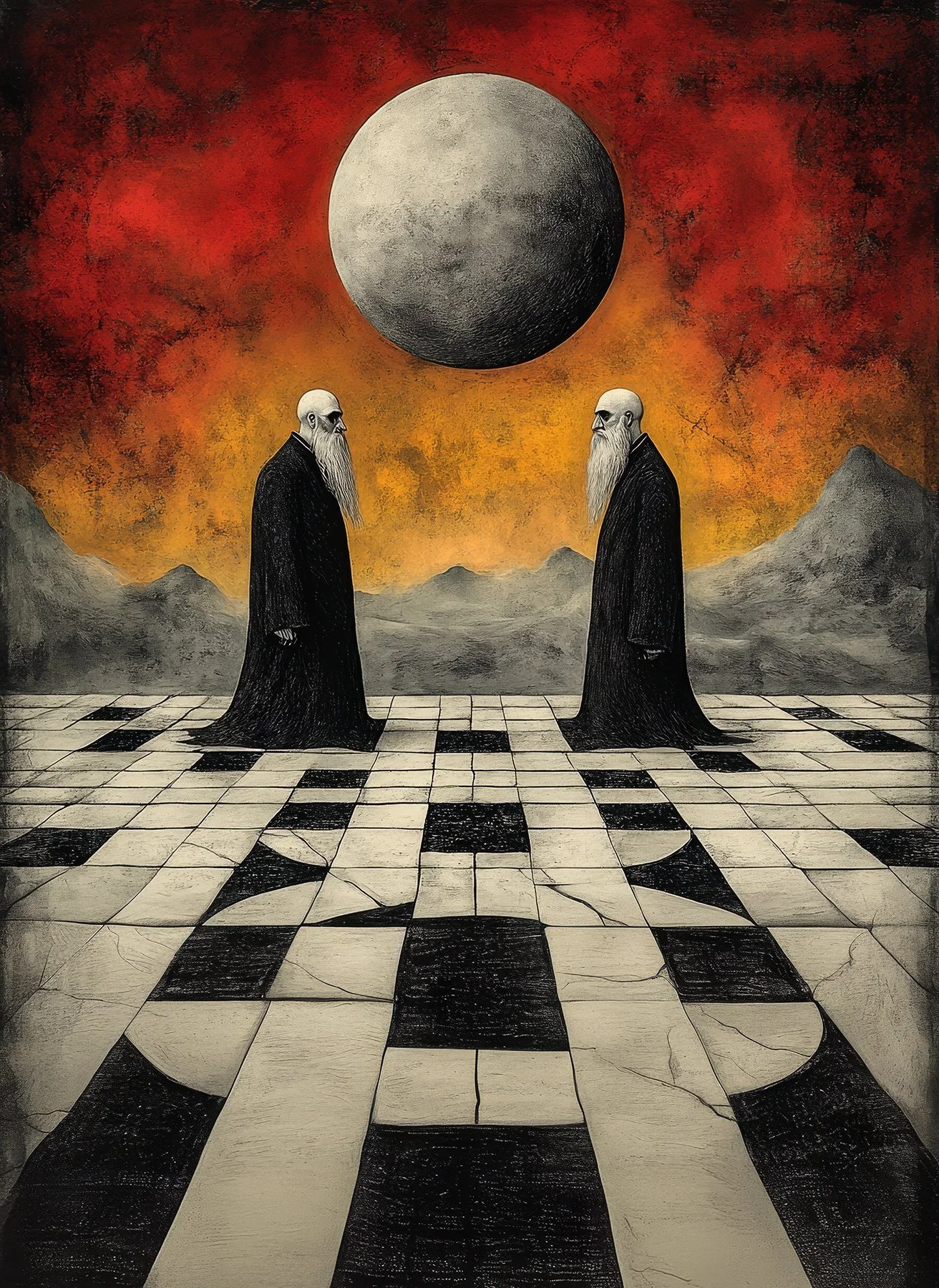
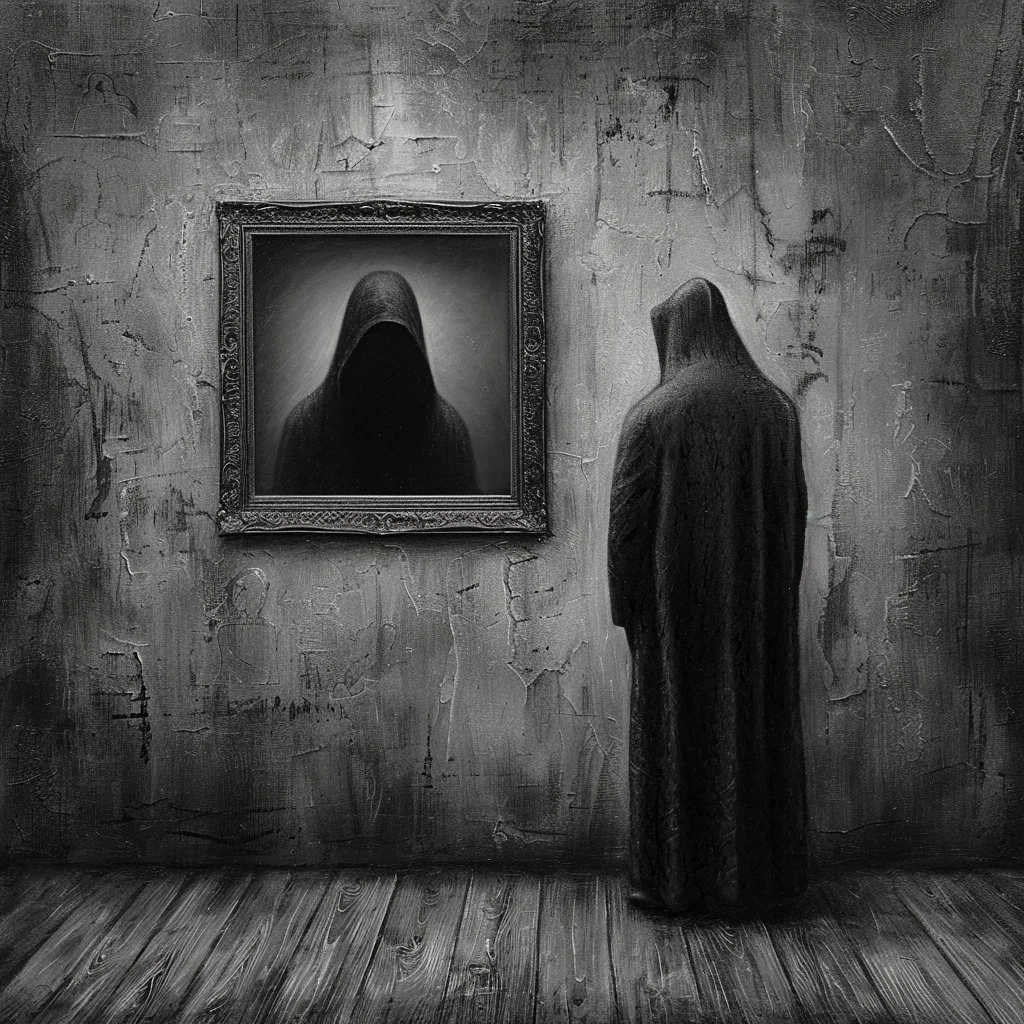
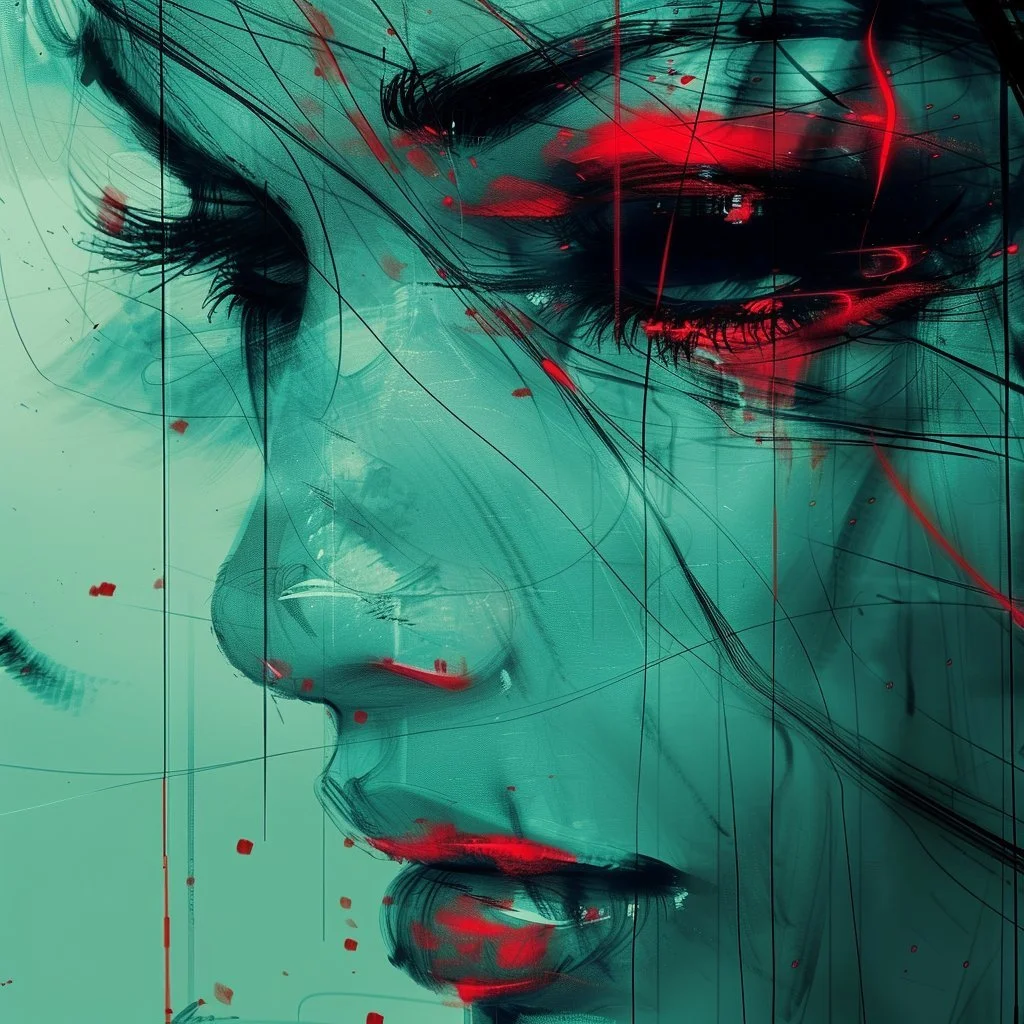
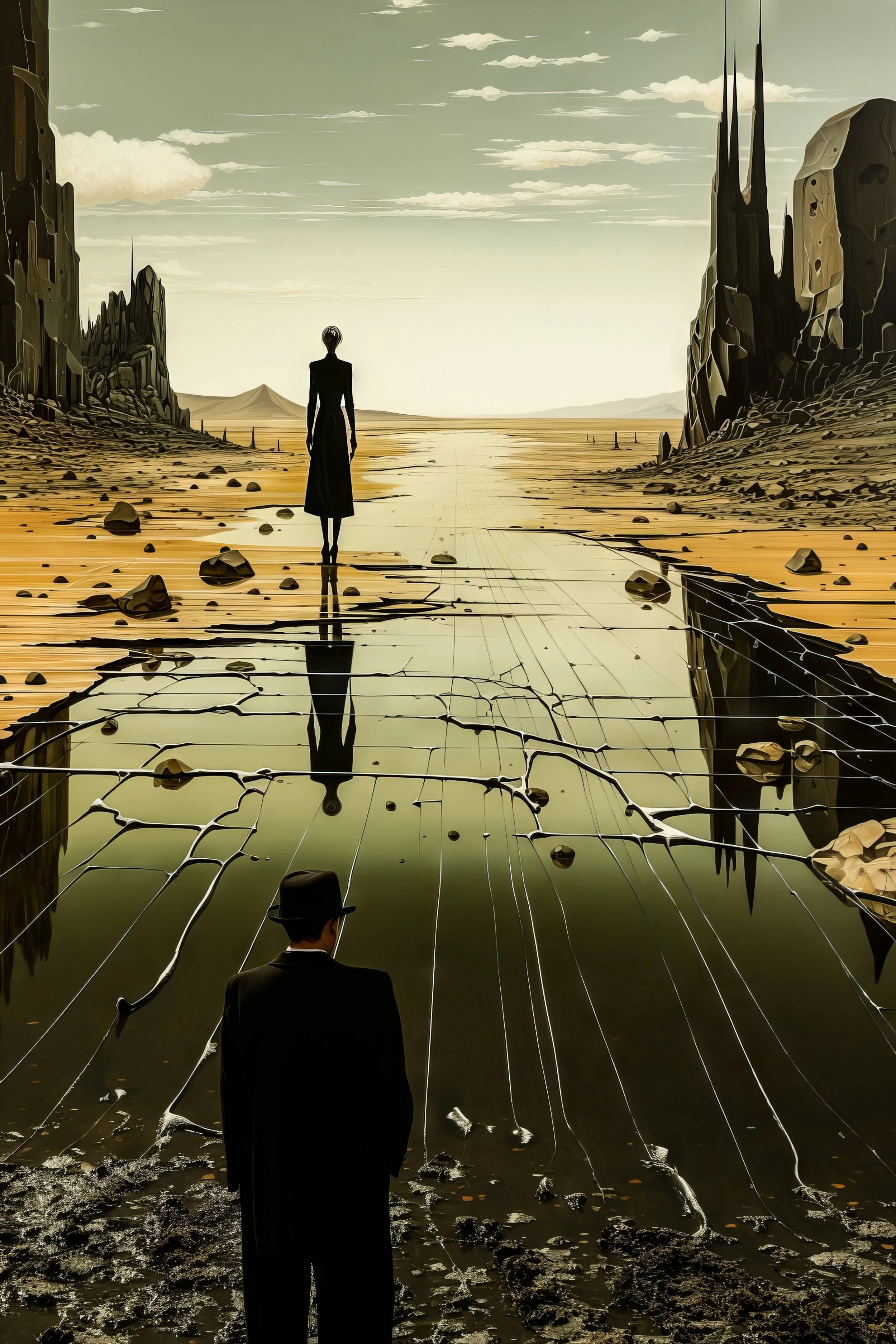
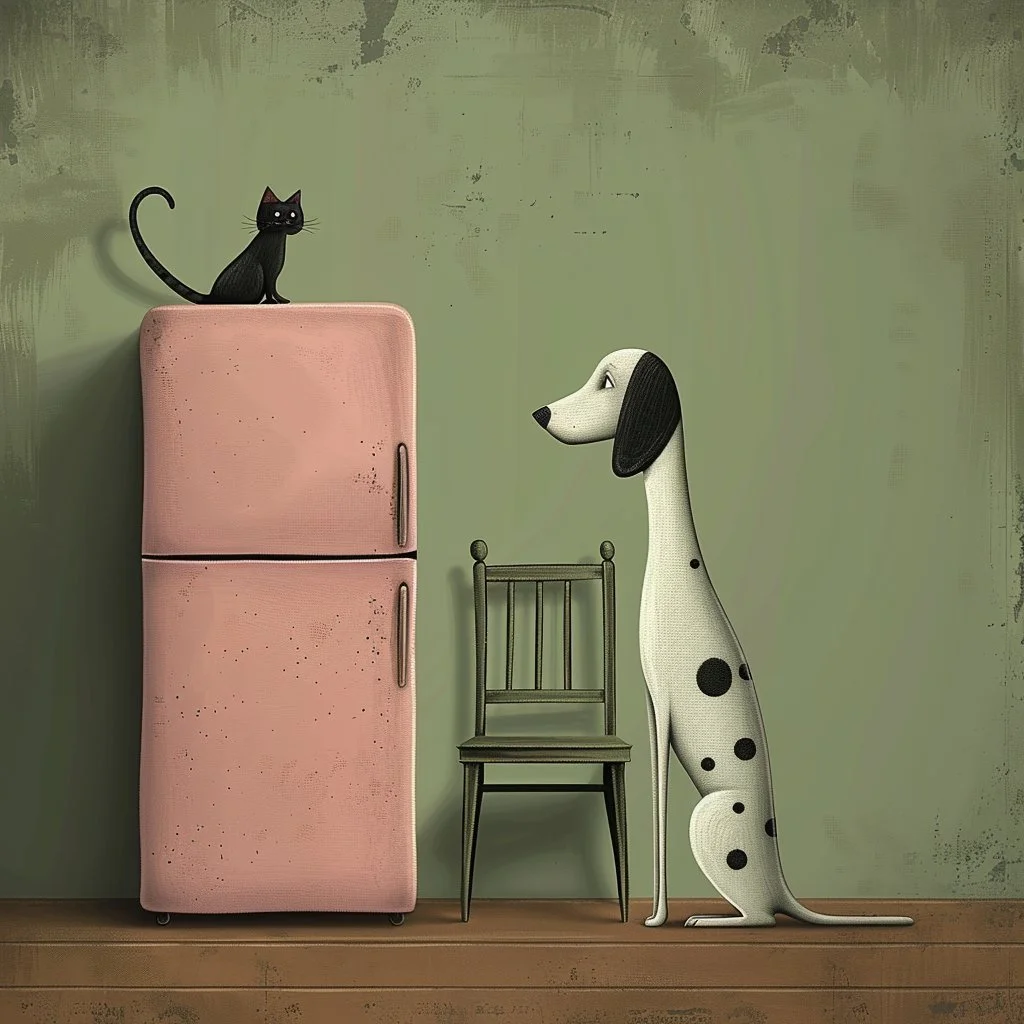
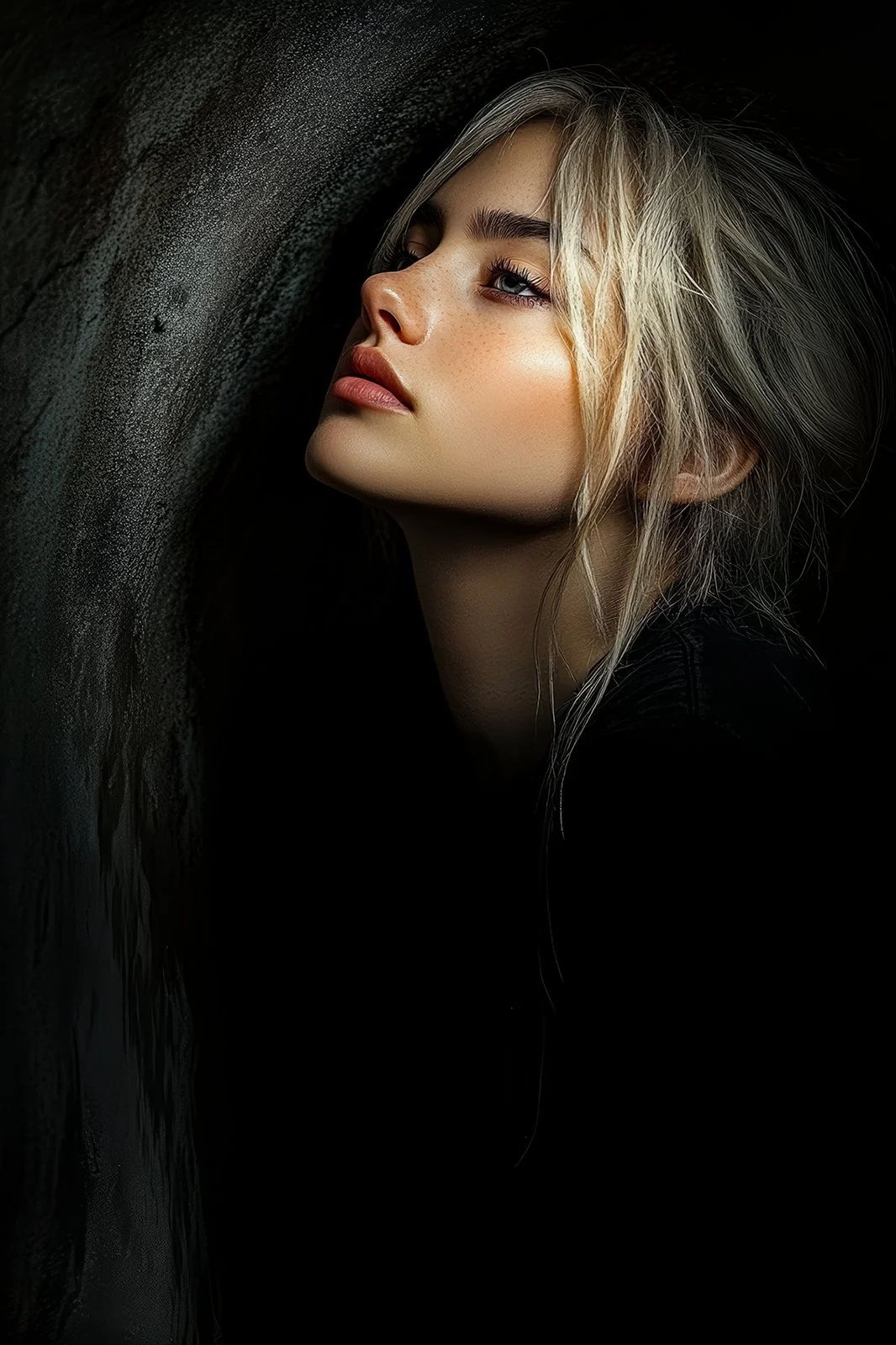
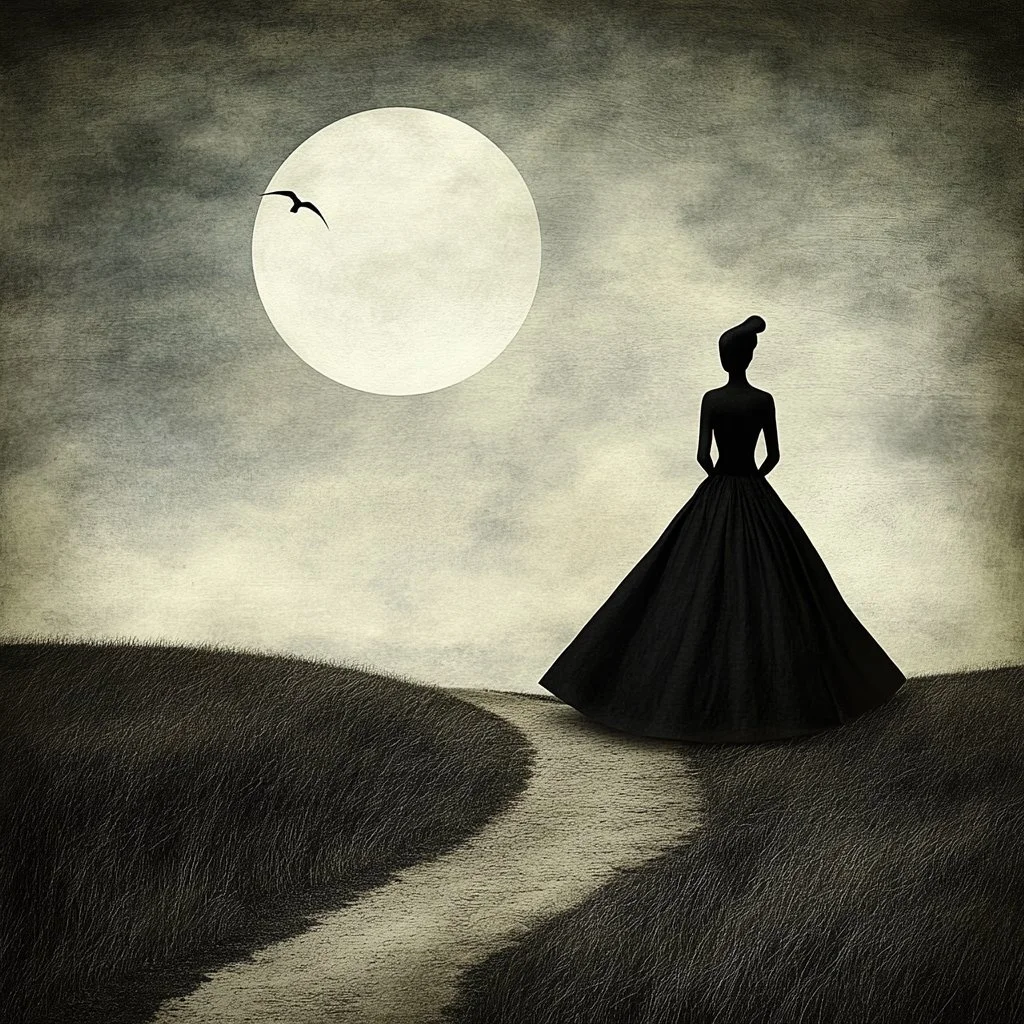
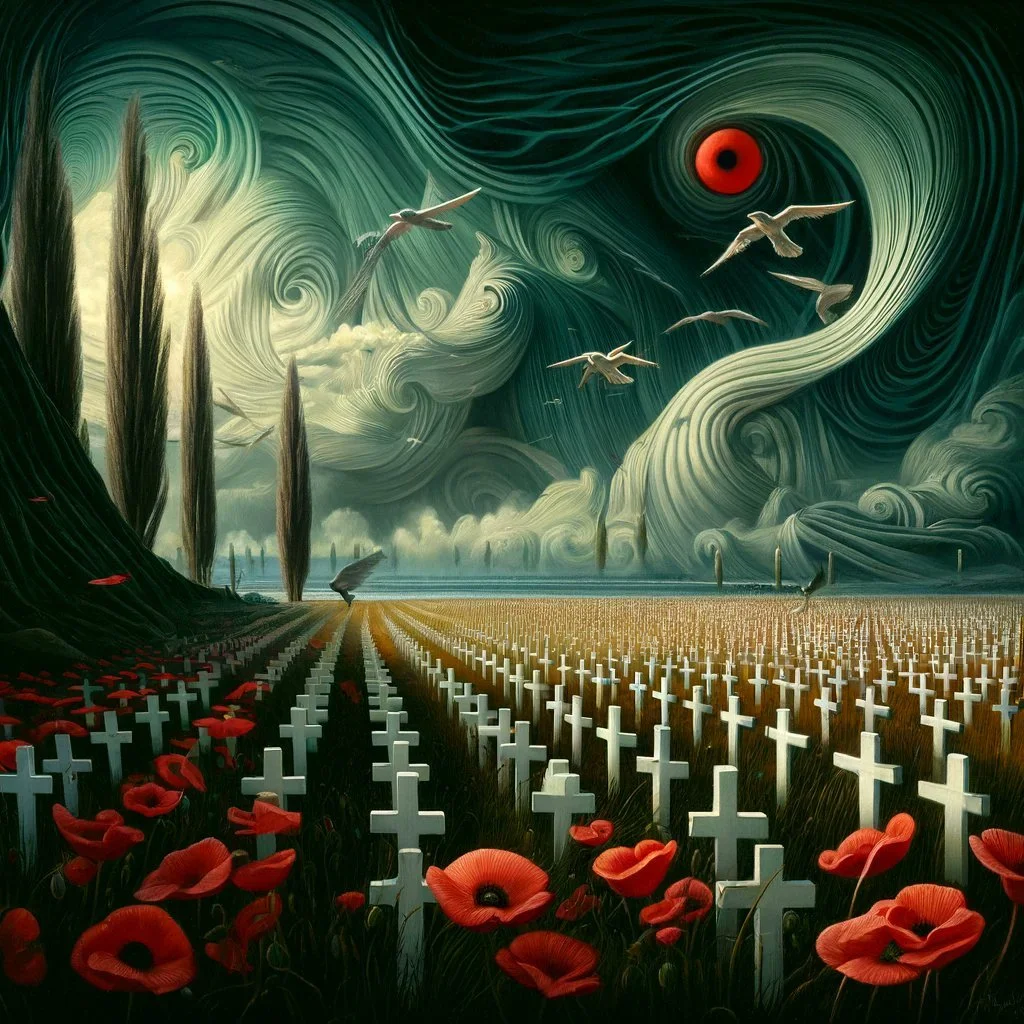
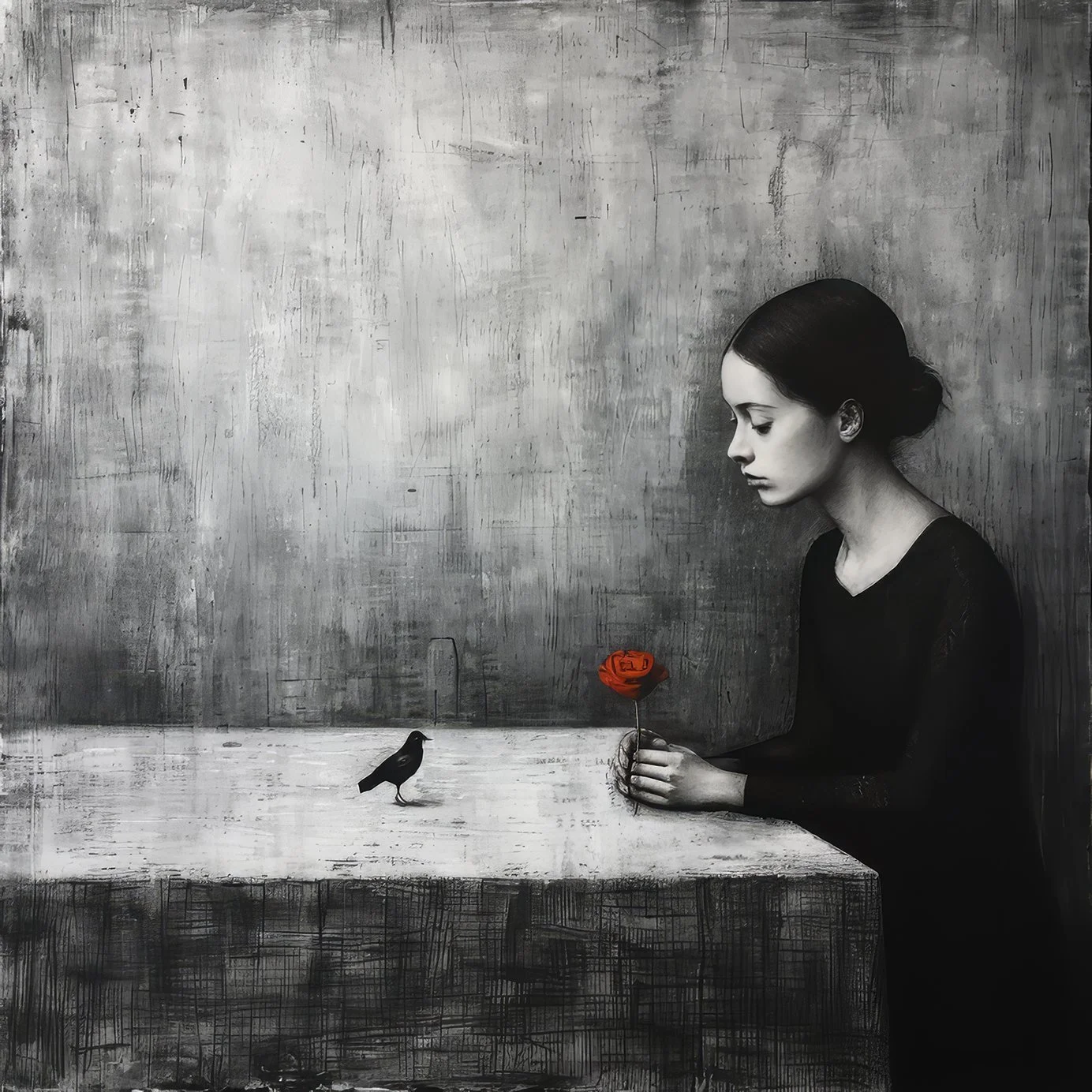
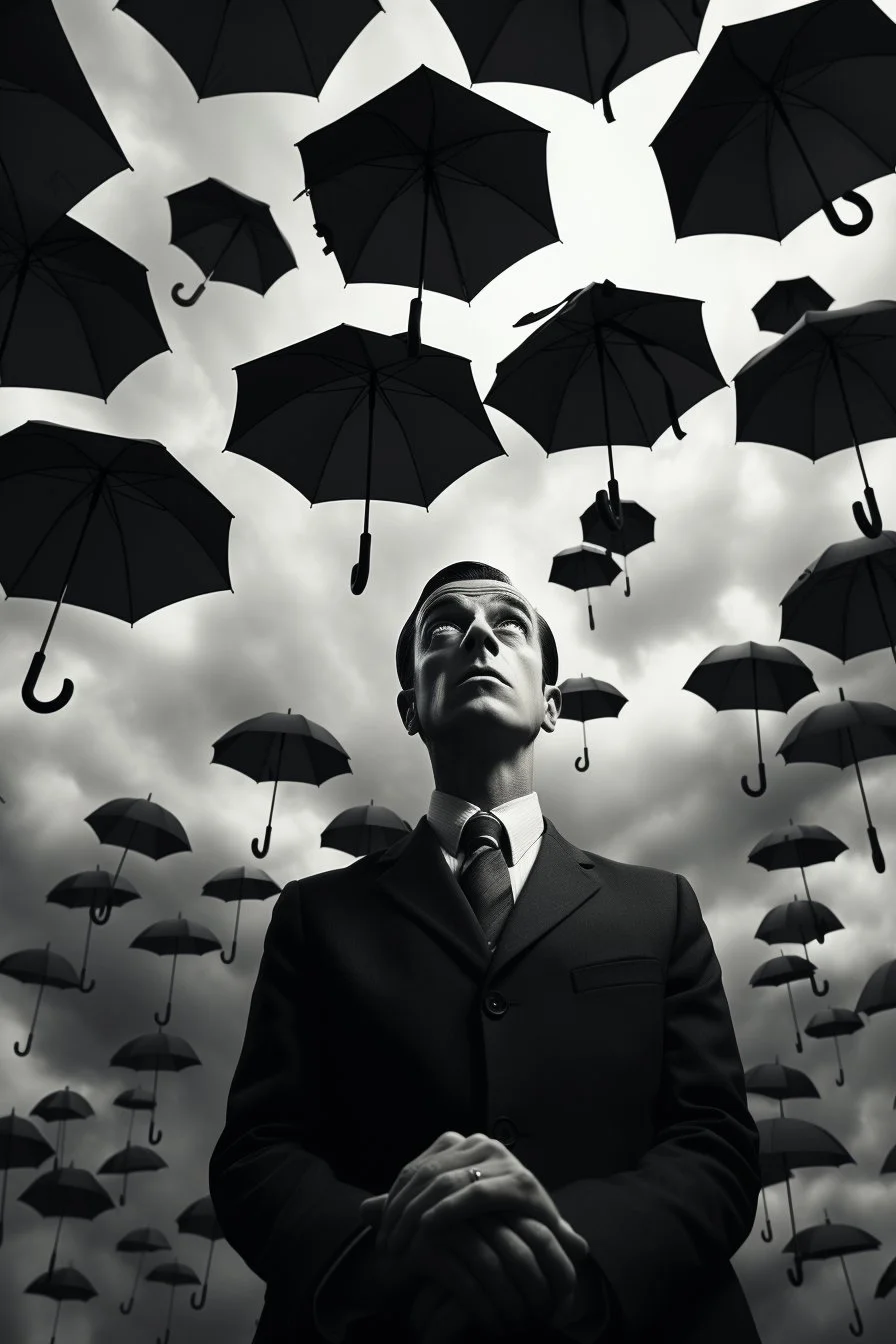
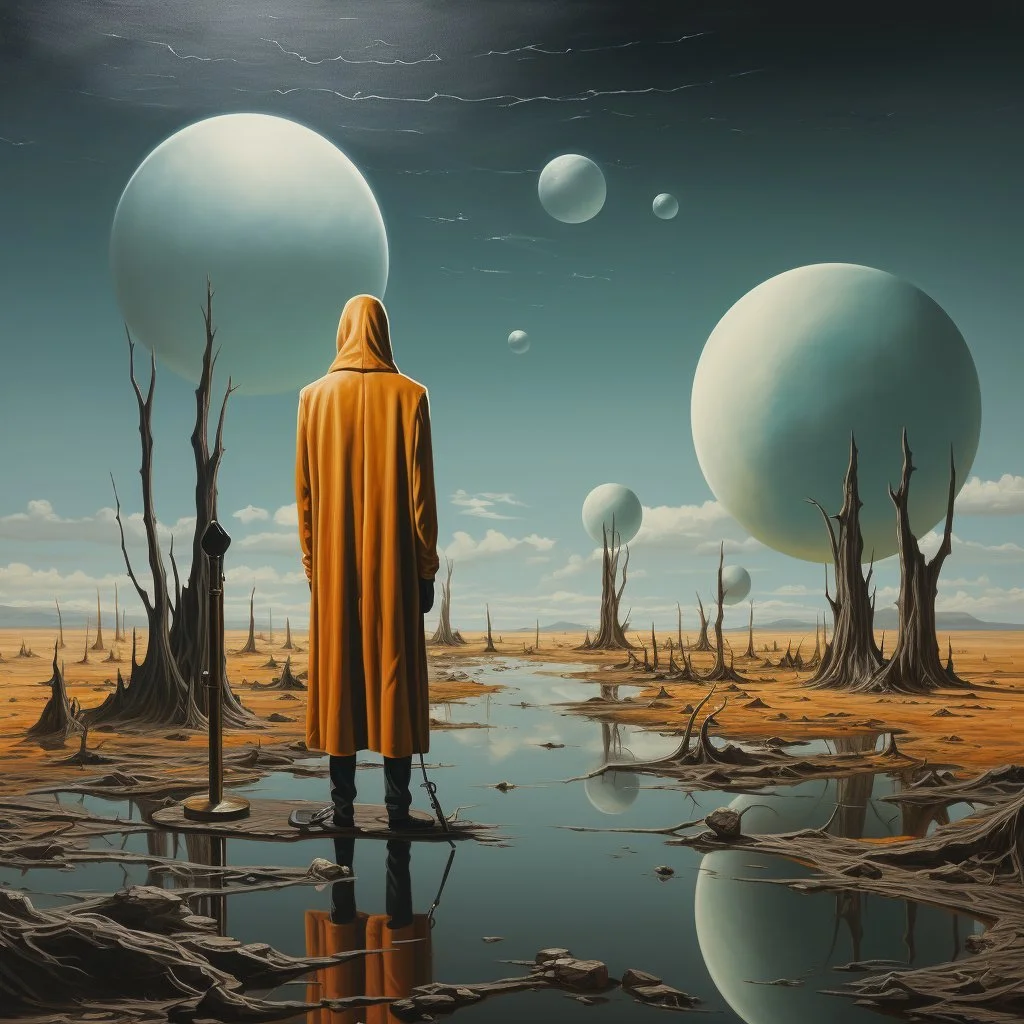
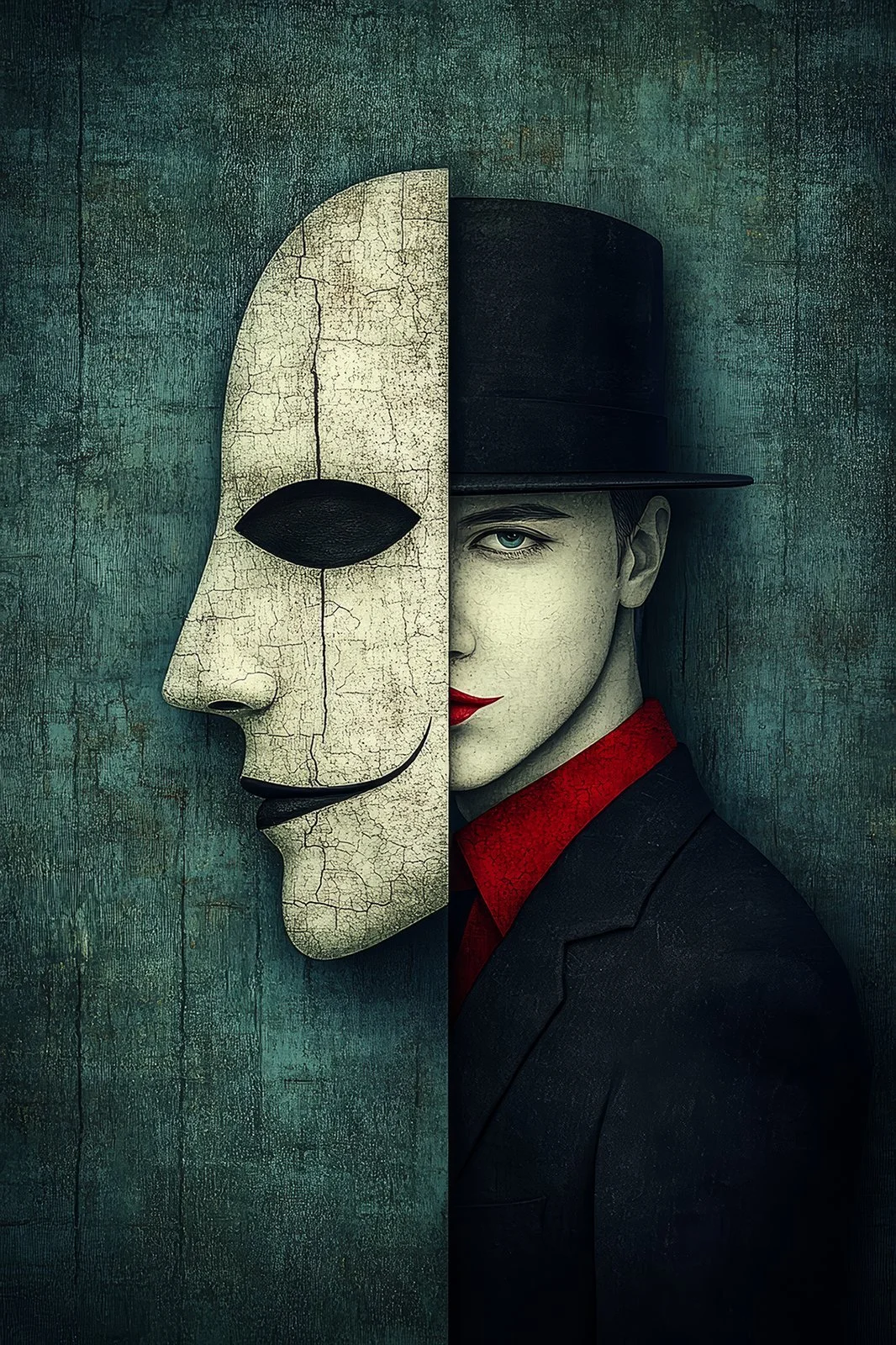
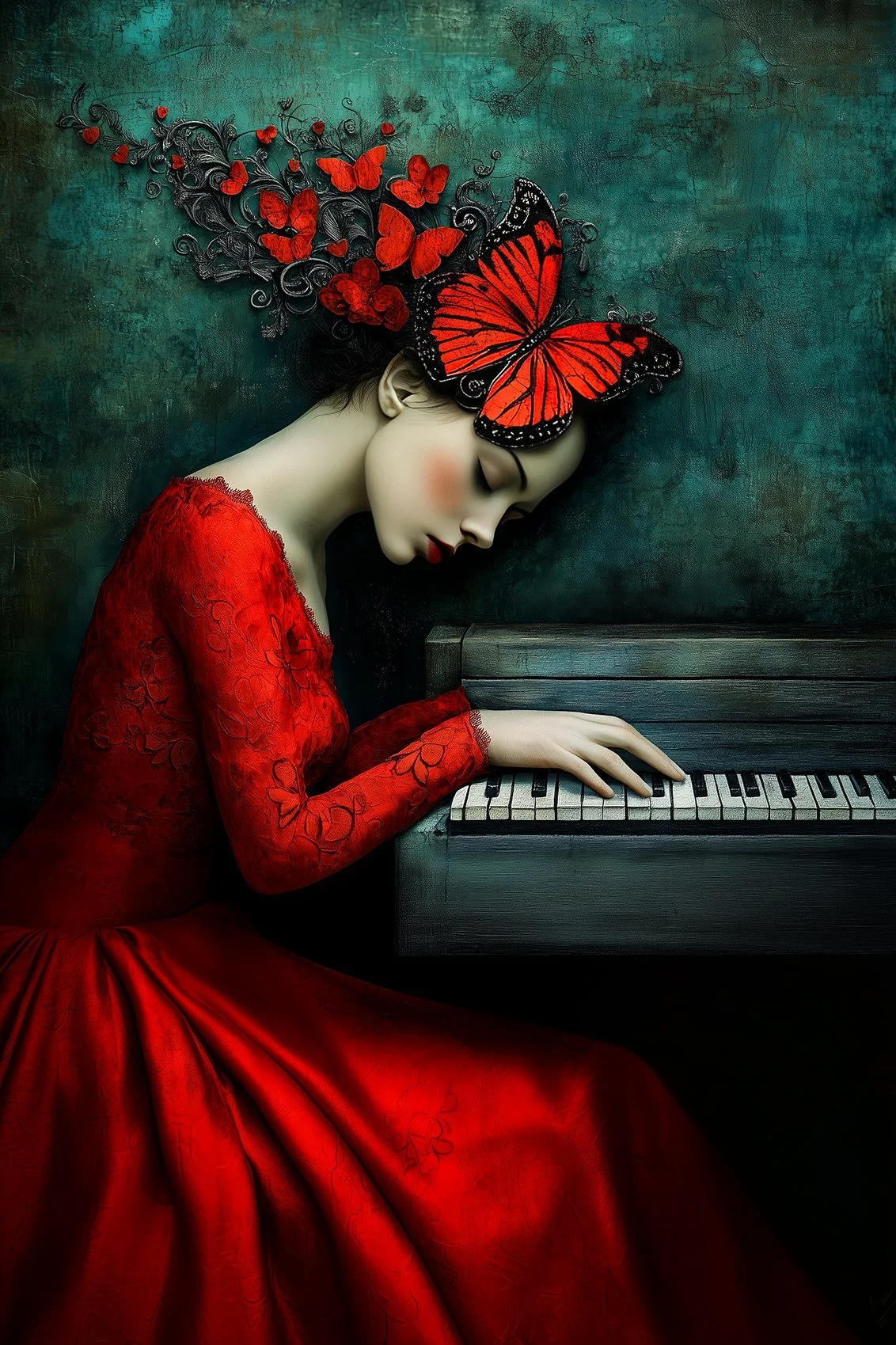
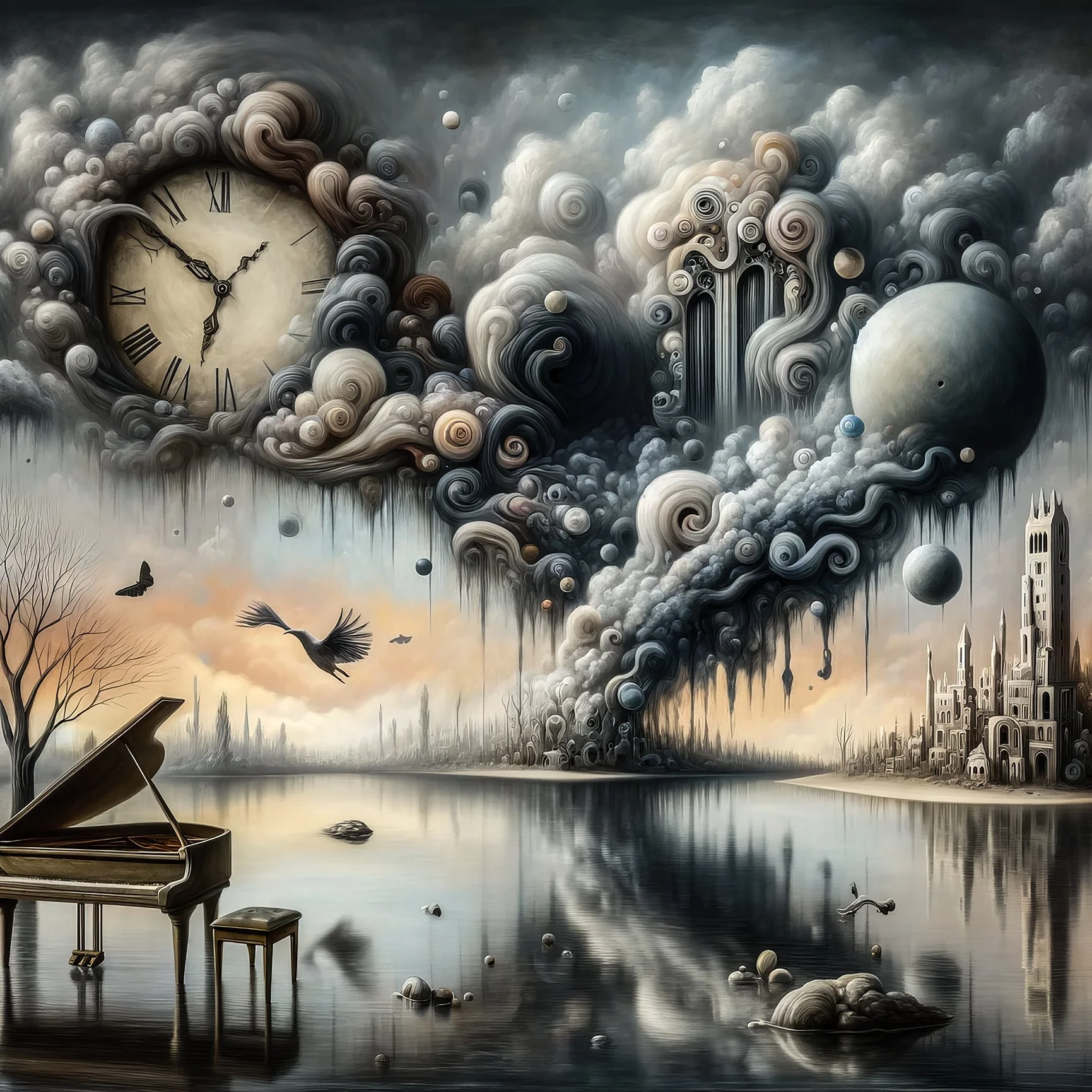
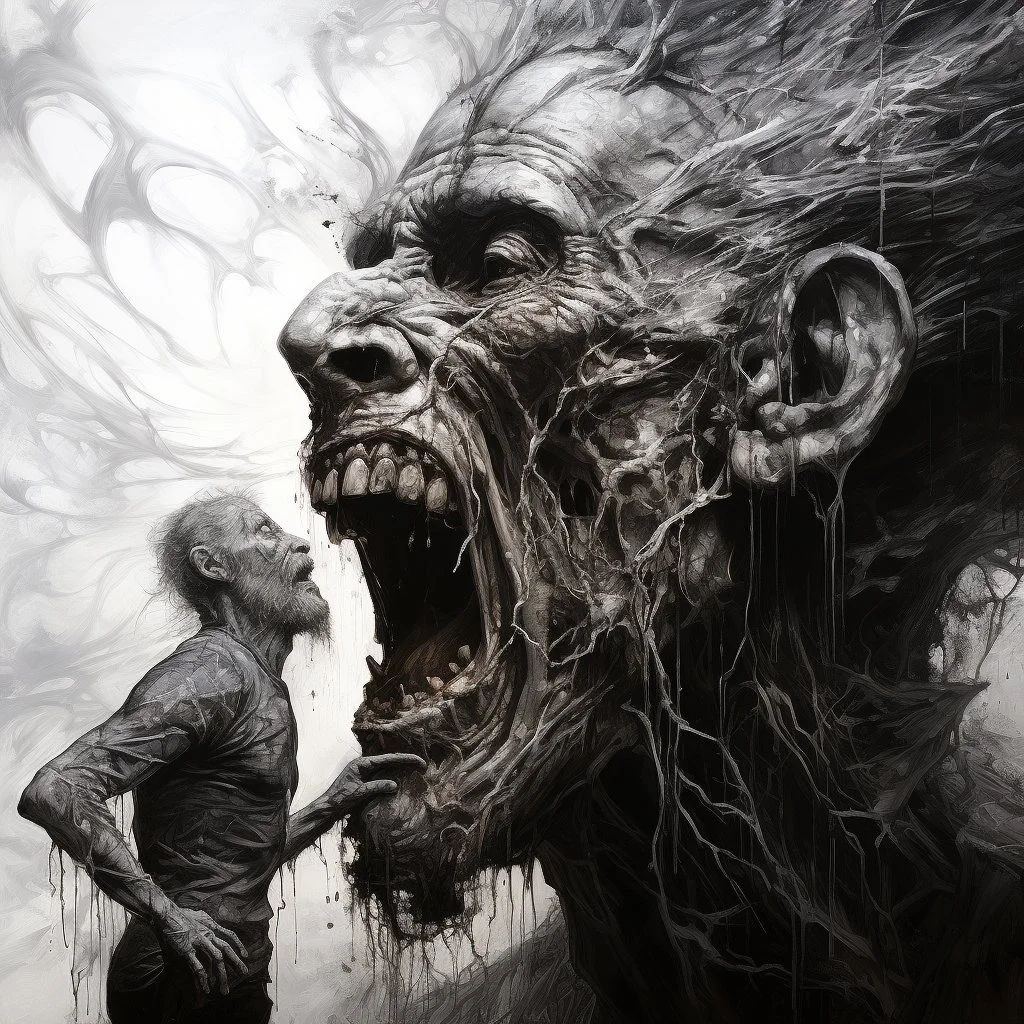
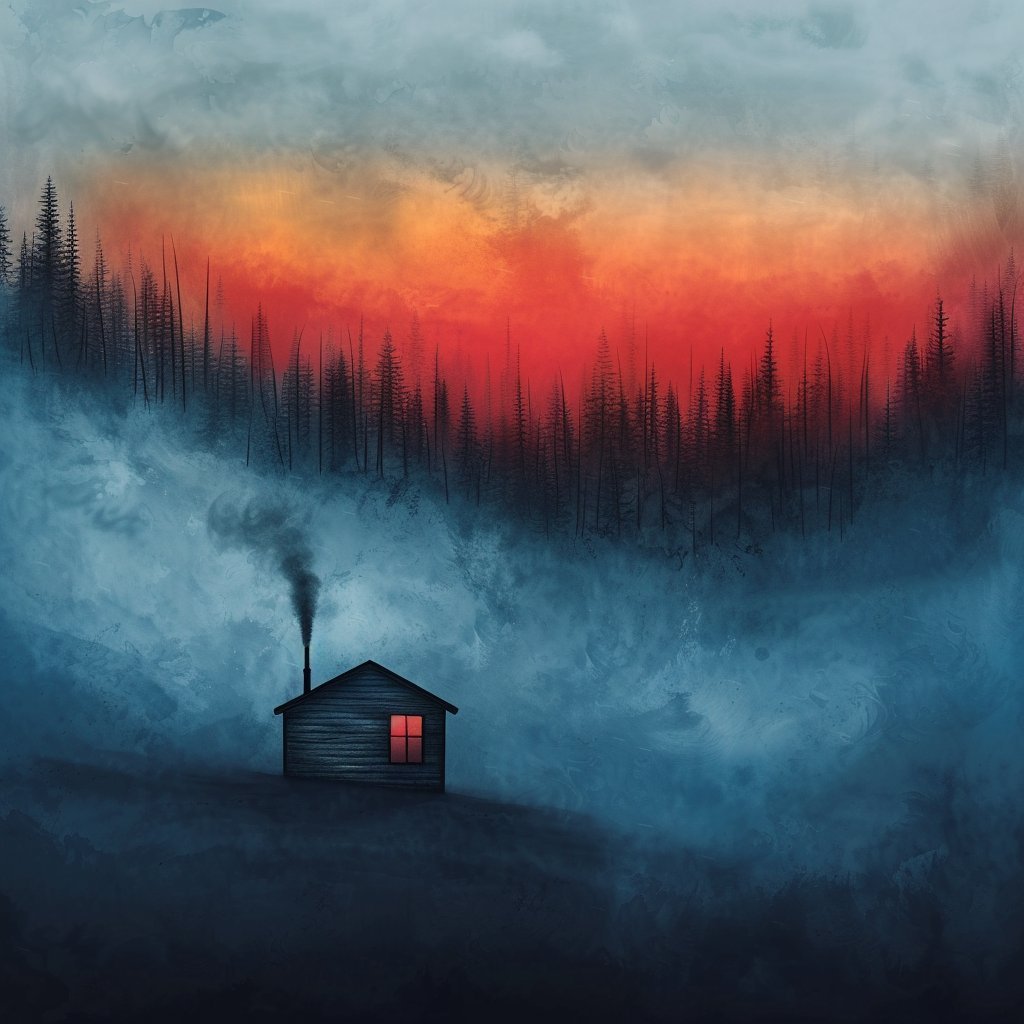
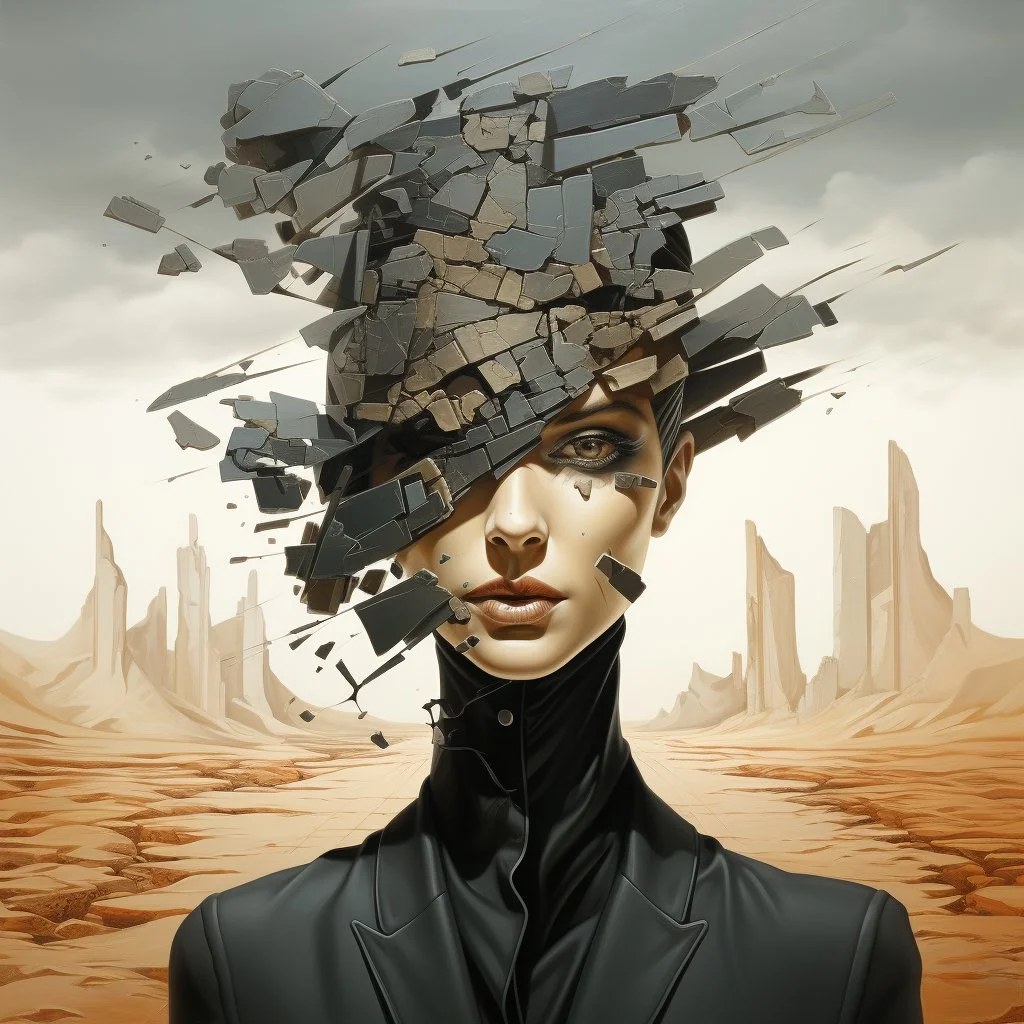
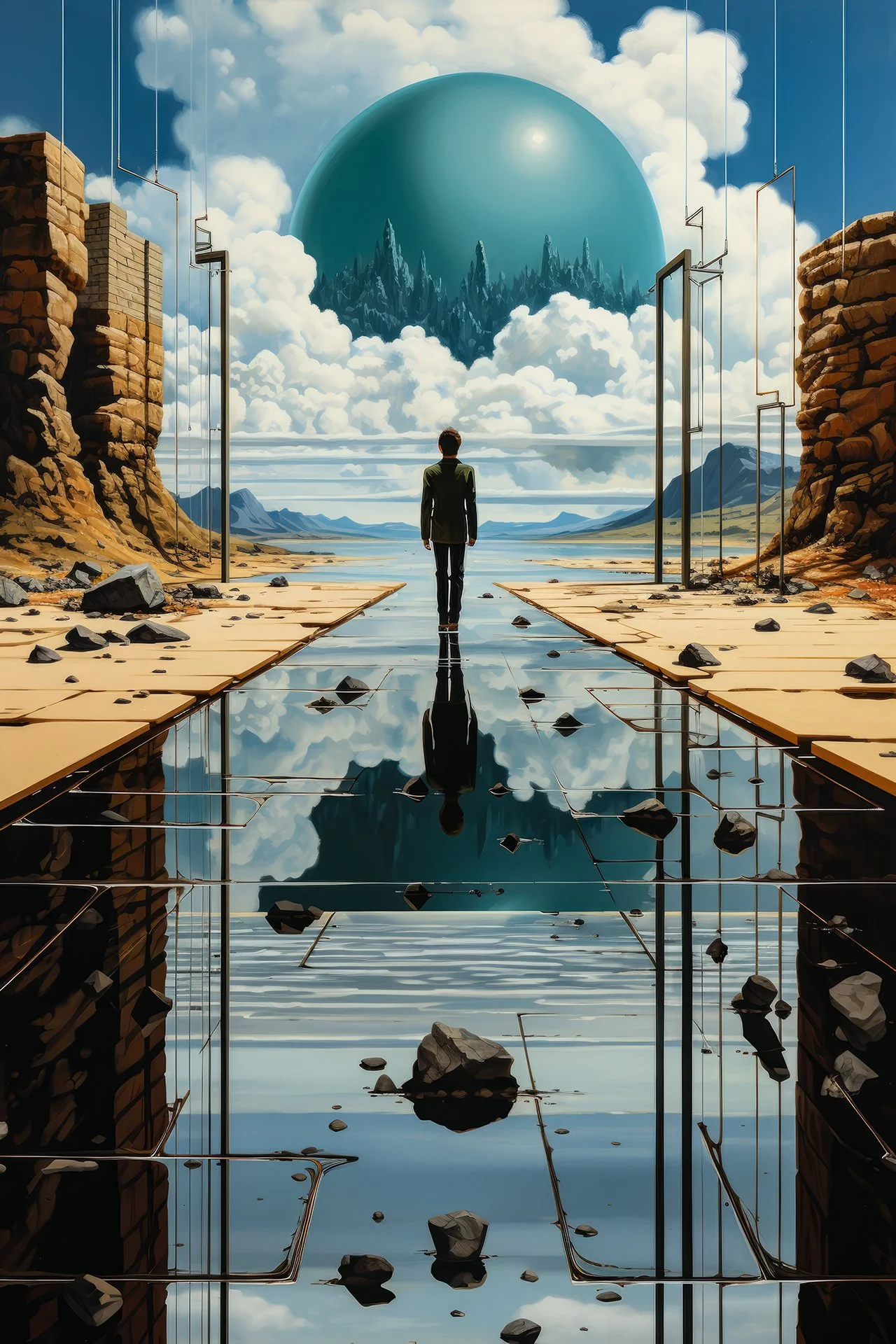
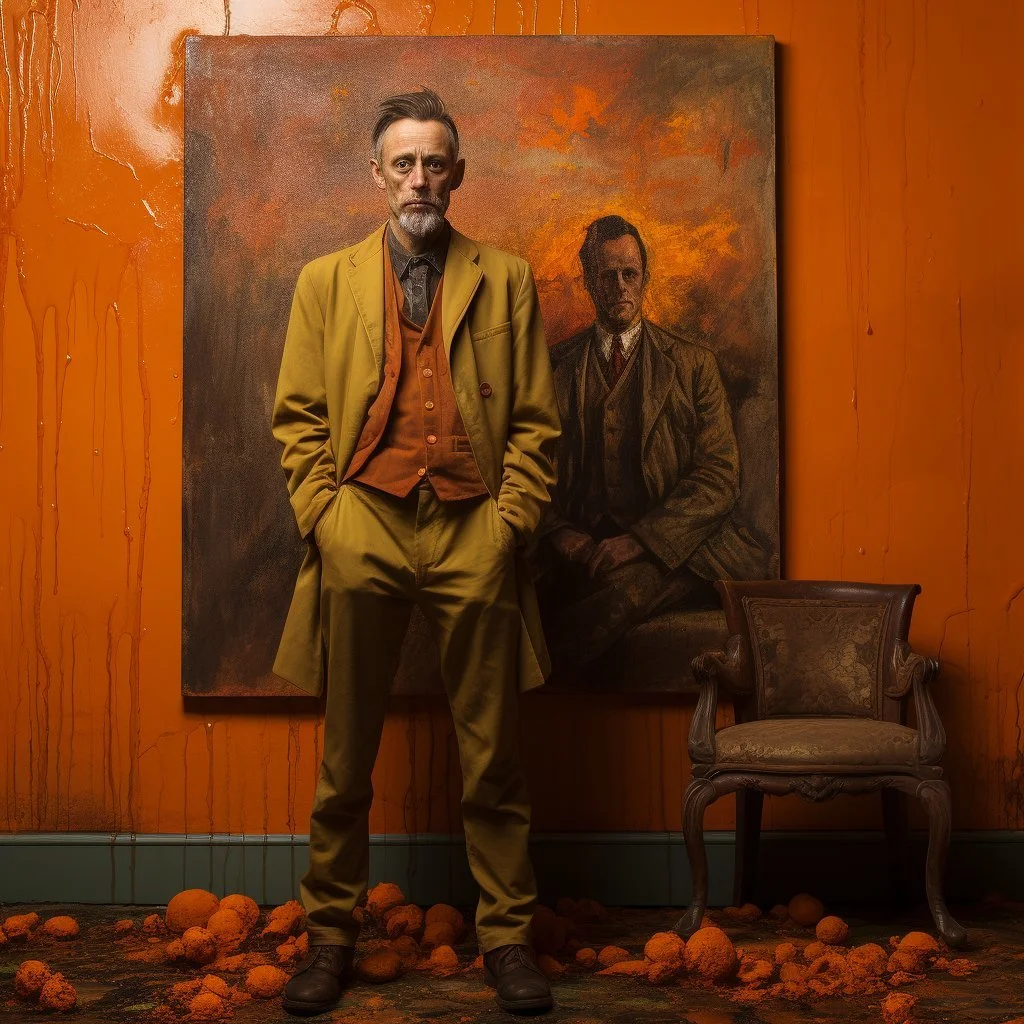
I’ve always enjoyed the surprising art of John Harvey (@digitallywired on X), a talented AI artist who graces us with often whimsical and eccentric pieces. John's work is a delightful dive into the surreal and the fantastic, where he carefully crafts unusual landscapes and dreamscapes that feel like visual poetry. Some of his creations sometimes bear a lovely resemblance to the works of great masters, with influences from Dali and even René Magritte, yet they stand as respectful homages rather than imitations, highlighting his unique voice and vision.
John is meticulous in his creative process, truly crafting each image with care and intent. This thoughtful approach is evident in his selective posting; he doesn’t flood the feed but instead shares pieces that are refined and deeply considered. Every artwork feels like an invitation to step into his mind, where the boundaries between reality and imagination blur, and the ordinary is transformed into the extraordinary.
Describing himself as a Creative Technologist, John is passionate about transforming ideas into reality and innovating at the intersection of art and technology. He has a plethora of visions that he brings to life through an almost exclusively illustrative style, rarely venturing into the realm of photographic realism. His commitment to illustration allows him to explore the depths of his imagination, producing works that are both visually stunning and thought-provoking, making him another standout figure in the AI art community on X. I am honored and grateful to have him join us for this interview.
Let’s discover John Harvey together.
Keeping it together
Without getting too personal, can you tell us a bit about yourself?:
I was born in Pretoria, South Africa, and my early life was a tapestry of constant change and cultural immersion. At the age of five, my father’s diplomatic assignment took us to Holland, igniting a childhood marked by movement across continents—a rich exposure to diverse worlds that would shape my perspective. In those formative years, I found solace and fascination in the darkroom, where I first discovered the magic of photography. The alchemy of developing film became more than a hobby; it was the spark that lit my career as a photojournalist. Through my lens, I learned to capture the raw essence of human stories, making the act of documenting pivotal moments feel as natural as breathing.
My passion for visual storytelling led me to Ryerson University in Canada, where I studied filmmaking before returning to South Africa to fulfill my mandatory military service. By the early eighties, I sought new horizons in the United States, embracing a fresh chapter filled with opportunities and challenges.
Photography was only the beginning. As technology evolved, so did my creative pursuits. I expanded into filmmaking and immersive VR event photography, always driven by the desire to push the limits of how stories could be told. For the past several years, I’ve been at the forefront of AI-generated imagery, melding artificial intelligence with my artistic vision to explore uncharted creative territories.
Equipped with master’s degrees in telecommunications and human services, I’ve built a versatile skill set that bridges technology and human connection. My passion for multimedia storytelling led me to co-found the Black Rock City Film Festival and The Virtual Film Company, both non-profits that champion innovative cinematic experiences and groundbreaking VR technologies.
In my role as Chief Information Officer at Democracy Watch News, I modernized IT systems and injected fresh perspectives into national news coverage. My expertise in cybersecurity and physical security took center stage during my time as an intelligence analyst at the San Diego Regional Terrorism Threat Assessment Center, where I helped safeguard critical infrastructure in a constantly shifting threat landscape.
My commitment to education has been a constant thread throughout my career, from my tenure as Senior Faculty at the University of Phoenix and the University of Redlands to influential roles at QUALCOMM and Apple Online Services. Here, I honed my reputation as a forward-thinking technology strategist, always at the nexus of innovation and implementation.
Over the years, I’ve secured multiple patents and played pivotal roles in high-profile events like the Grammy Awards and the Sundance Film Festival. My journey is defined by an insatiable curiosity and a relentless drive to explore the evolving intersections of technology, storytelling, and security, continually embracing the challenges of an ever-changing world.
Could you please tell us which country you live in?:
I live in the USA.
What led you to begin working with AI imagery?:
Ah, a question that delves into the labyrinthine corridors of one's professional evolution! Splendid!
My journey into the realm of AI imagery is a tale as old as the silicon chips that power our beloved machines. As a seasoned photojournalist, I've spent countless years capturing the ephemeral essence of life through the lens, weaving stories that speak louder than words. Yet, the allure of technology has always been a persistent whisper in my ear, ever since I laid my hands on the very first computer. The intoxicating scent of innovation, the thrill of creating graphics on those primitive screens – it was like discovering fire for the first time.
The convergence of my passion for imagery and technology was inevitable. AI imagery offered a tantalizing new frontier, a canvas where pixels and algorithms dance together in an intricate ballet. It is a medium where creativity is not confined by the limits of traditional tools but is instead amplified by the boundless possibilities of artificial intelligence. The pleasure I derive from working with this amalgamation of art and technology is akin to the joy a maestro feels when composing a symphony – each keystroke, each line of code, each generated image is a note in the grand composition of my professional opus.
So, in essence, it wasn't a single moment but a lifelong dalliance with imagery and technology that led me to embrace AI imagery. It is the culmination of years of storytelling, an insatiable curiosity for the new, and a relentless pursuit of creative satisfaction. And, quite frankly, it's simply jolly good fun!
What AI tools do you use?:
Midjourney, LeaonardoAI, Runway, Firefly, DALL-E, Pika, Night Cafe.
What inspires you?:
Life. The satisfaction of creation.
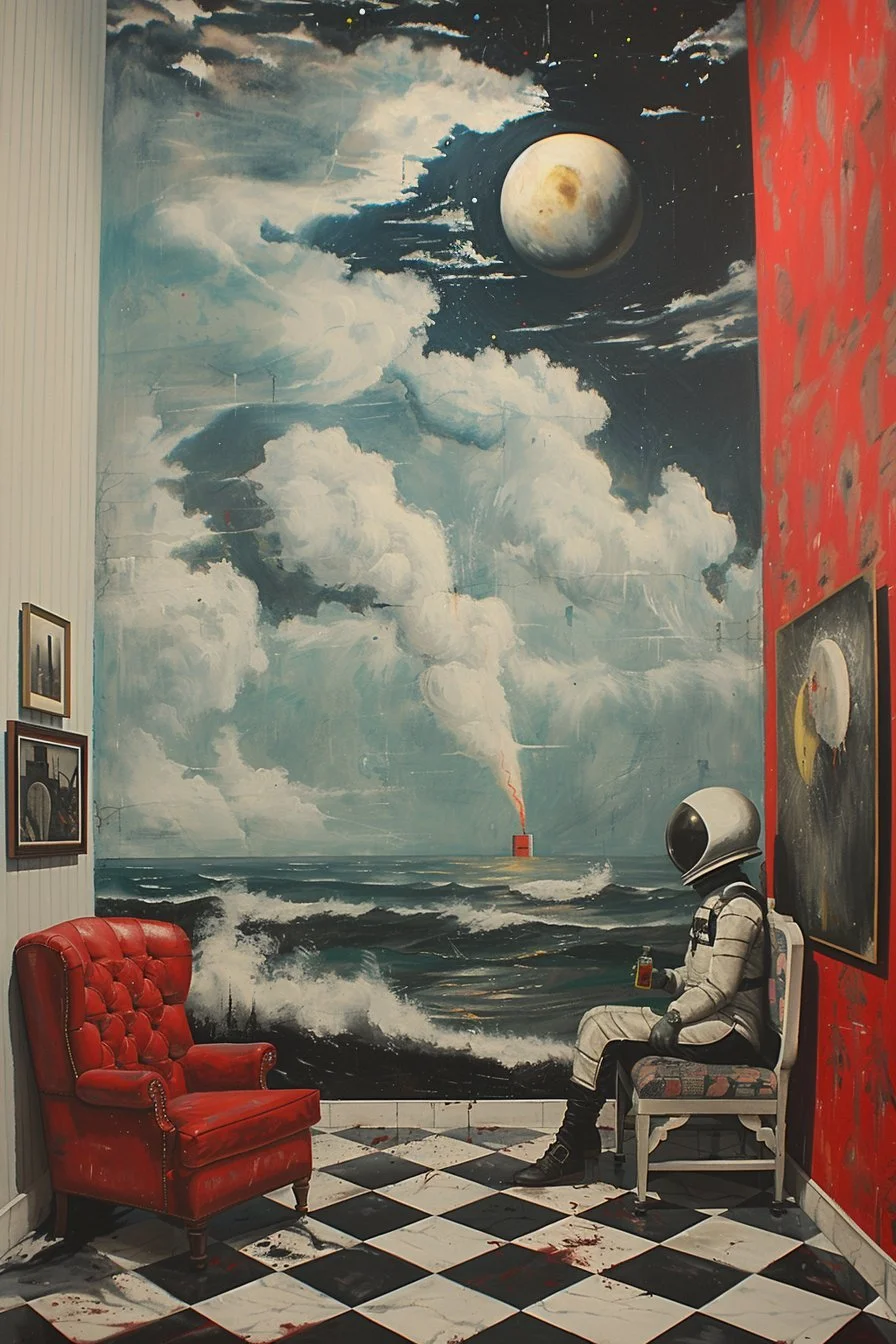
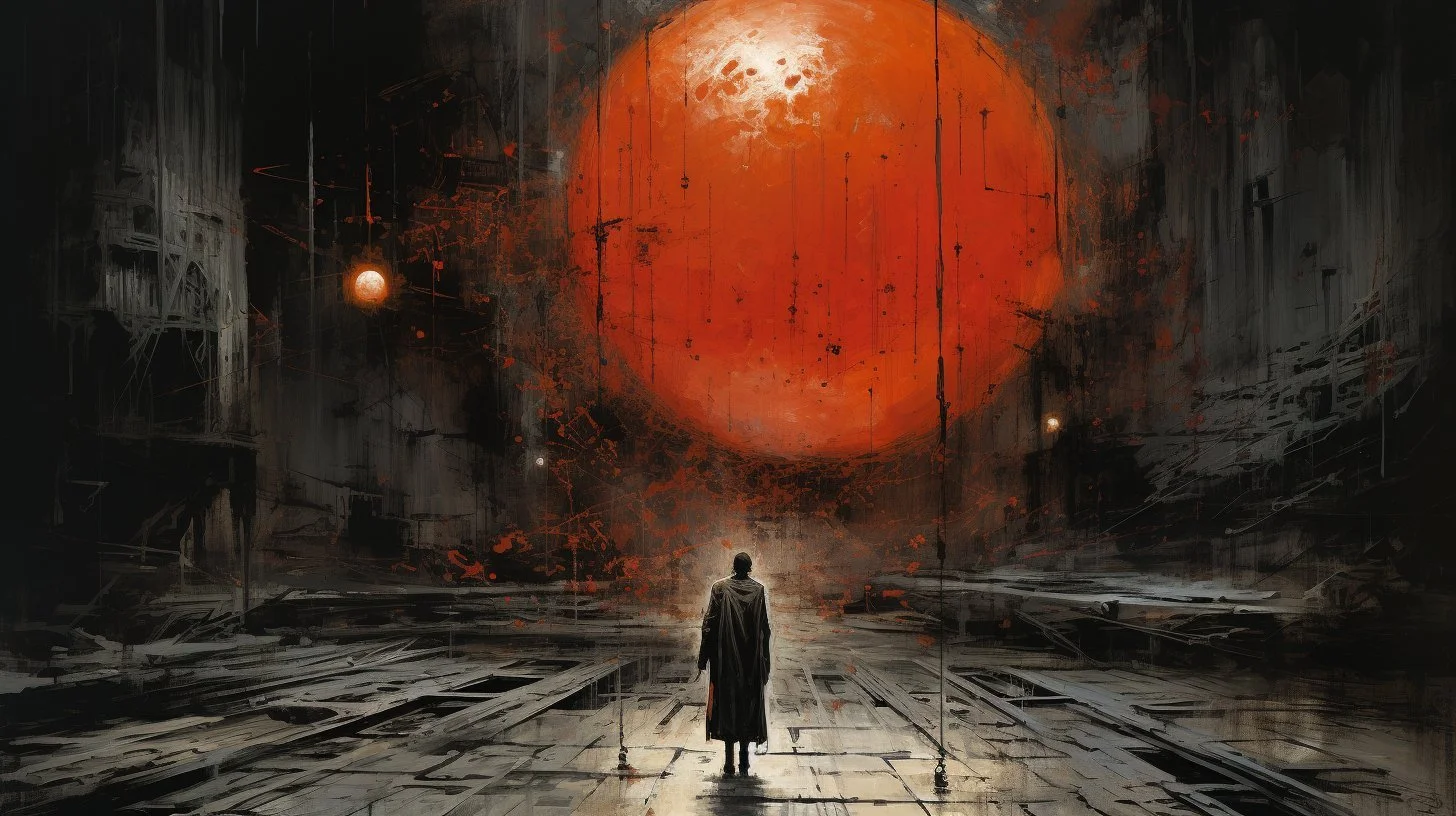
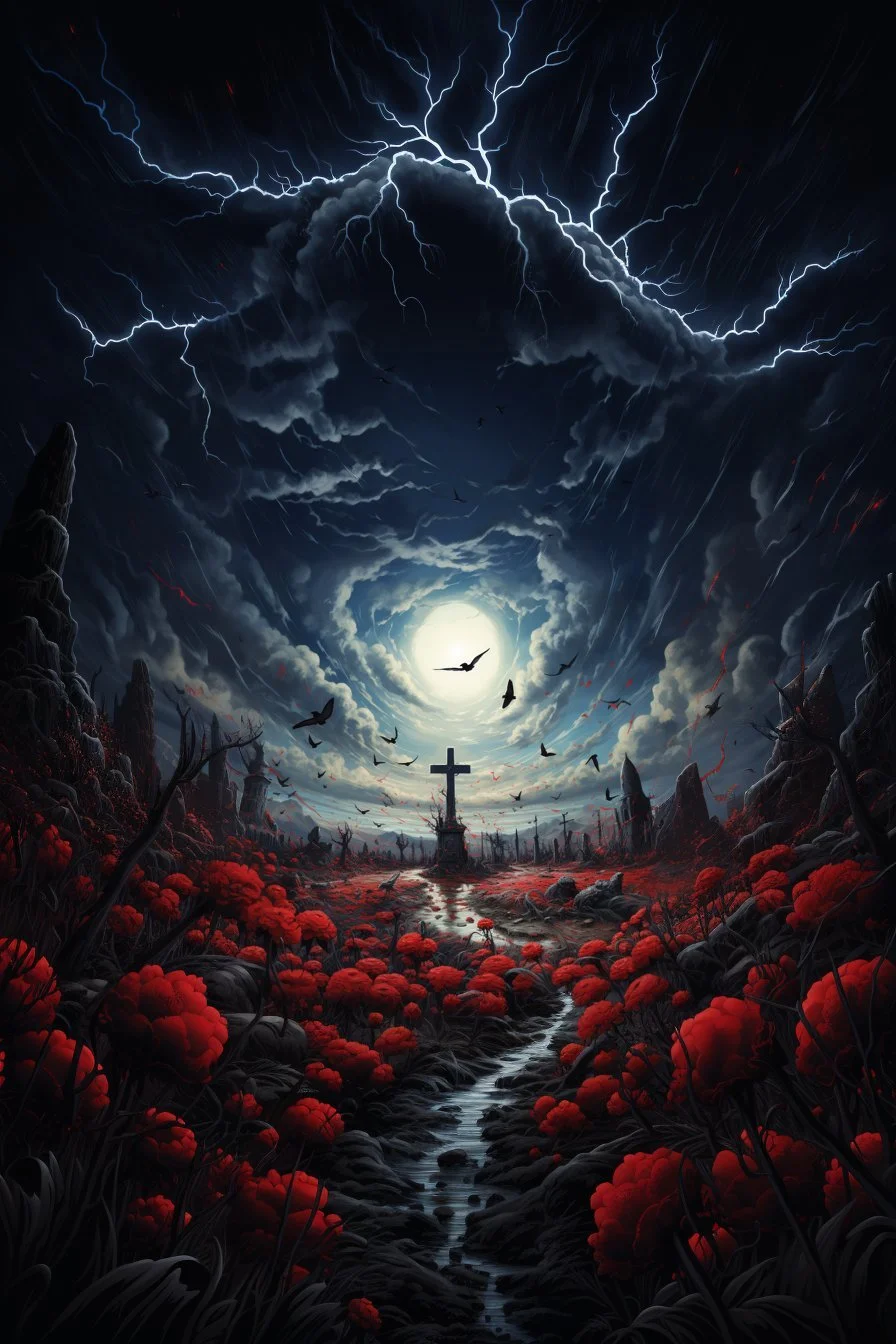
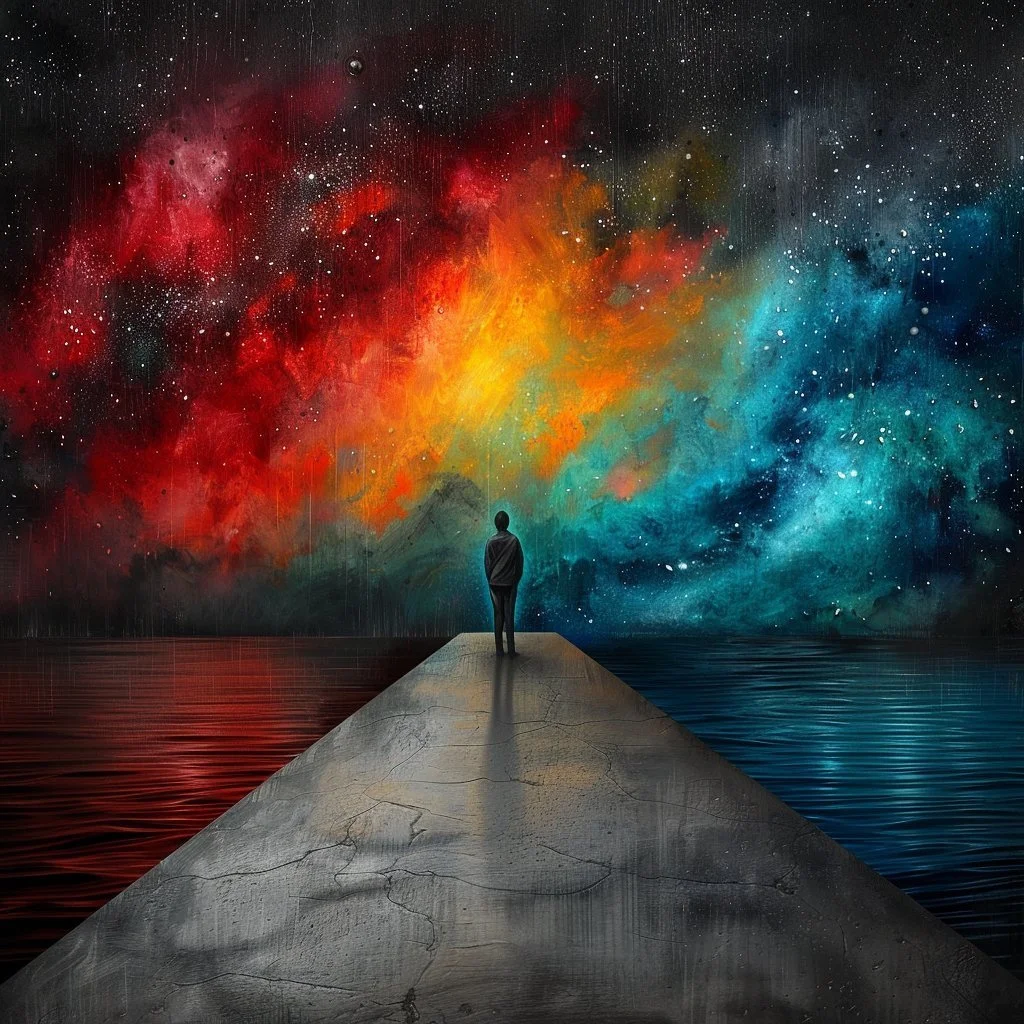
Cosmic Contemplation
(One of @revelinai’s favorite images by John Harvey)
In which other medium, if any, do you practice art?:
In addition to photography, my artistic practice spans several mediums, including video, 3D, virtual reality, and augmented reality. For me, art isn’t confined to one form; it’s an evolving conversation between technology and creativity. Whether I’m capturing a still image, crafting a dynamic video, or building an immersive virtual experience, I approach each medium with the belief that everything we do is art. It’s about exploring the endless possibilities of storytelling, pushing boundaries, and continually redefining what art can be in our ever-changing digital landscape.
Would you consider AI-generated art true art?:
My journey into photography began in the sepia-tinted days of black and white film. Back then, color was a distant dream, and the art of capturing moments was a laborious yet deeply fulfilling endeavor. I, along with many of my contemporaries, faced the sneering assertion that photography was not art, merely a mechanical reproduction of reality. Yet, we persevered, driven by a conviction that art is defined not by the medium, but by the intent and vision behind it.
Fast forward to the present day, where AI-generated art has become the latest target of similar skepticism. The tools and techniques may have evolved, but the essence of the debate remains strikingly similar. To those who question the artistic legitimacy of AI-generated creations, I would pose this: What makes art, art?
Art, in its truest form, is a manifestation of creativity, emotion, and thought. It is a reflection of the artist's inner world, brought to life through their chosen medium. Whether it is the meticulous strokes of a painter's brush, the click of a shutter, or the intricate algorithms of an AI, the medium is but a vessel for the artist's vision.
Having lived through the struggle of photographers being dismissed as mere technicians, I firmly believe that art should not be constrained by the tools used to create it. AI-generated art, like any other form of art, is an expression of human ingenuity and imagination. It challenges our perceptions, pushes boundaries, and offers new perspectives – much like any revolutionary art form throughout history.
So, would I consider AI-generated art true art? Absolutely. Art is art, irrespective of its genesis. It is the intention, the creativity, and the emotional resonance that define it, not the means by which it is produced. To dismiss AI-generated art would be to repeat the same narrow-mindedness that once sought to exclude photography from the pantheon of artistic expression.
In the grand tapestry of human creativity, every thread, whether spun by hand or machine, contributes to the rich and diverse mosaic we call art. And that, my dear interlocutor, is a truth as timeless as art itself.
Please share one or a few of your favorite images with us.:
I went through my timeline, and this is my favorite at the moment:
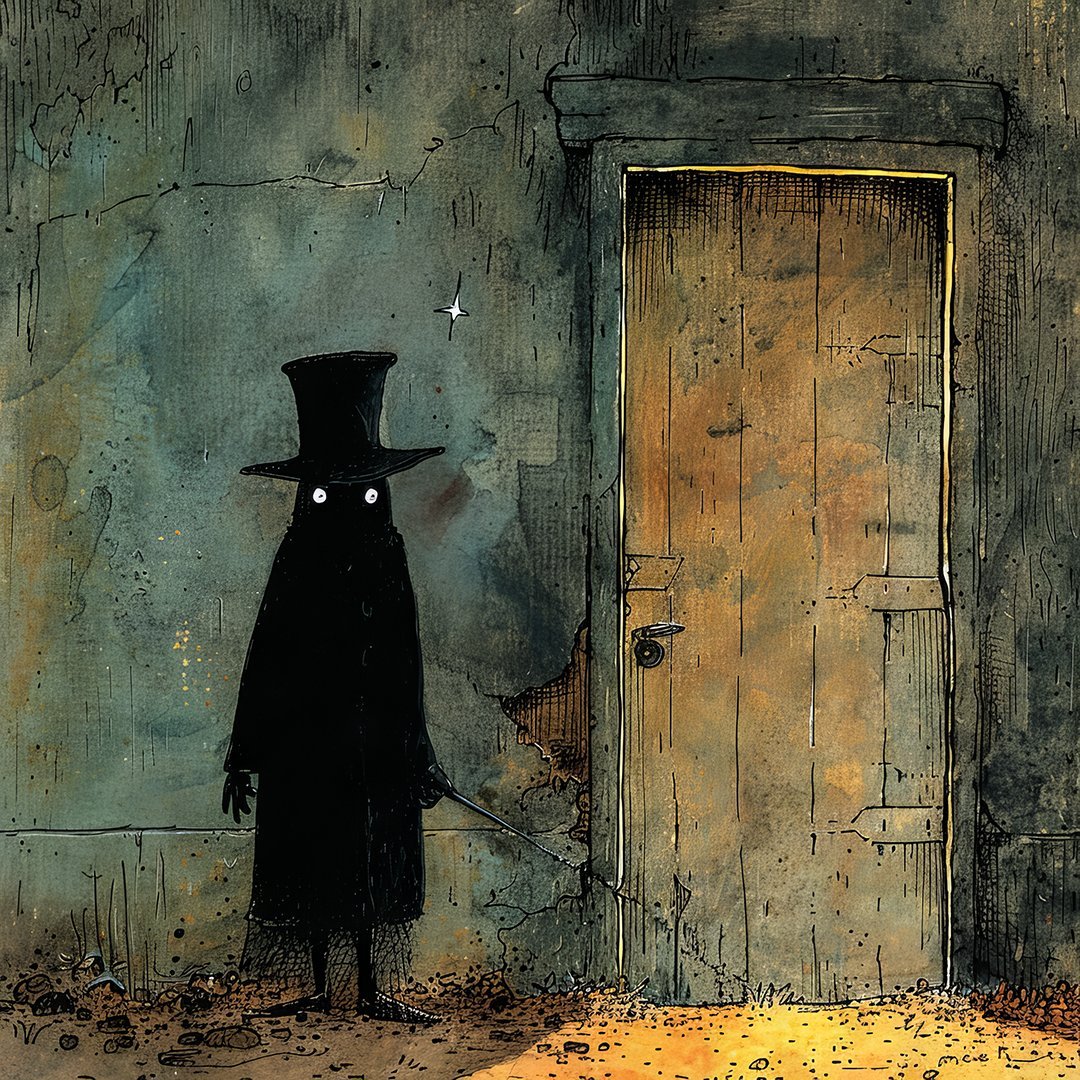
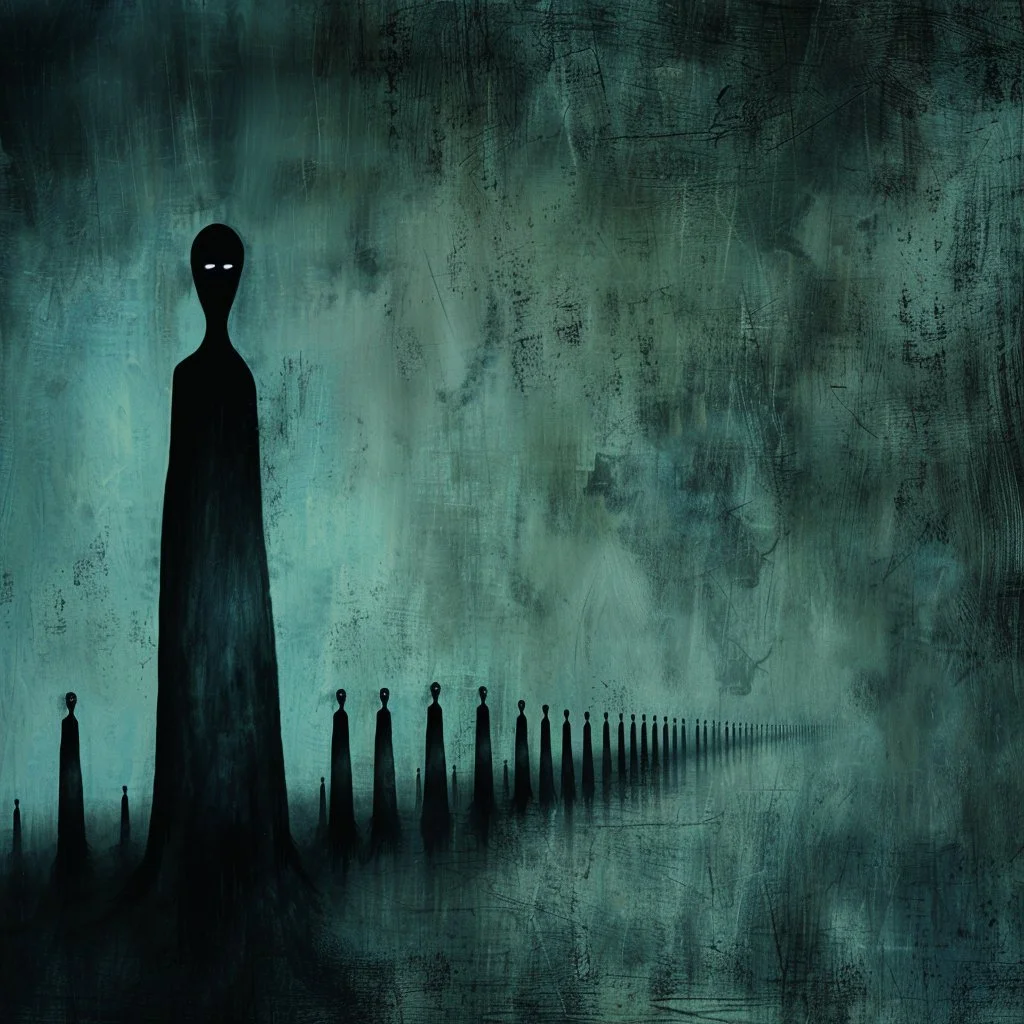
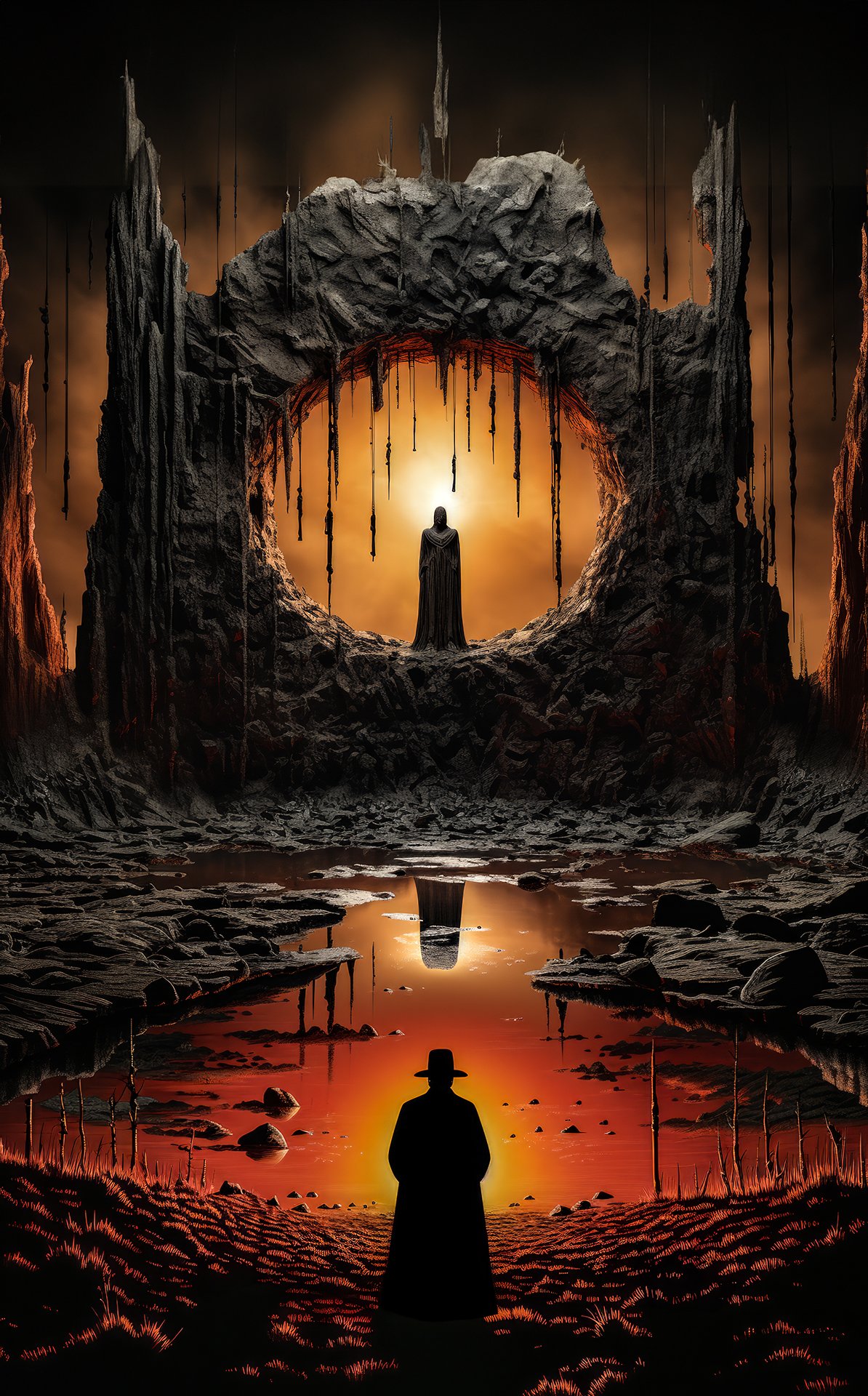
March of the Shadows
One of John Harvey’s favorite image
Do you title your AI-generated art? If you do, what inspires you to come up with these titles?:
Yes, I do title my art. Each image has its own narrative, and the title plays a crucial role in conveying that story. I start by reflecting on the initial prompt and how it shaped the artwork, then I look closely at the image itself—its mood, themes, and any unexpected details that emerge. The title often comes from a combination of those elements, serving as a bridge between the visual and the conceptual. It’s like naming a character in a novel; it has to resonate with the essence of the piece and invite viewers into the story it’s telling.
When do you tend to be the most productive, and do you work in long sessions or short bursts?:
Long sessions.
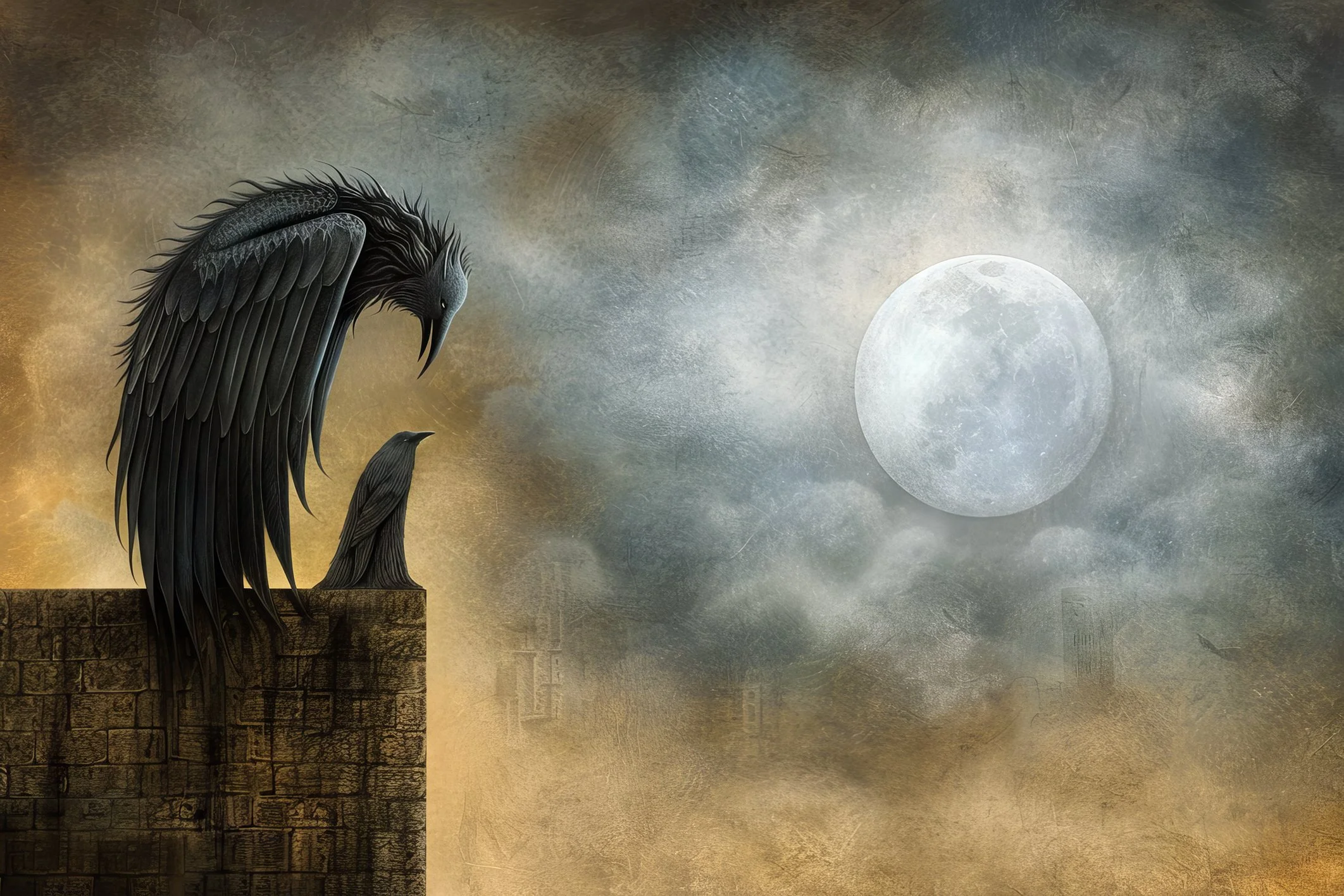
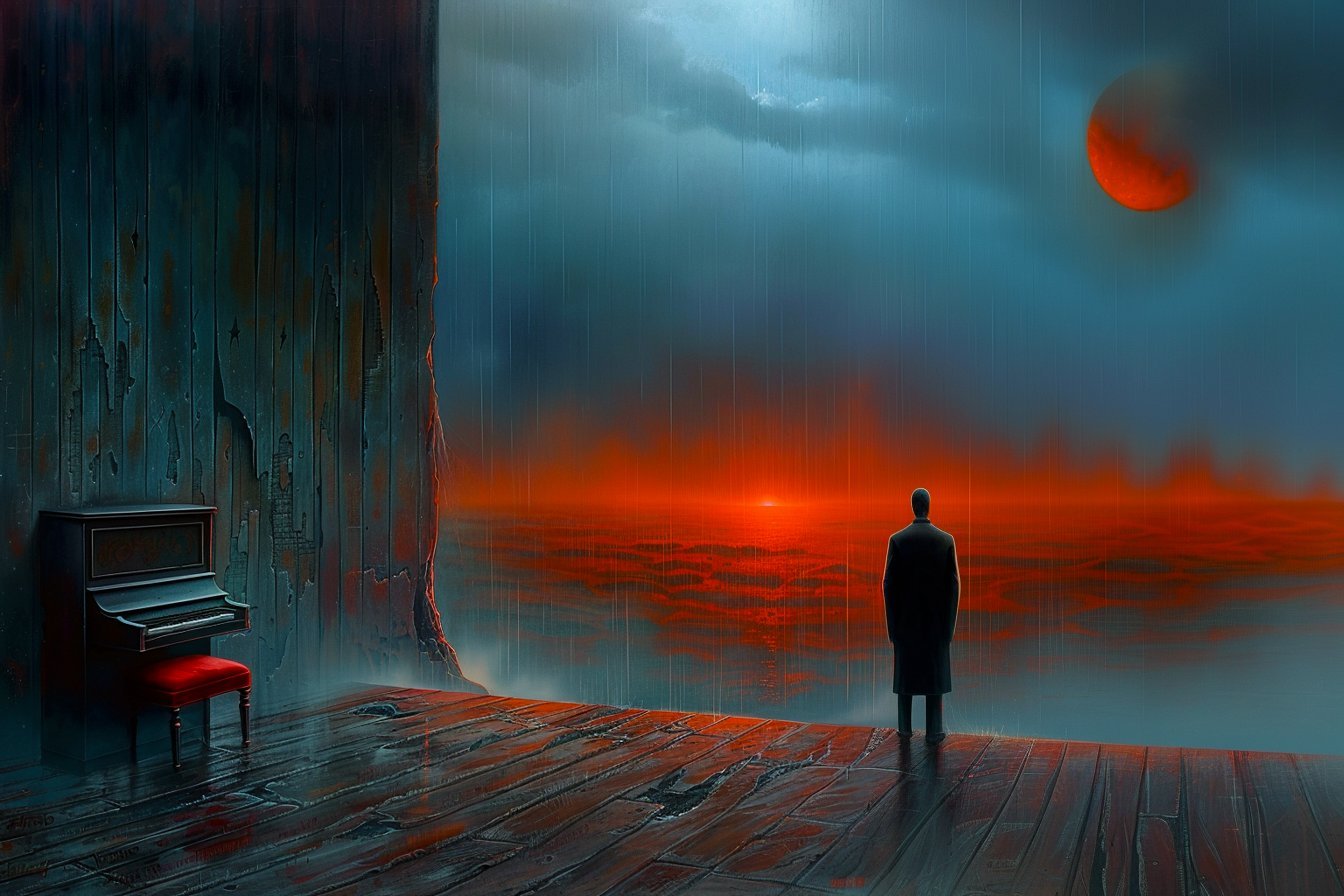
The wall
What type of prompts do you prefer: text or AI-generated descriptions through fed images?:
Depends on the platform. I will often try multiple approaches.
When prompting with text, do you write simple text-based prompts or complex ones?:
This question takes me back to my darkroom days, where experimentation was the key to unlocking creativity. I prefer starting with simple text prompts, usually just a word or two, and then diving into a process of playful experimentation. It’s much like adjusting chemicals and exposure times in the darkroom—I tweak factors such as style, aspect ratio, lighting, and more, constantly refining until the image evolves into something compelling. While AI-generated descriptions from fed images can be interesting, the raw spontaneity of starting with a simple prompt and exploring from there keeps the creative process dynamic and full of surprises.
Do you think text-based prompts should be shared within the AI art community?:
I don't think anything should be shared without permission. I like to see originality rather than copying. Be inspired by others rather than trying to duplicate their work.
What is the most unconventional method you have used to create an image?:
Whatever you could imagine, I have tried it. My workflow involves using Adobe Generative Fill as a final step in most cases.
I’ve experimented with a variety of unconventional methods over the years, from making my own emulsions to building pinhole cameras and beyond. It’s all part of the journey—because while anyone can create an image, creating a truly beautiful one requires a deep understanding of the process, a willingness to get your hands dirty, and a lot of patience. These unconventional approaches taught me that artistry often lies in the unexpected and the imperfect, pushing me to explore the boundaries of what’s possible with every new technique.
How many images you have generated using AI technology?:
With Midjourney, 121,756 images
With other AI generators, I don’t really know…
The Man
Please share your X (Twitter) handle with us.:
Tell us a bit about your X handle and X username.:
It is what I have been know as for many years.
How many X followers do you currently have?:
A little over 11,500.
How many X accounts do you currently follow?:
3,271
How long have you been on X (Twitter)?:
14 years.
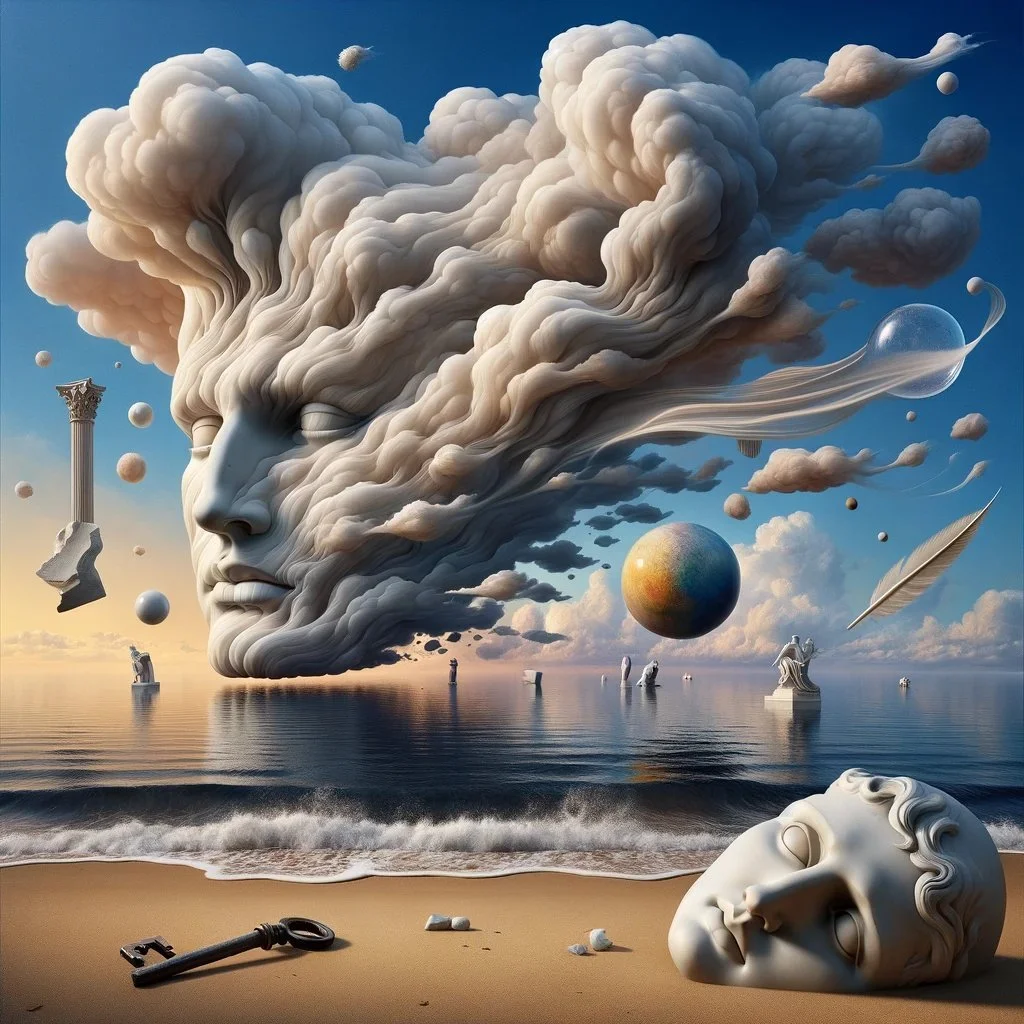
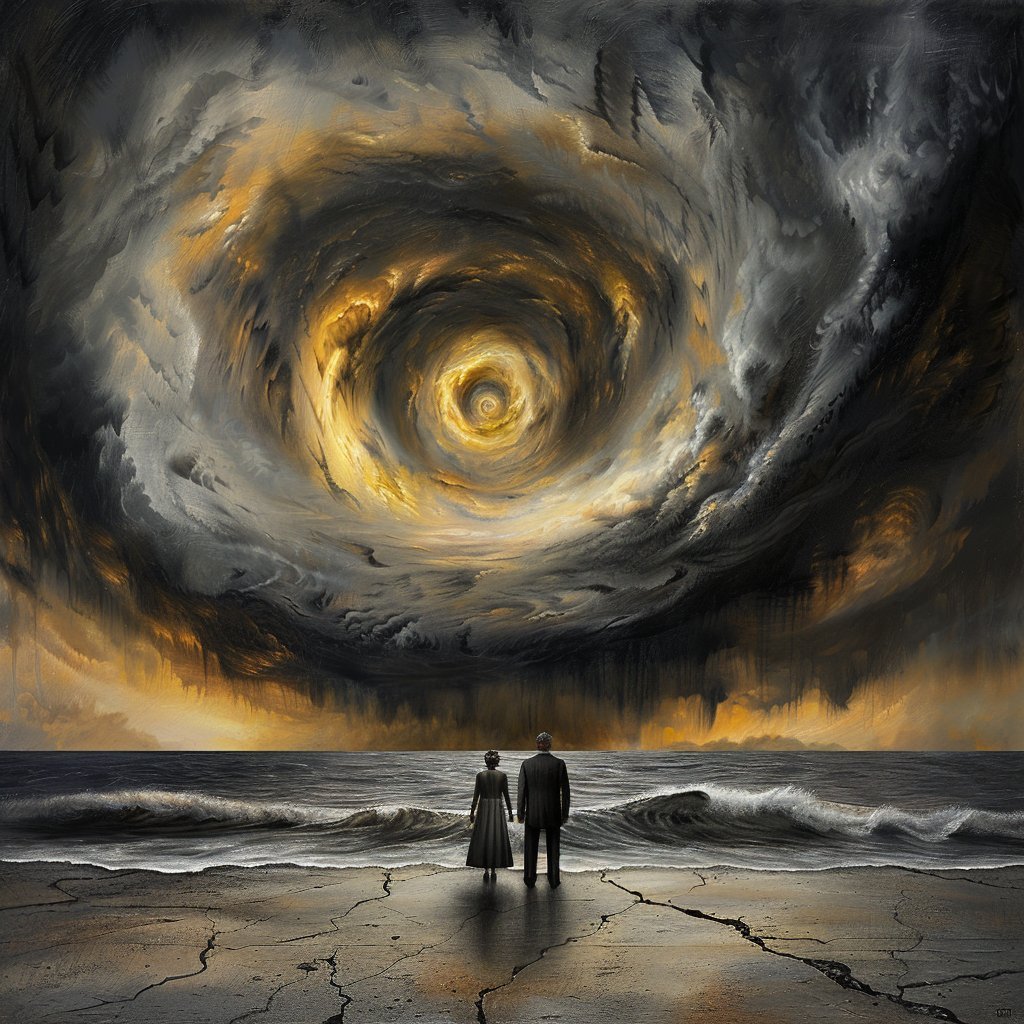
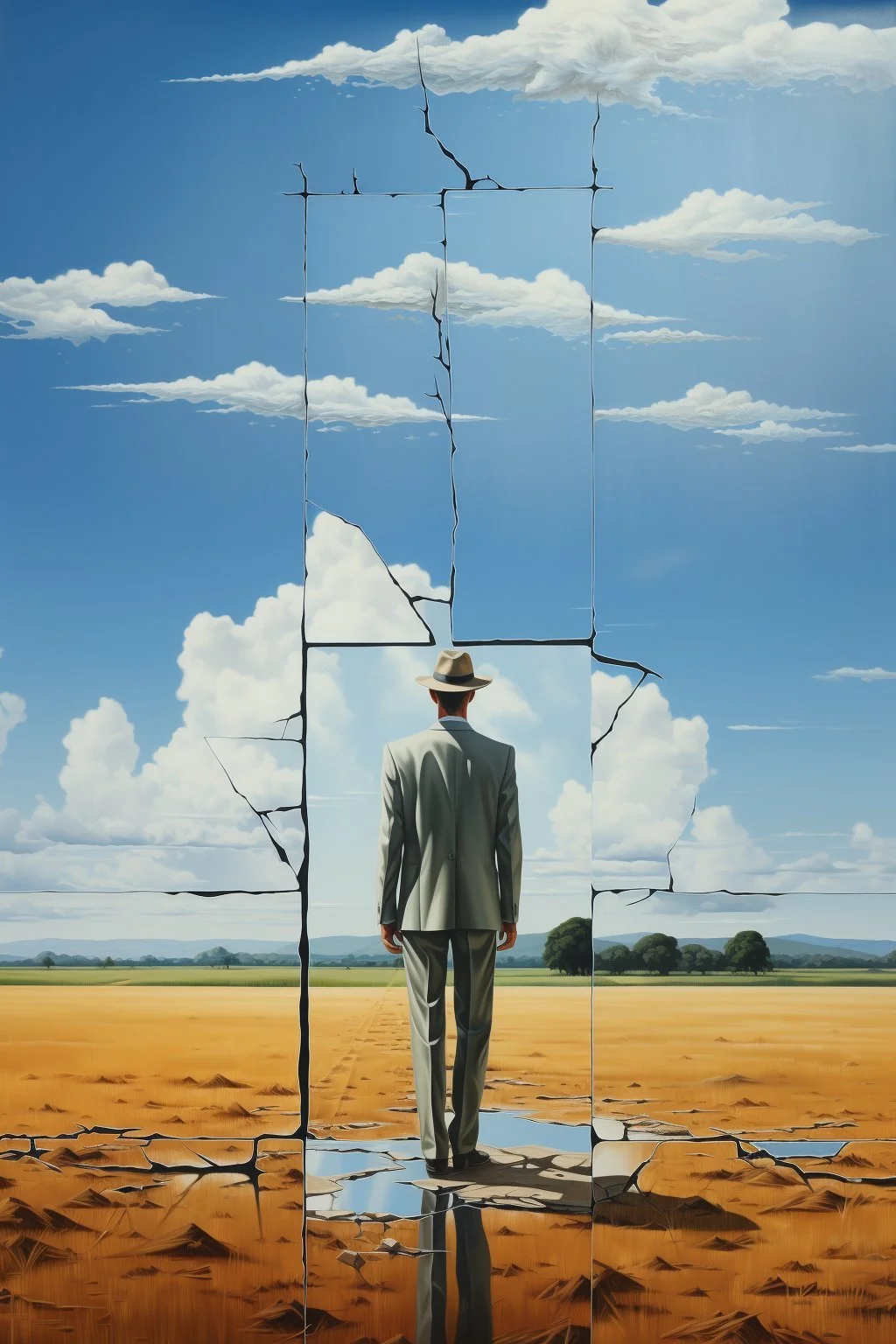
As above, so below
Is there any other online platform where we can view all of your previous work apart from X?:
While I’m on most social media platforms, including Bluesky, I rarely post anywhere but X. Lately, though, I’ve been making an effort to share more on Threads, exploring it as a space to connect with new audiences. While my presence is scattered across various platforms, X remains my main hub for sharing my work and engaging with my followers.
In this world of cryptocurrencies and non-fungible tokens (NFTs), are you currently selling your digital art on any platform? If so, which platform are you using?:
You can find me on OpenSea.
Are you selling tangible AI-generated artwork, such as high-quality prints like Giclée prints?:
I’m often asked about printing—because even in this increasingly digital world, people still crave something tangible to hang on their walls. What many don’t realize, however, is that printing can be surprisingly expensive. Beyond the cost of the print itself, there are often hefty shipping charges to consider. That’s why I always make sure my clients are fully aware of the potential extra costs upfront.
There’s also the technical side of printing that many overlook. It’s not just about pressing ‘print’—one must consider how well an image upscales, the medium on which it will be printed, and the level of archival quality the client expects. These factors play a huge role in the final product's look and longevity.
That said, I do have a client who takes a different approach. He’s had me create various themed galleries, but then he prints out 6 x 4 images at Walmart. It’s not exactly the gallery-quality finish I usually aim for, but hey, to each their own. I occasionally entertain the idea of doing the printing myself, perhaps even setting up a small operation again. But then I remember the long hours I’ve already spent in darkrooms, inhaling chemicals and finessing prints by hand. I’ve served my time in that world, and for now, I’m content to leave it behind—at least until the allure of it calls me back.
Could you suggest some AI artists you like that we could follow?:
Follow those whose art you like.
Is there anything else you would like to add or share with the AI community?:
For some, it’s all about the follows or competing with others, but for me, it’s always been about the art itself. I find immense joy in scrolling through my X feed, immersing myself in the sheer beauty and raw energy of creation that flows through the community. There’s something profoundly inspiring about witnessing others push the boundaries of their craft. Art might sometimes manifest as dark or intense in its outward expression, but at its core, it’s about finding joy in the act of creating—joy in experimentation, exploration, and the courage to share a piece of yourself with the world. In the end, art is not merely about what we produce; it’s about the passion, freedom, and sense of connection we discover in the process.
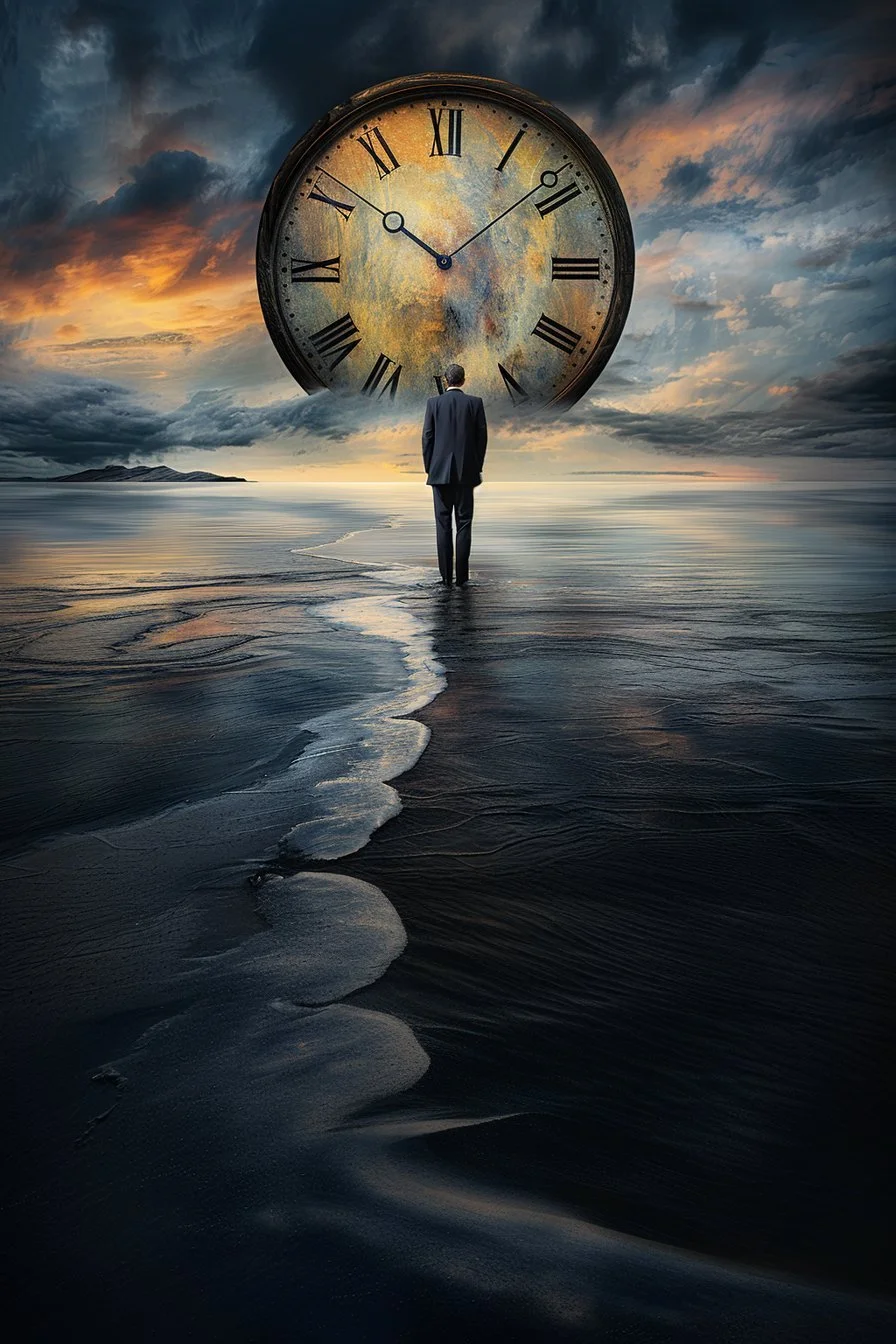
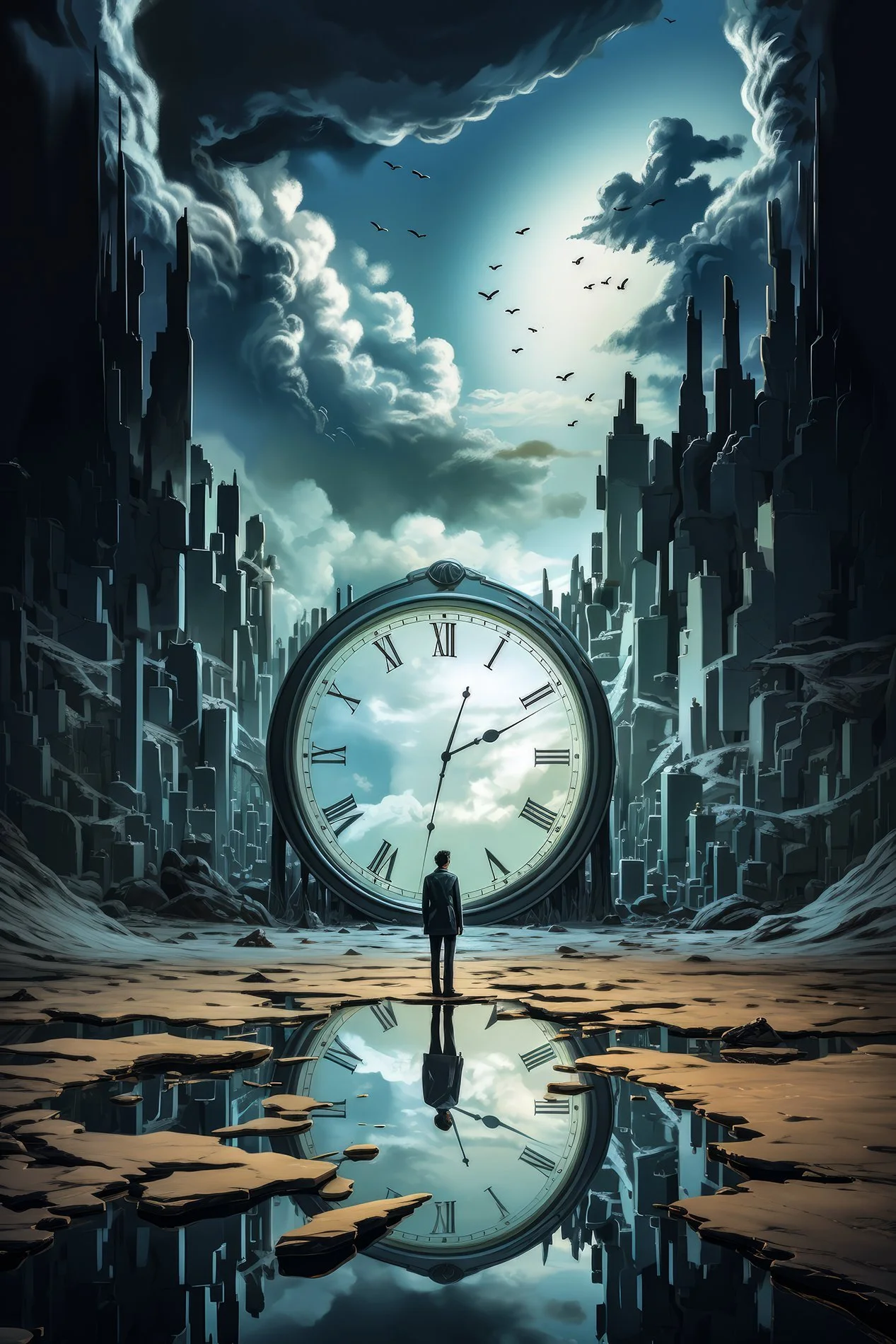
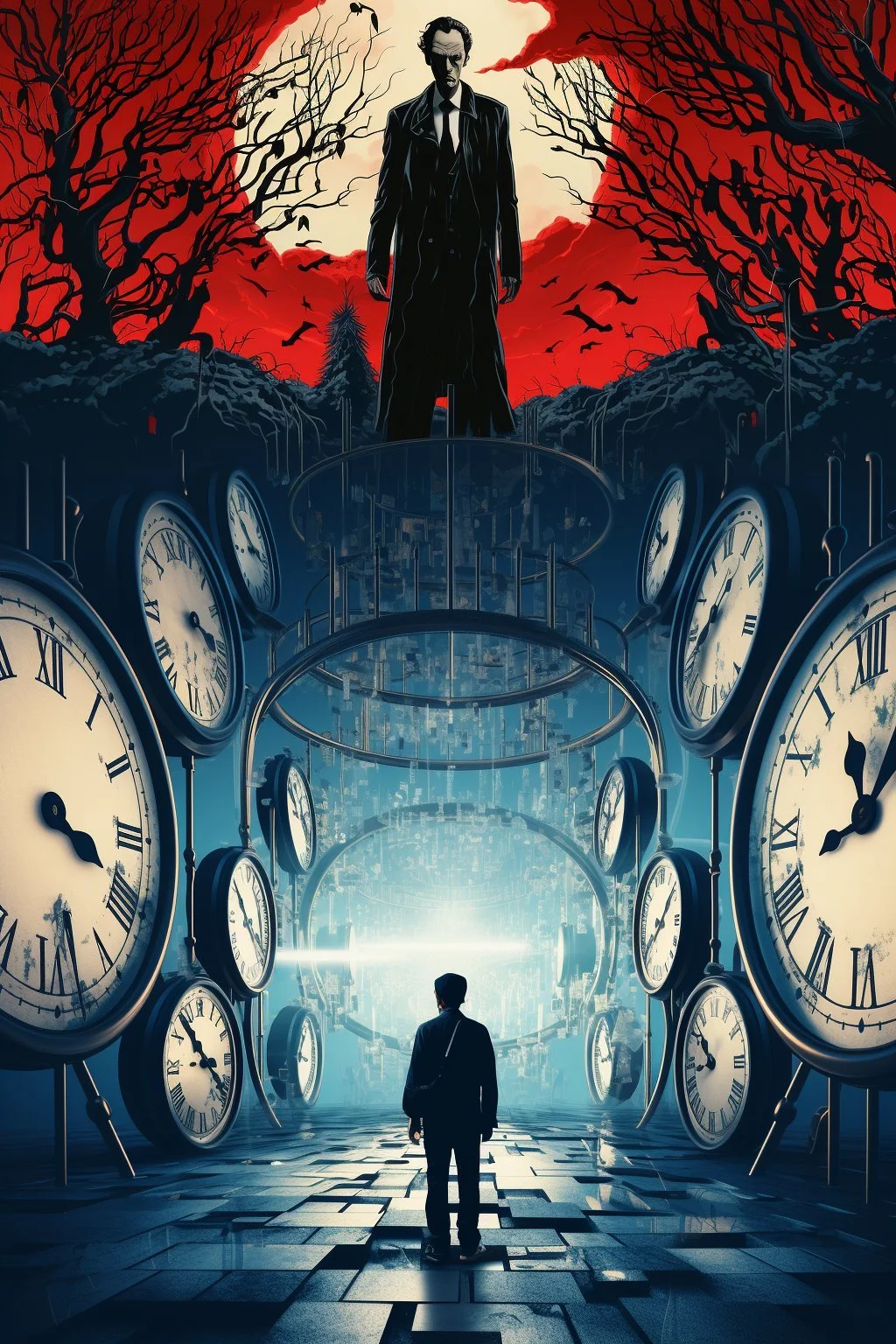
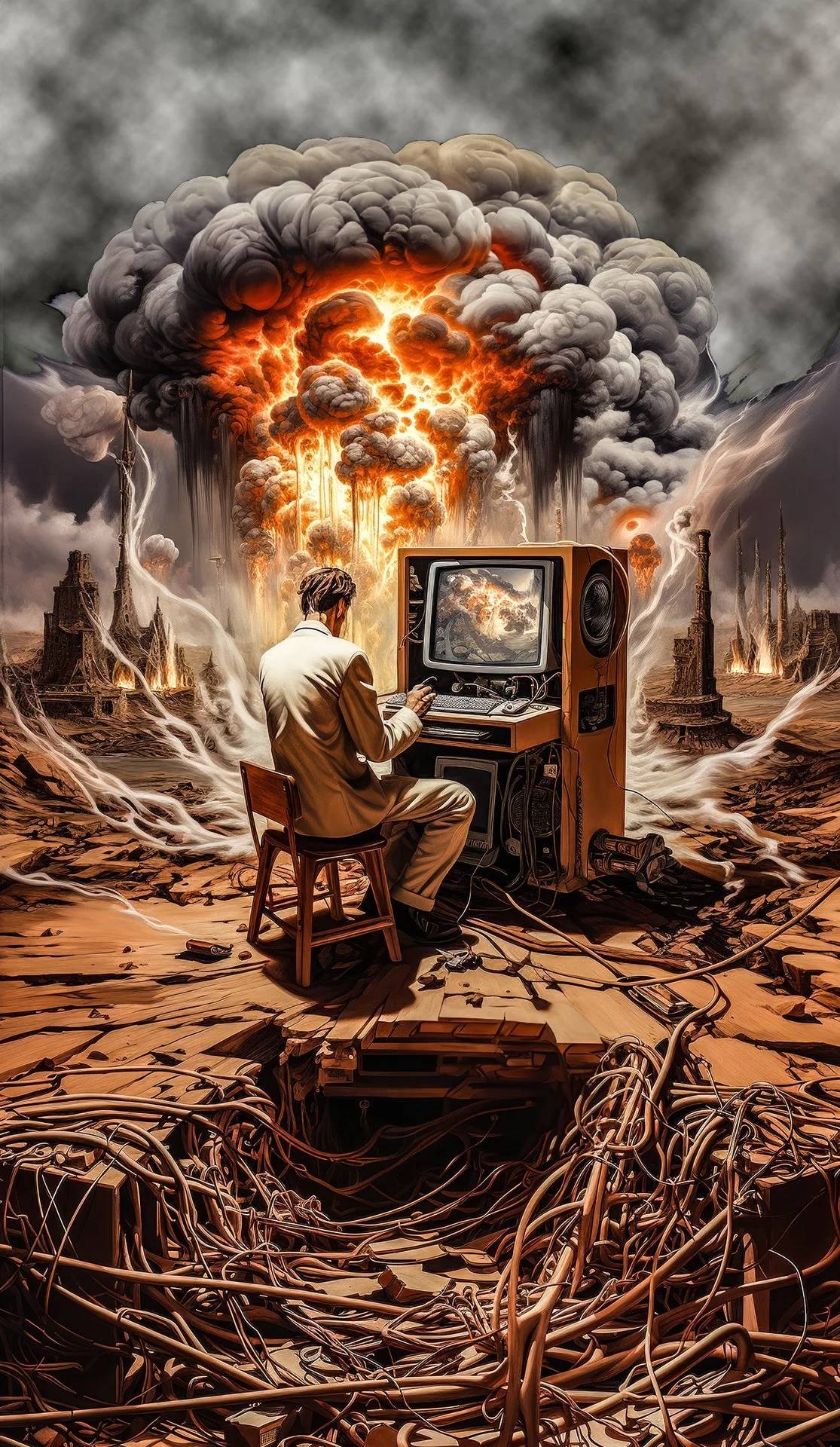
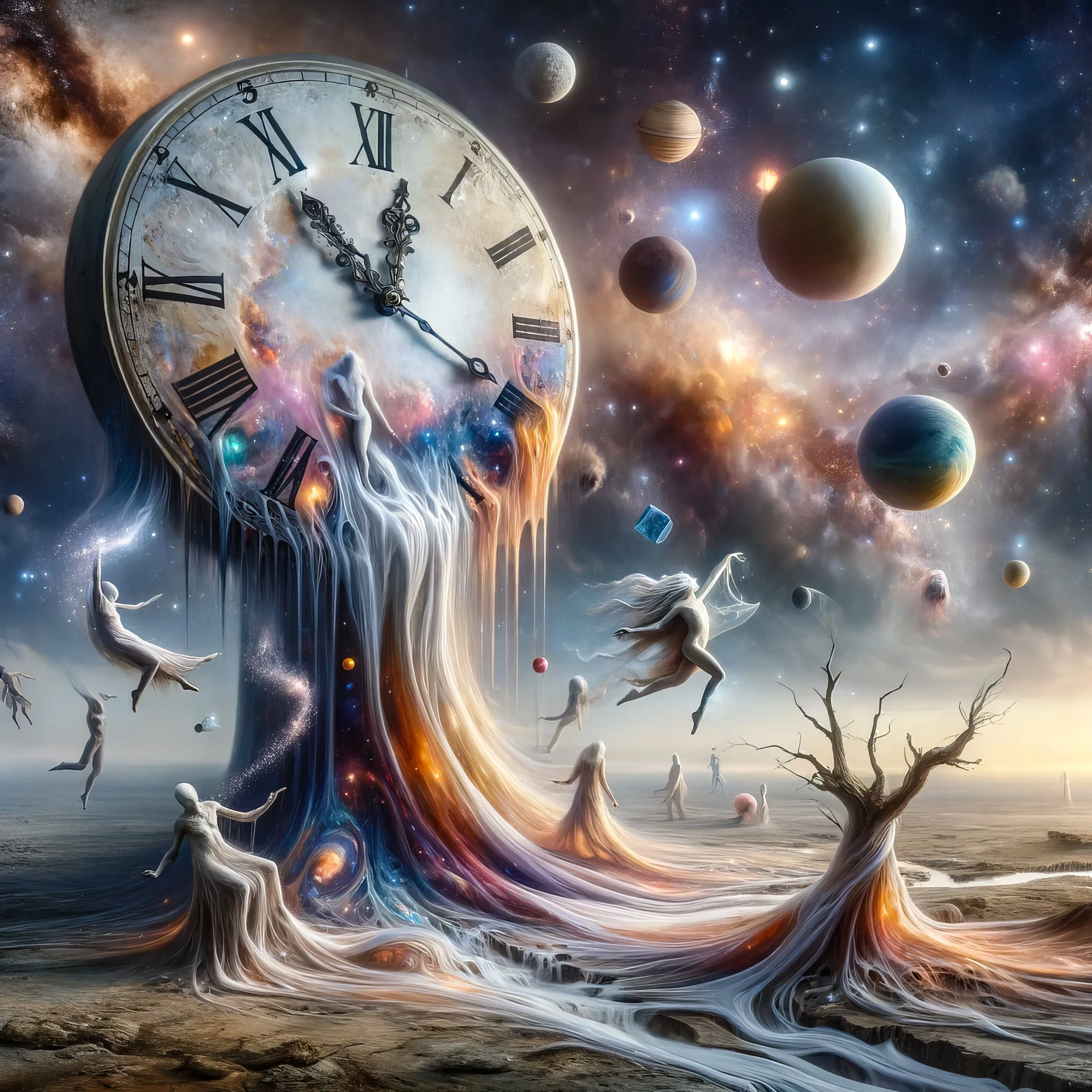
Time travel
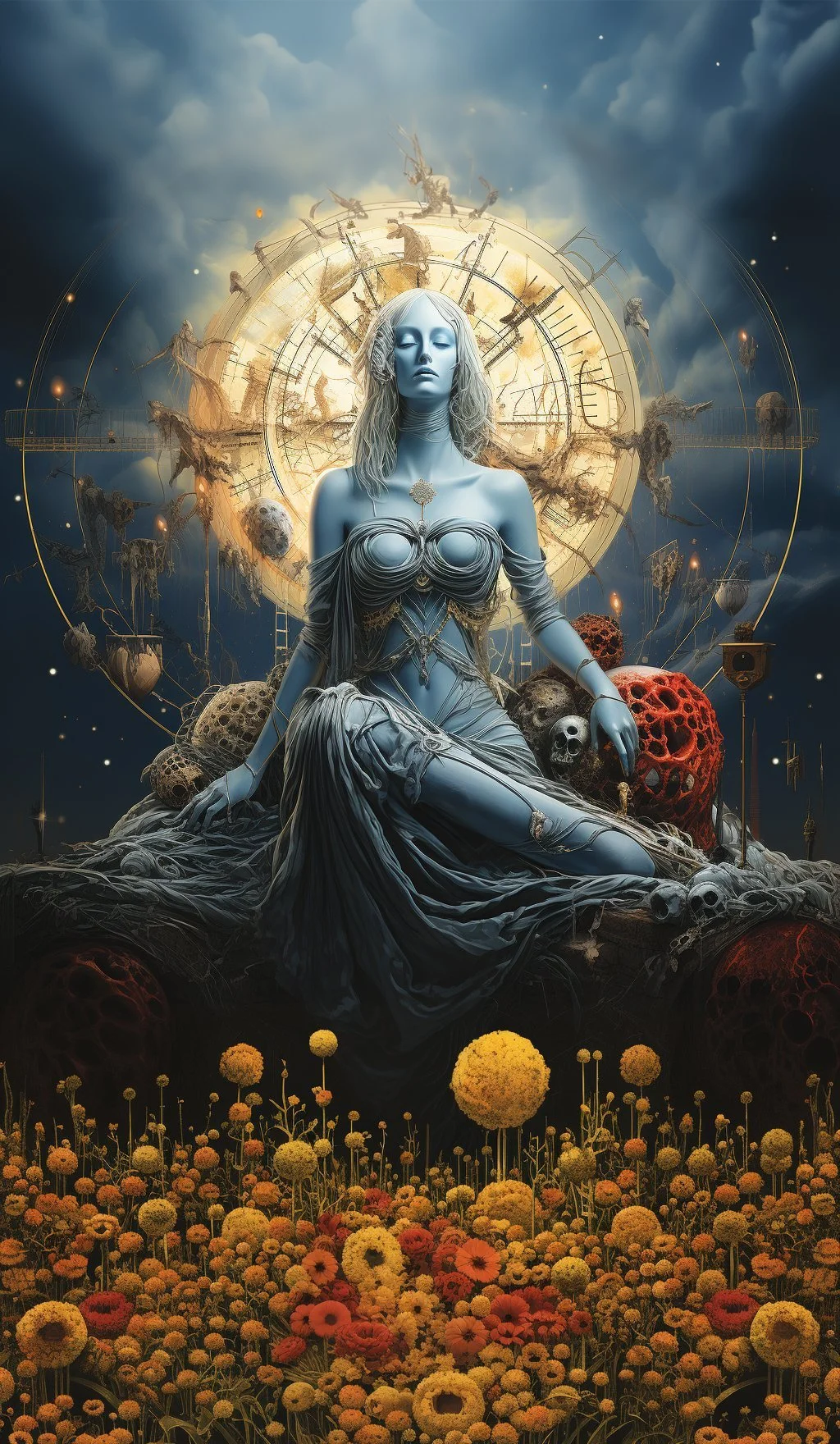
More fantastic imagery from John Harvey
Follow him @digitallywired