The MITRA Interview
A conversation with AI Artist MITRA, aka @MITRA200 on X
INTERVIEW CONDUCTED ON JANUARY 3, 2025
ALL IMAGES BY MITRA ARE GENERATED USING MIDJOURNEY AND LEONARDO UNLESS STATED OTHERWISE
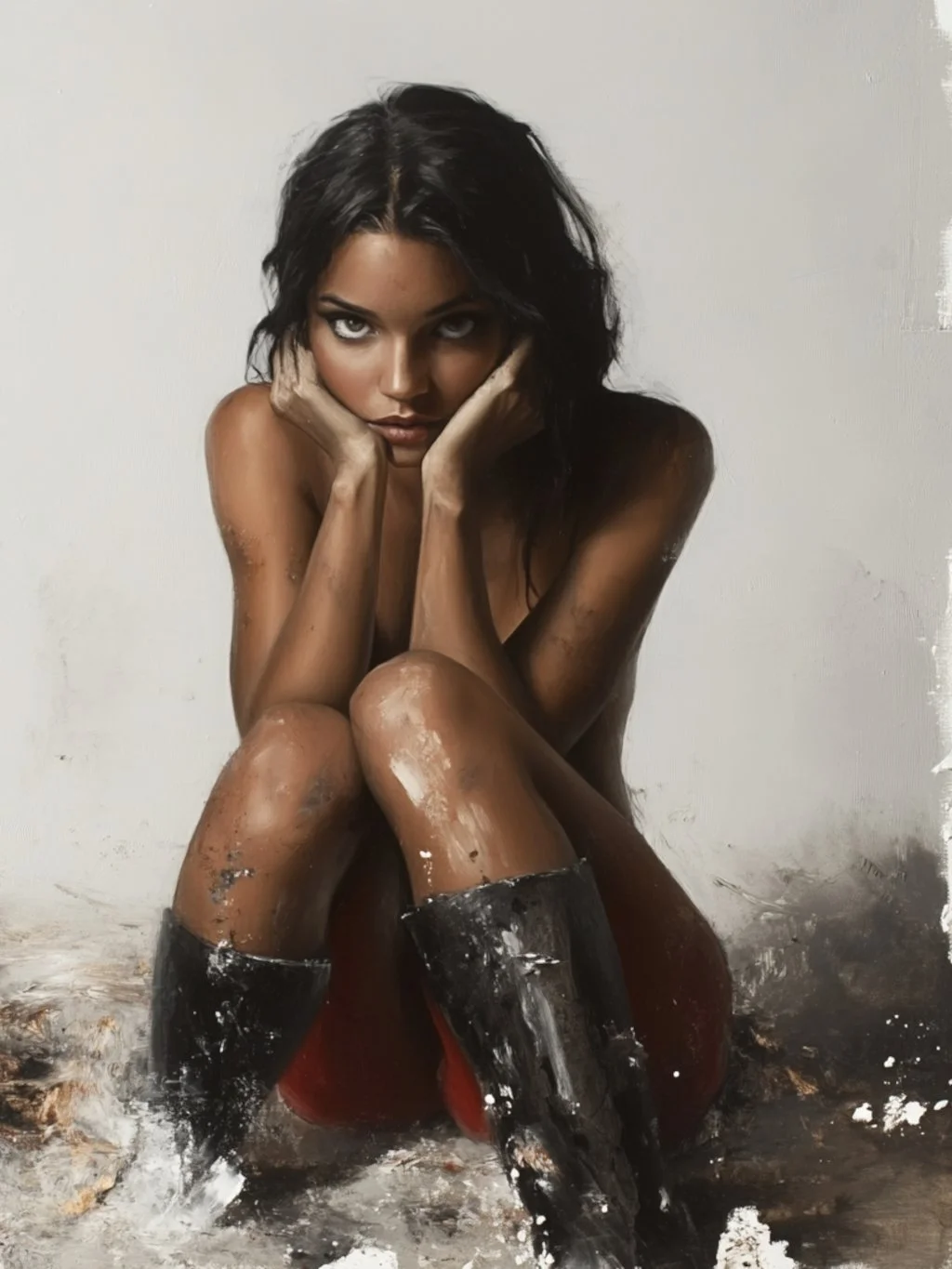
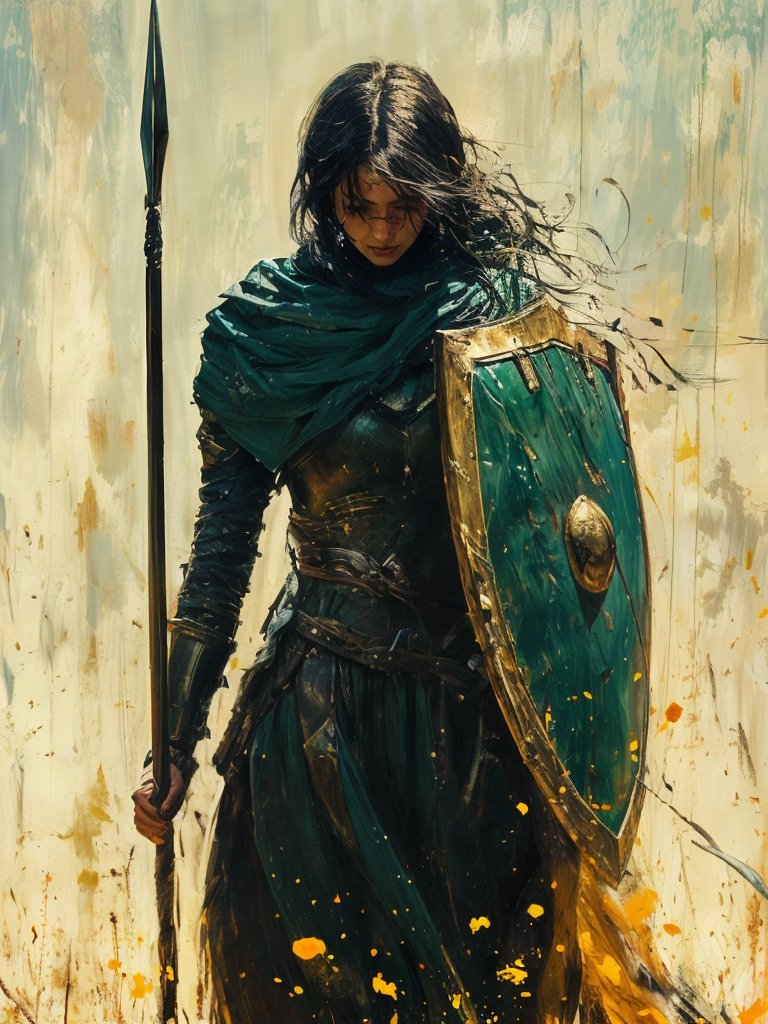
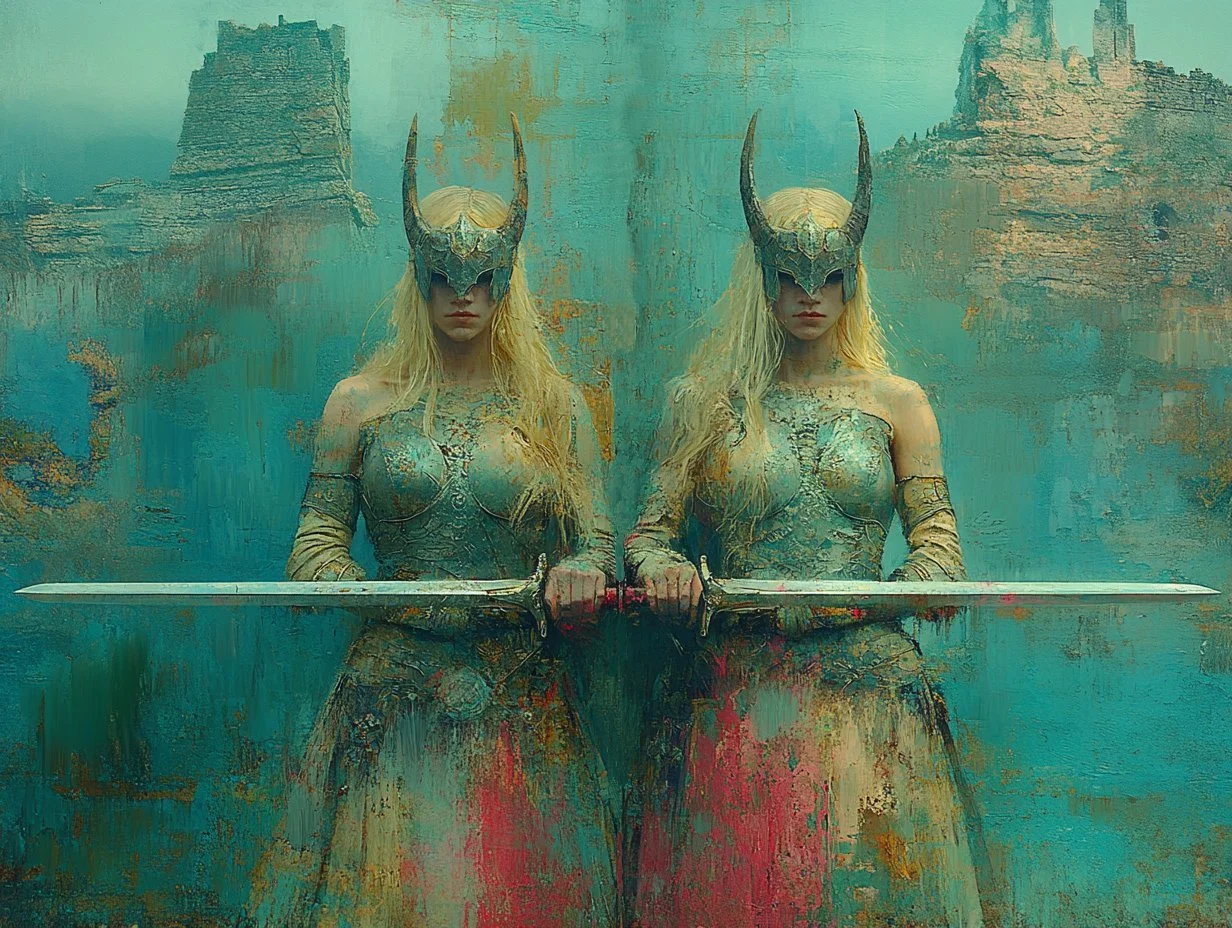
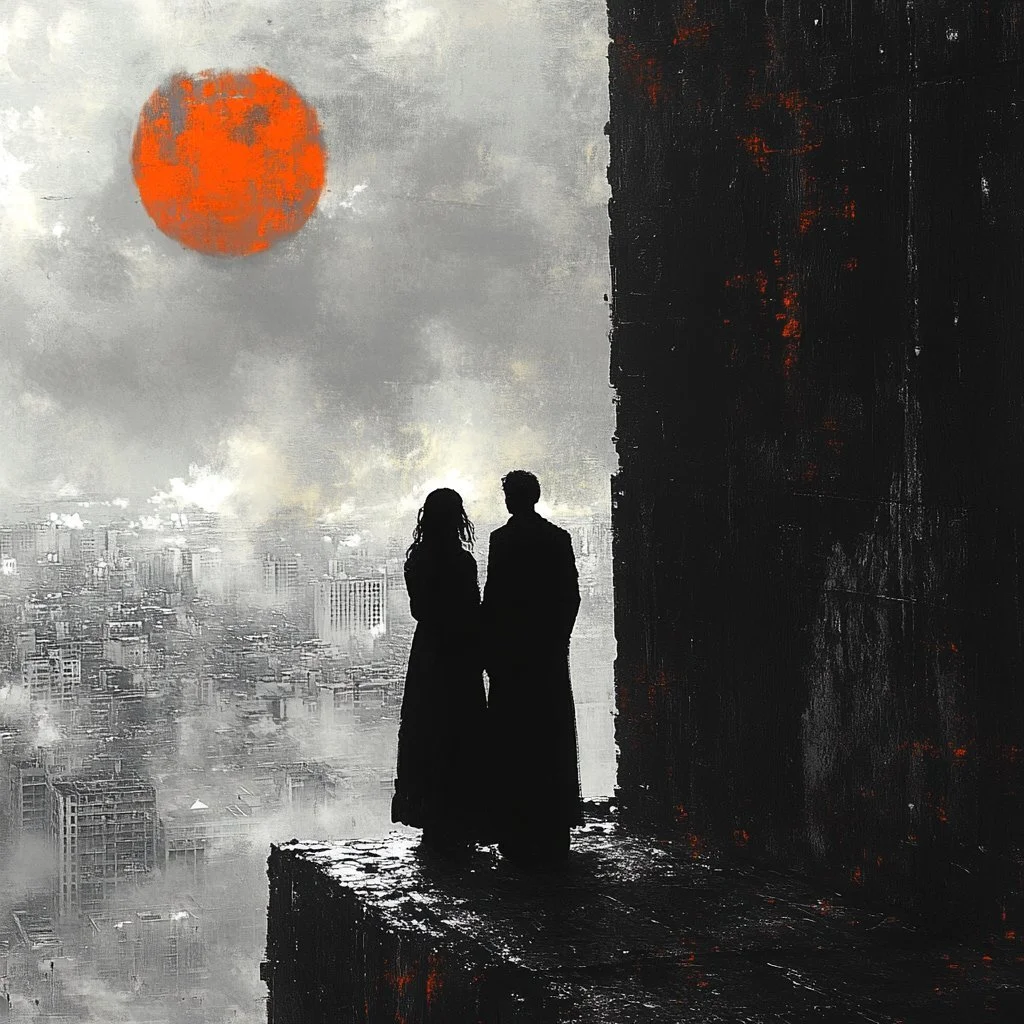
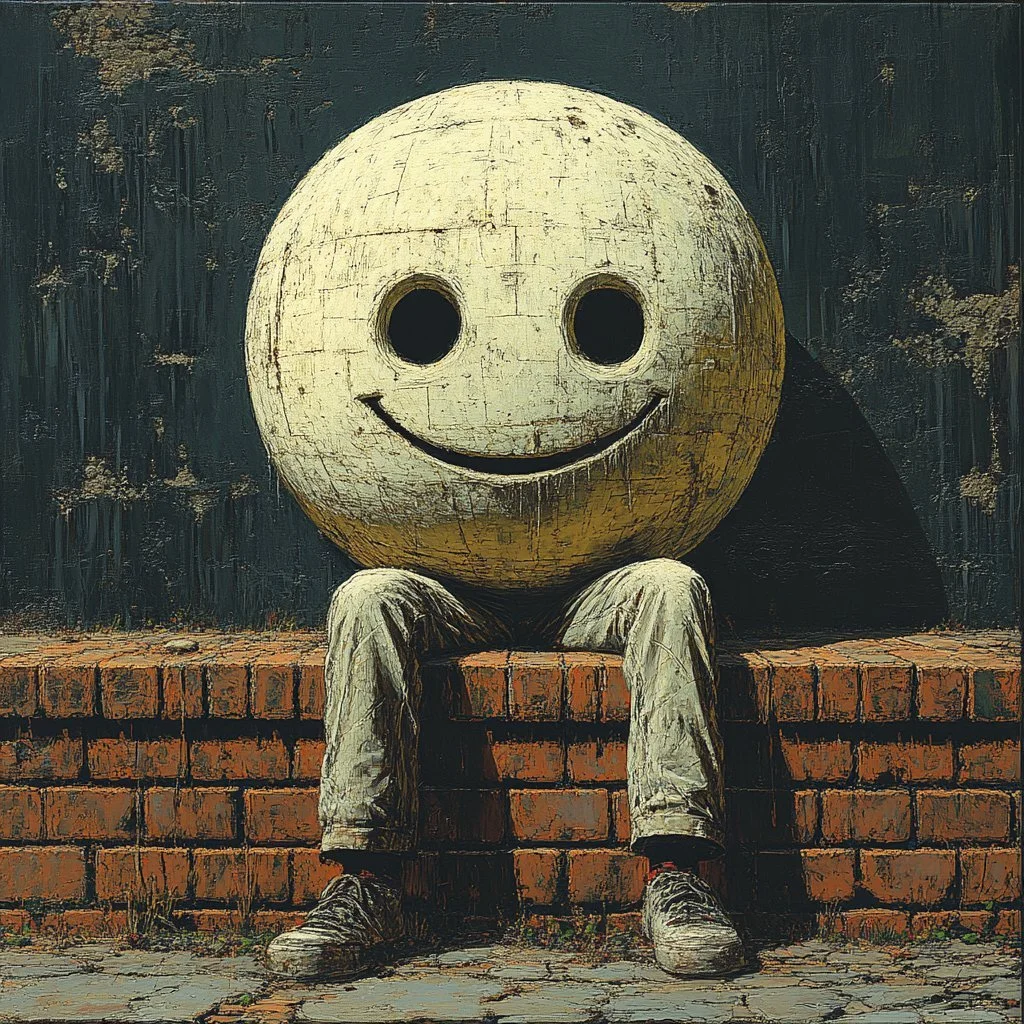
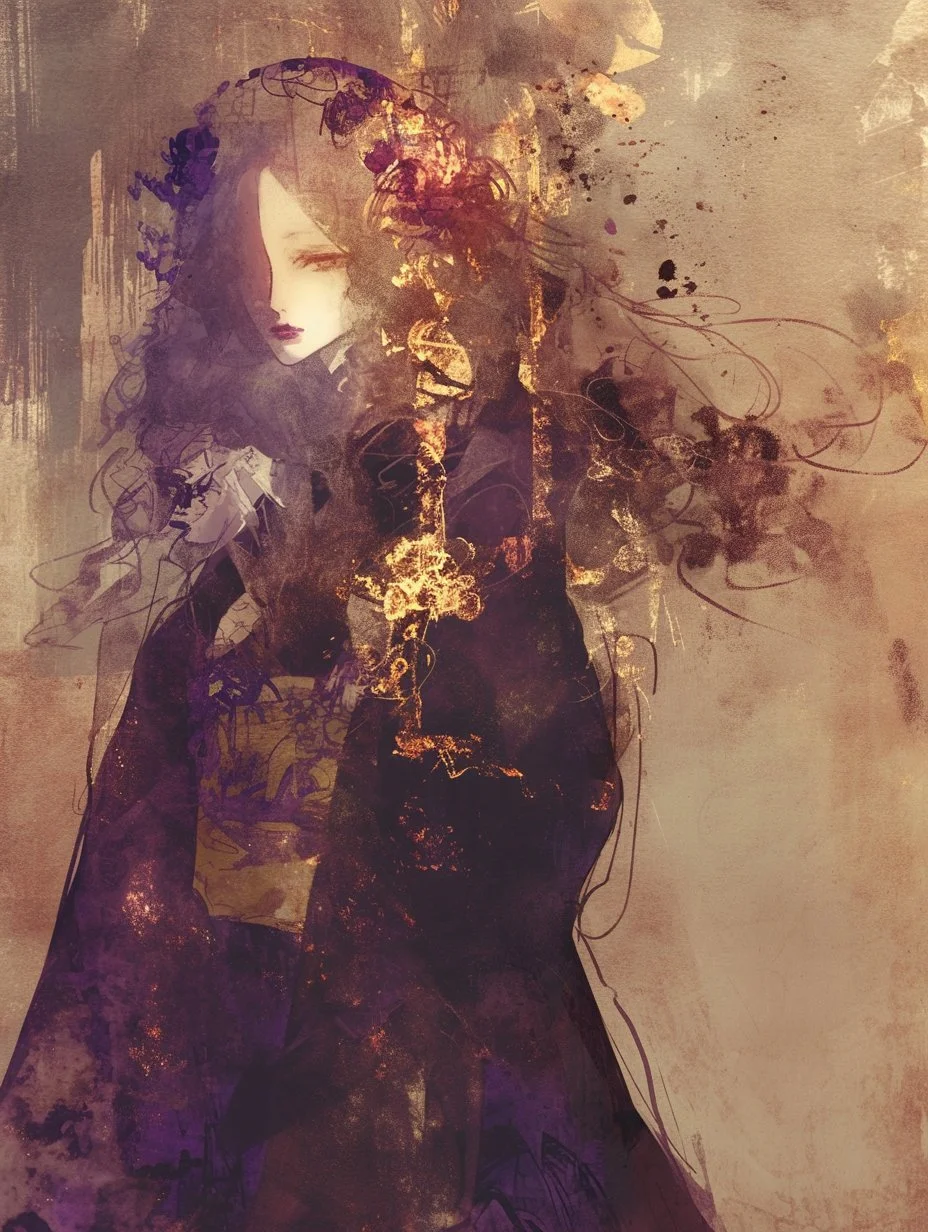
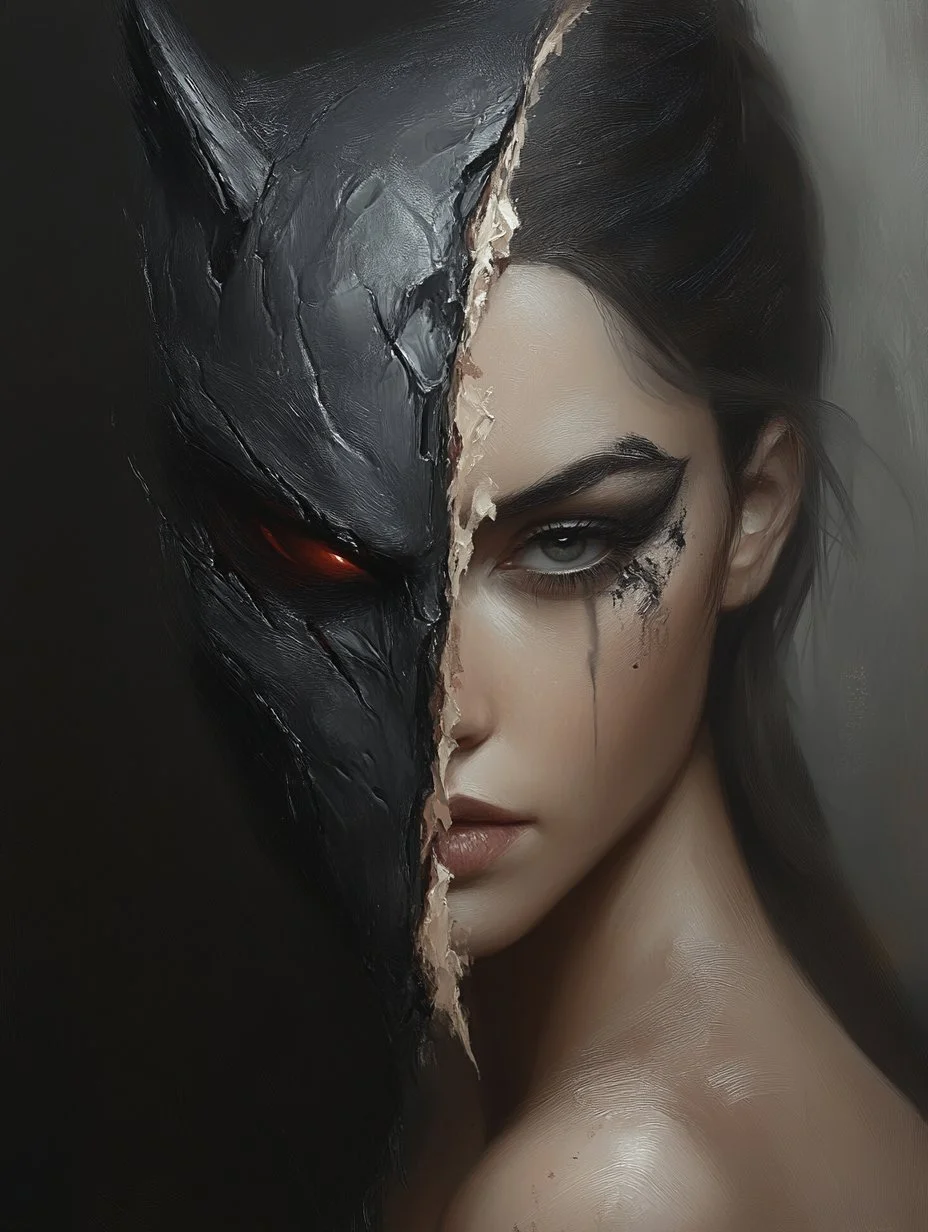
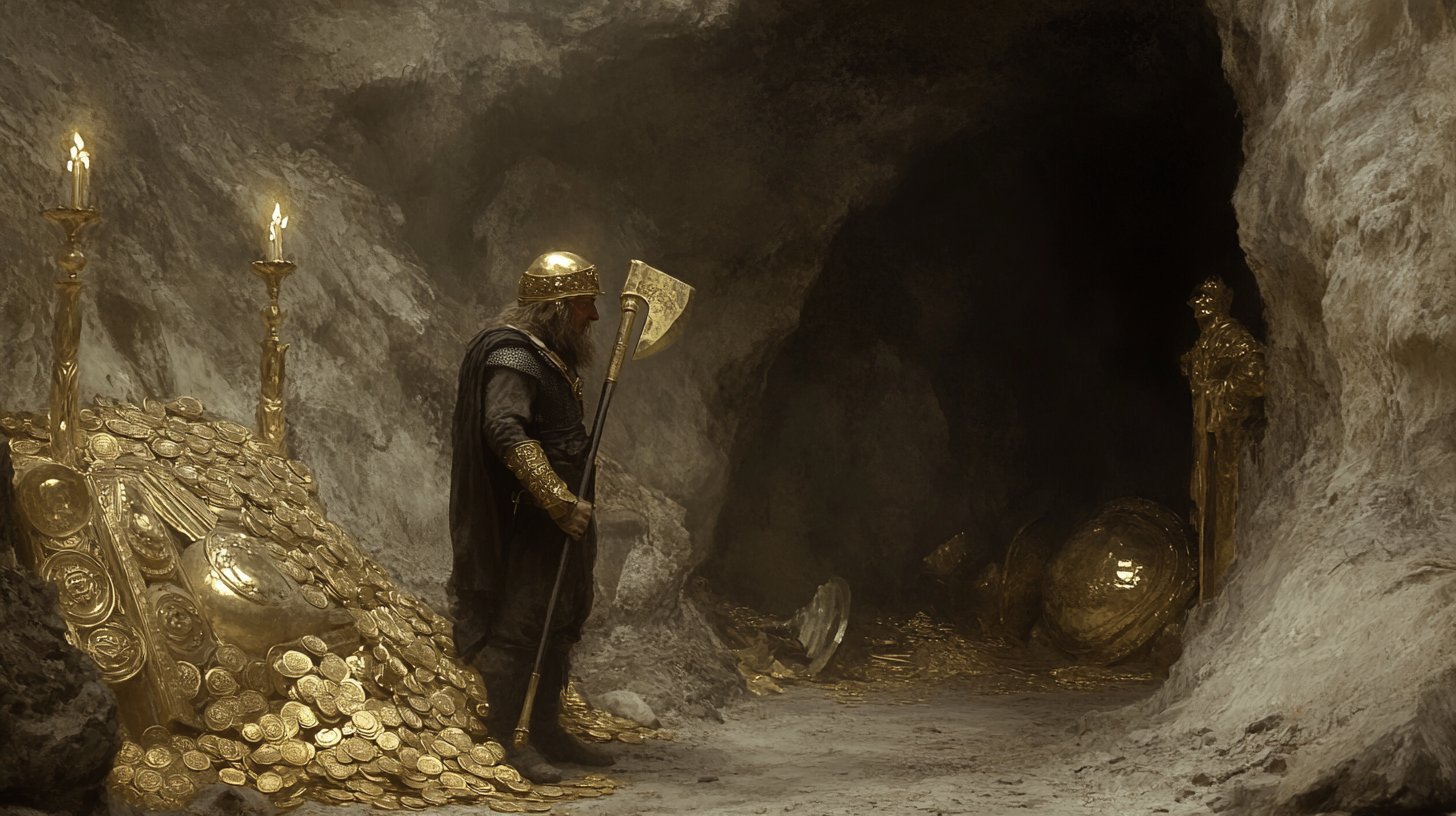
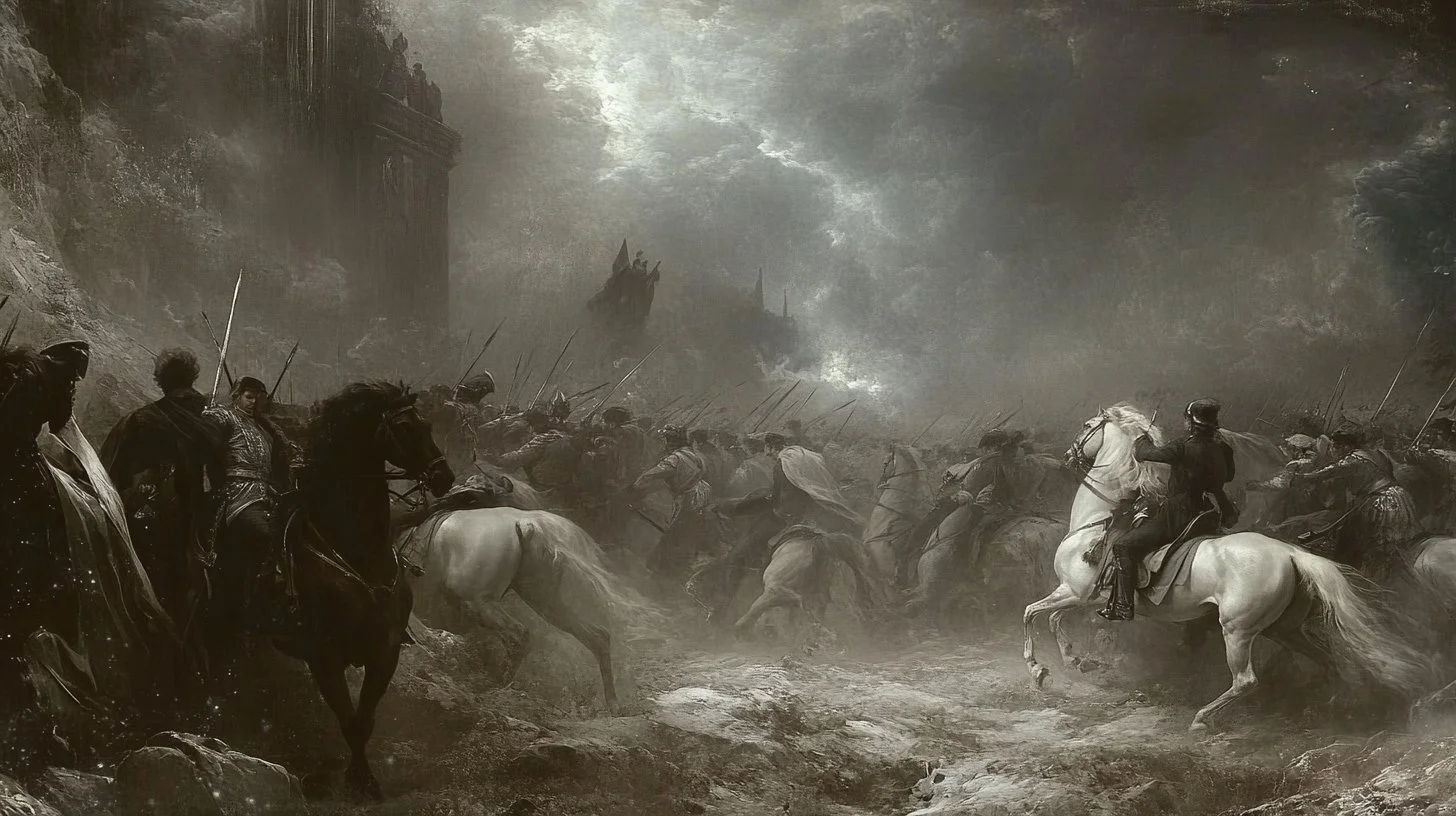
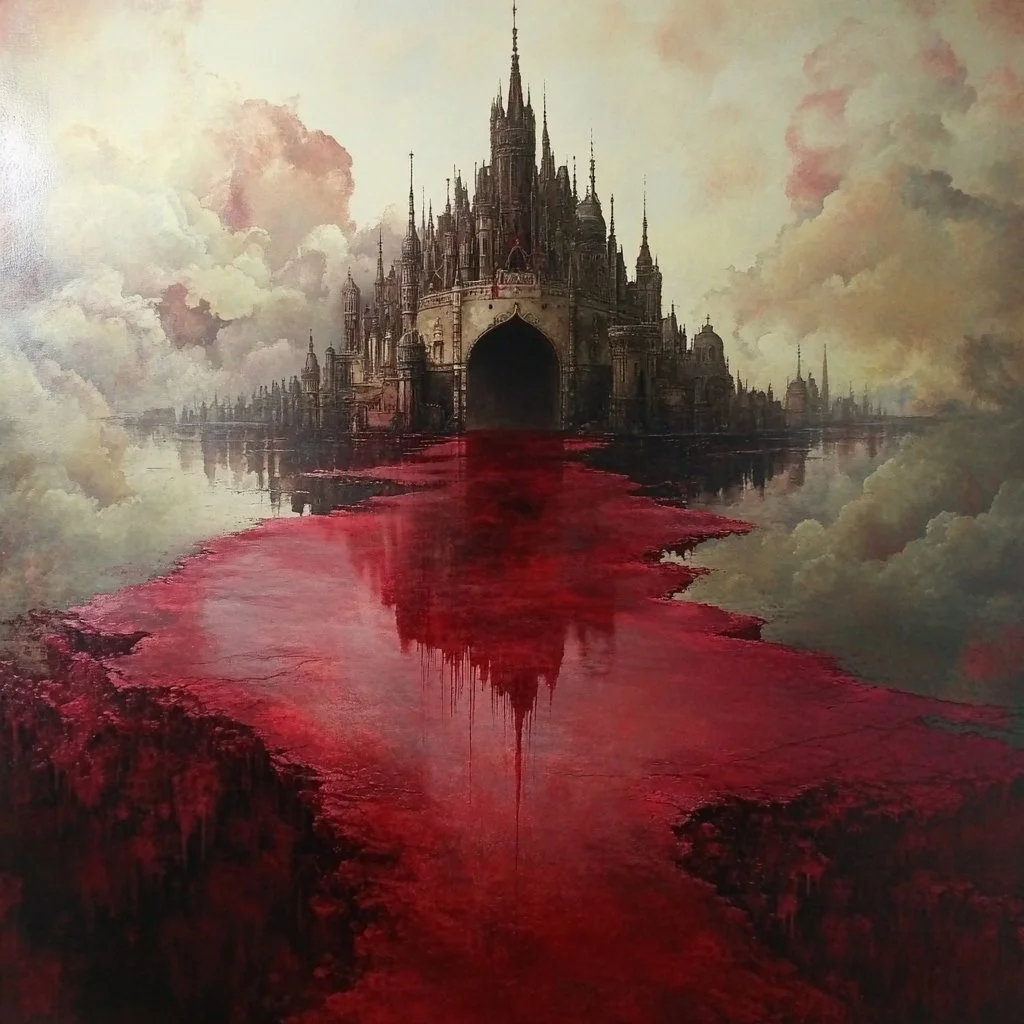
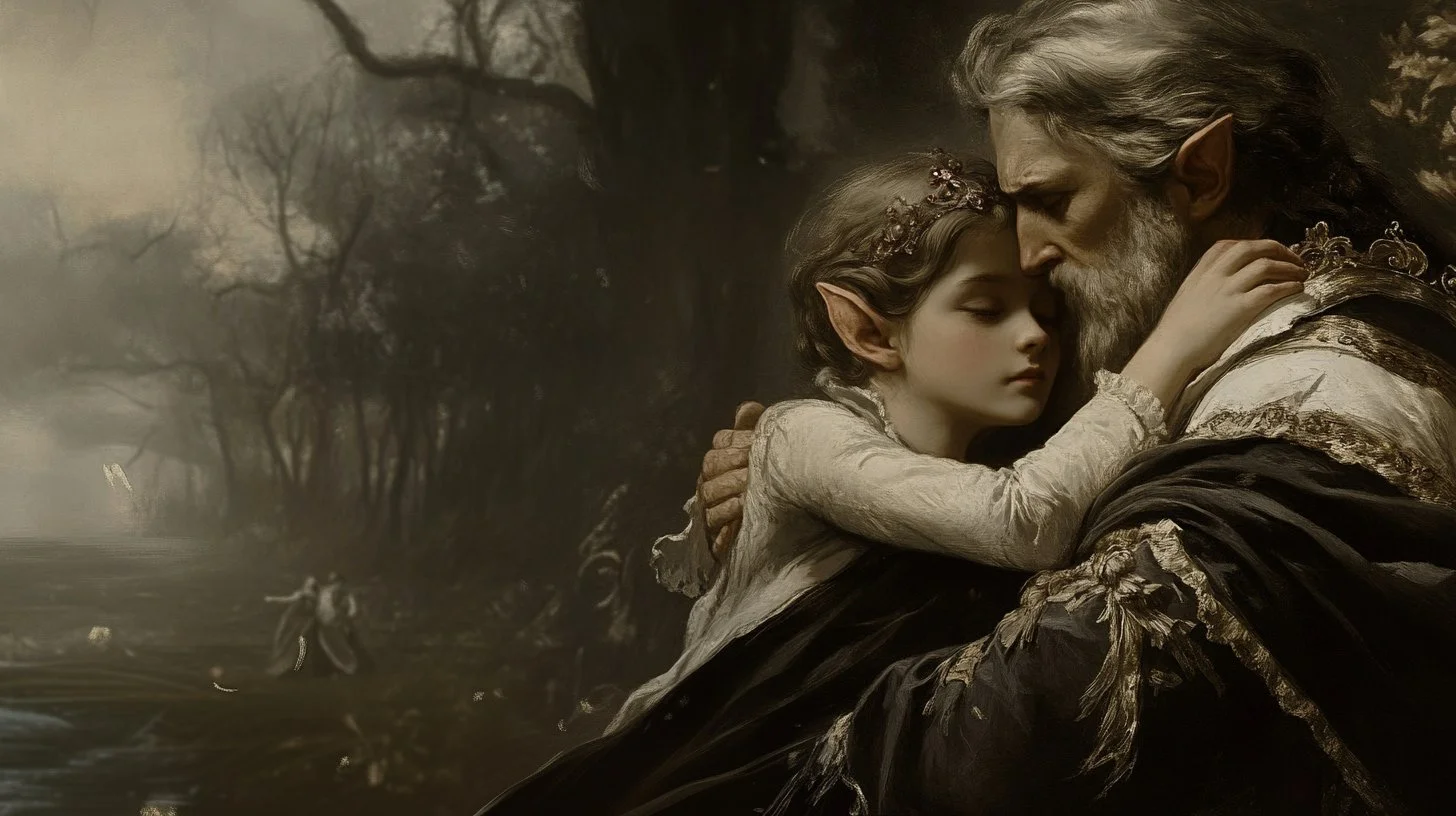
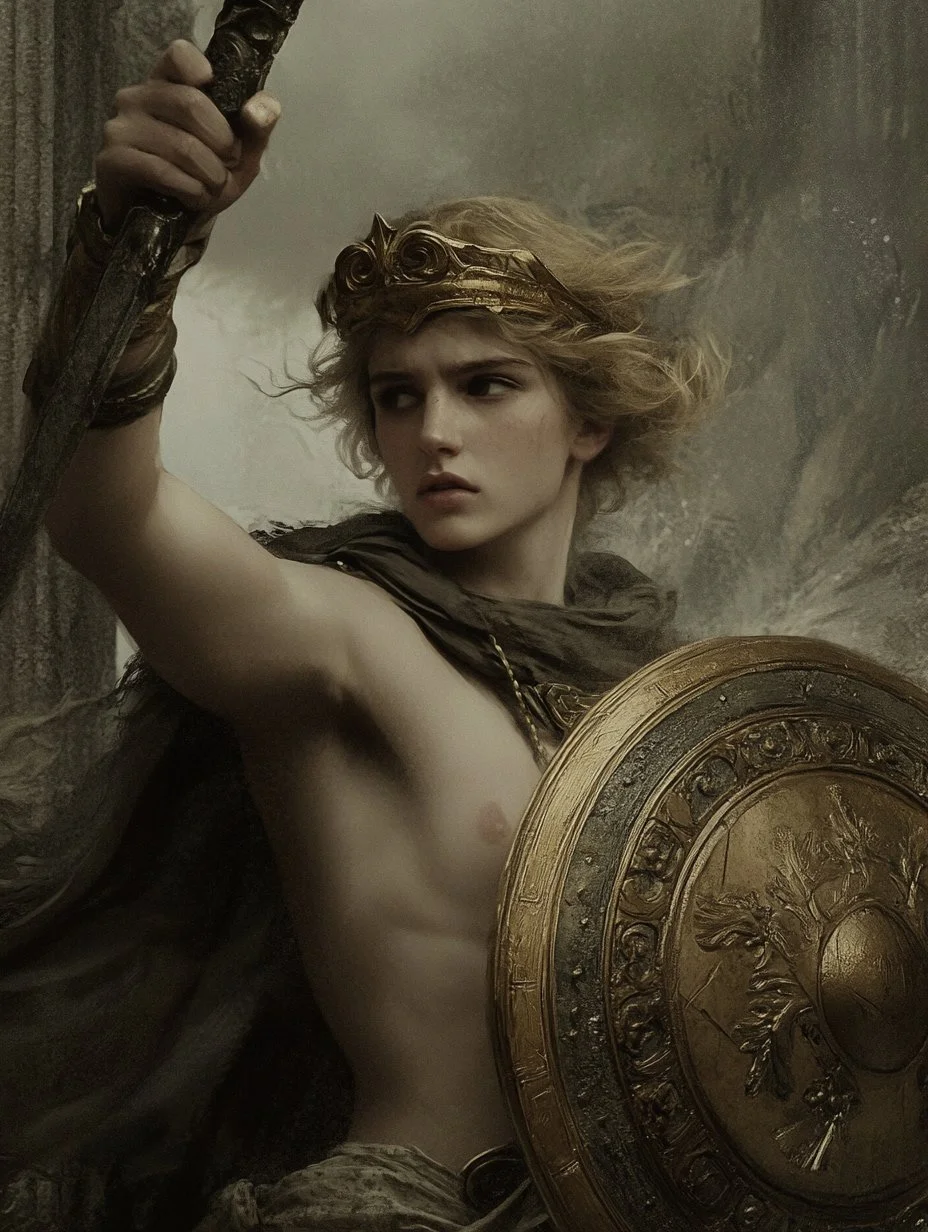
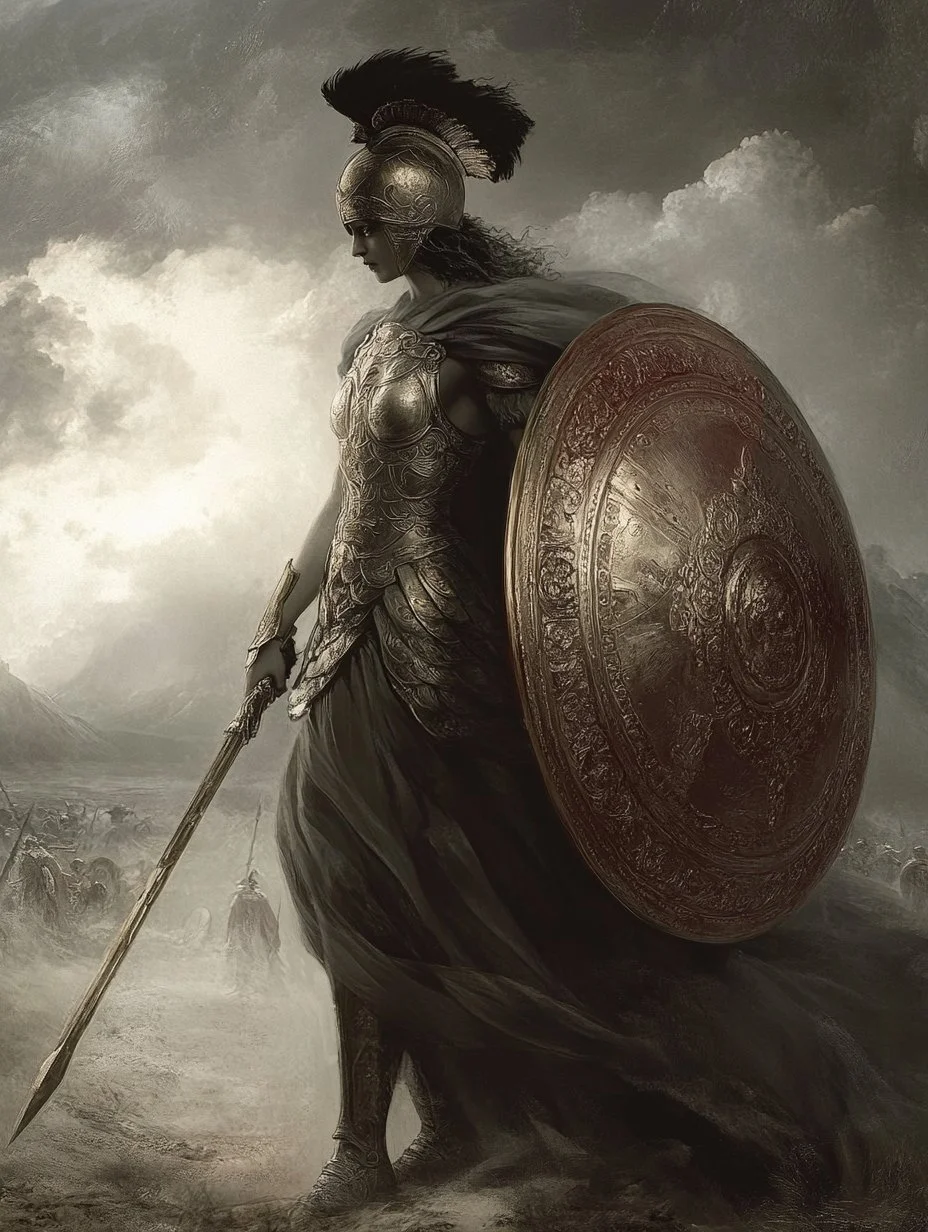
A world of ancient fables, twisted labyrinths, and cosmic musings unfolds in the art of Mitra, a former analog and digital illustrator now exploring the limitless potential of AI. With a self-described grumpy demeanor but an artist’s relentless curiosity, he crafts fantasy and surreal landscapes that feel both timeless and profound. His works are not just paintings; they are portals to mythic realms, where the weight of history, philosophy, and imagination converge.
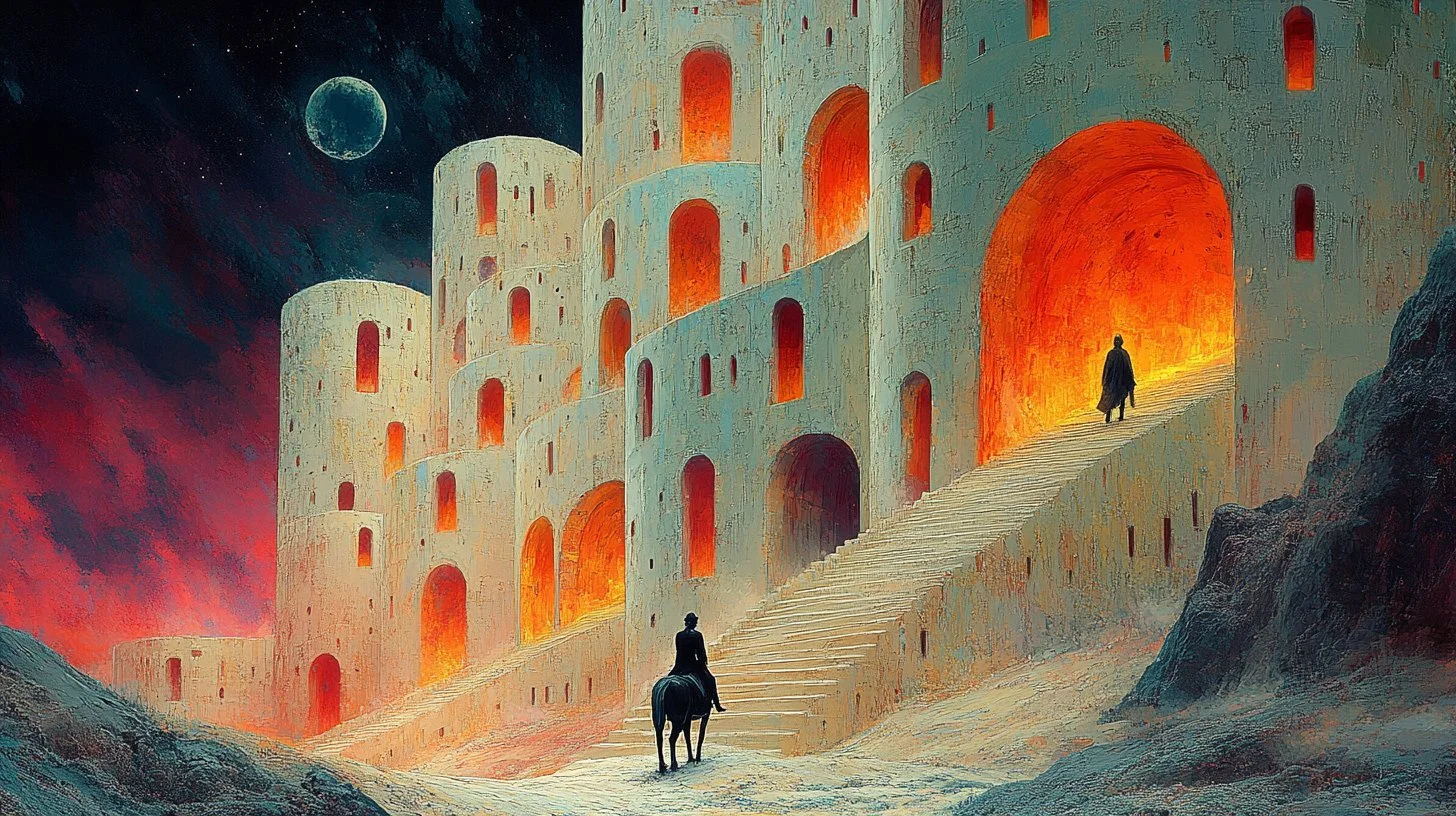
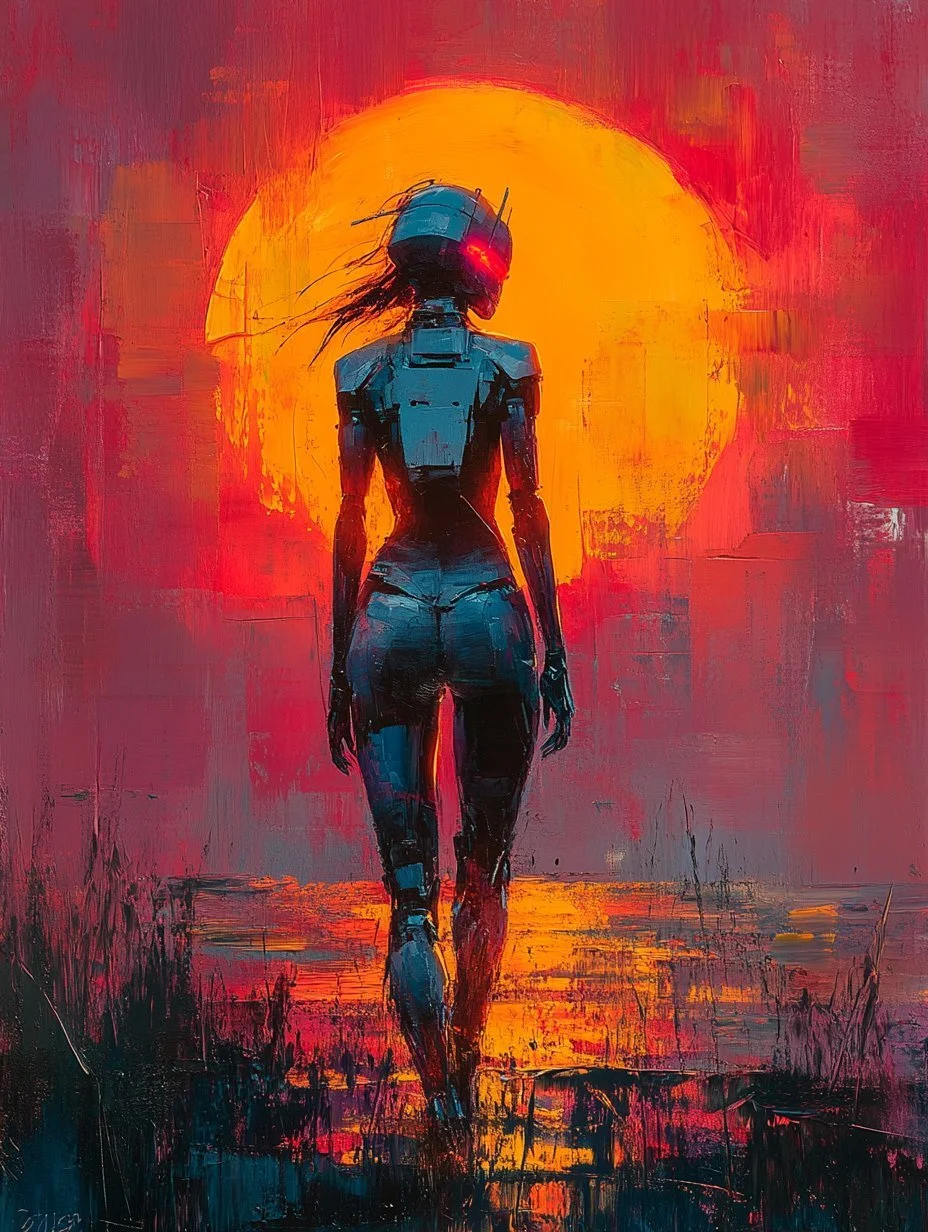
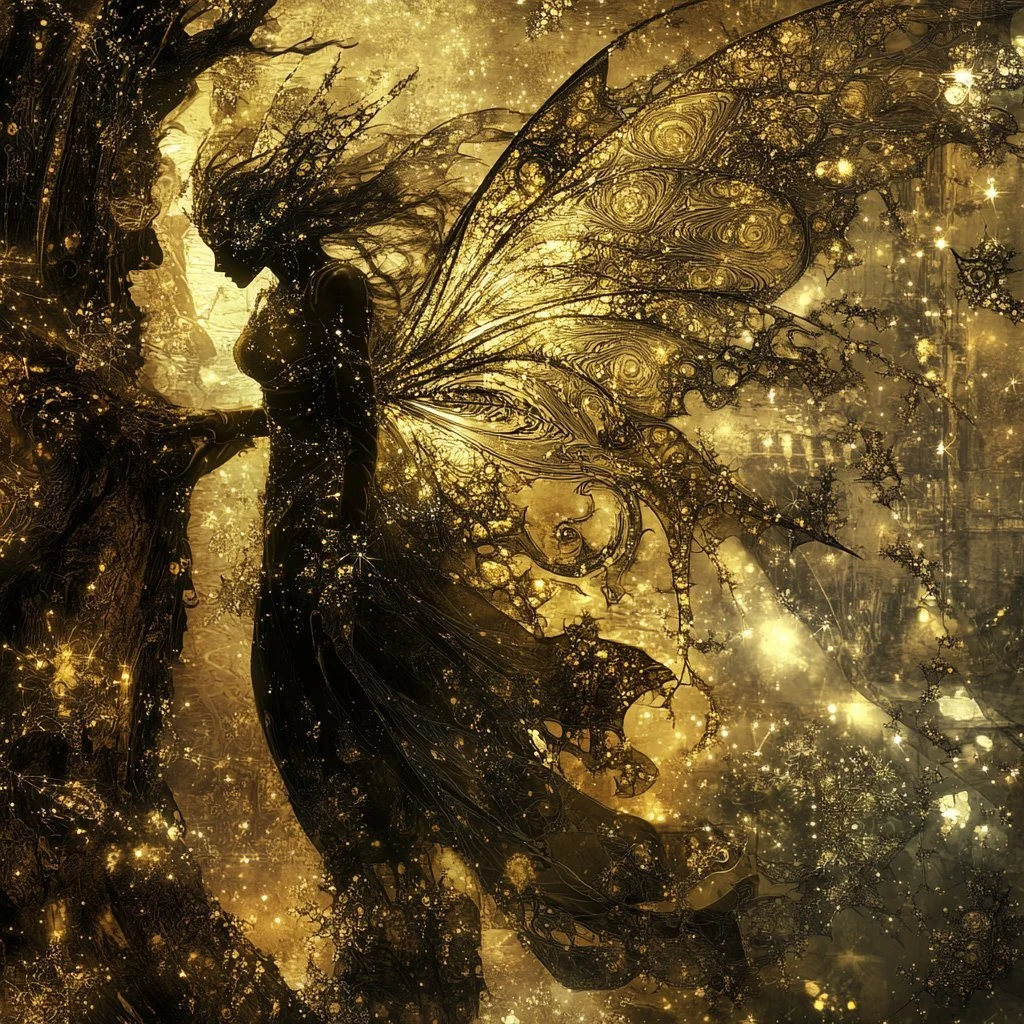
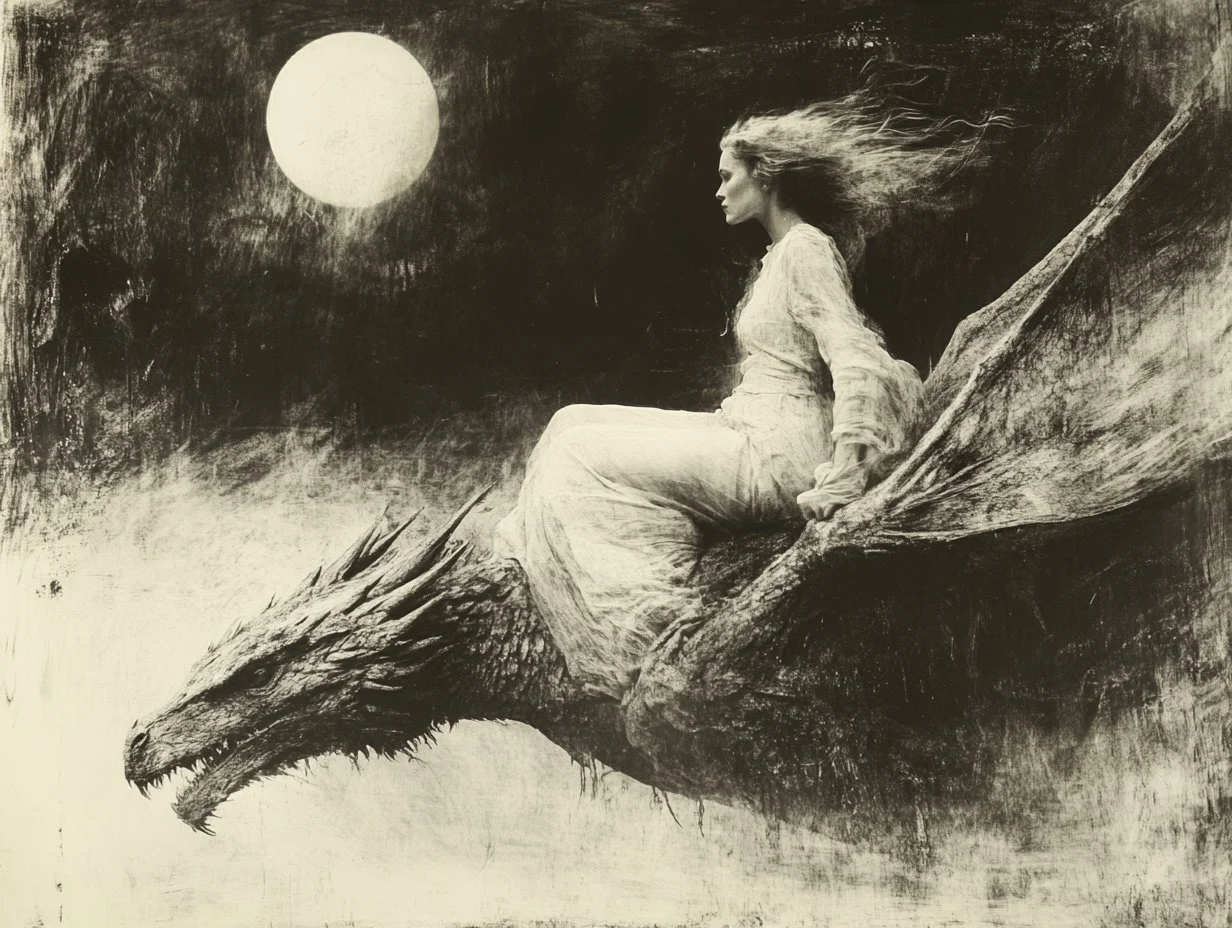
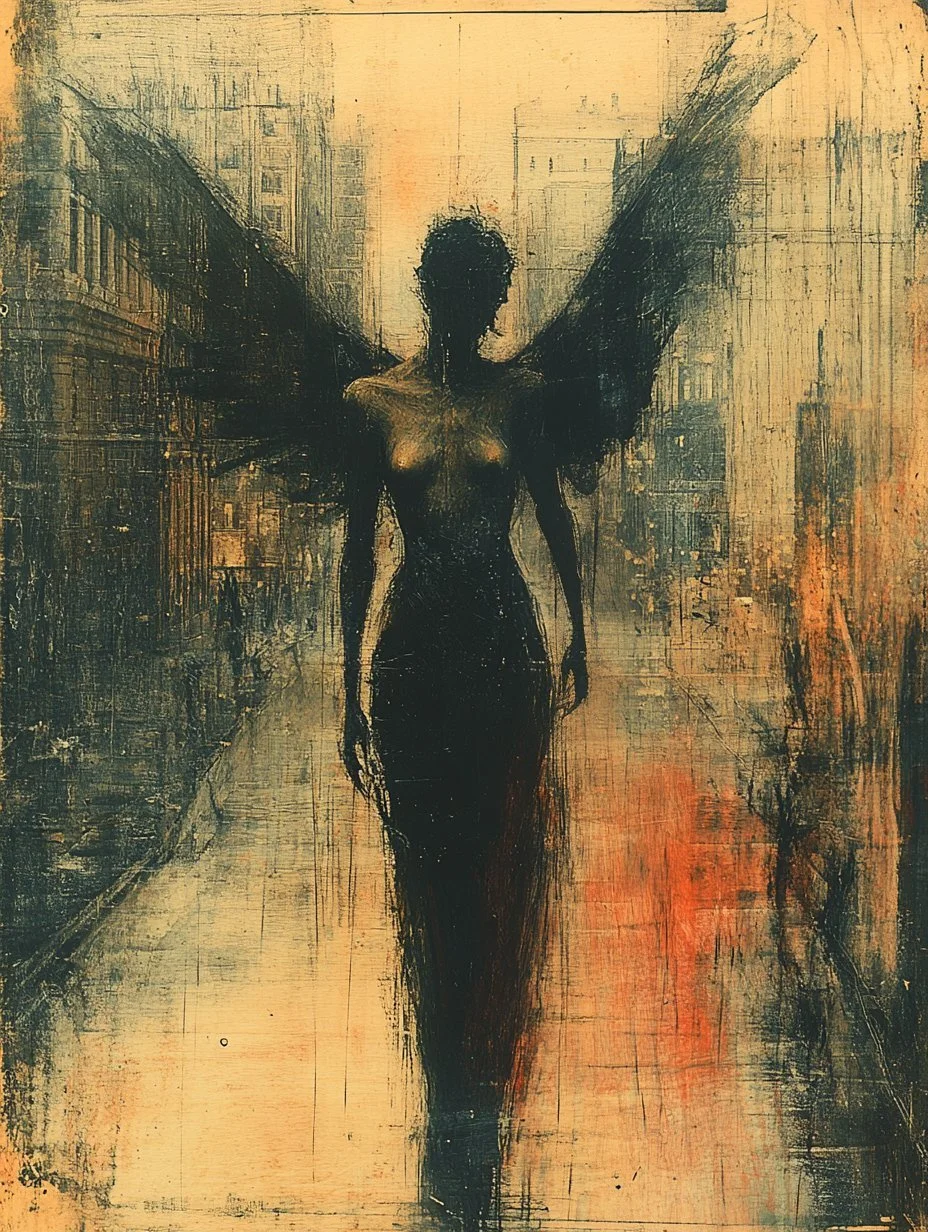
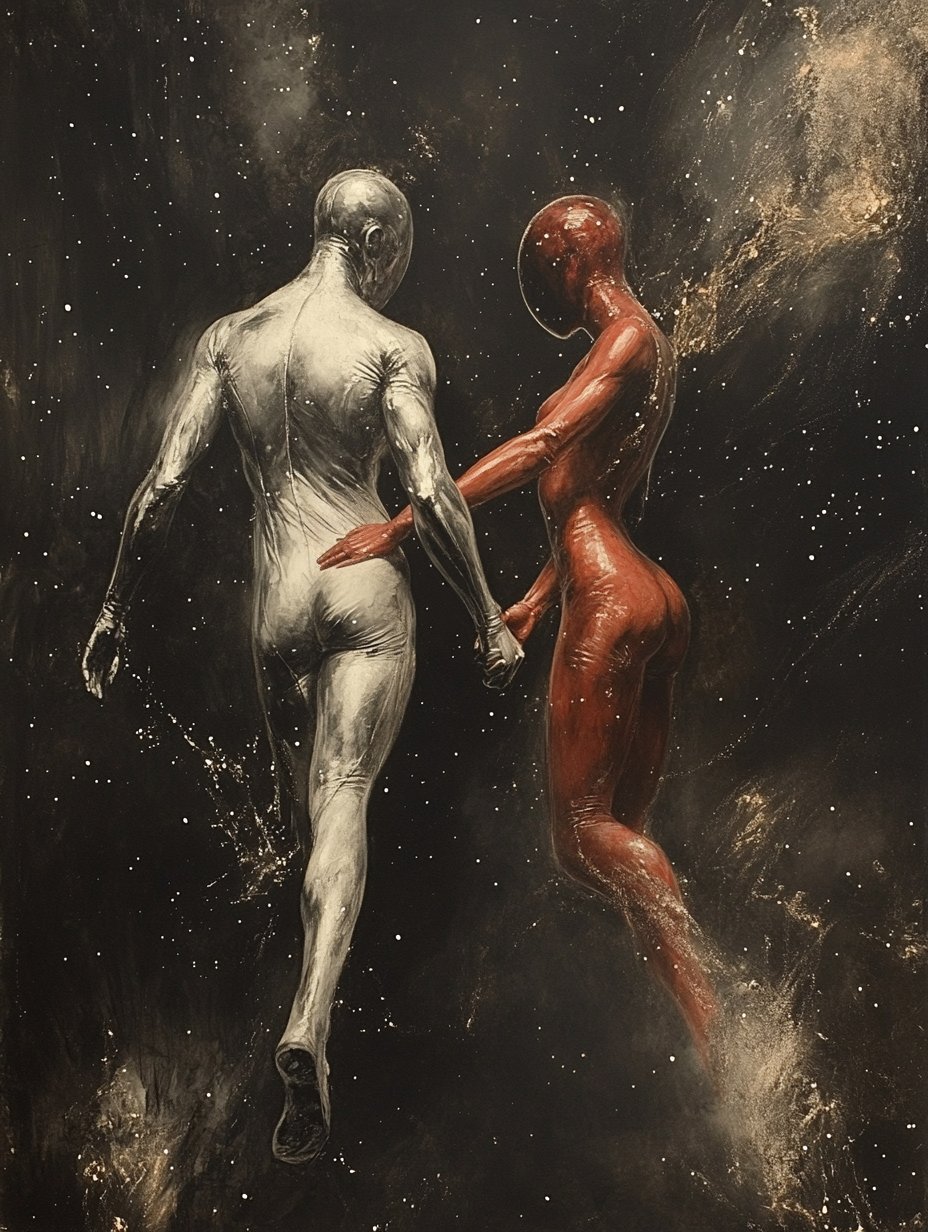
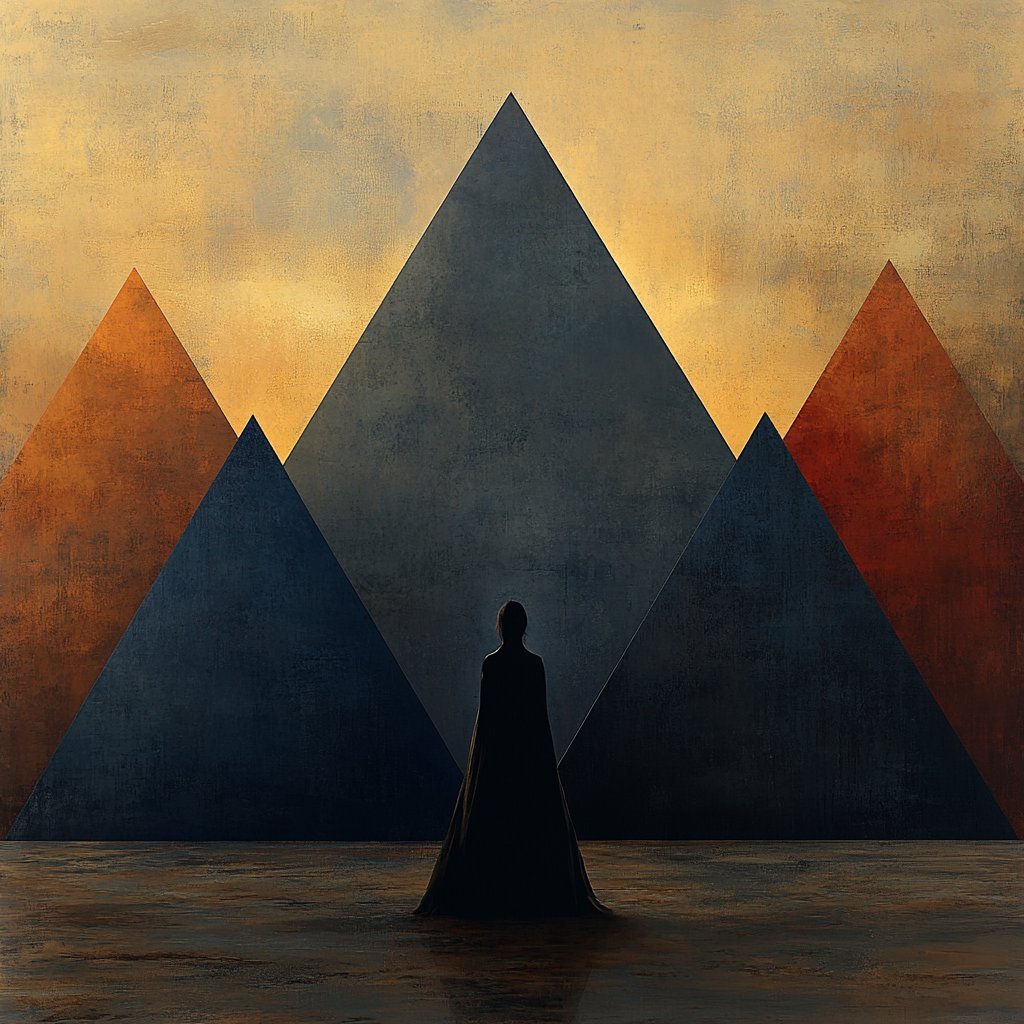
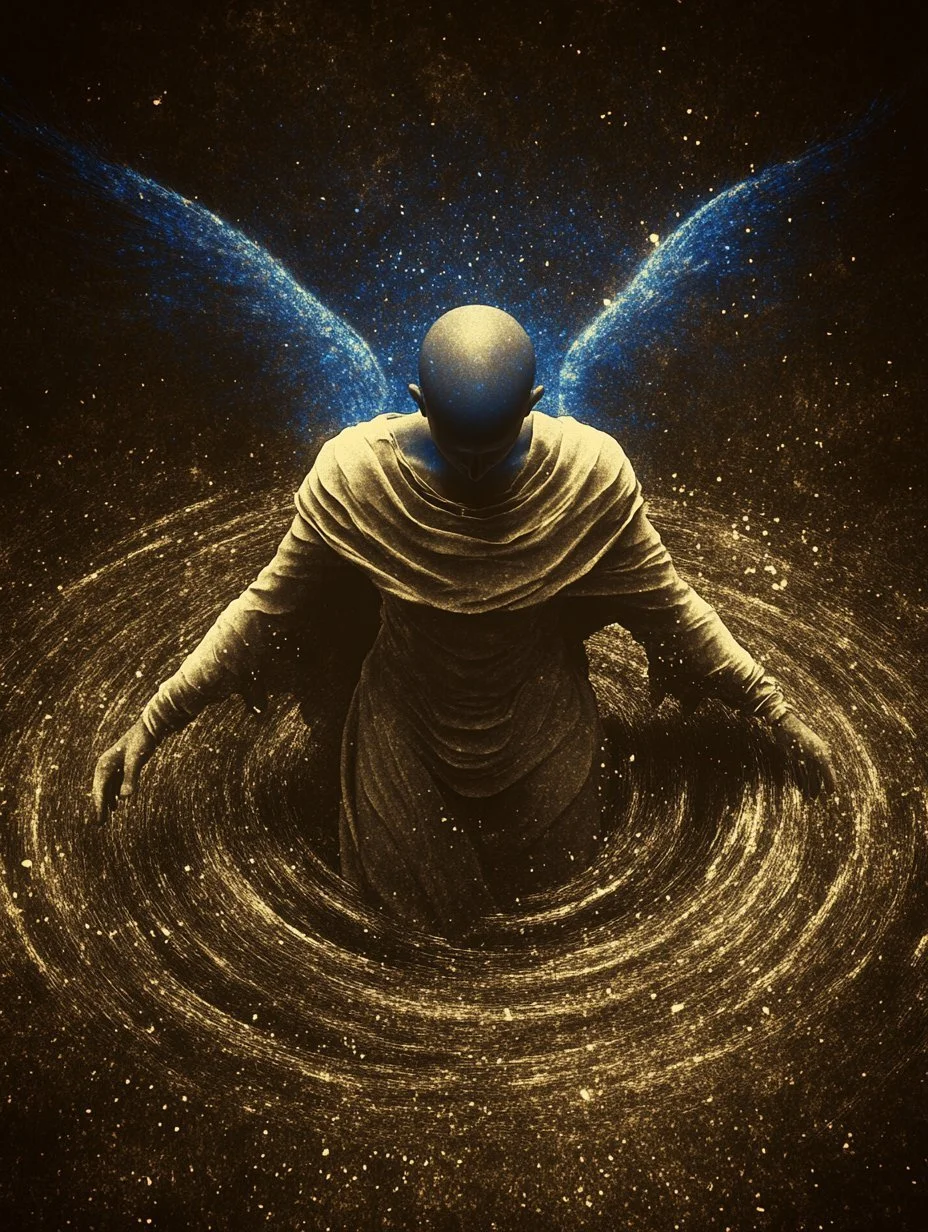
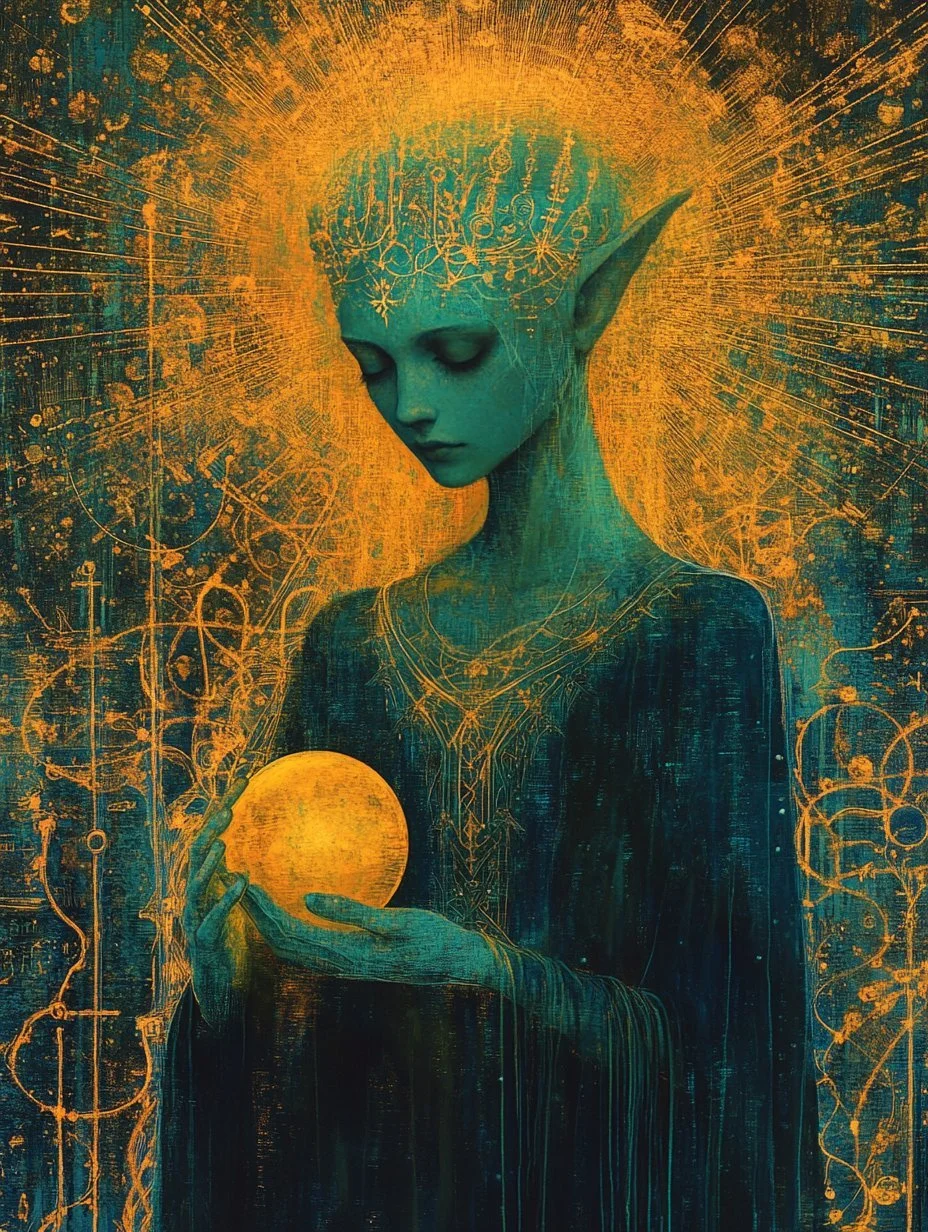
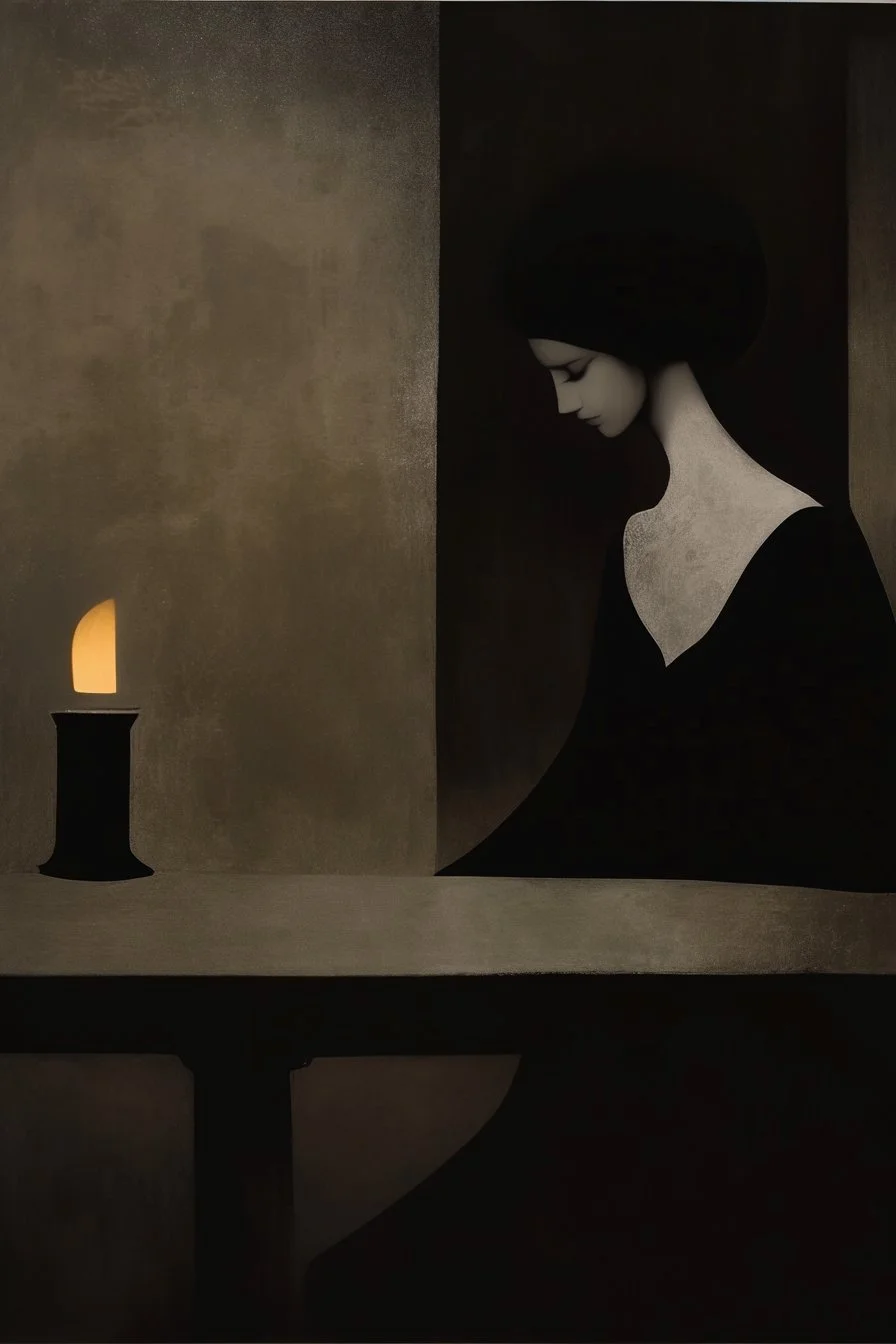
Mitra’s muted color palette, dominated by golds, browns, and sometimes blues, greens, and fiery reds, evokes the essence of forgotten worlds and celestial visions. His fantasy pieces ground the extraordinary in realistic settings, creating a sense of wonder that feels tangible, while his more abstract works lean into cosmic and existential themes, where the human form dissolves into something greater, something unknowable.
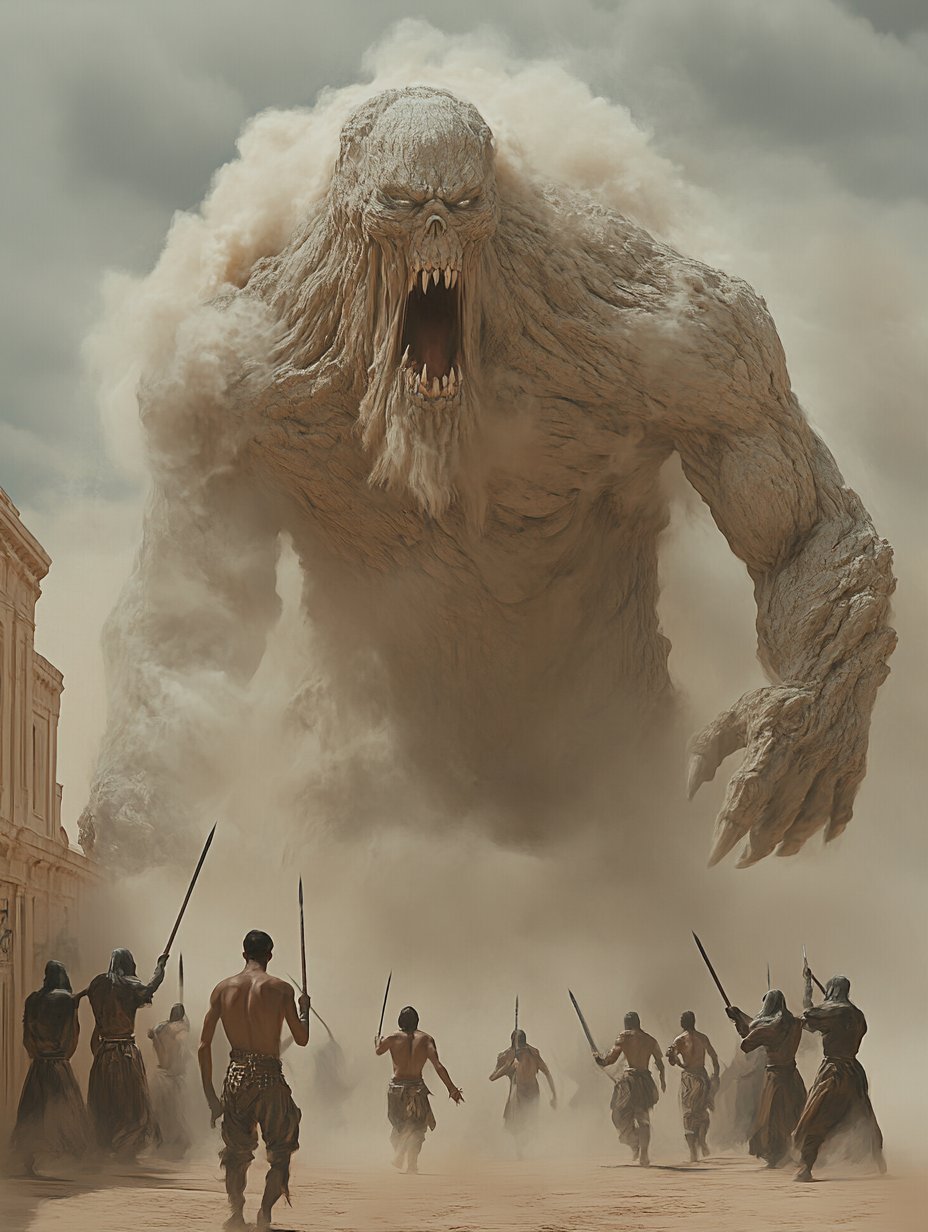
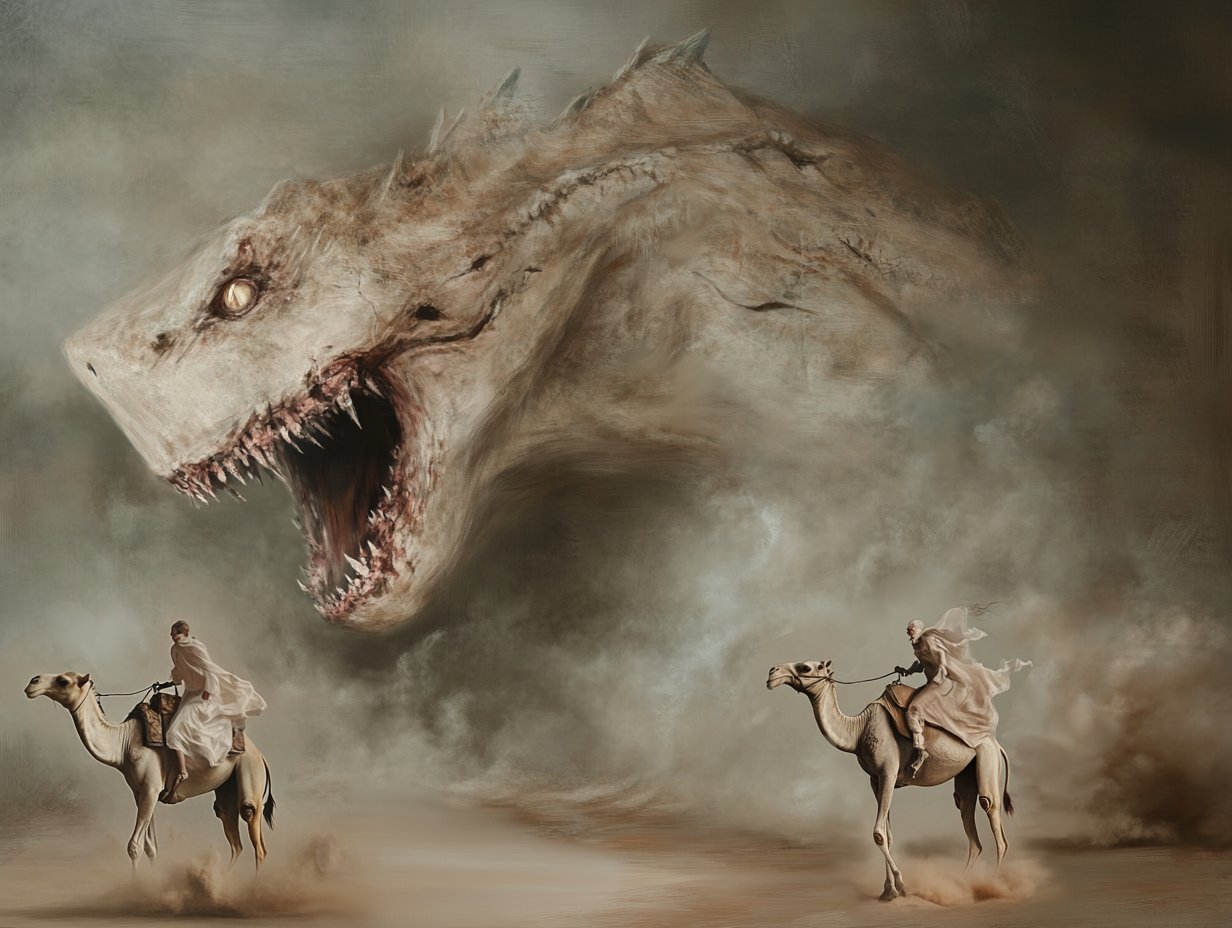
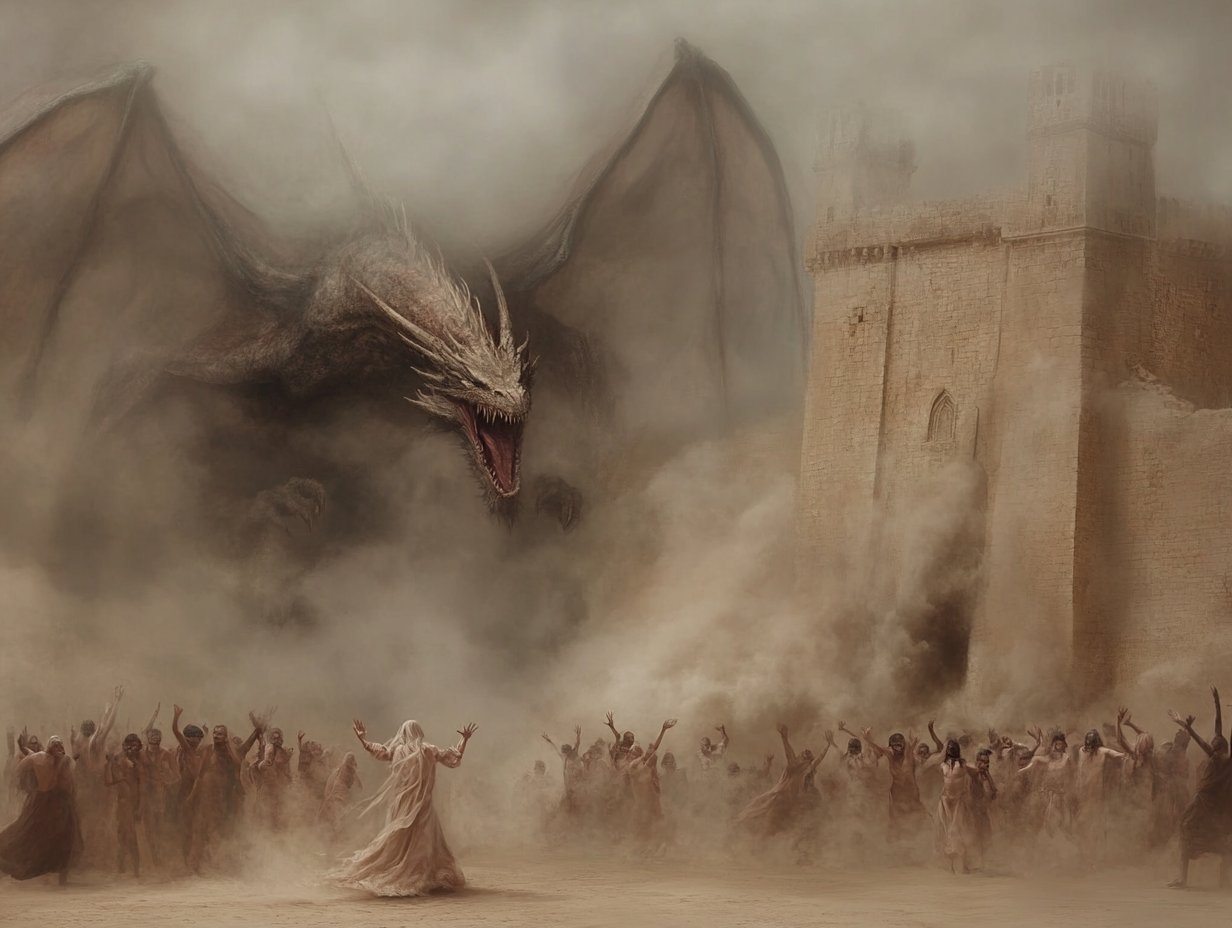
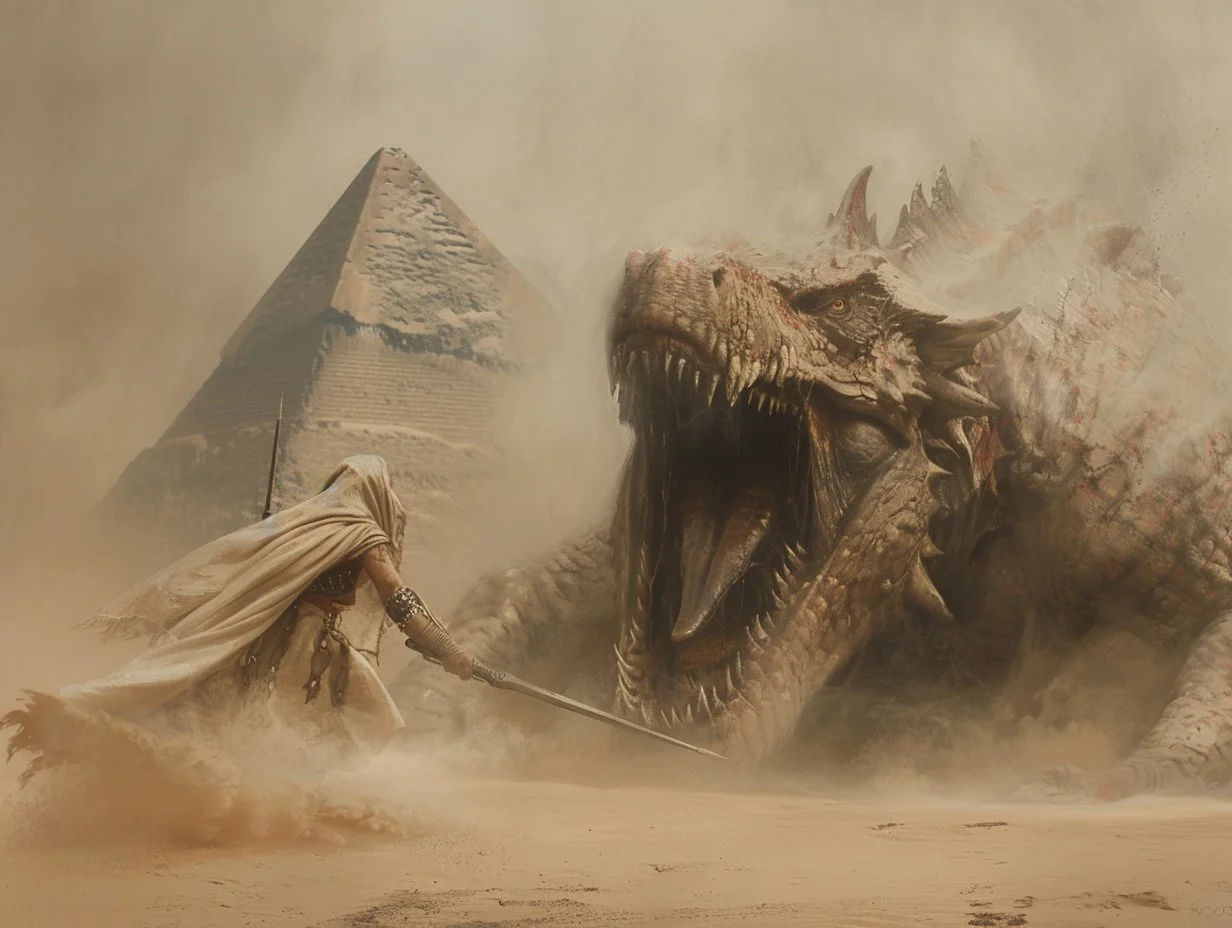
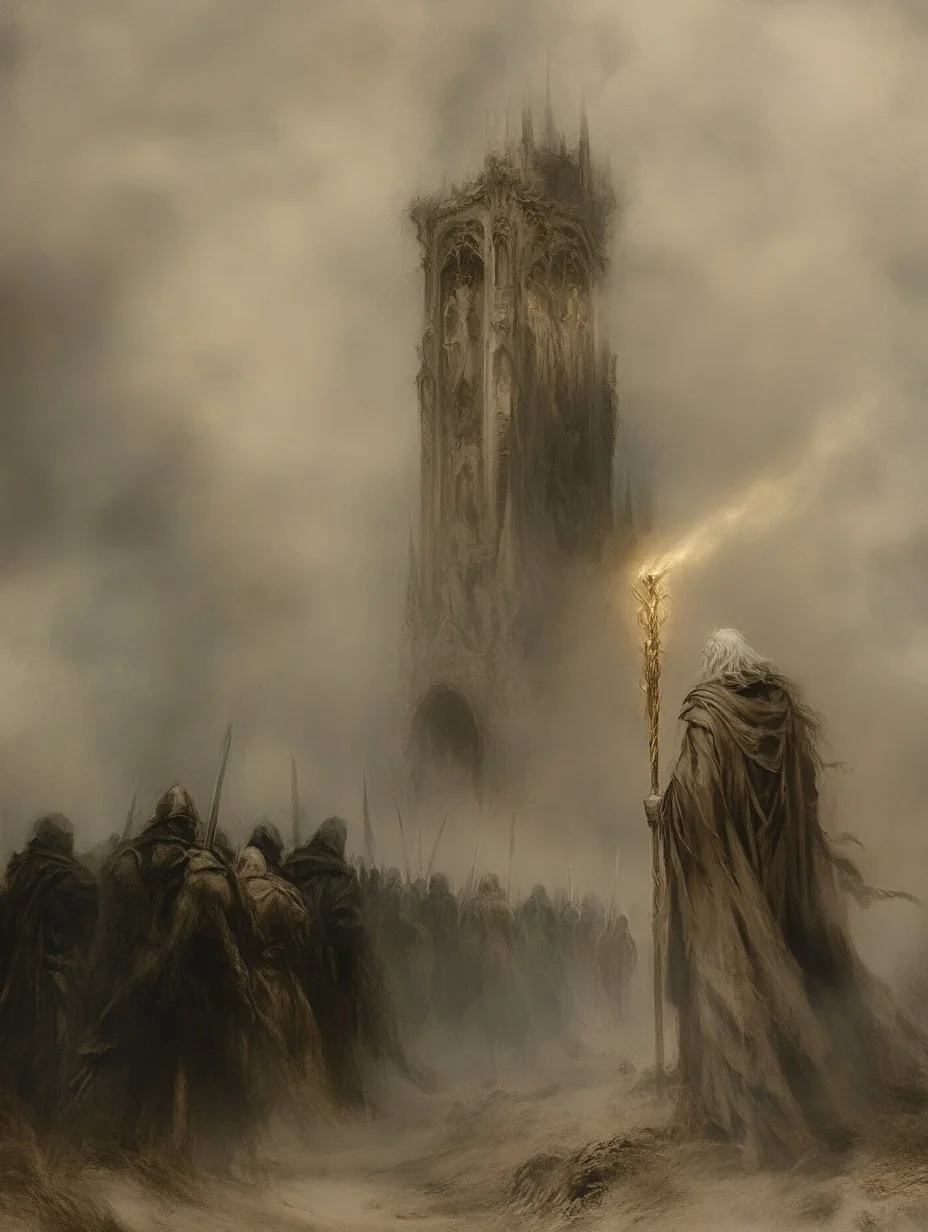
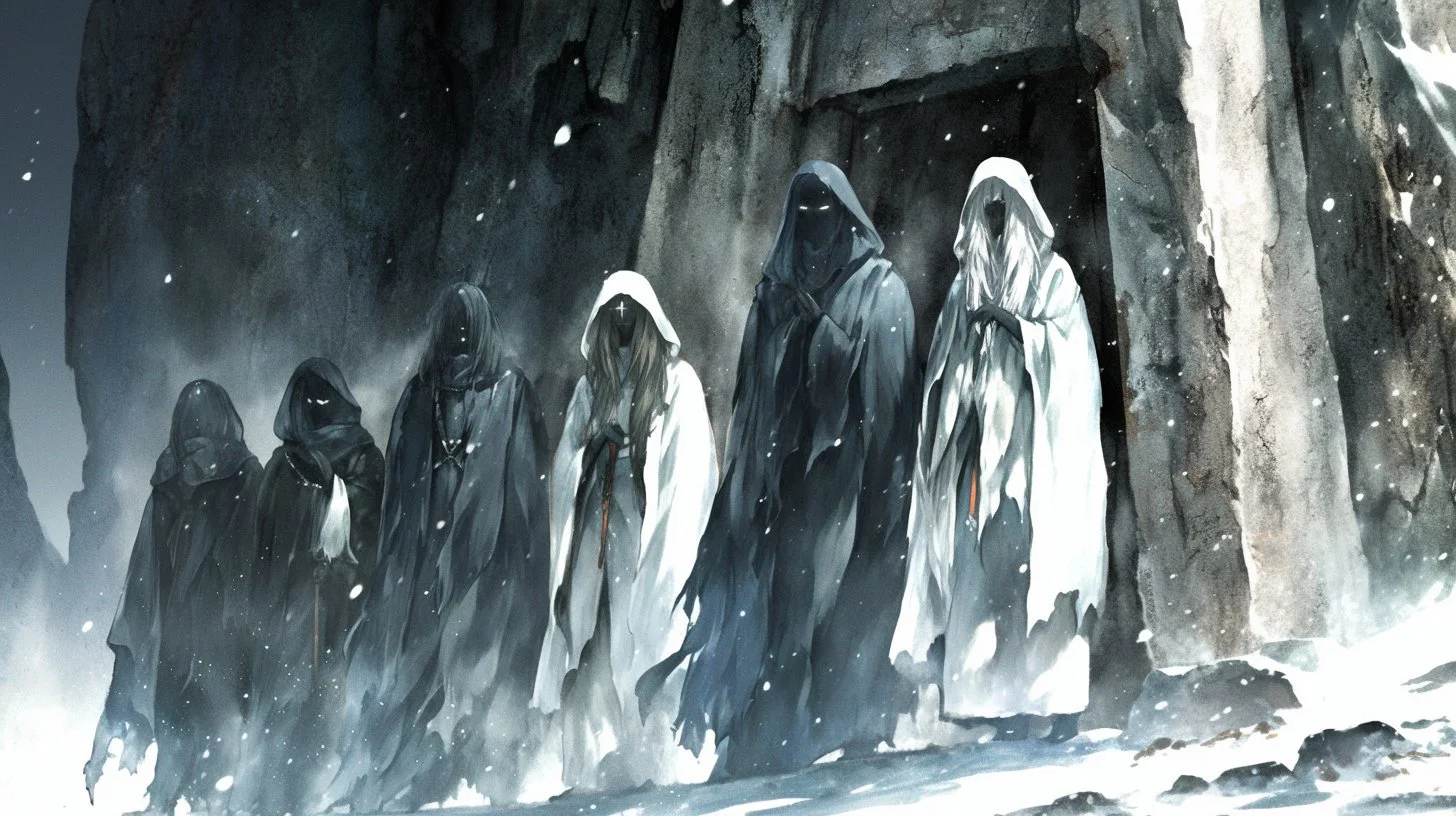
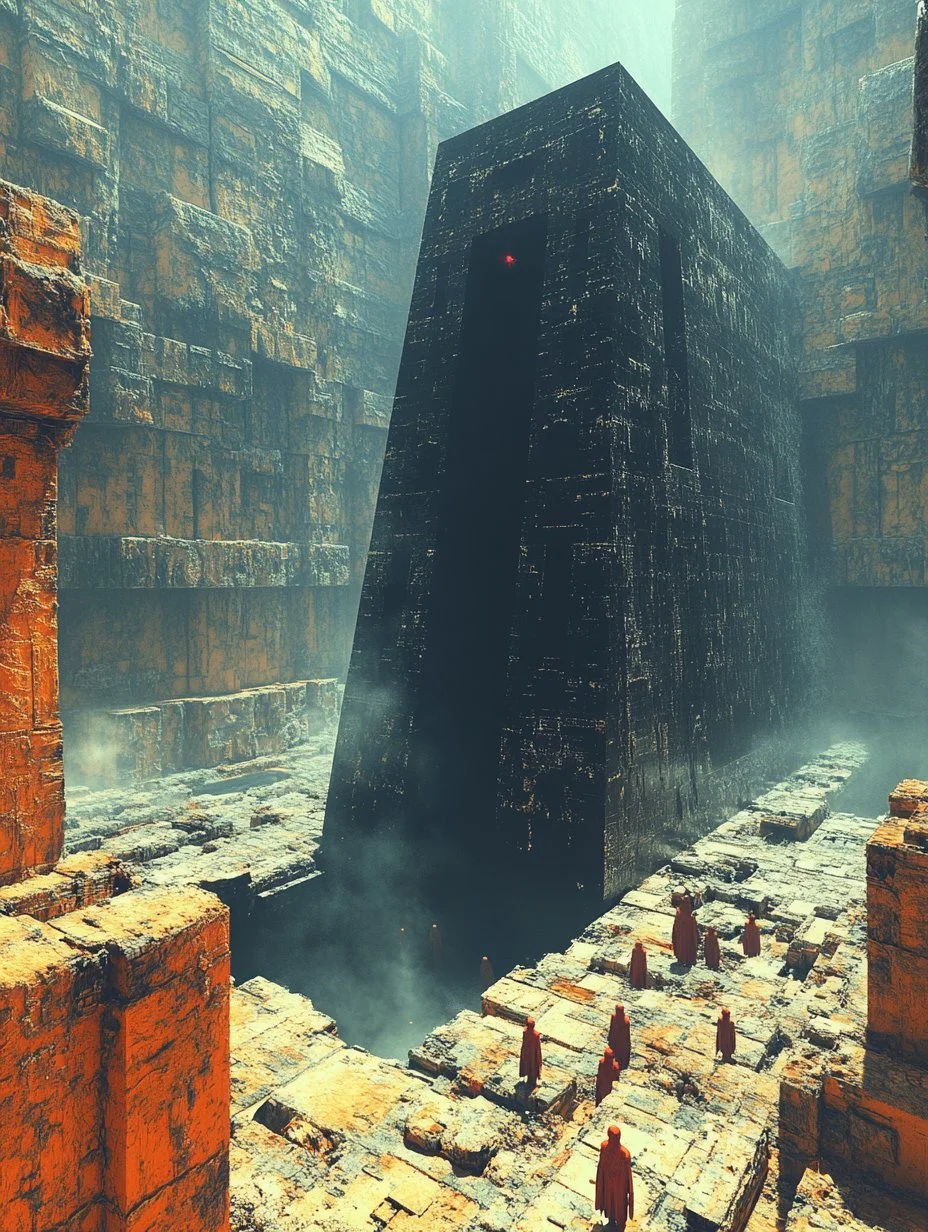
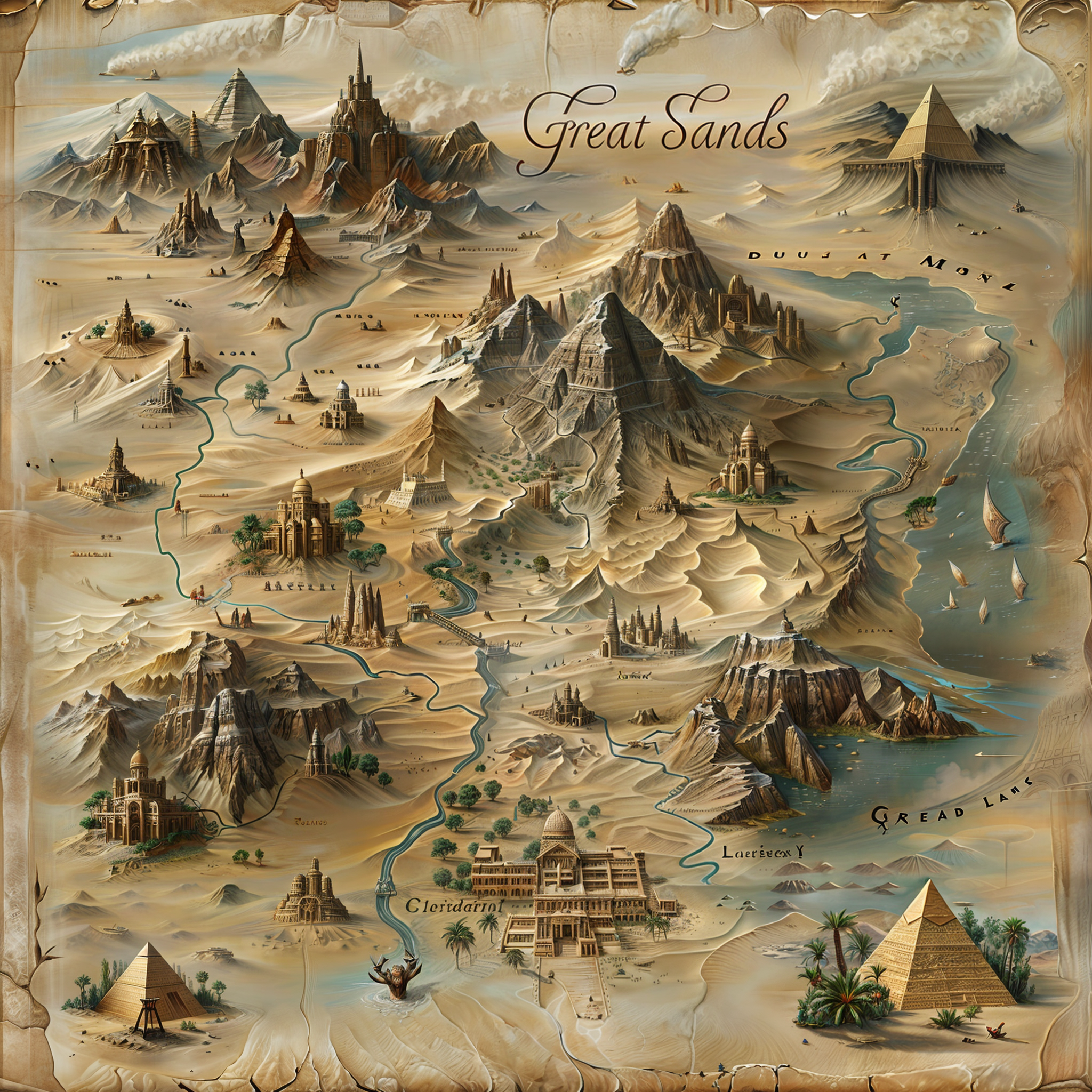
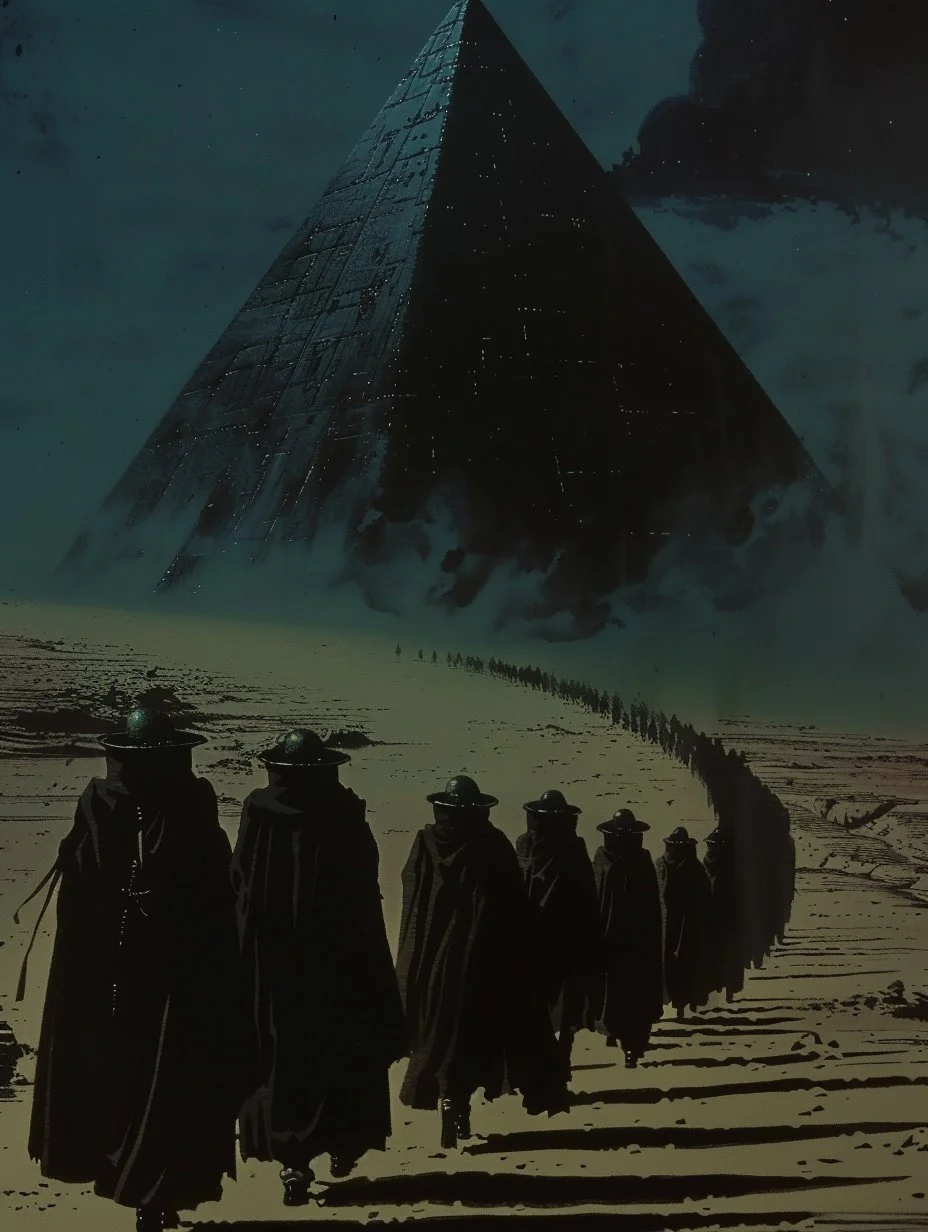
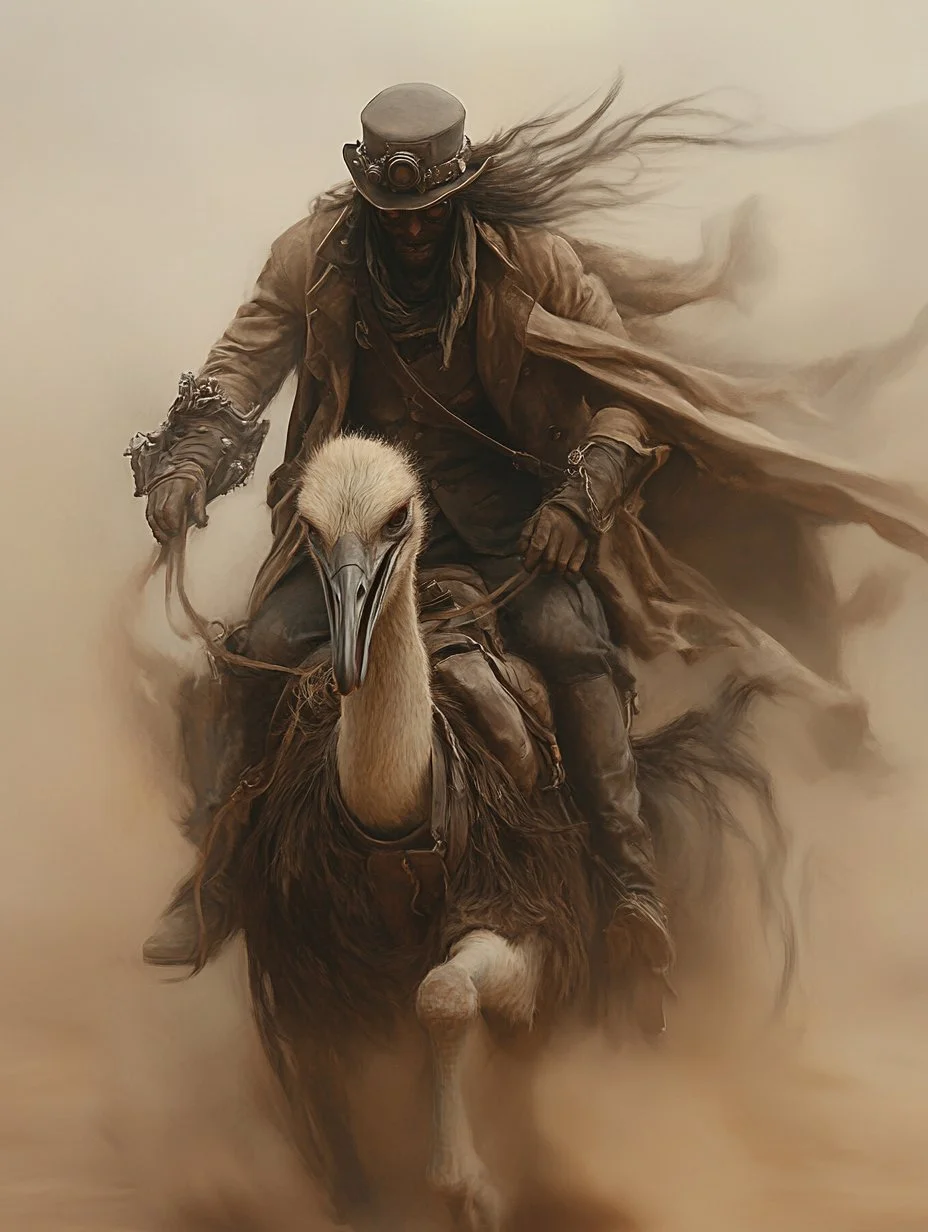
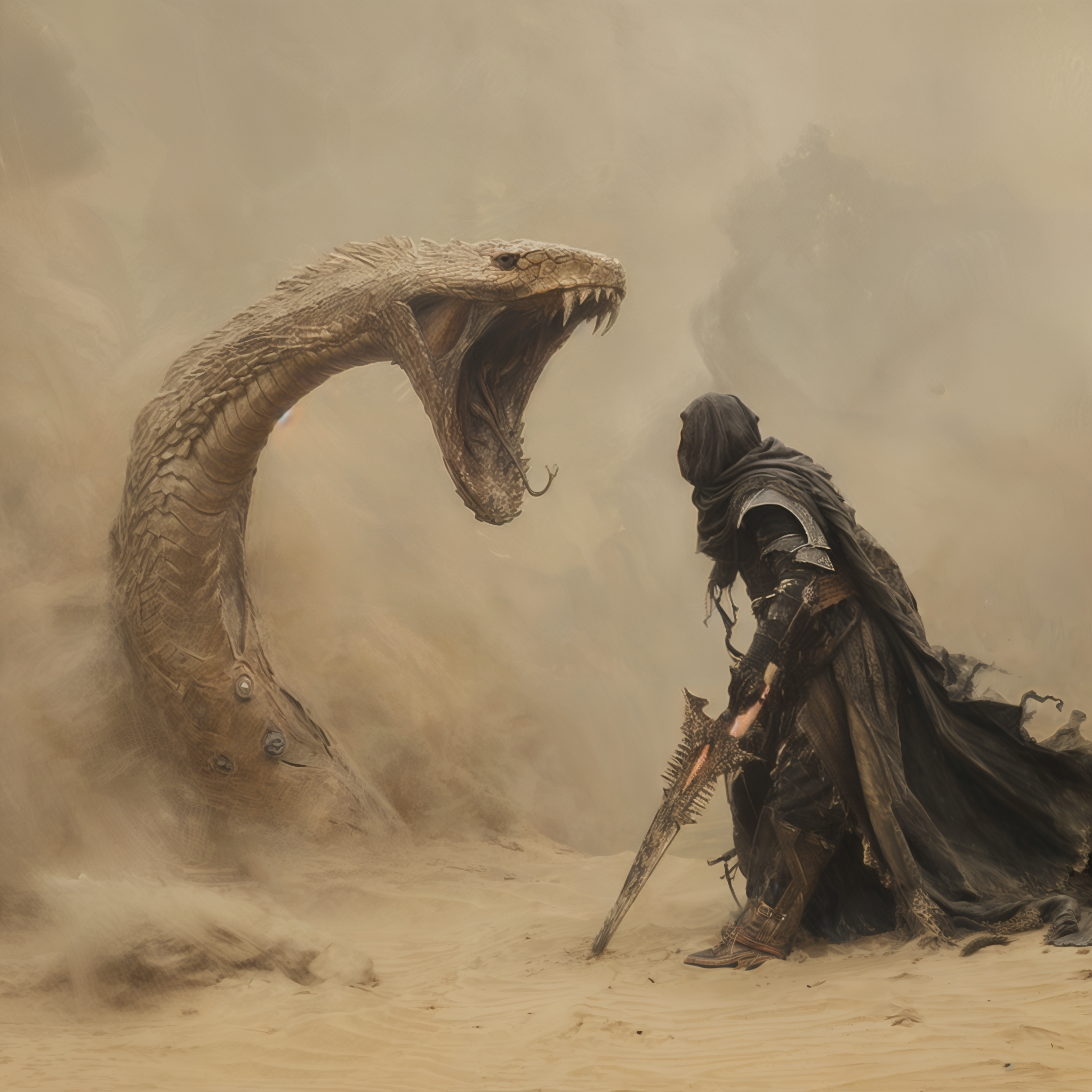
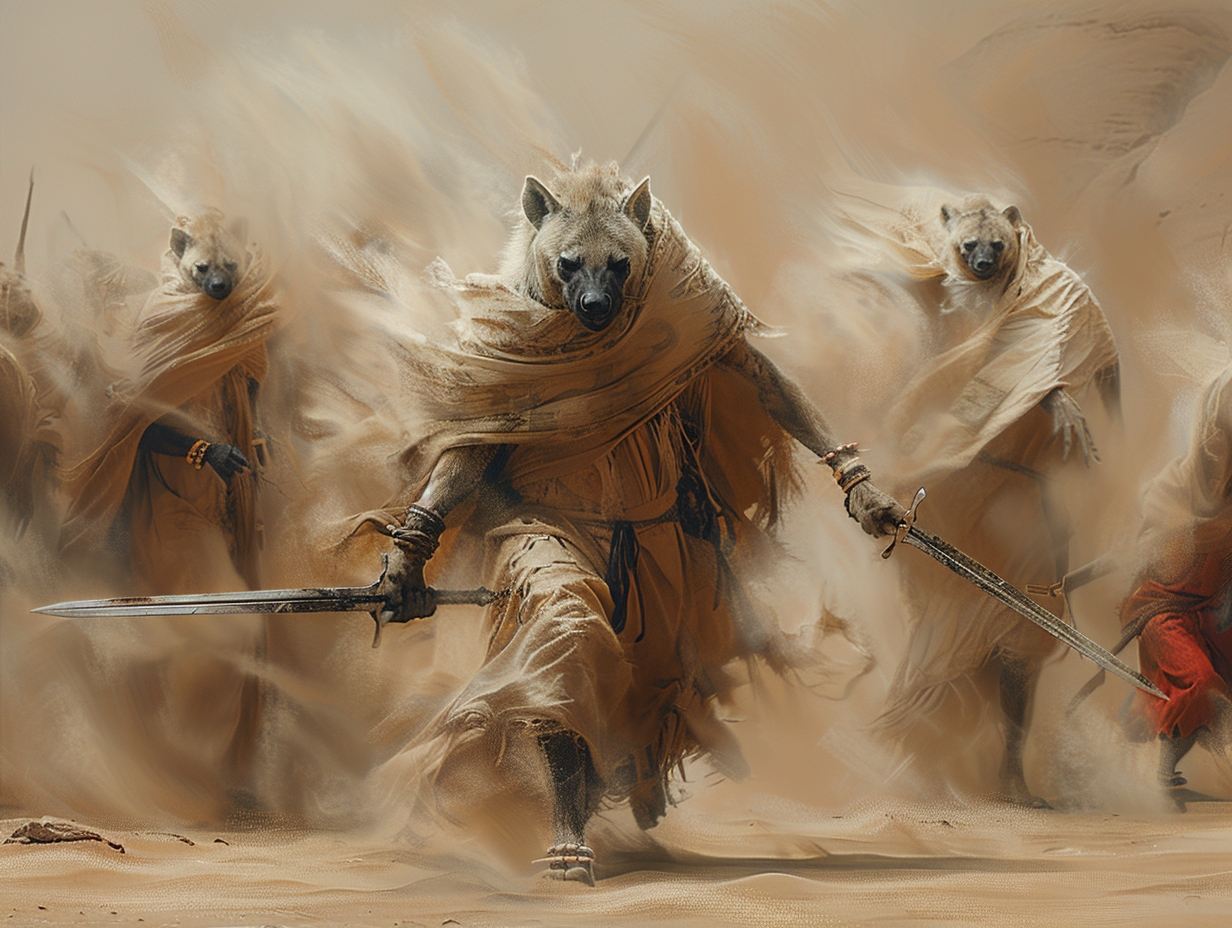
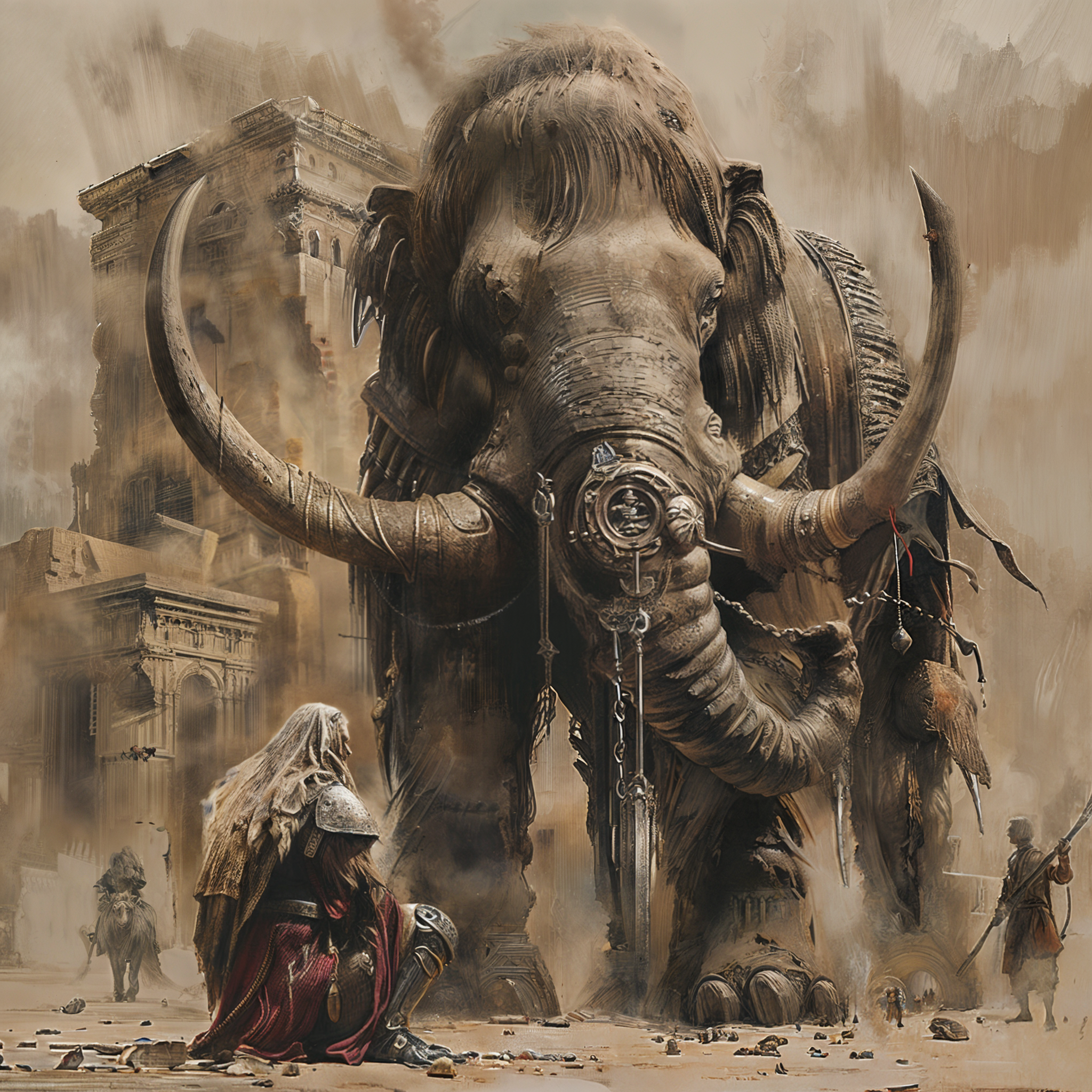
One of his most captivating series, “Great Sands,” immerses viewers in desert landscapes steeped in ancient lore. Maps, monsters, and ominous creatures roam the dunes, whispering tales of forgotten civilizations and fabled horrors. These are not mere illustrations; they are fragments of a lost mythology, rich with mystery and danger.
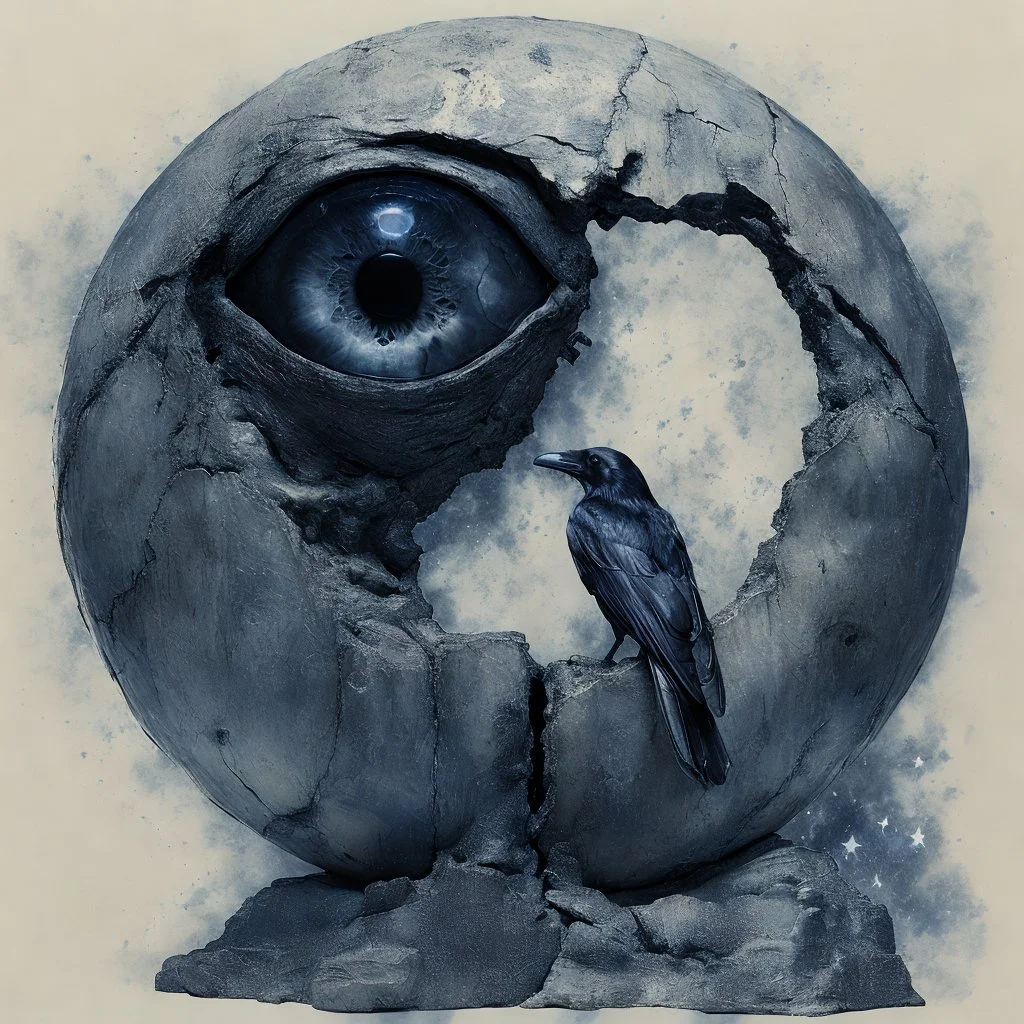
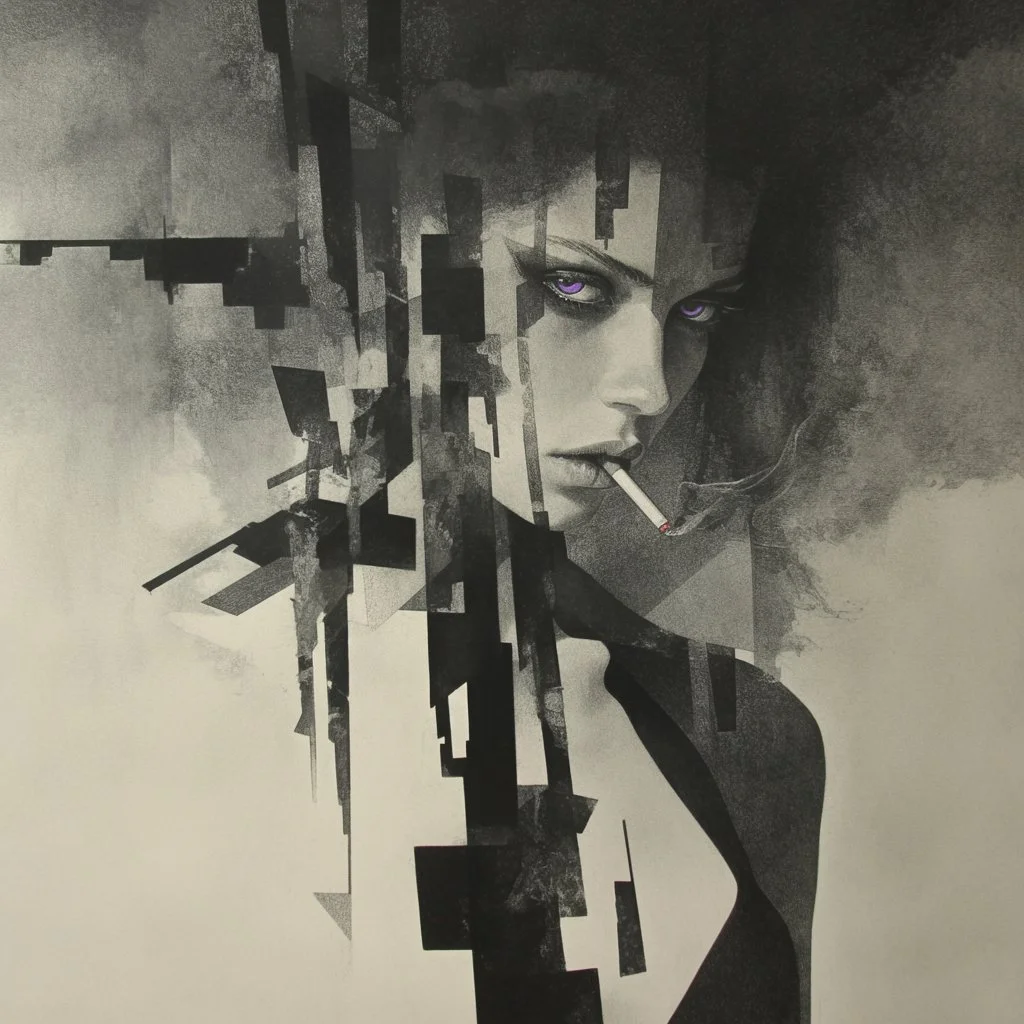
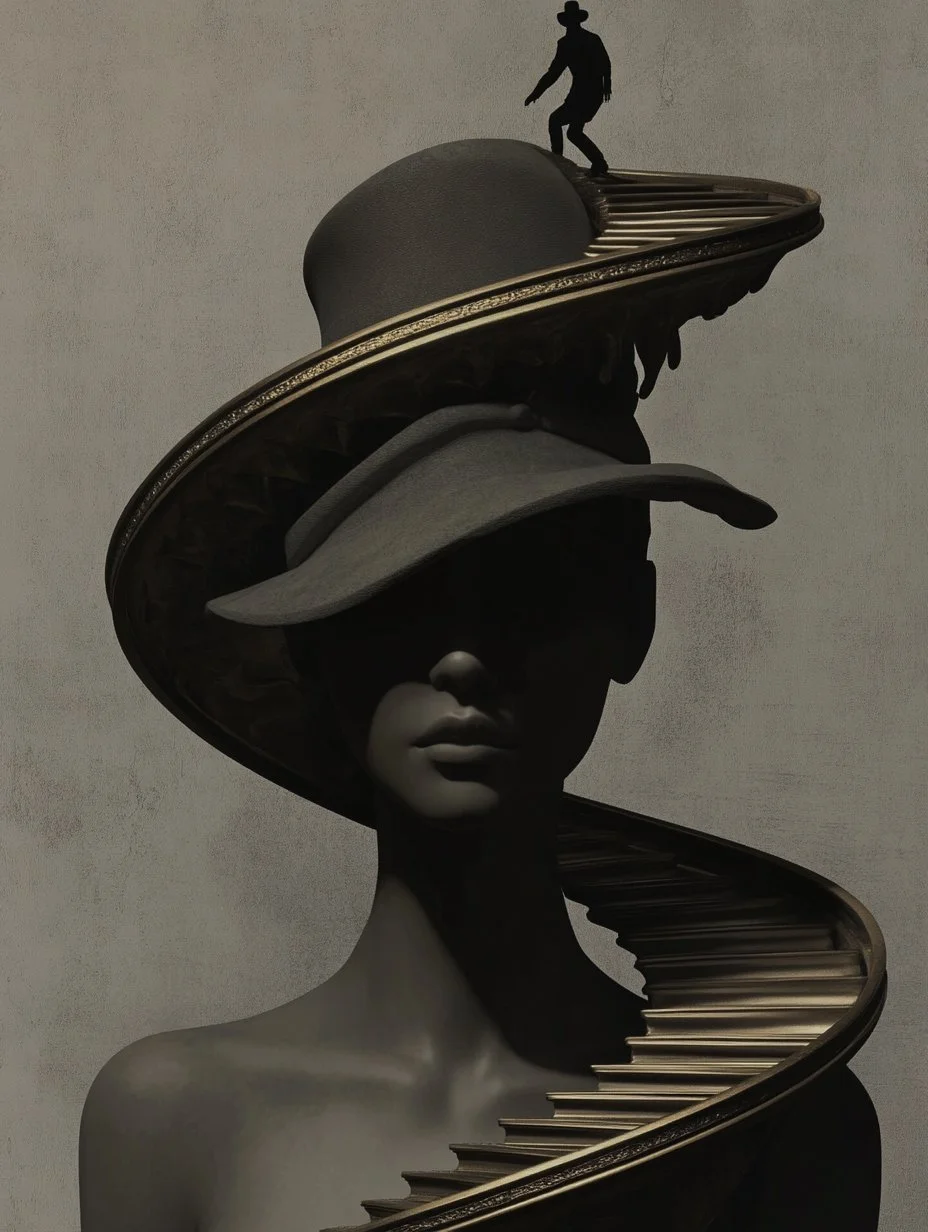
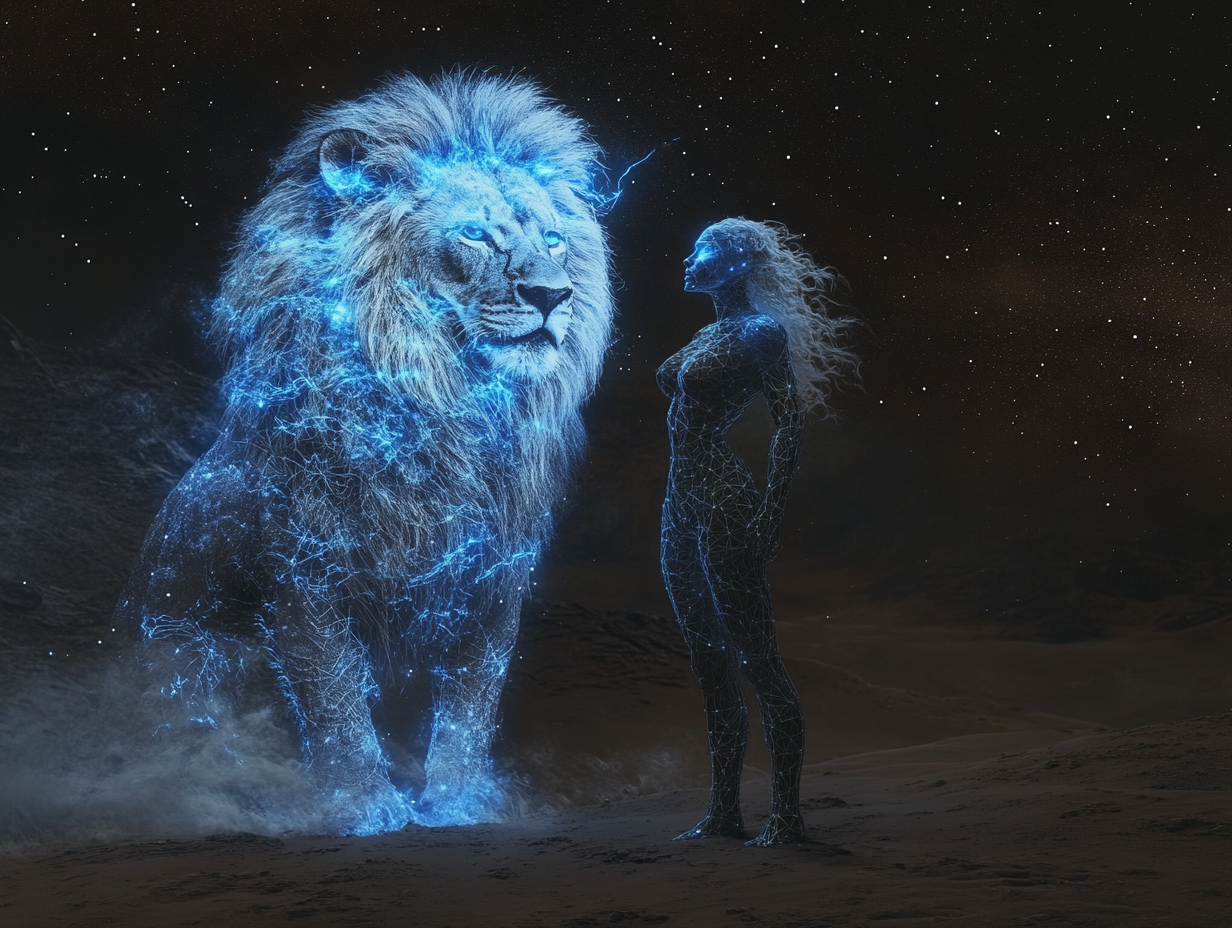
Beyond the vast dunes, Mitra's art often bends reality itself. Architectural forms twist and interlock in impossible ways, creating intricate, dreamlike mazes that challenge perception. There is a fascination with duality—light and dark, order and chaos—all playing out in his compositions through bold contrasts in color and theme. At times, his work even suggests a fusion of spirituality and technology, questioning the intersection of faith and the digital age, the ancient and the future.
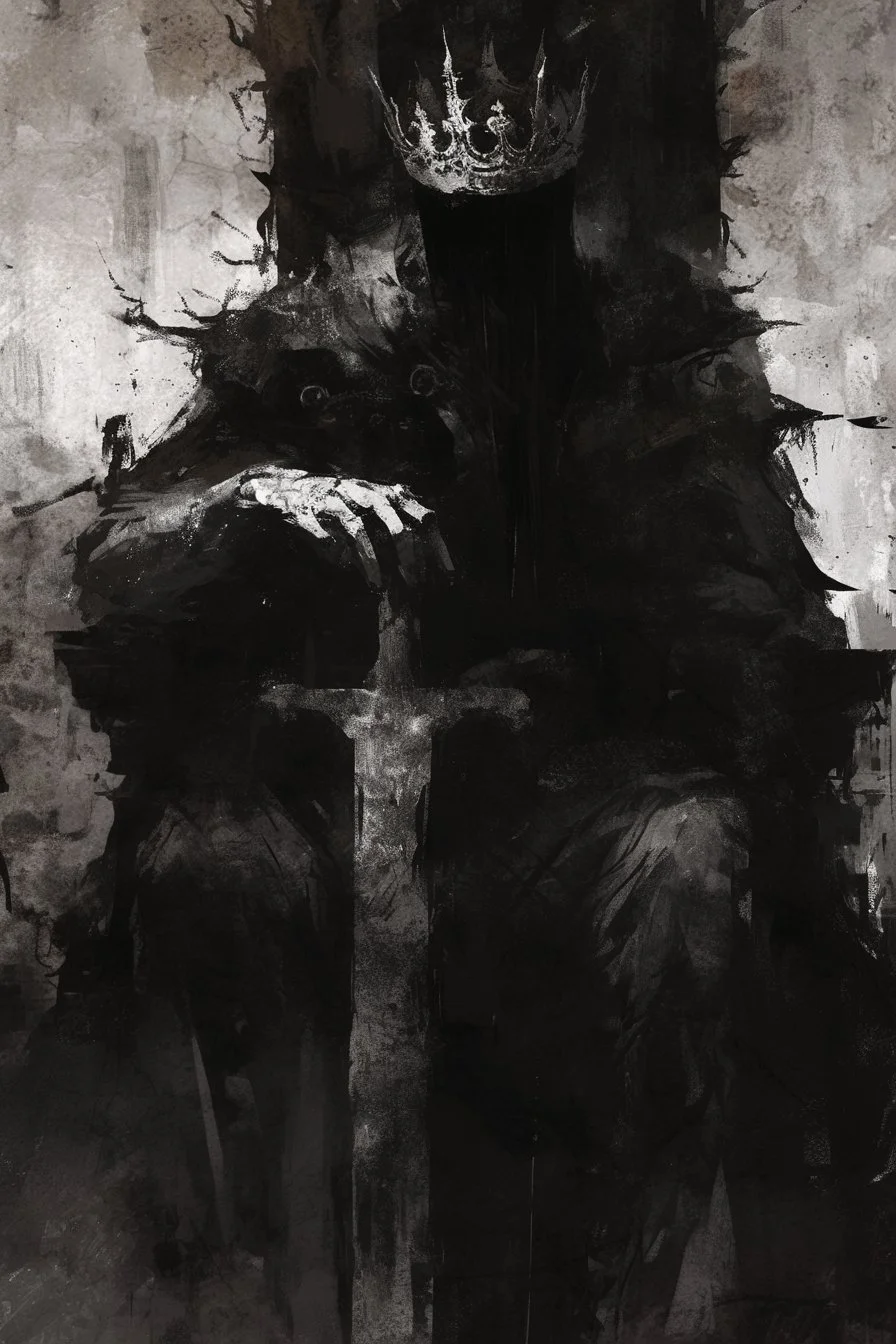
Mitra’s ability to blend dark fantasy, surrealism, and symbolic digital art results in a body of work that is as diverse as it is profound. His art invites contemplation—of culture, myth, transformation, and the hidden forces shaping our world; deeper philosophies embedded within his mesmerizing paintings. It’s an honor to feature him in this interview.
Let’s discover Mitra together.
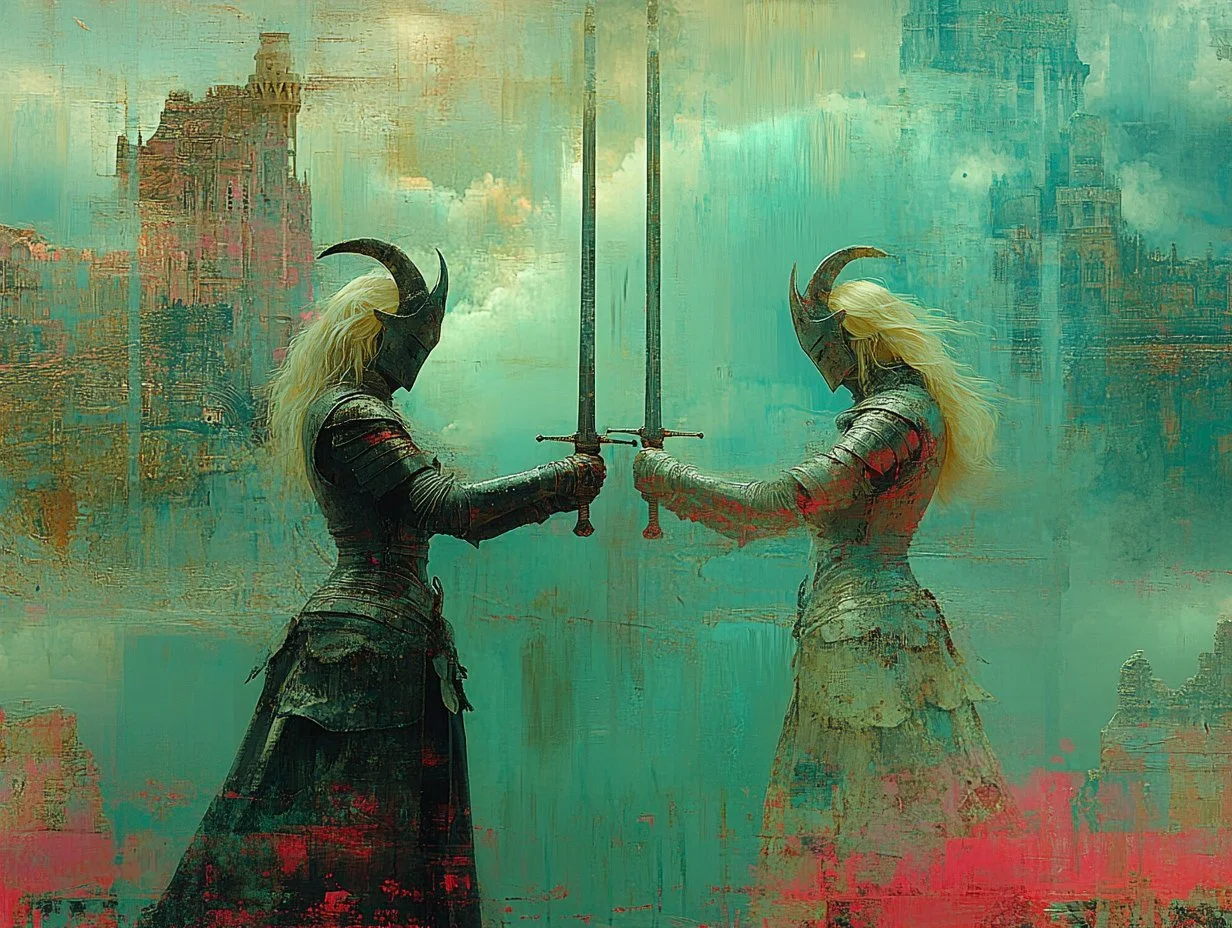
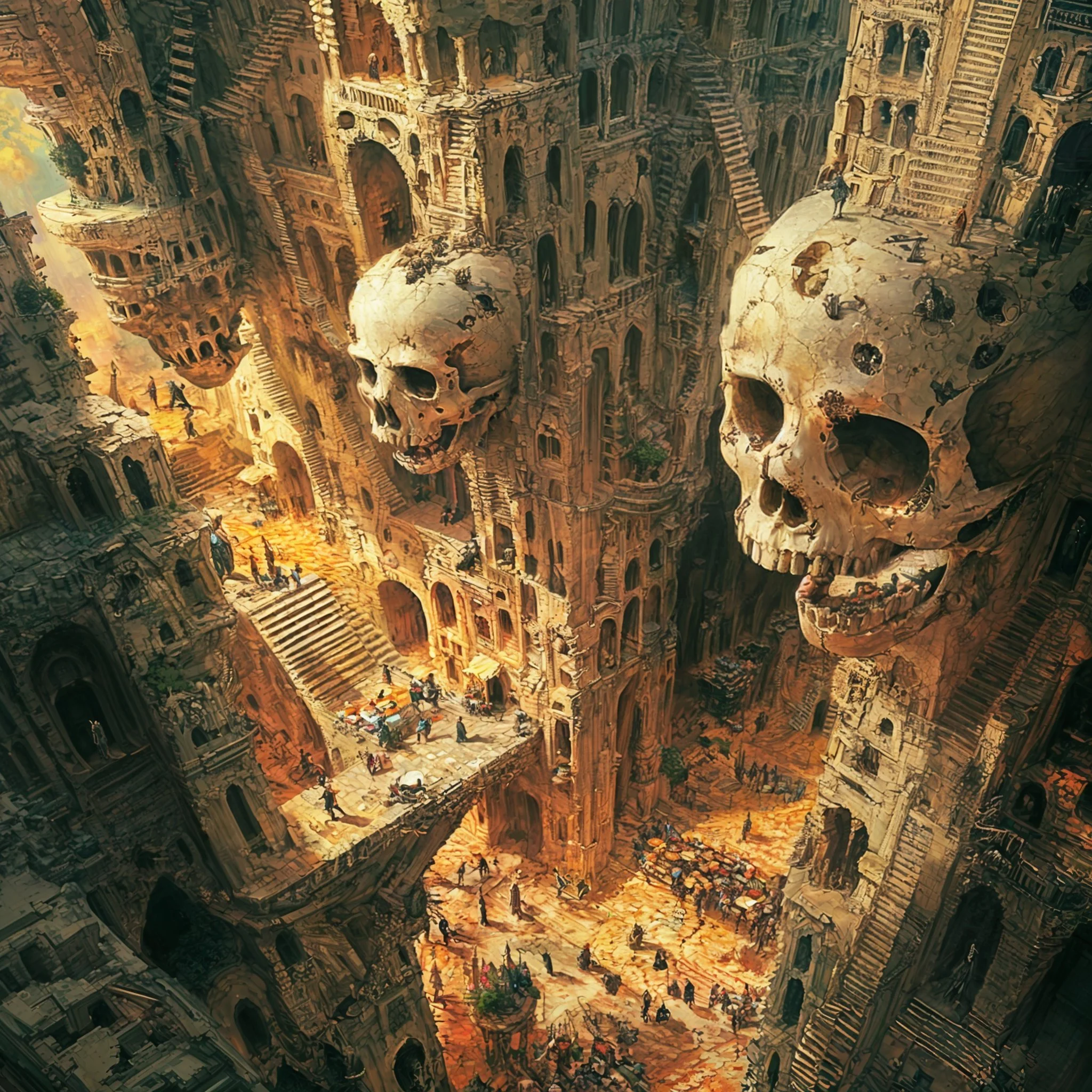
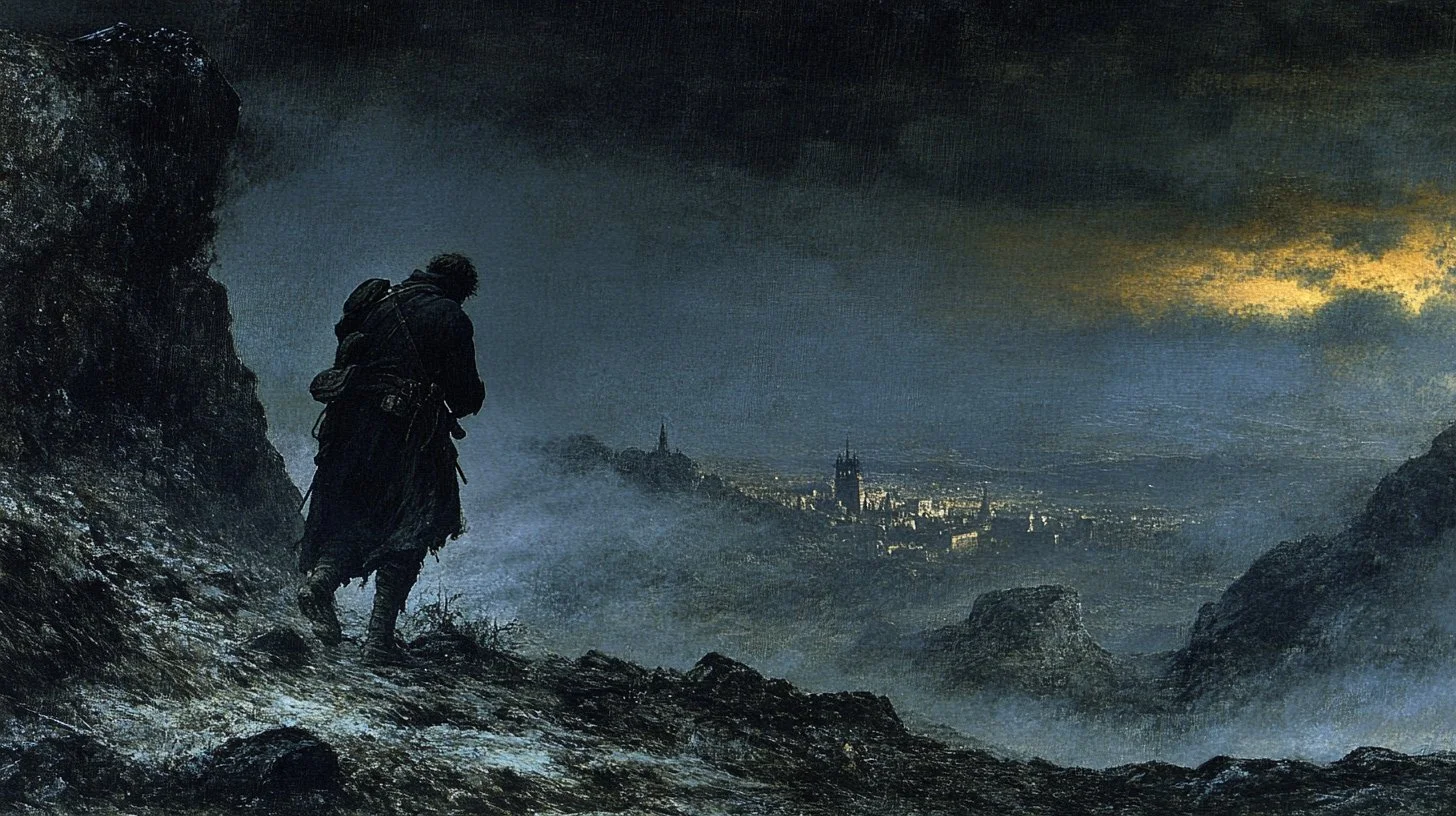
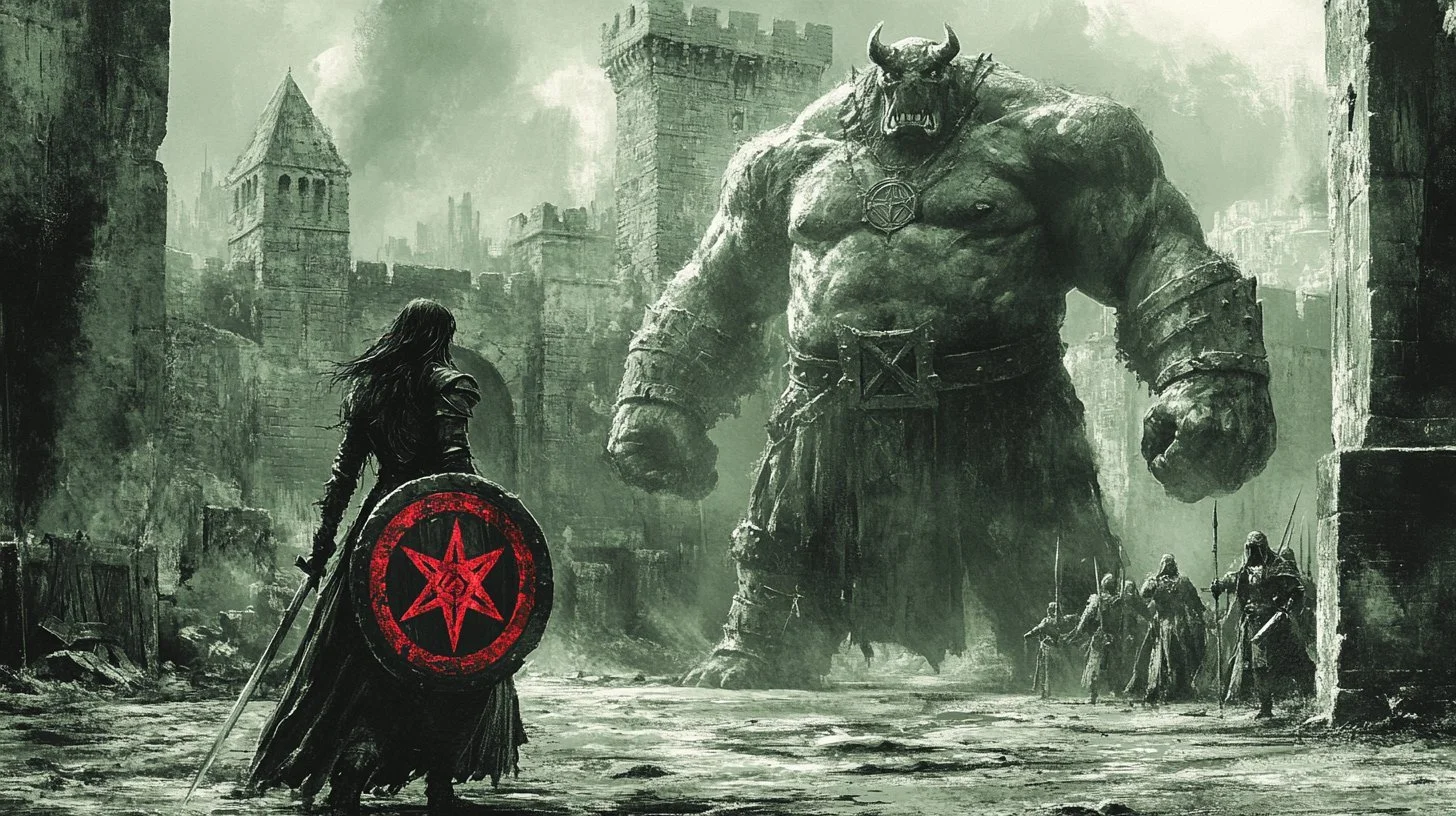
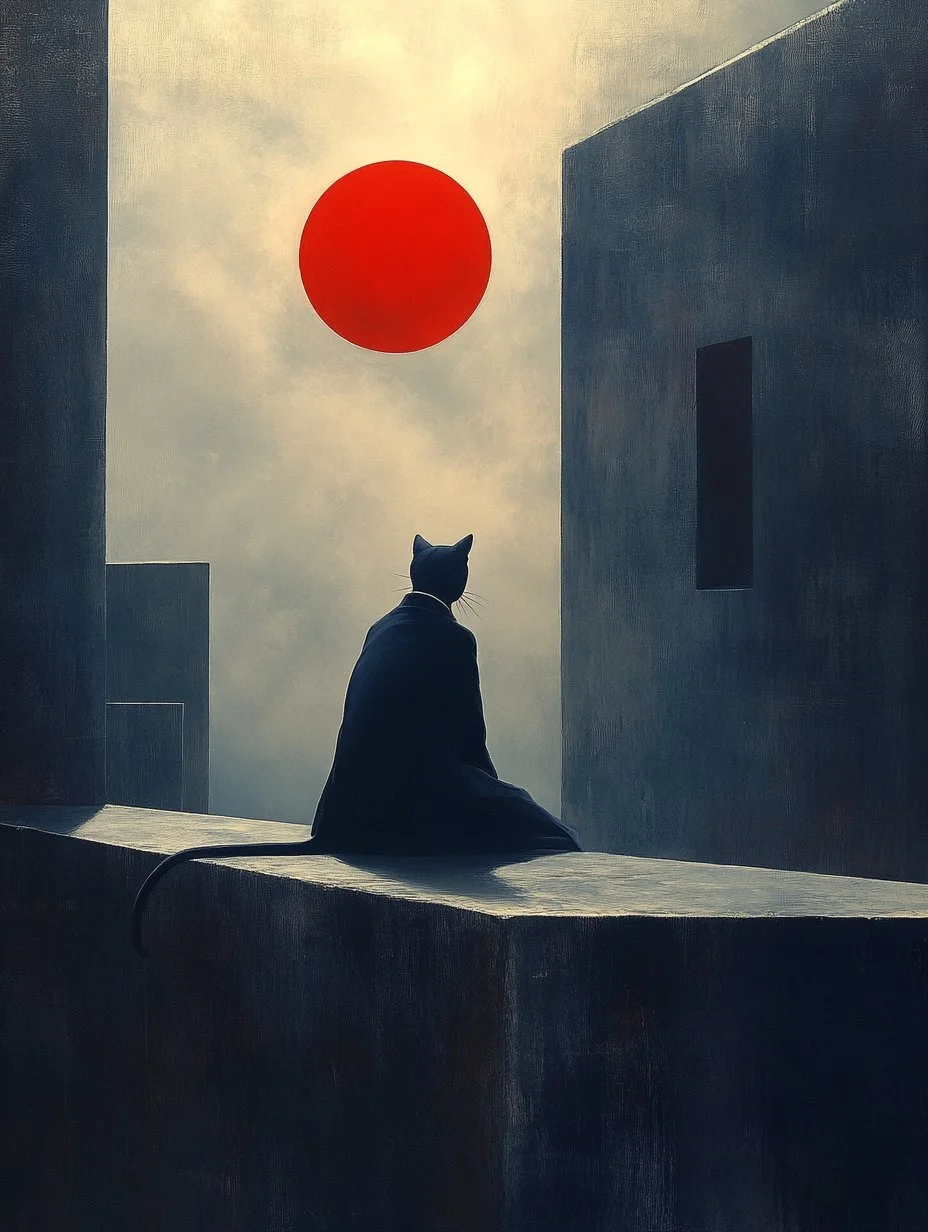
Labyrinth
Without getting too personal, can you tell us a bit about yourself?:
My name is Michael; I am happily married and father of a son. Even as a child, I was fascinated by technology, and so my career path was mapped out: telecommunications electronics technician, then automation technician, and finally independent IT service provider. I later moved to a software company and have been the head of the support department.
Could you please tell us which country you live in?:
I live in my country of birth, Germany.
What led you to begin working with AI imagery?:
I am a visual person and have loved comic books and graphic novels since my childhood, which led me to start drawing. First with pencil and fine liner, and later also digitally.
In 2022, I discovered this new world of “artificial intelligence” through ChatGPT. When I realized that AI could also be used for graphic design, I was hooked. I was immediately fascinated when I created my first AI images with text prompts. At some point, I came across Leonardo.Ai and got stuck, partly because there is a great German Leonardo community on Discord that helped me a lot. Through them, I even had the opportunity to take part in an art exhibition in Gotha/Germany with some of my pictures, with the theme: “Artistic Intelligence - How Art is Created.” All this made me want more, and I couldn't get away from AI art.
What AI tools do you use?:
Besides Leonardo.ai, I mainly used Dall-E in the beginning and tested all kinds of tools on the side. At some point, I came across Midjourney and chose it as the ideal AI graphics tool for me. And it has remained so to this day. I create 95% of my images with it.
What inspires you?:
Originally, fantasy and sci-fi, which I devoured as comics or books, myths, and historical events were added. Later, it was more my own experiences and thoughts that I tried to depict visually. My “Great Sands” series of pictures has its origins in trips to Egypt and Tunisia, where I was able to explore the Sahara, which was an impressive experience. I now find inspiration everywhere, or rather inspiration finds me, as this is not a process that I can consciously control. Basically, other artists inspire me.
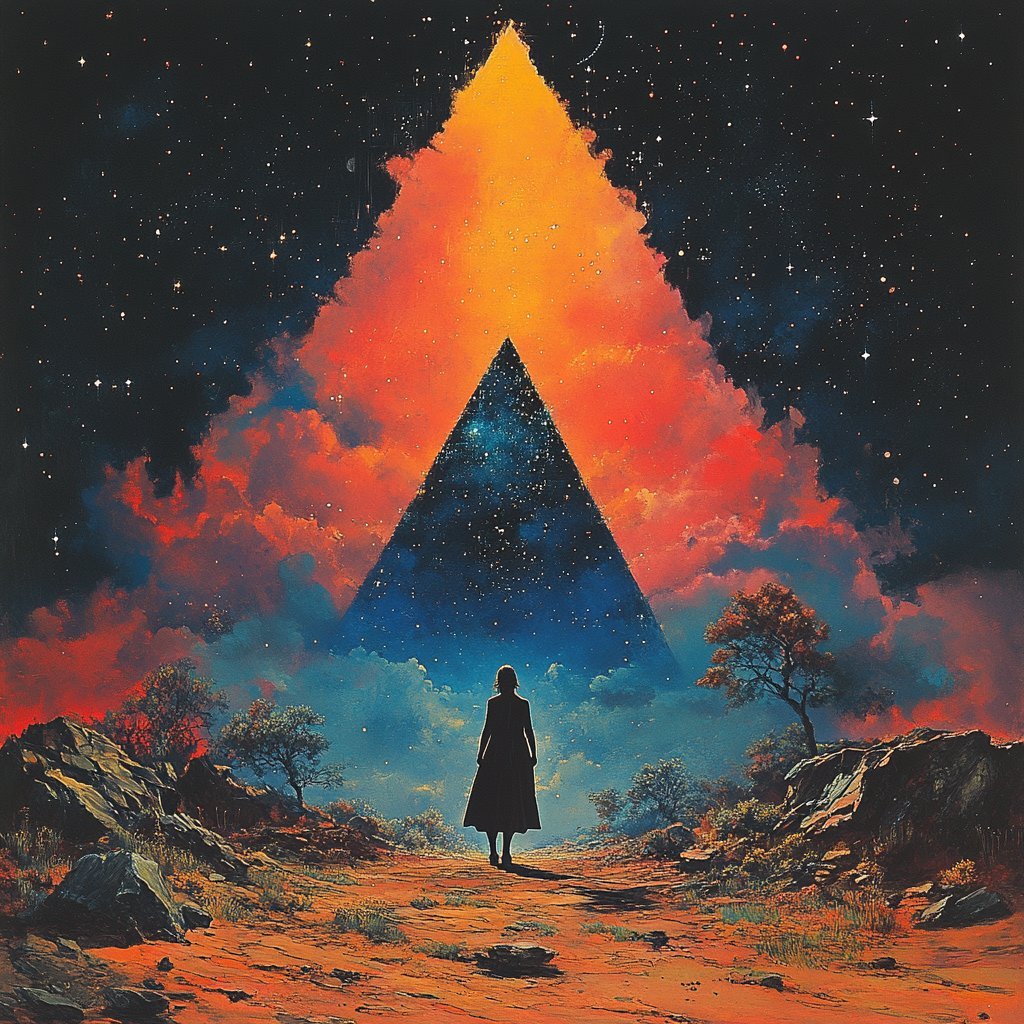
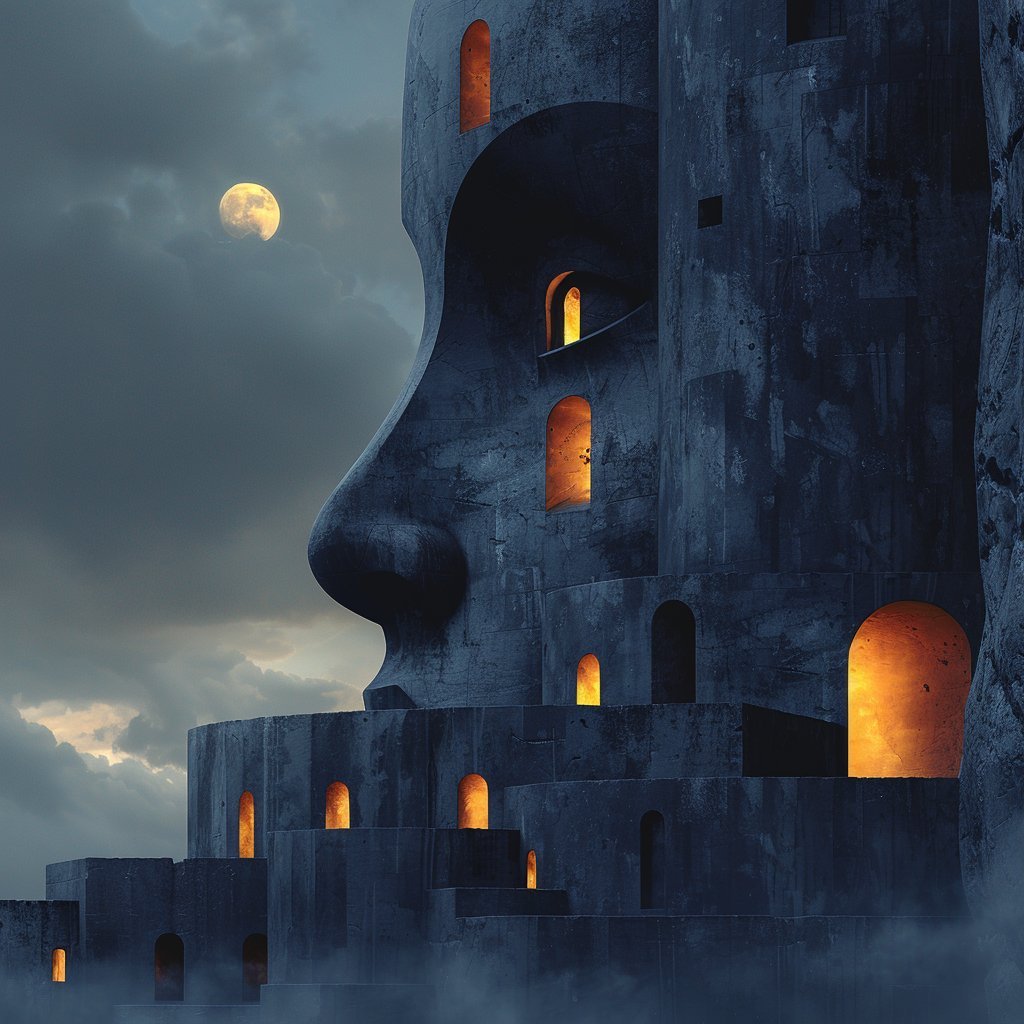
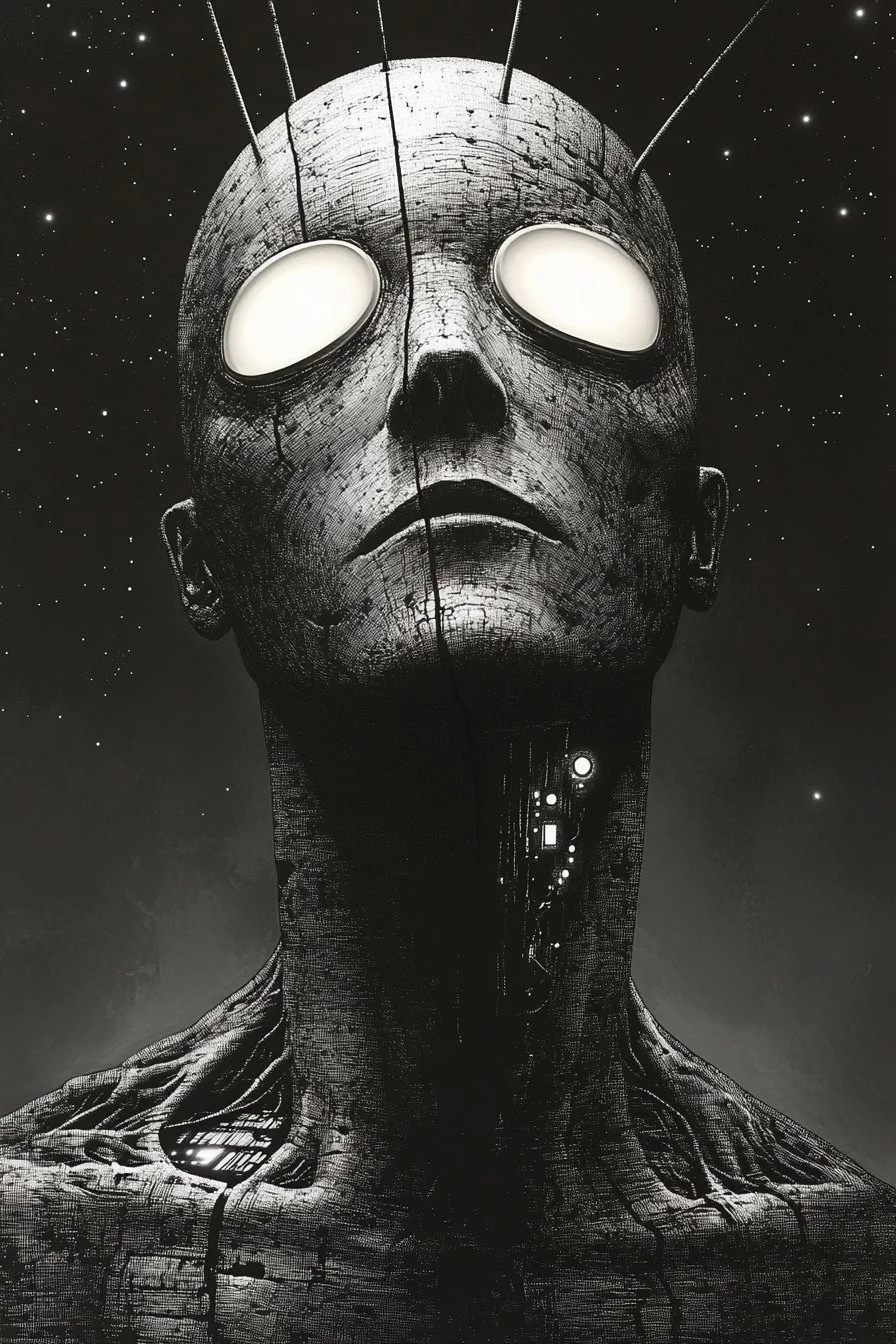
The hole
(One of @revelinai’s favorite images by Mitra)
In which other medium, if any, do you practice art?:
I used to write stories and poems and draw a lot, but now I almost only use AI and graphics tools to express my creativity.
Would you consider AI-generated art true art?:
Yes, because it's not the tool that counts, but the creative idea and the design. Or, as I wrote about one of my pictures on X:
“Is that art?” asks his daughter, and he replies: ”Art is a feeling or a thought that you give shape to.” She looks at him skeptically: “That's not what I asked, Dad!” He smiles: “But that's my answer.”
However, I am critical of the fact that the AI tools are trained with the artists' works without their consent. There should be a different regulation.
Please share one or a few of your favorite images with us.:
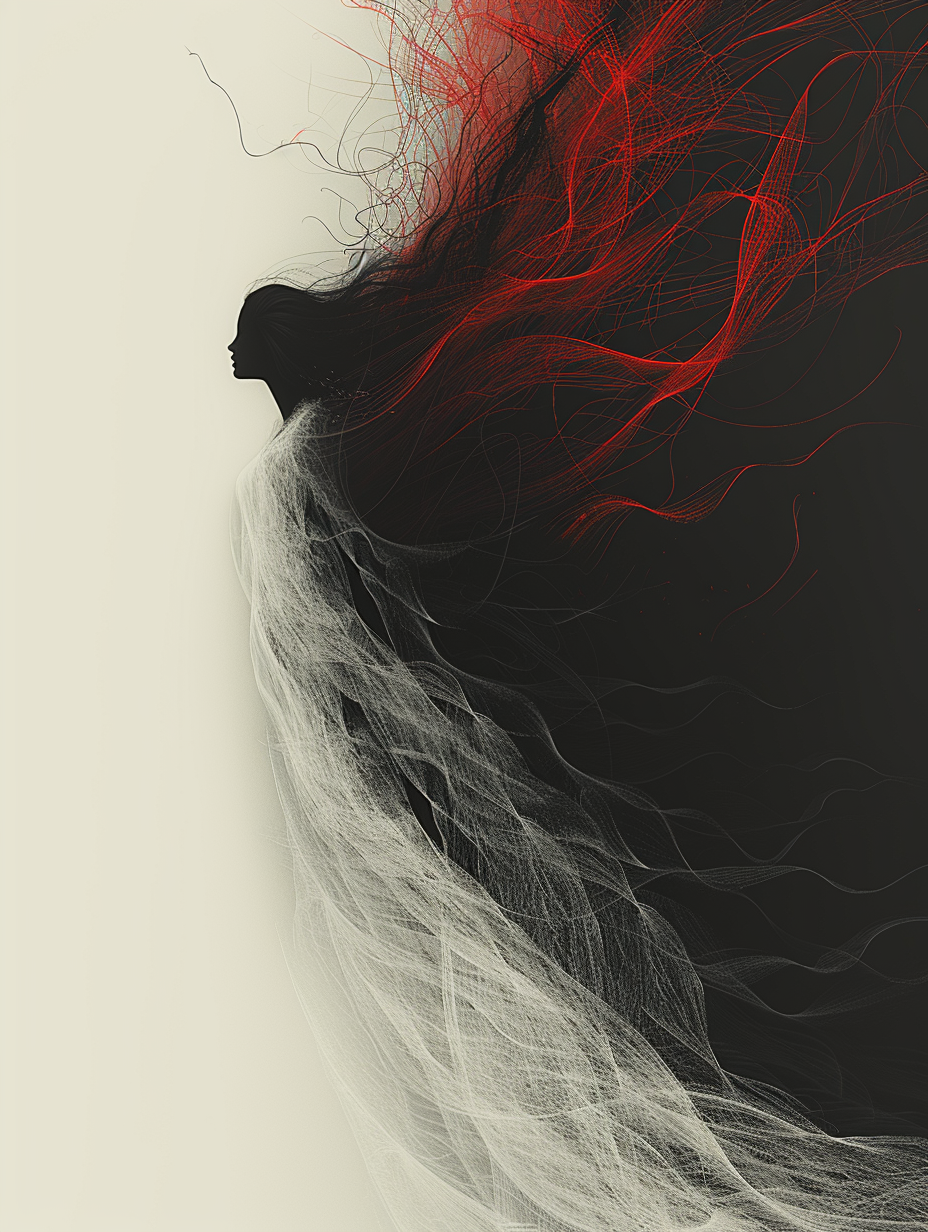
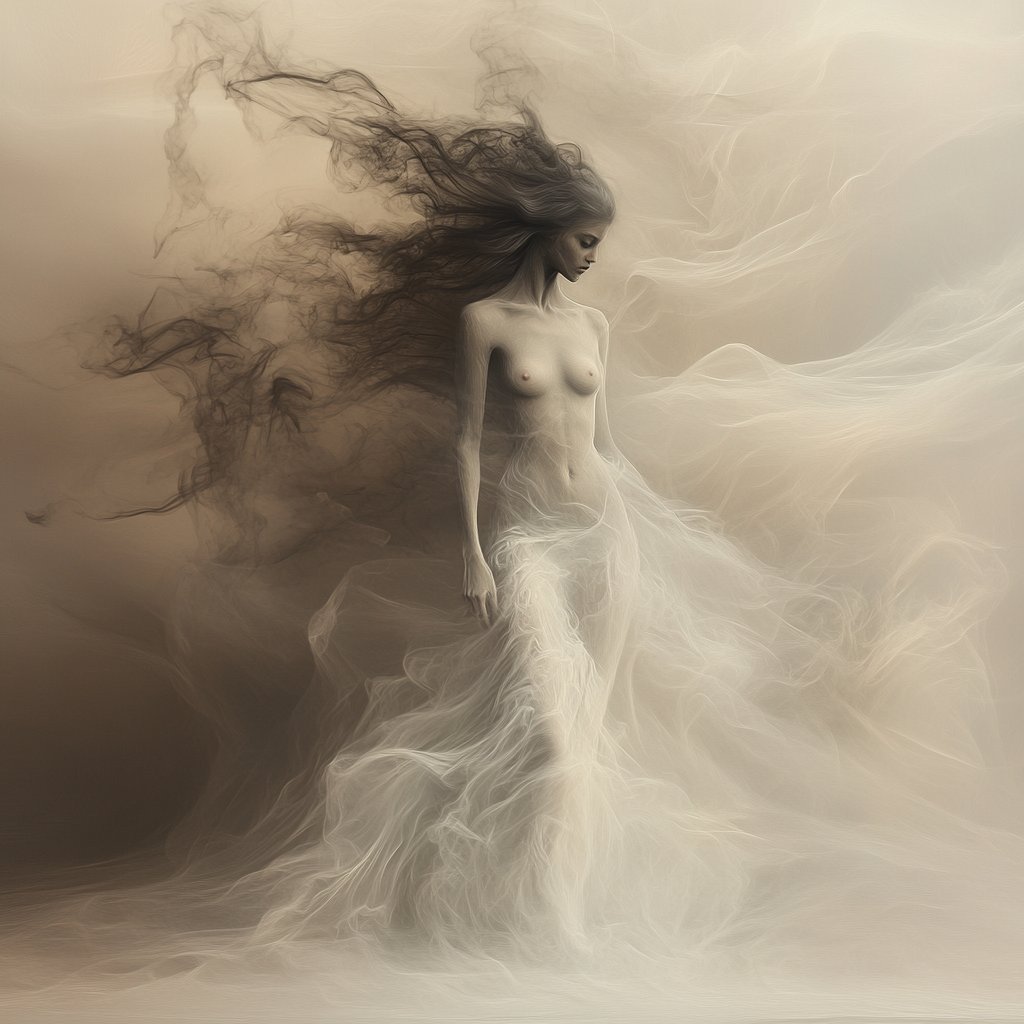
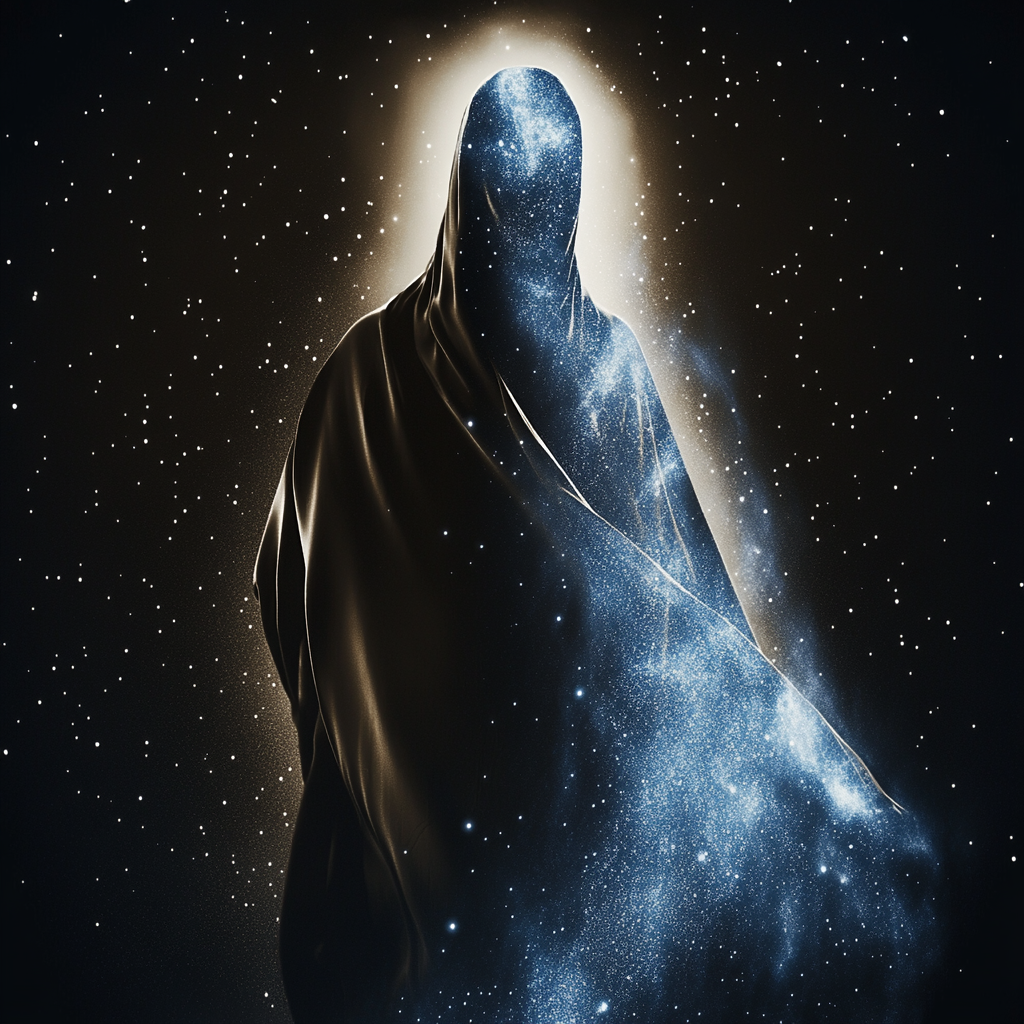
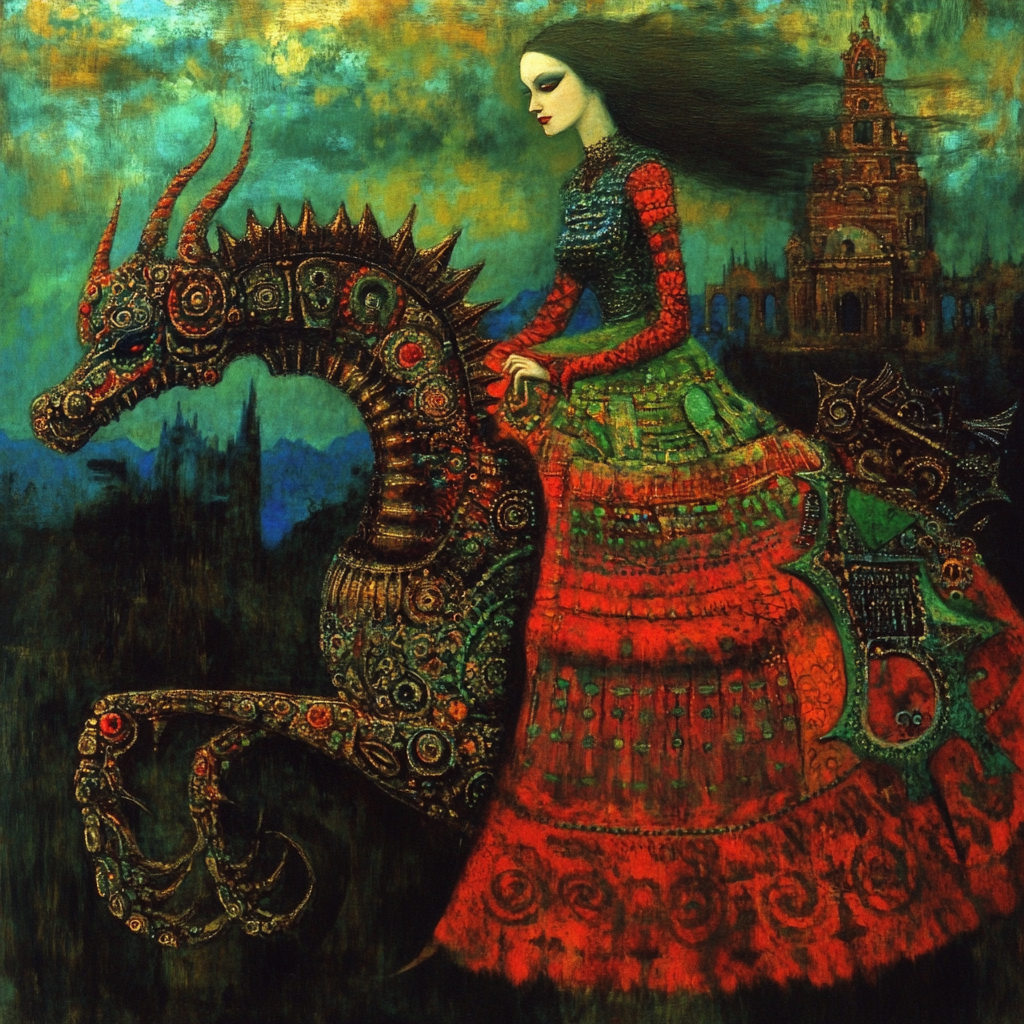
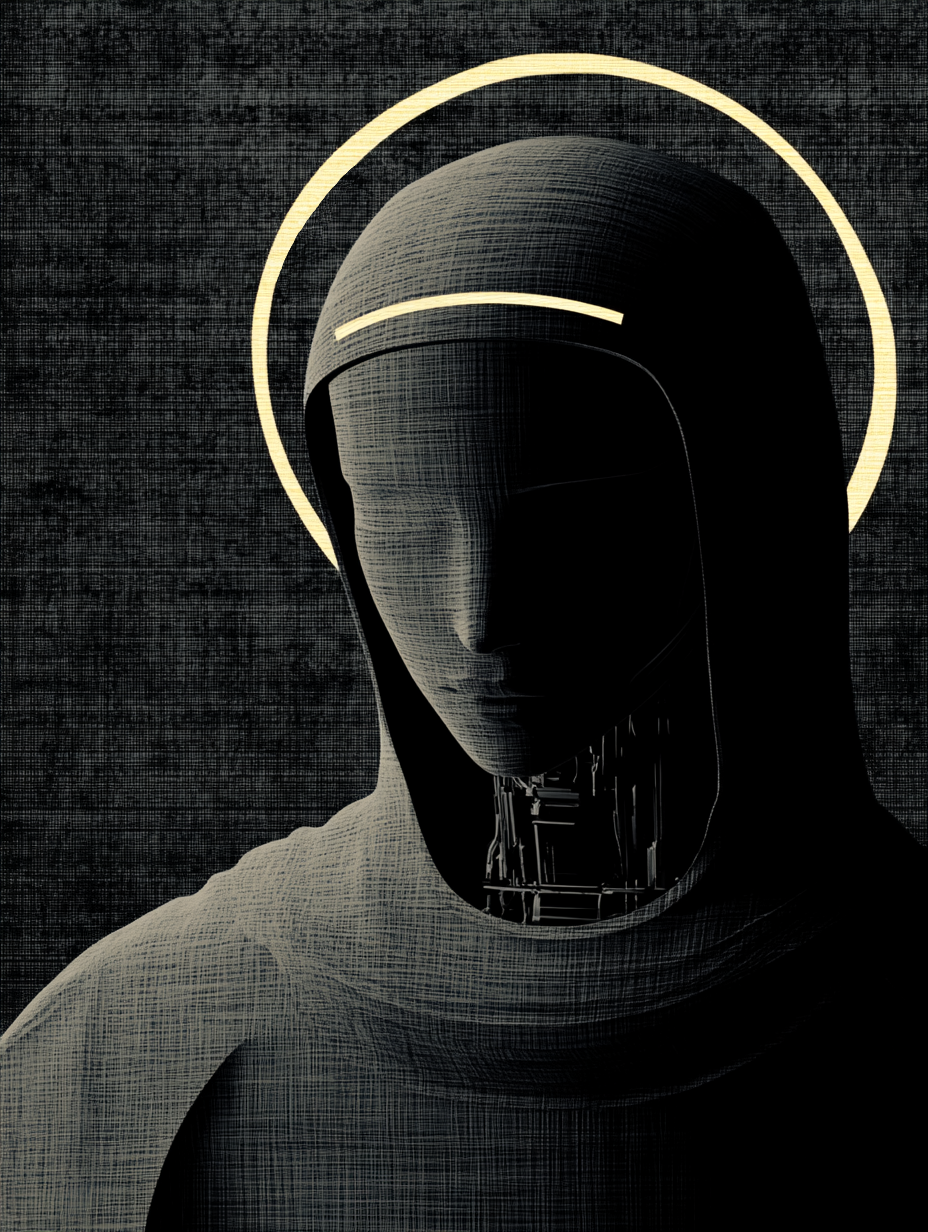
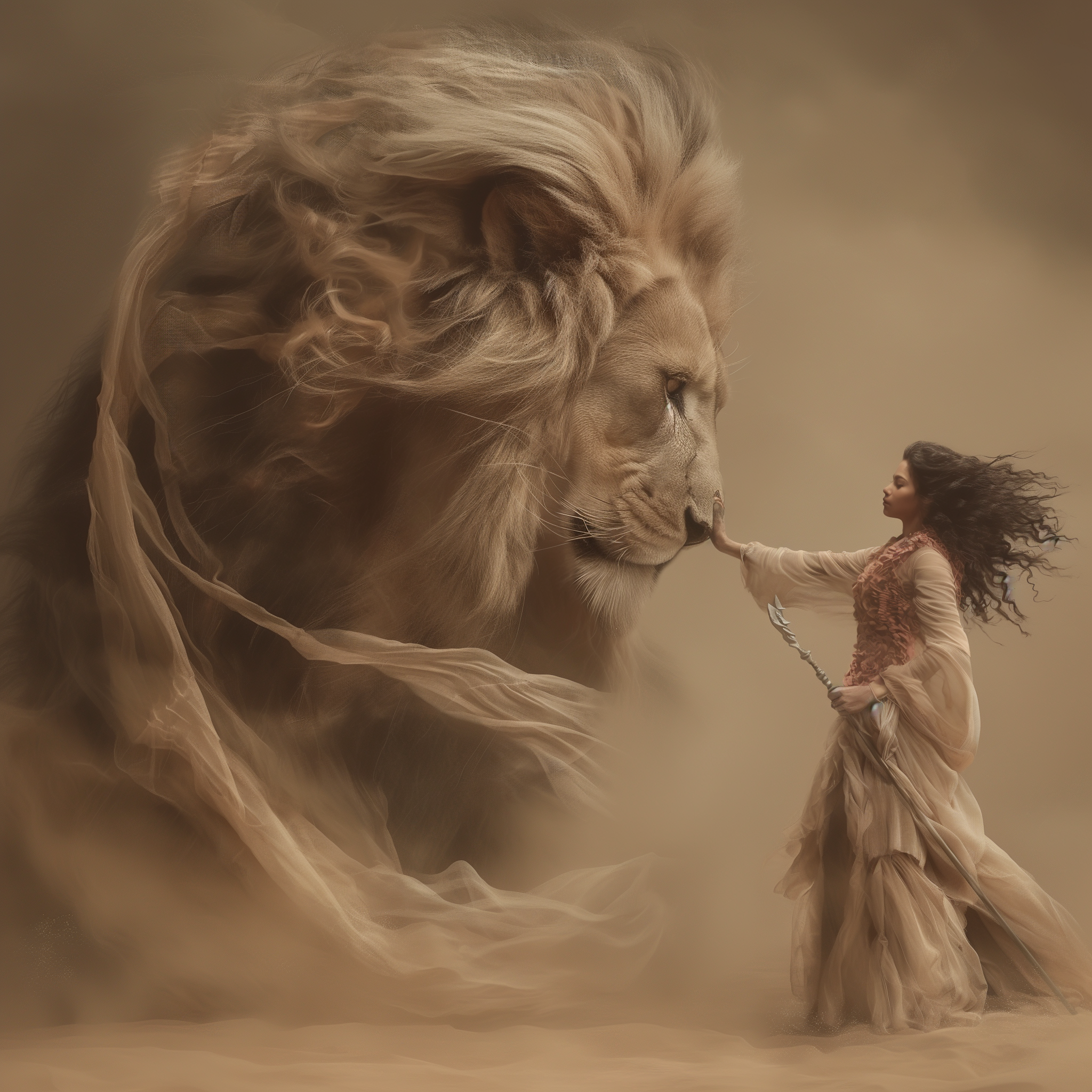
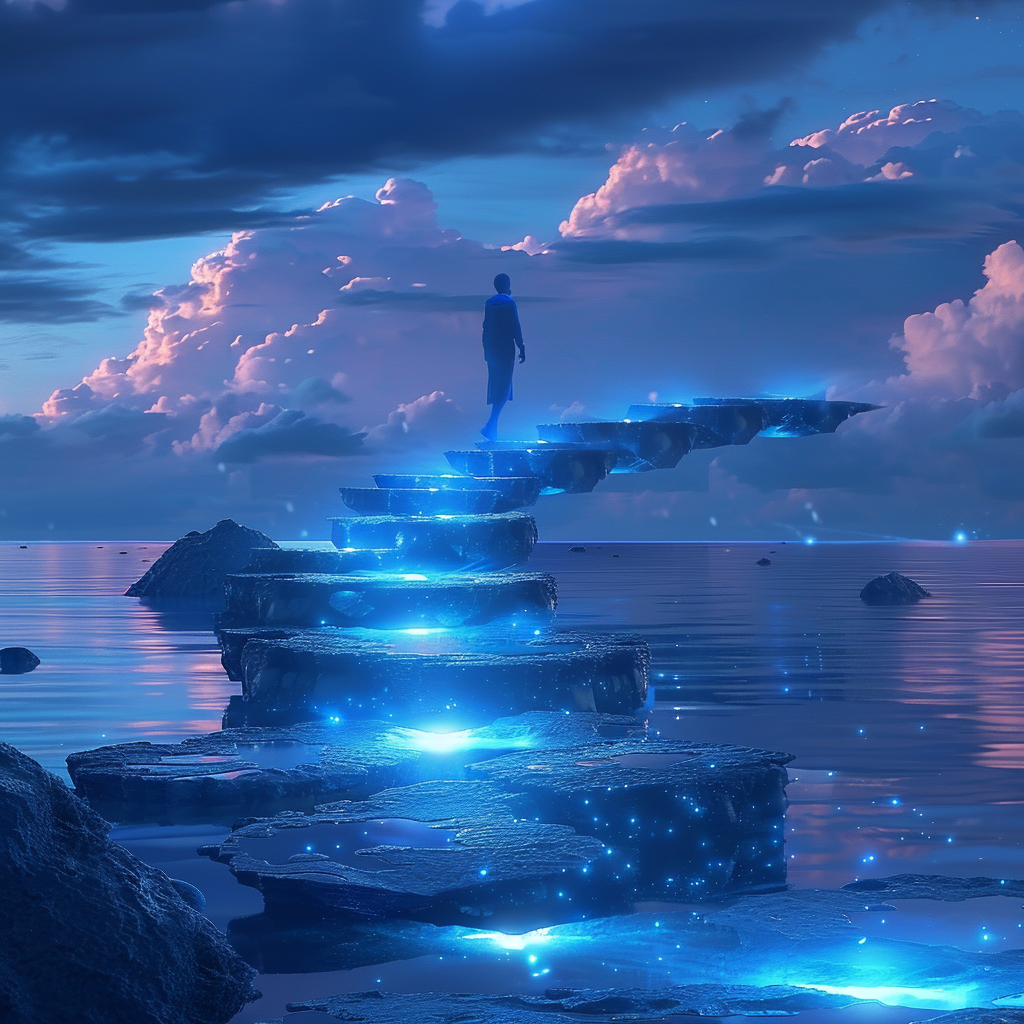
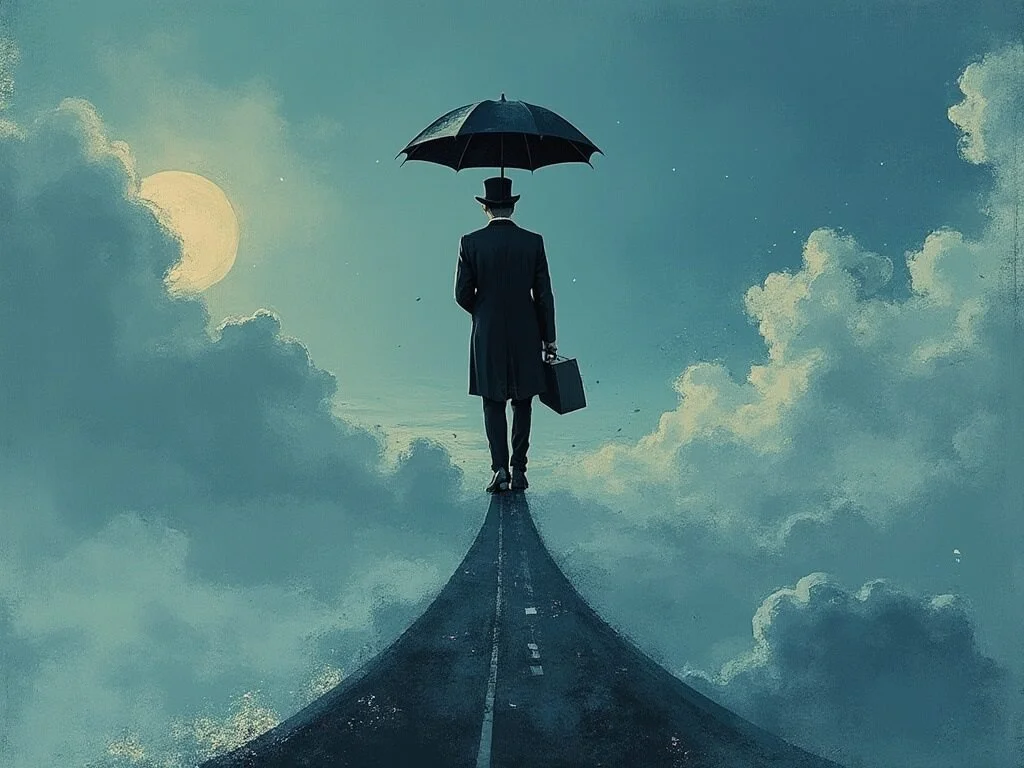
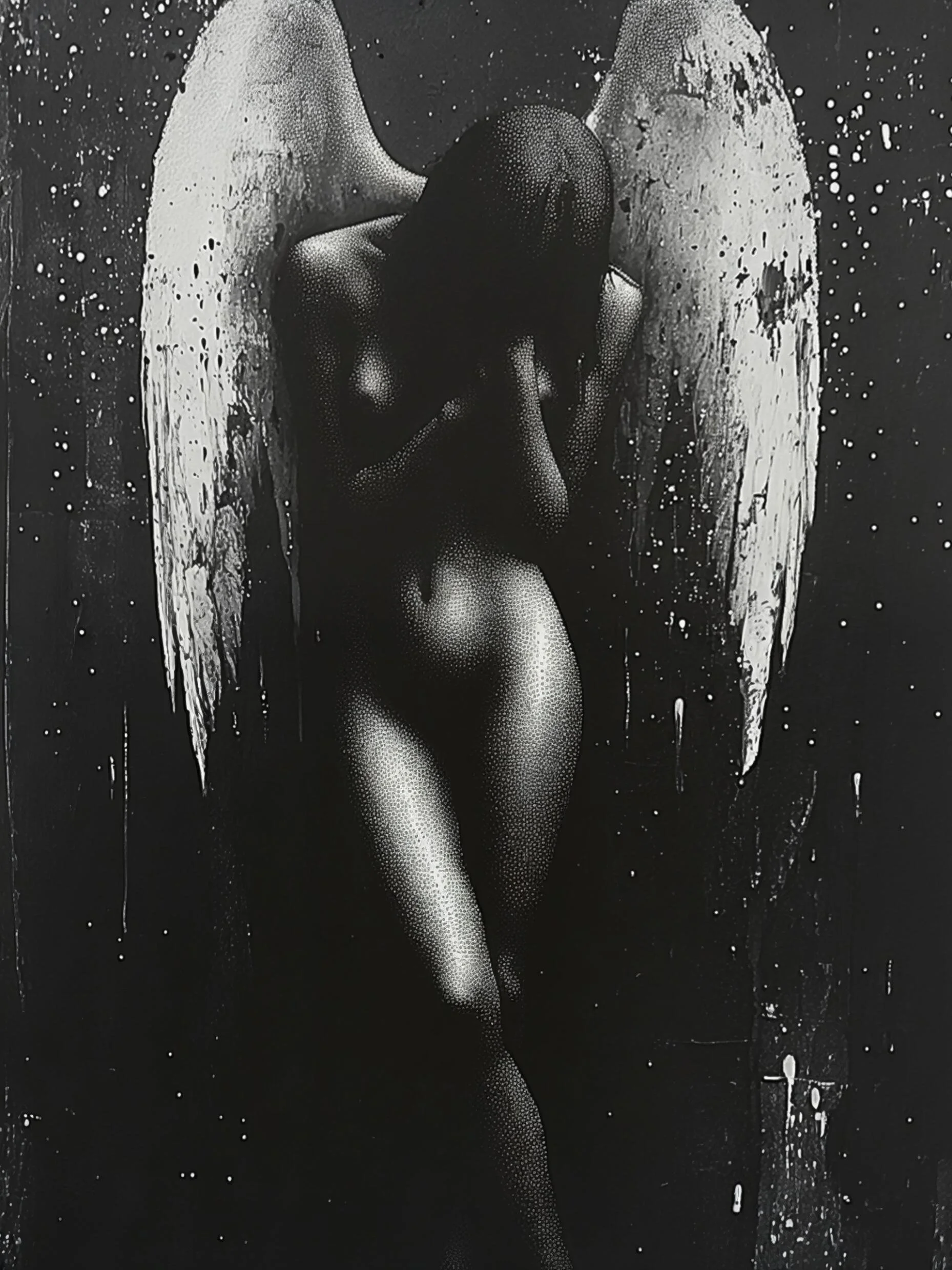
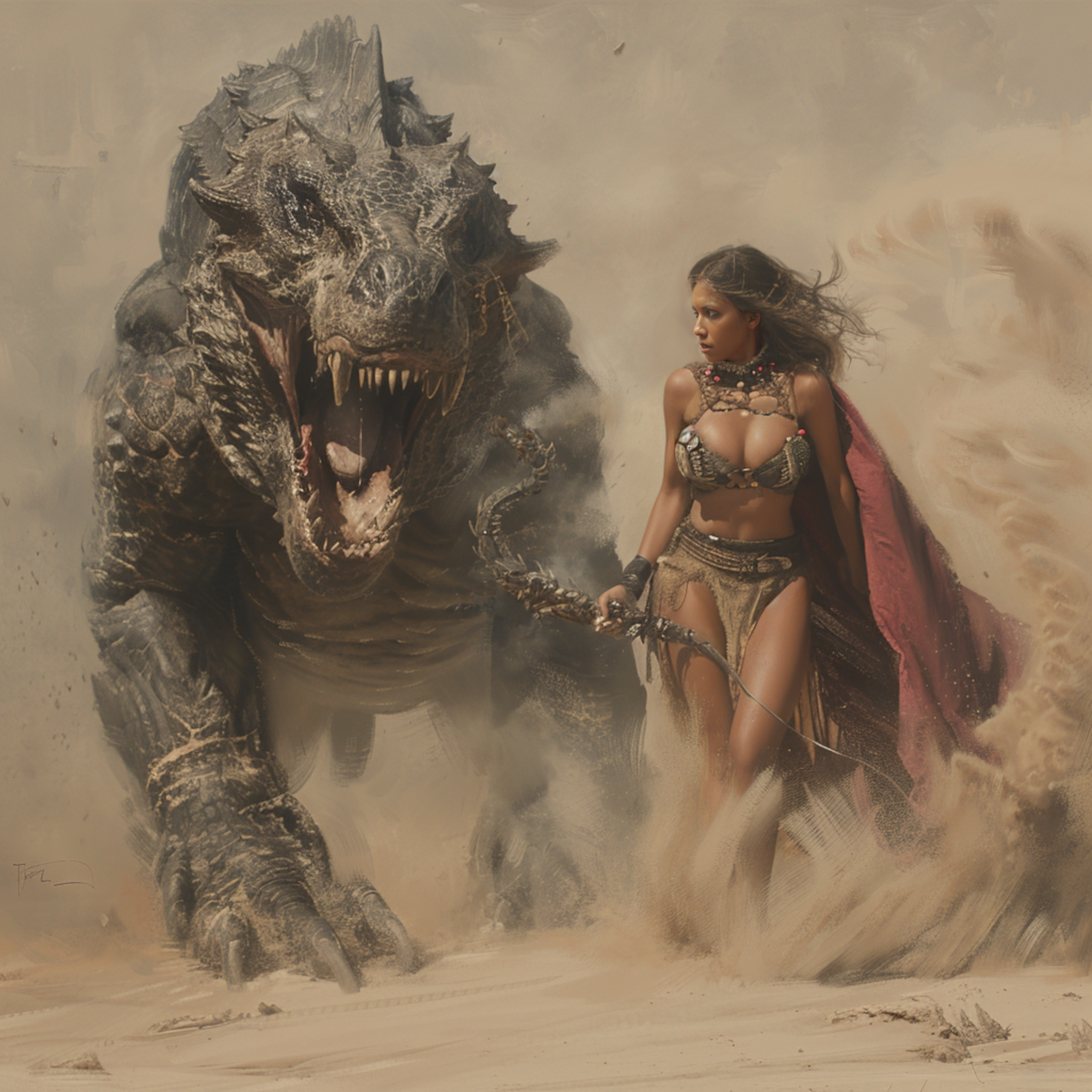
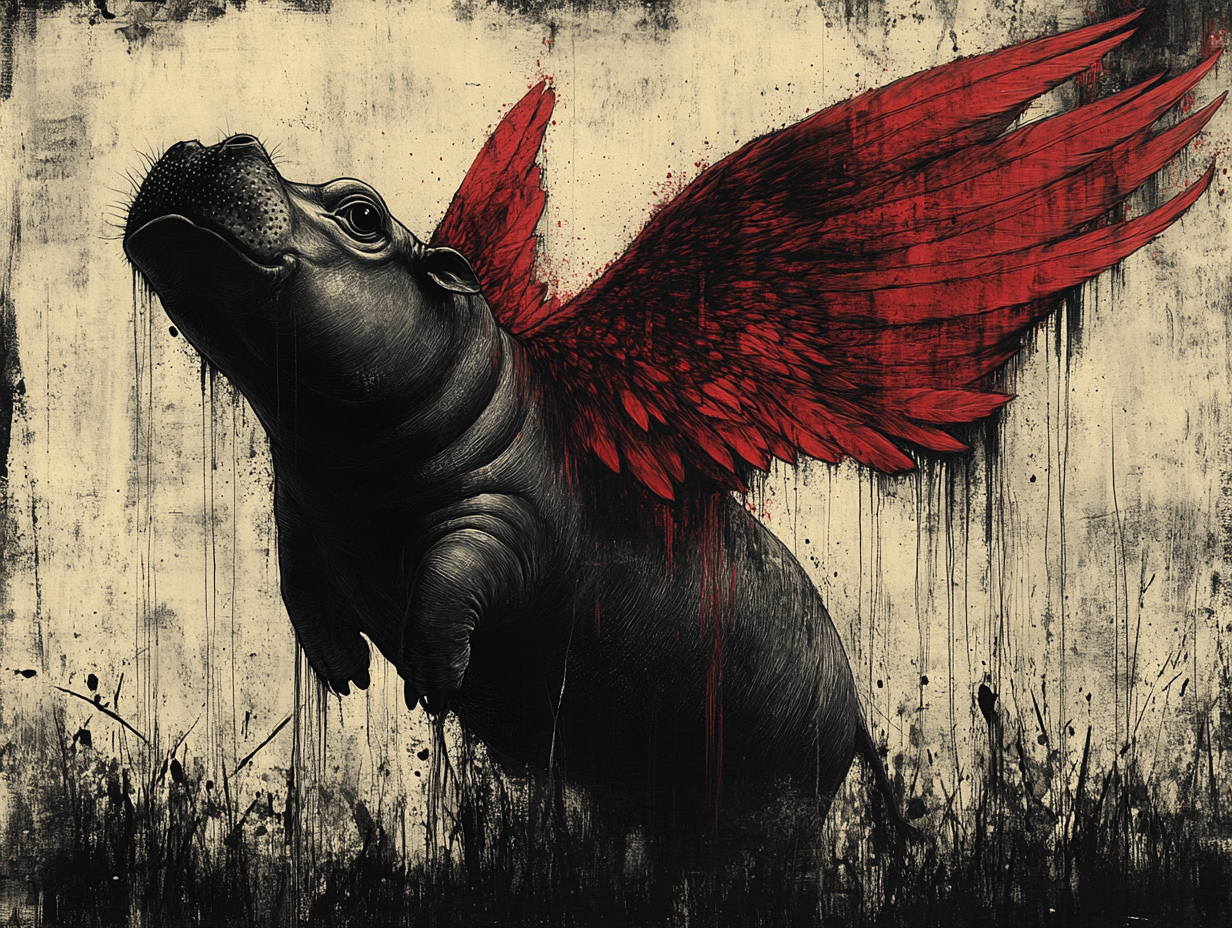
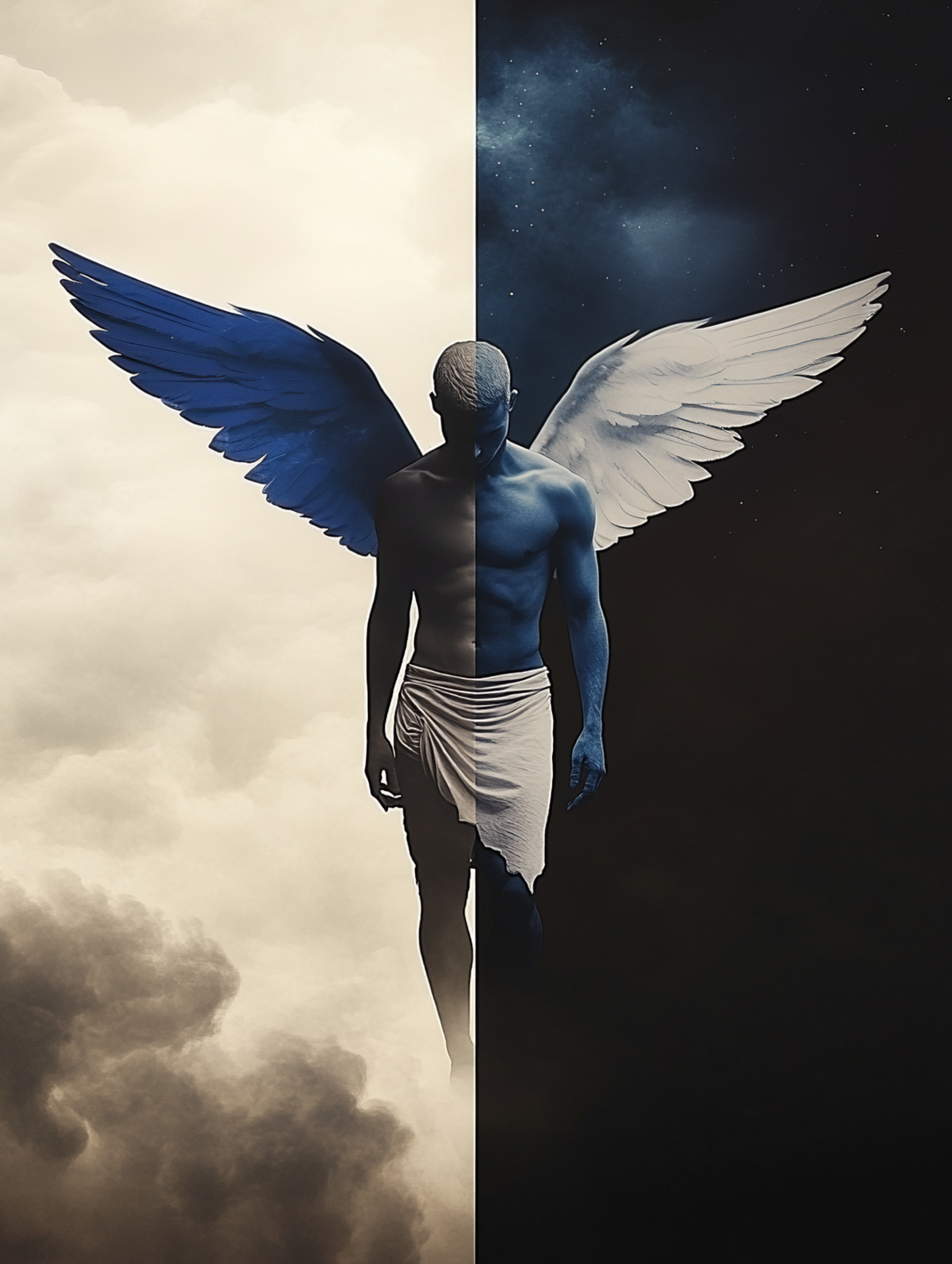
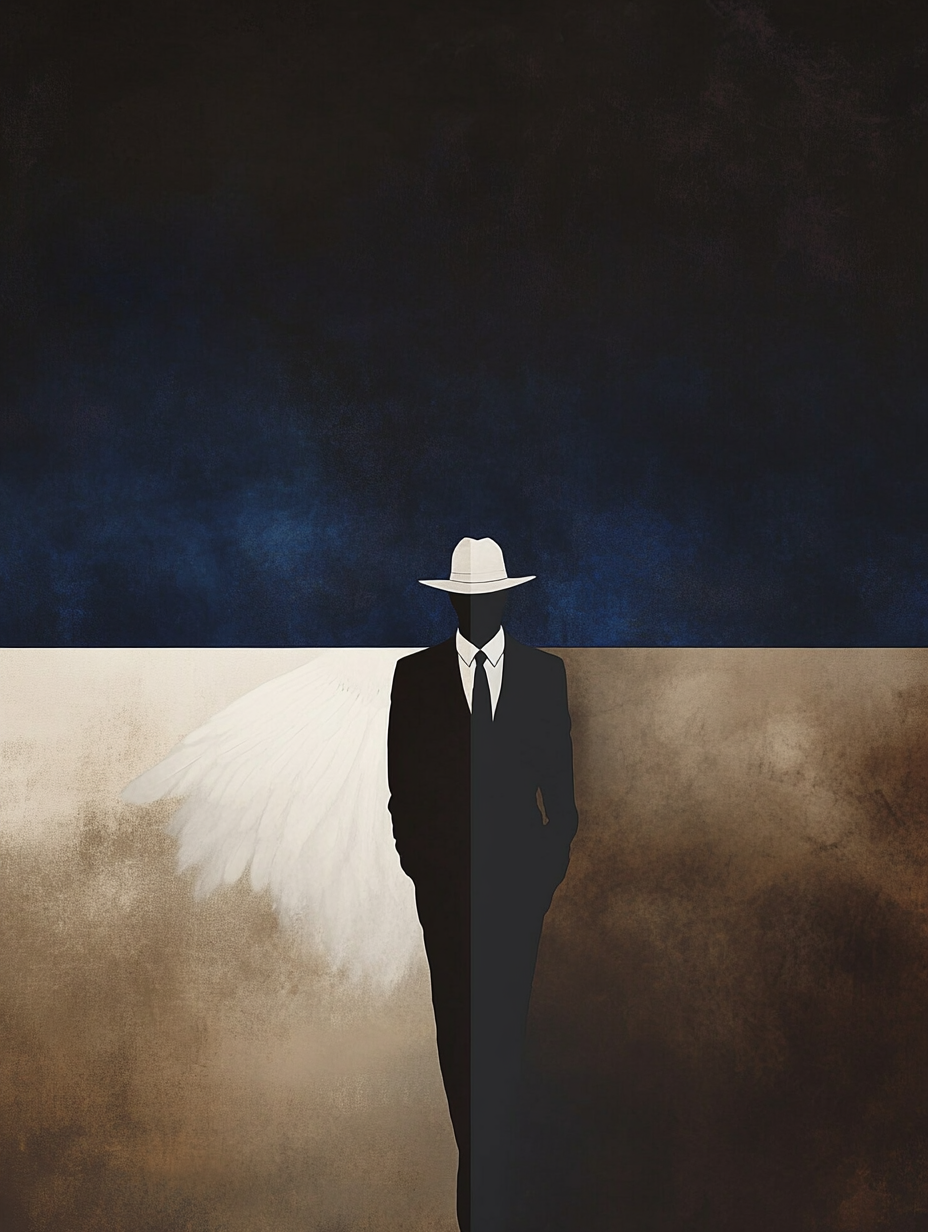
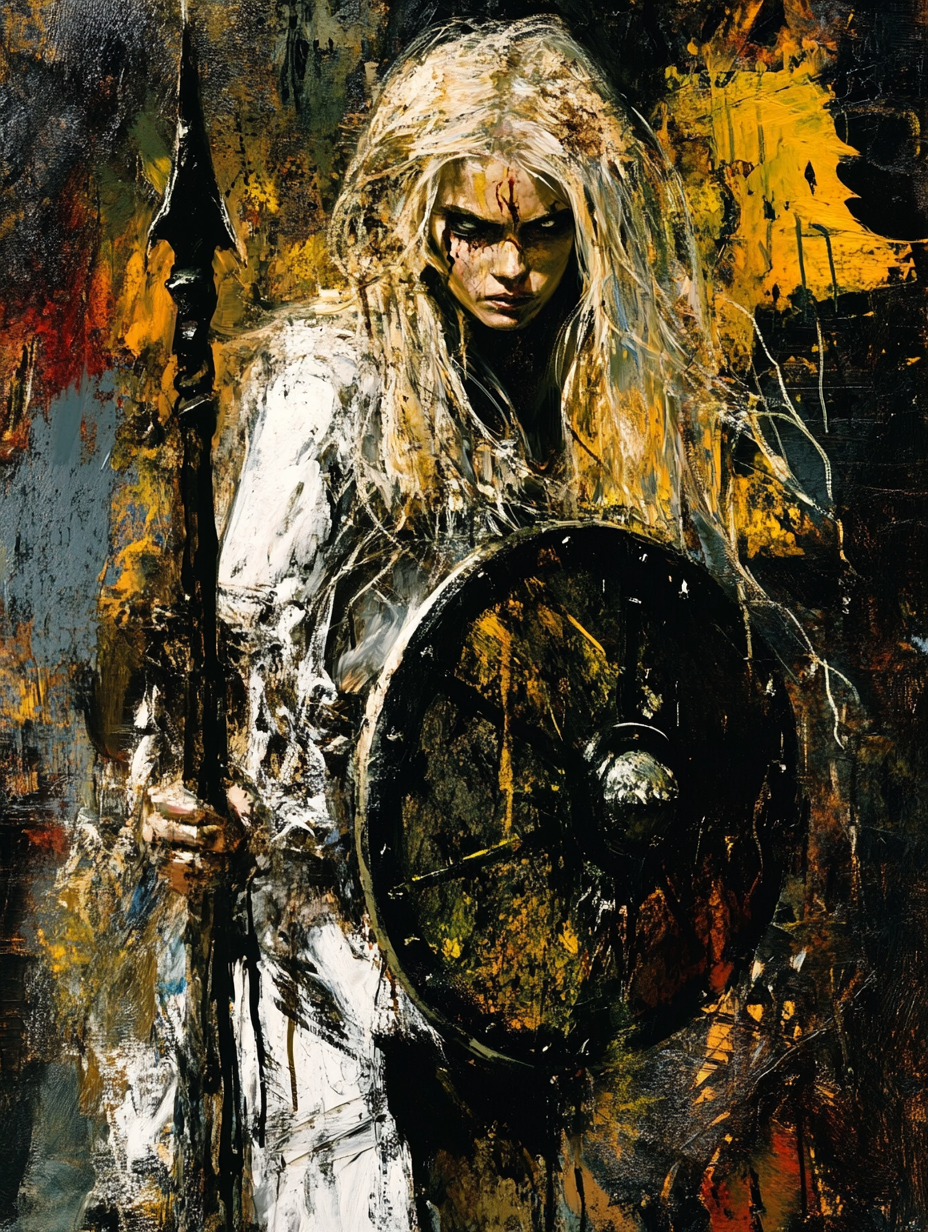
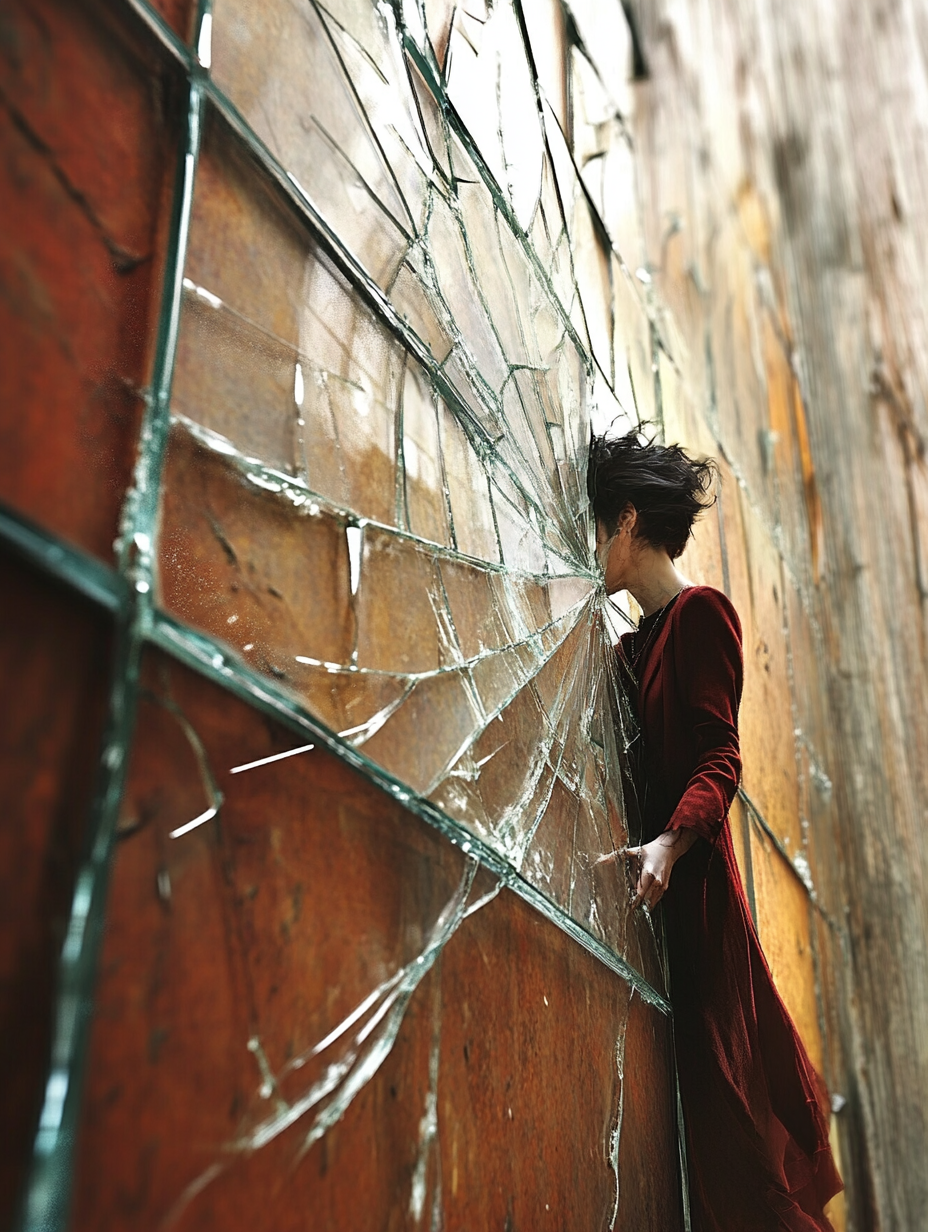
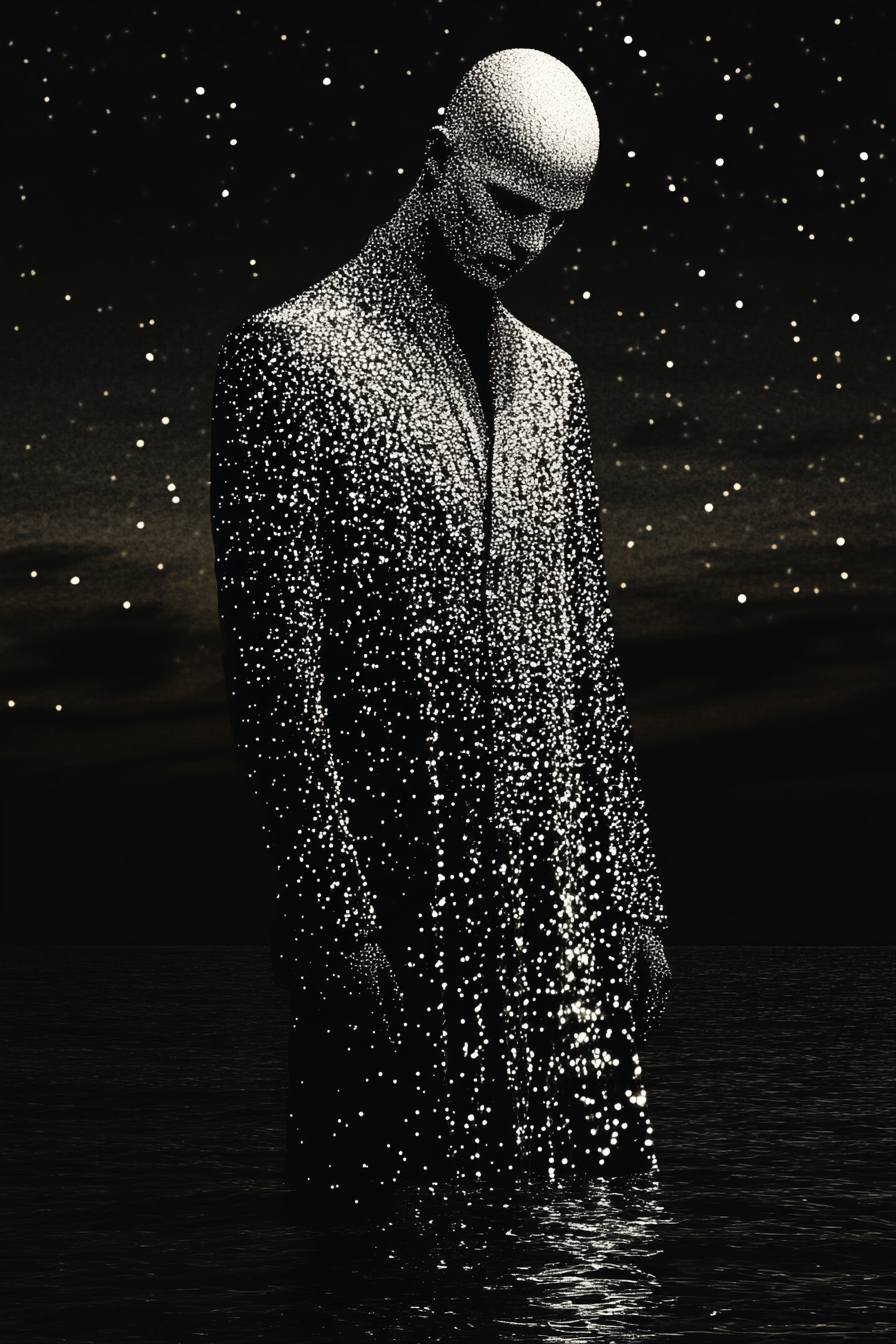
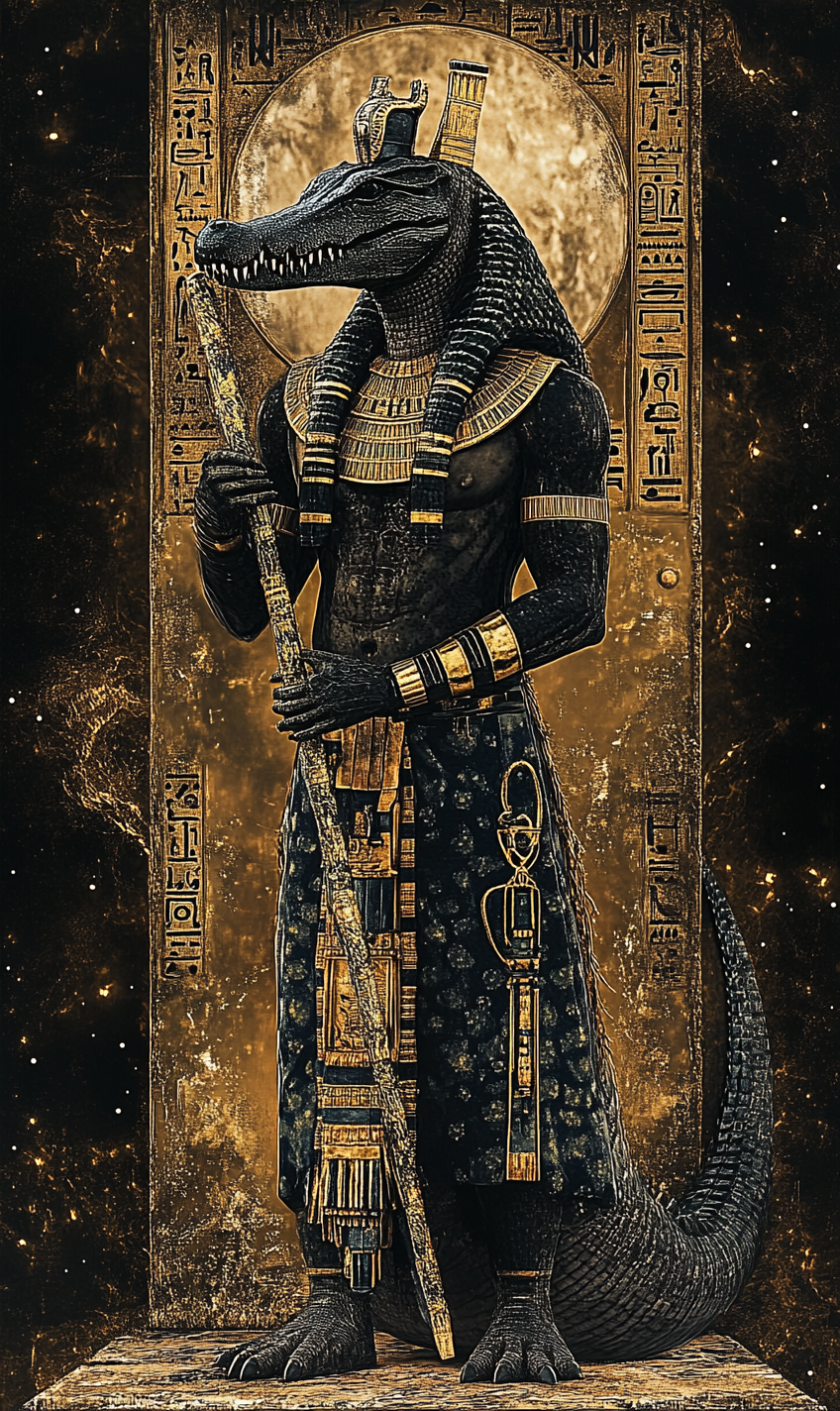
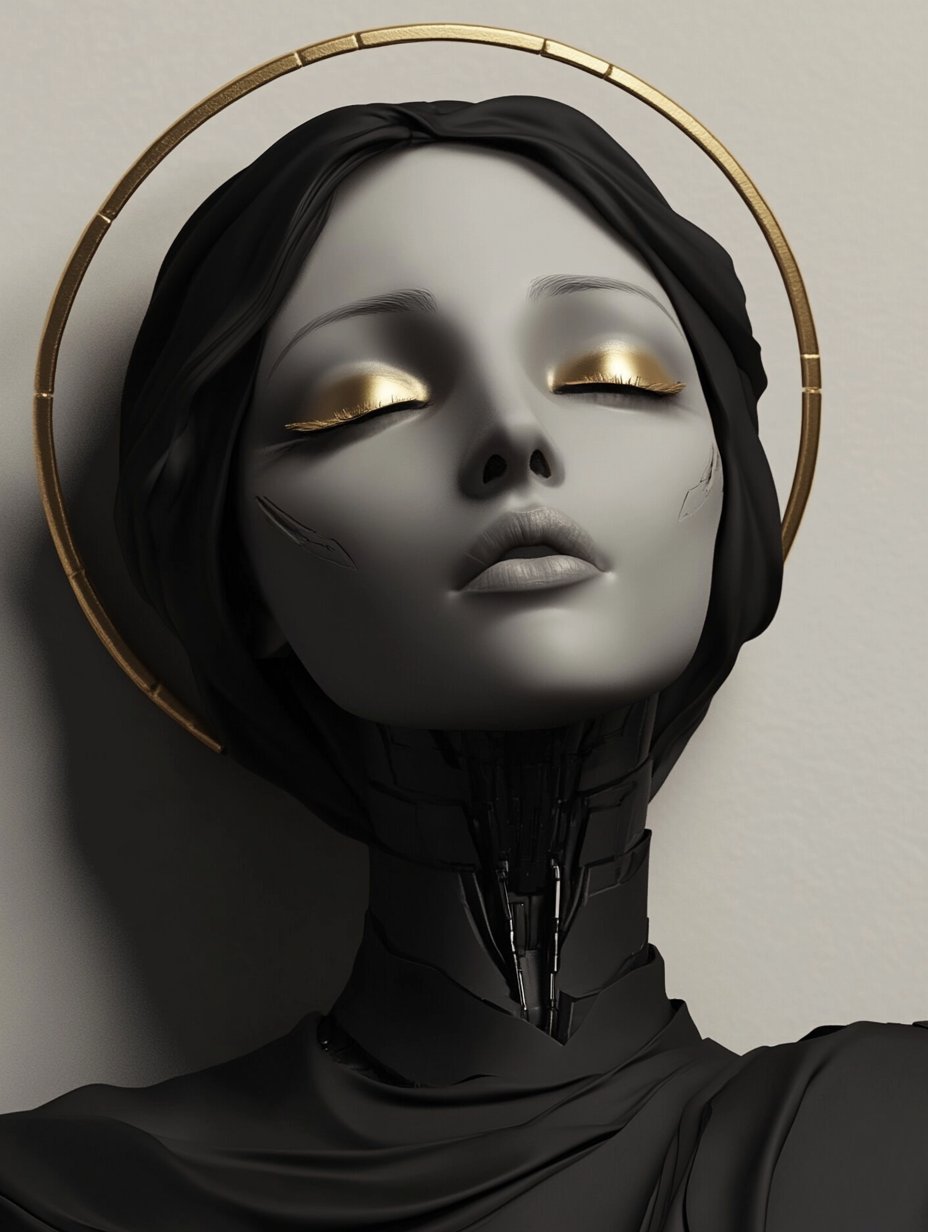
Here are over 40 of my favorite images:
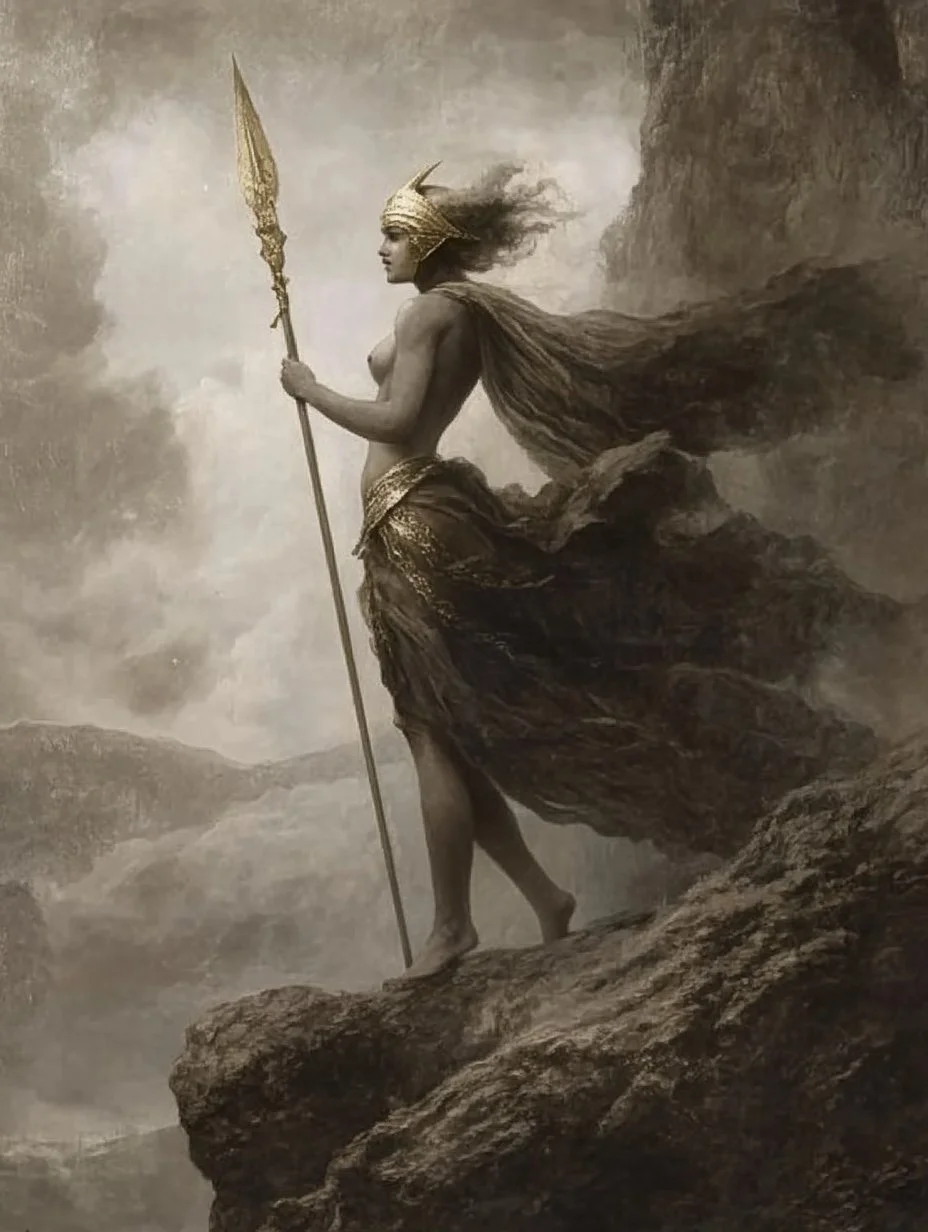
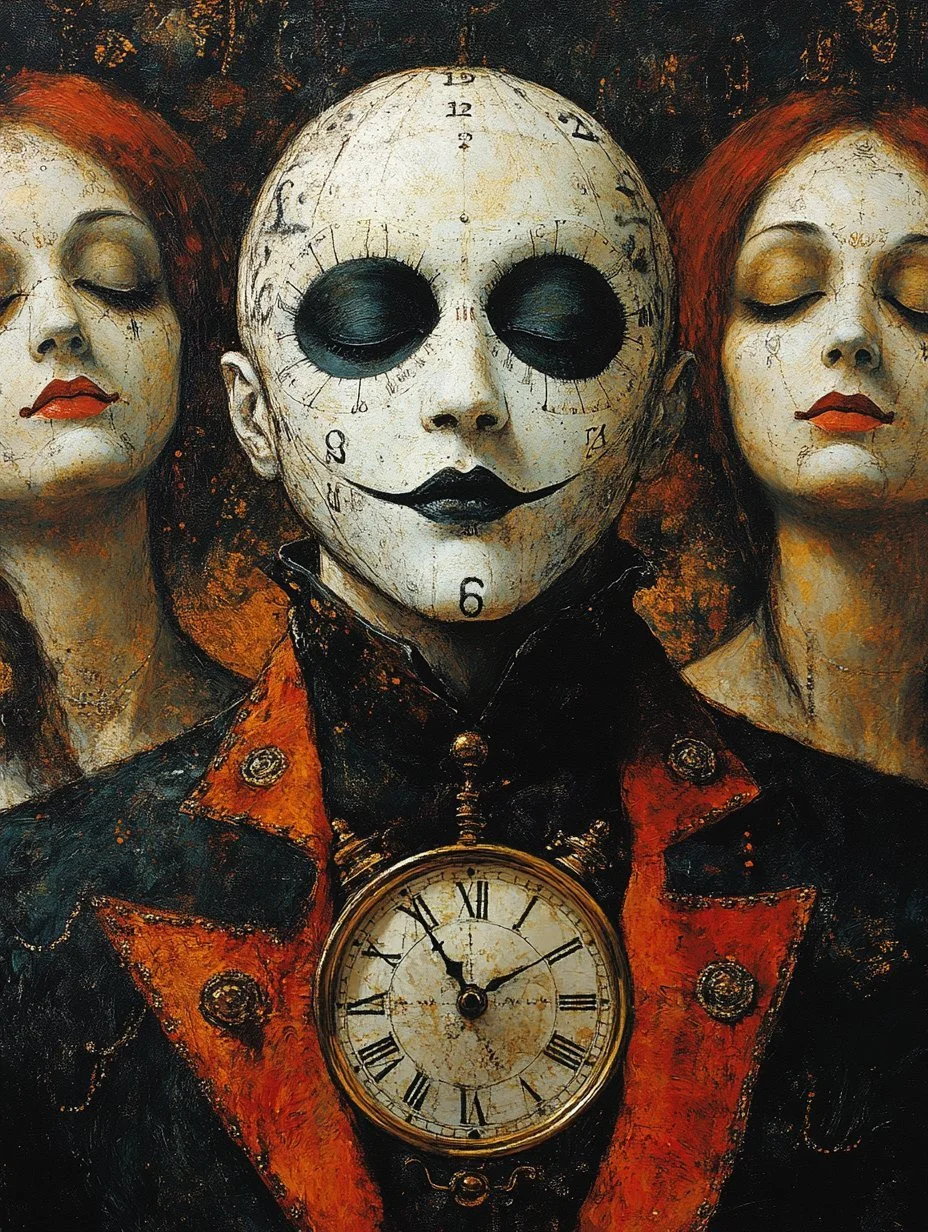
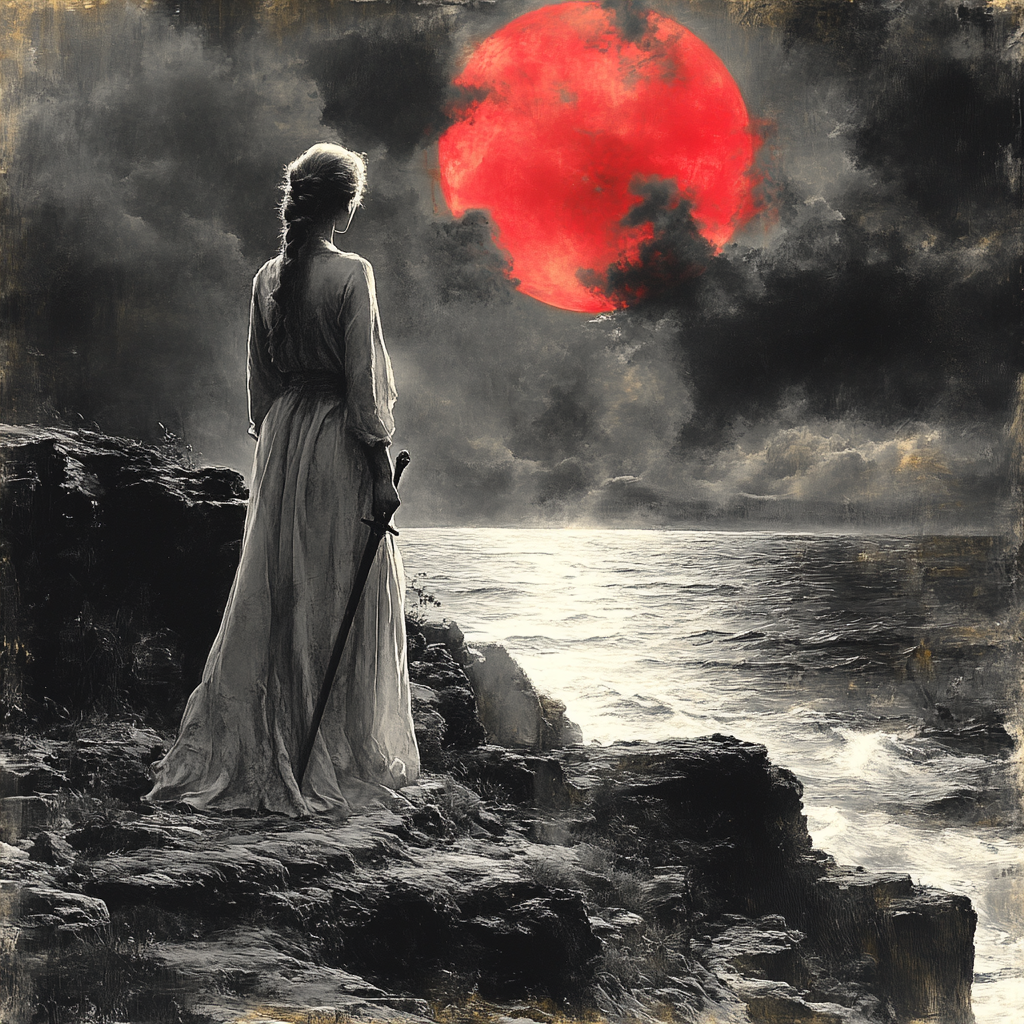
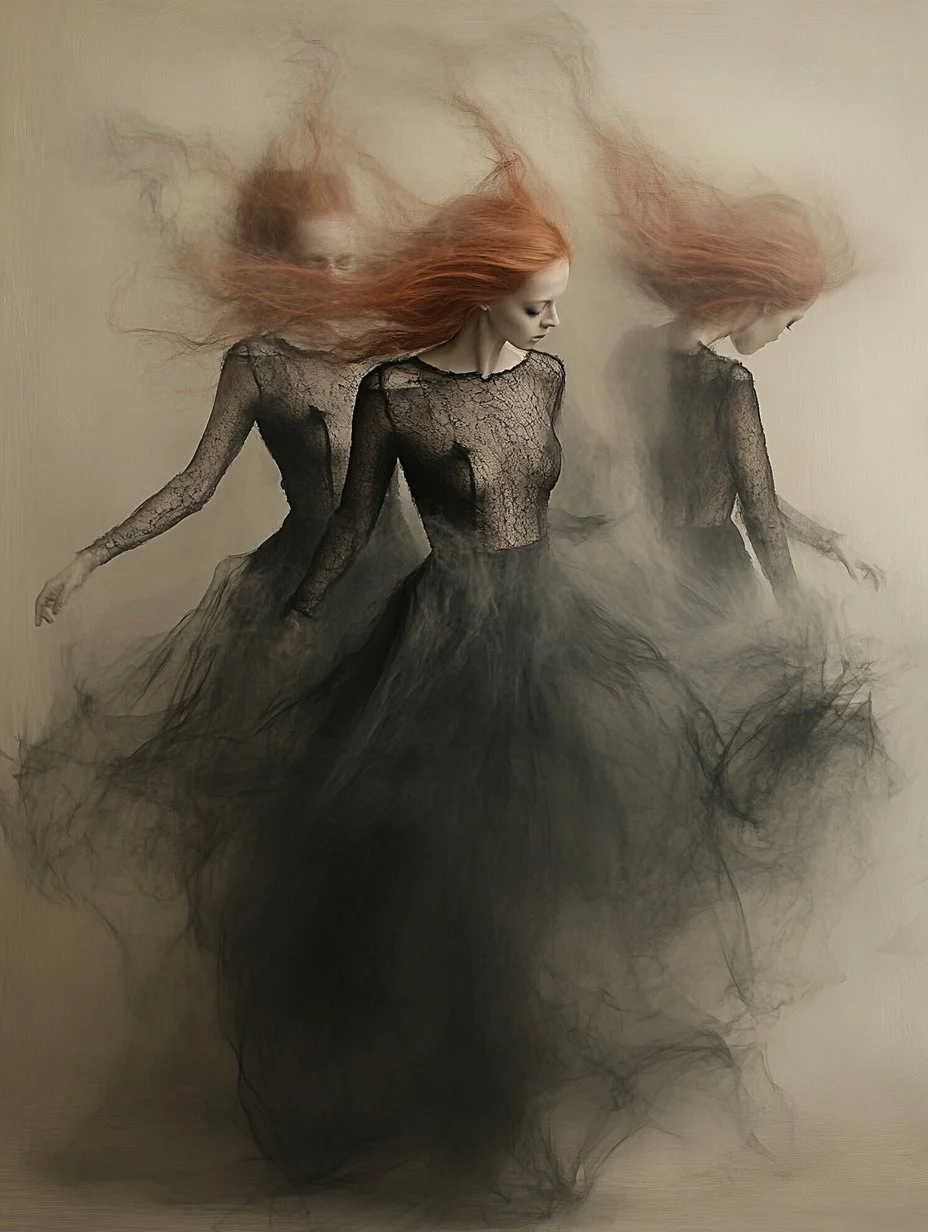
Dance Macabre




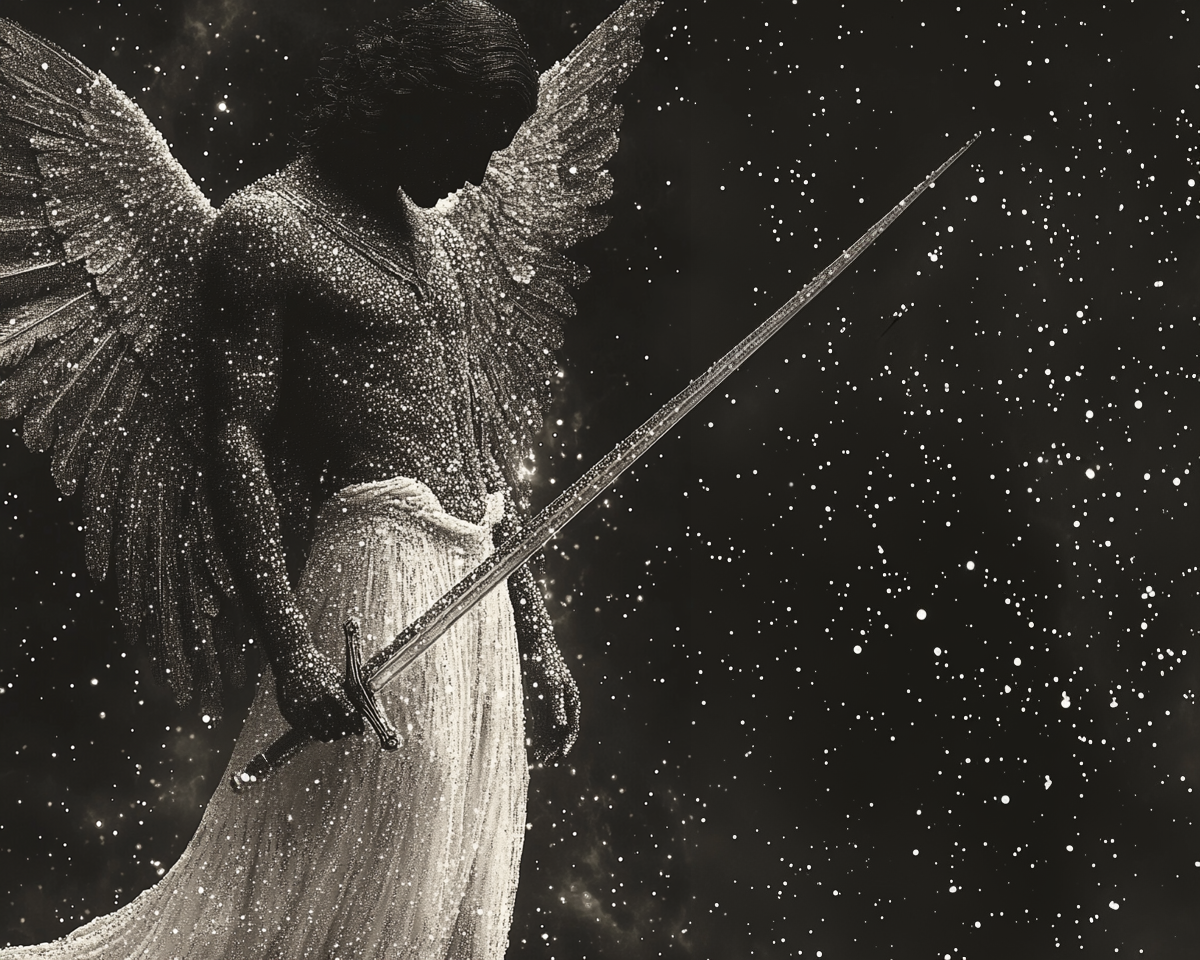
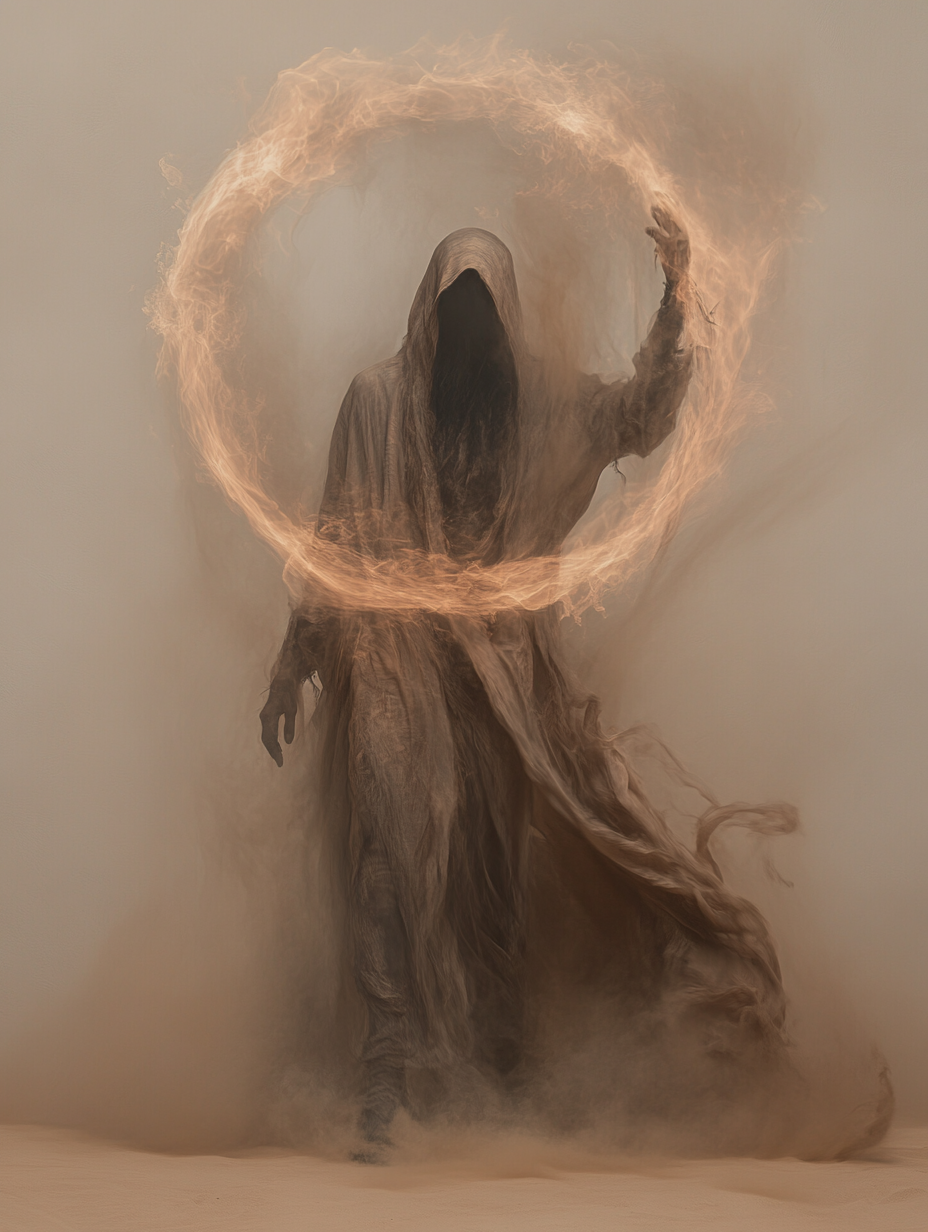
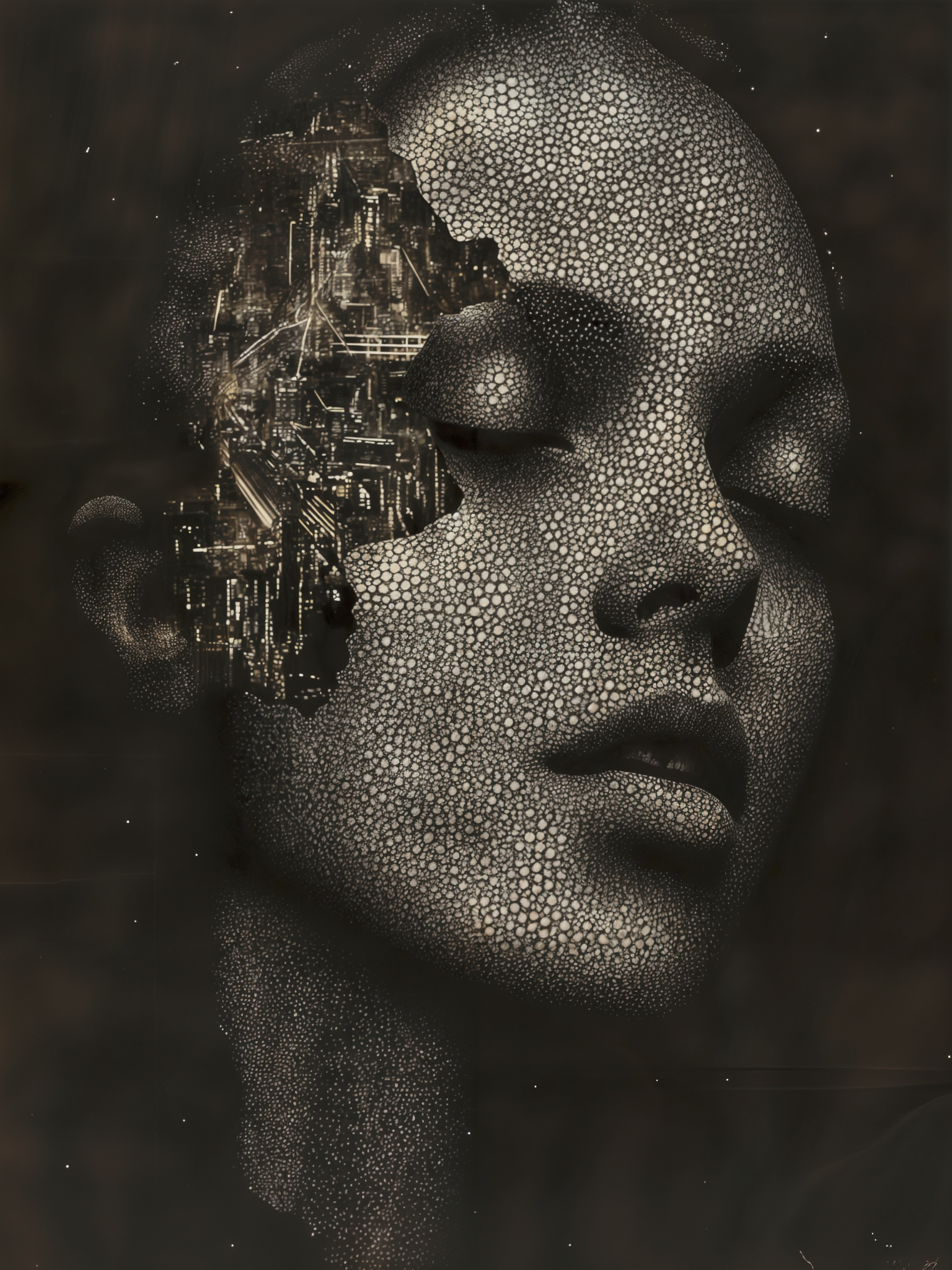
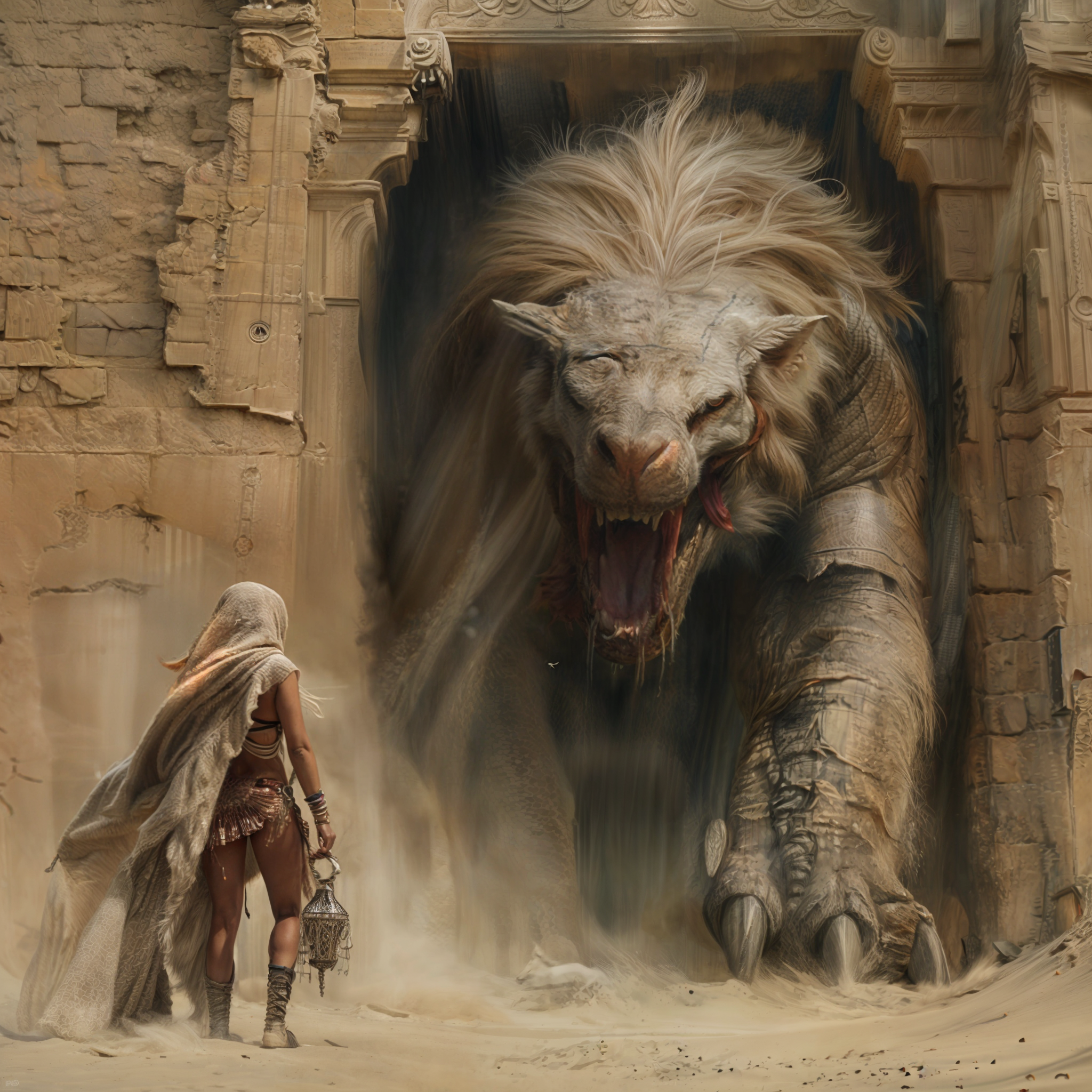
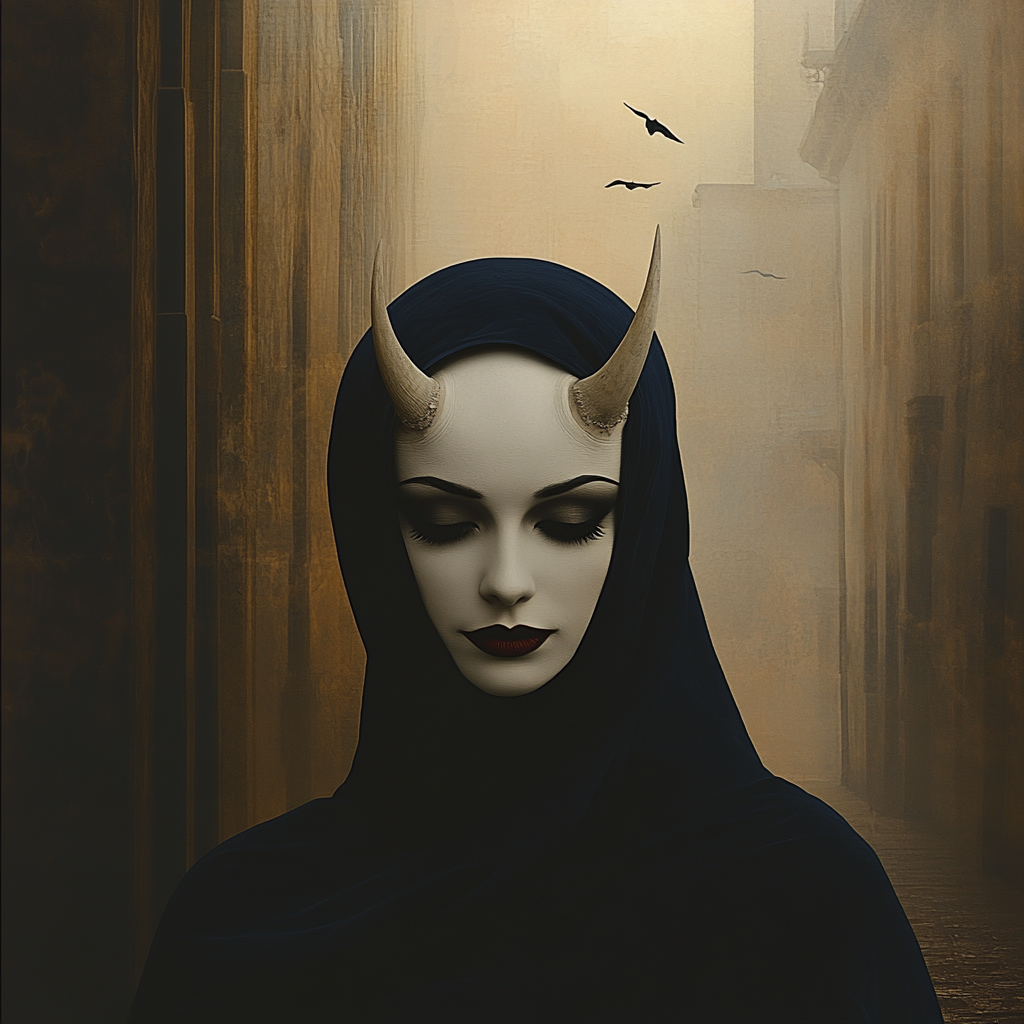
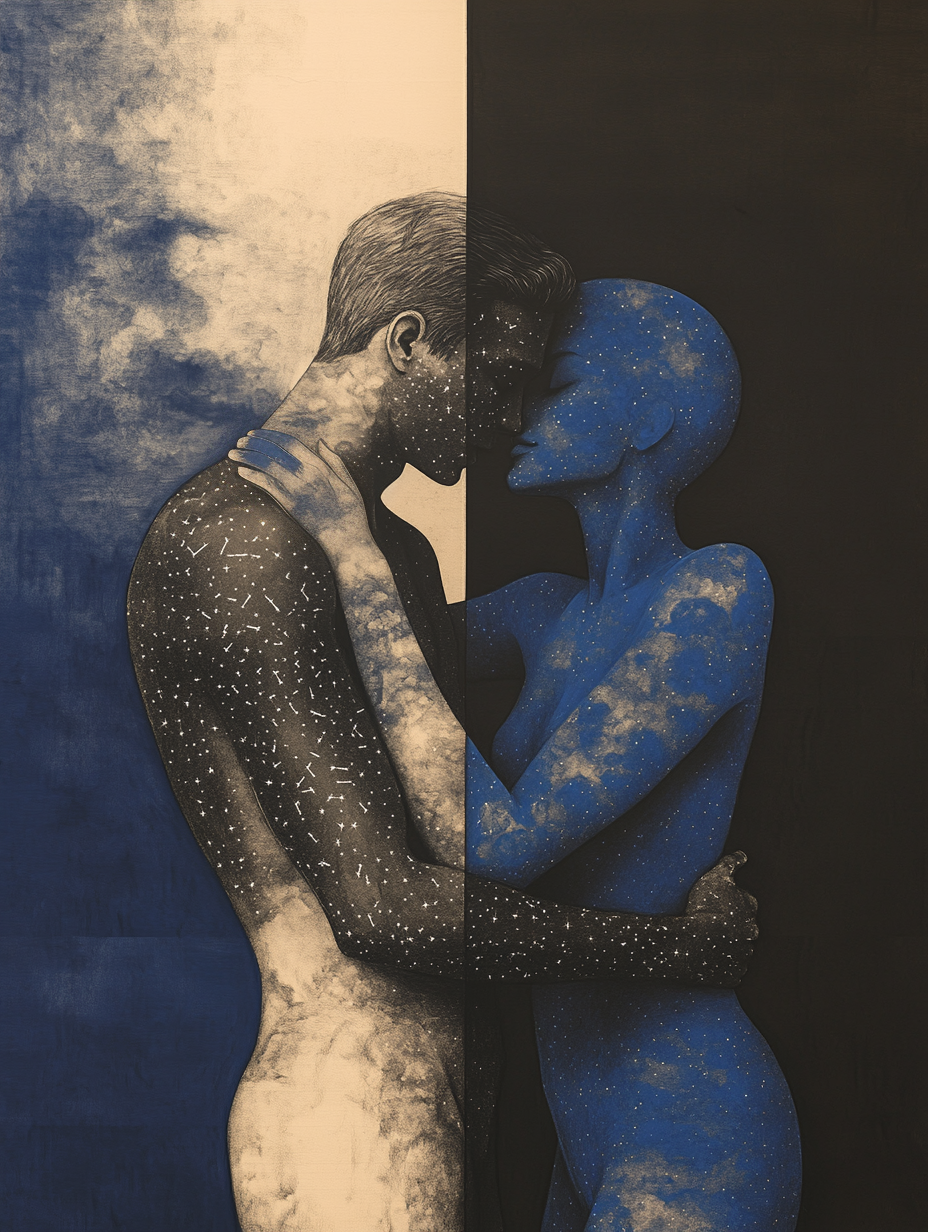
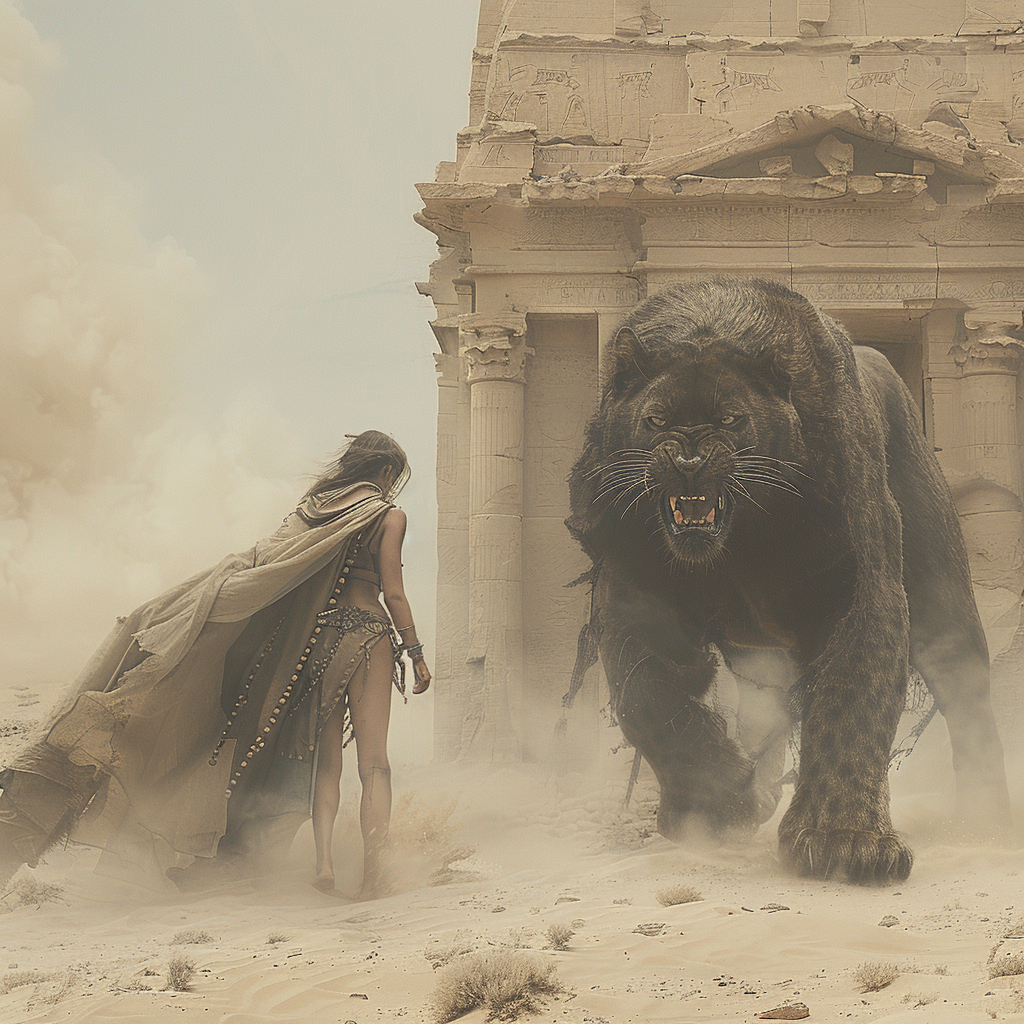
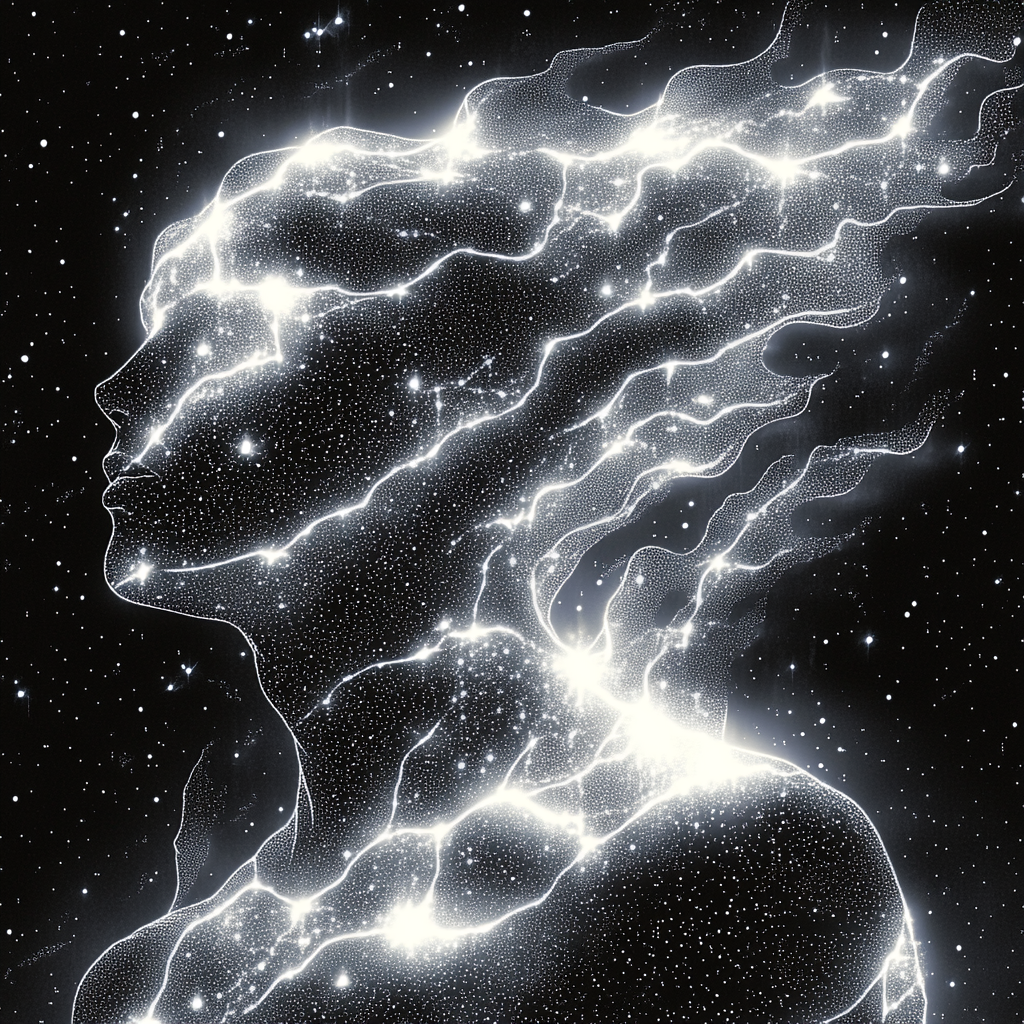

Do you title your AI-generated art? If you do, what inspires you to come up with these titles?:
Almost always. Sometimes, I have an idea beforehand of what the picture should show exactly, and then the title is usually already fixed. But it's often the case that I see the finished picture and then spontaneously come up with a title. I rarely have to think much about the title.
When do you tend to be the most productive, and do you work in long sessions or short bursts?:
I use my free time between family and work, so it tends to be short bursts, although I am more creative in the few longer sessions.
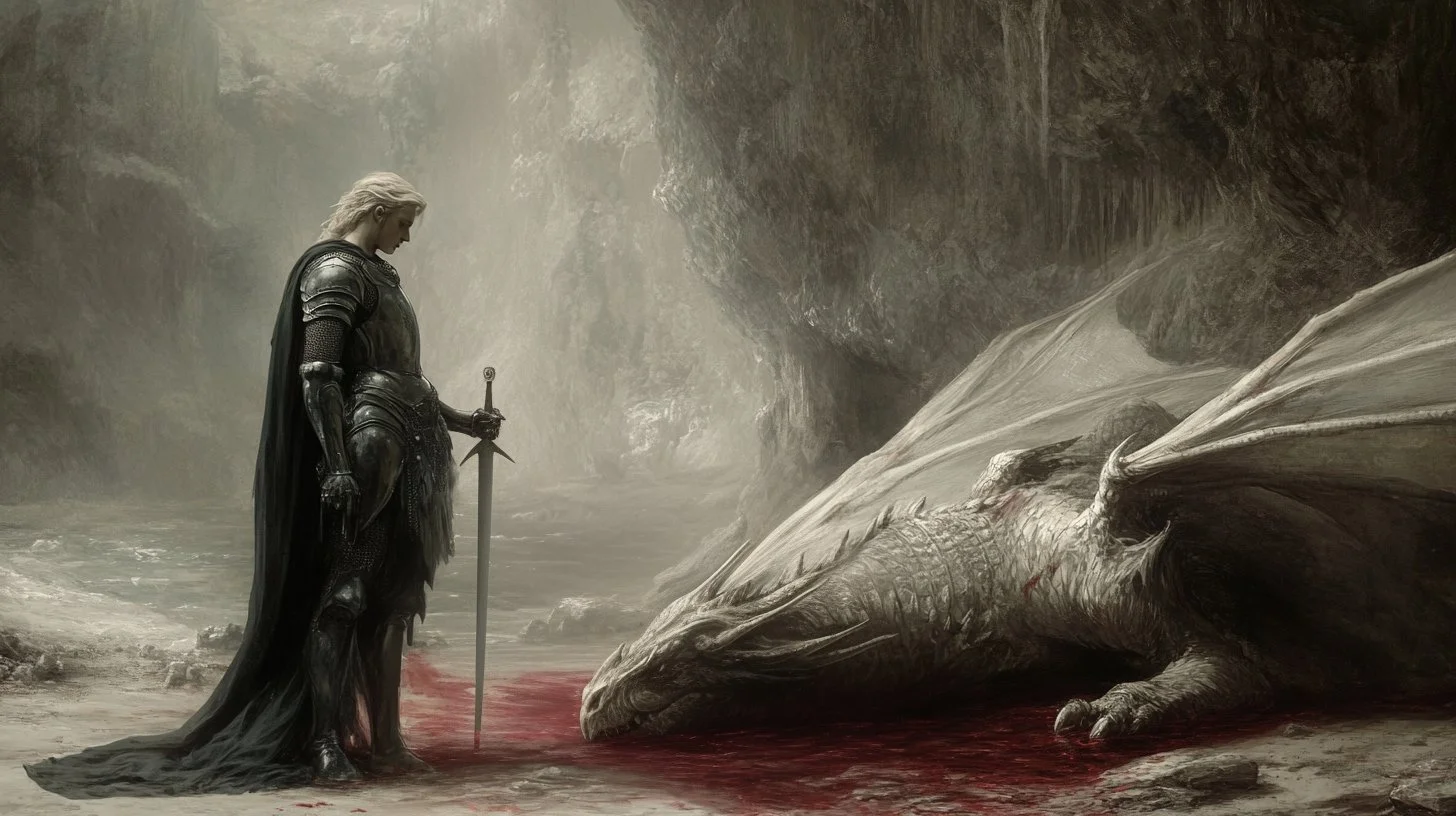
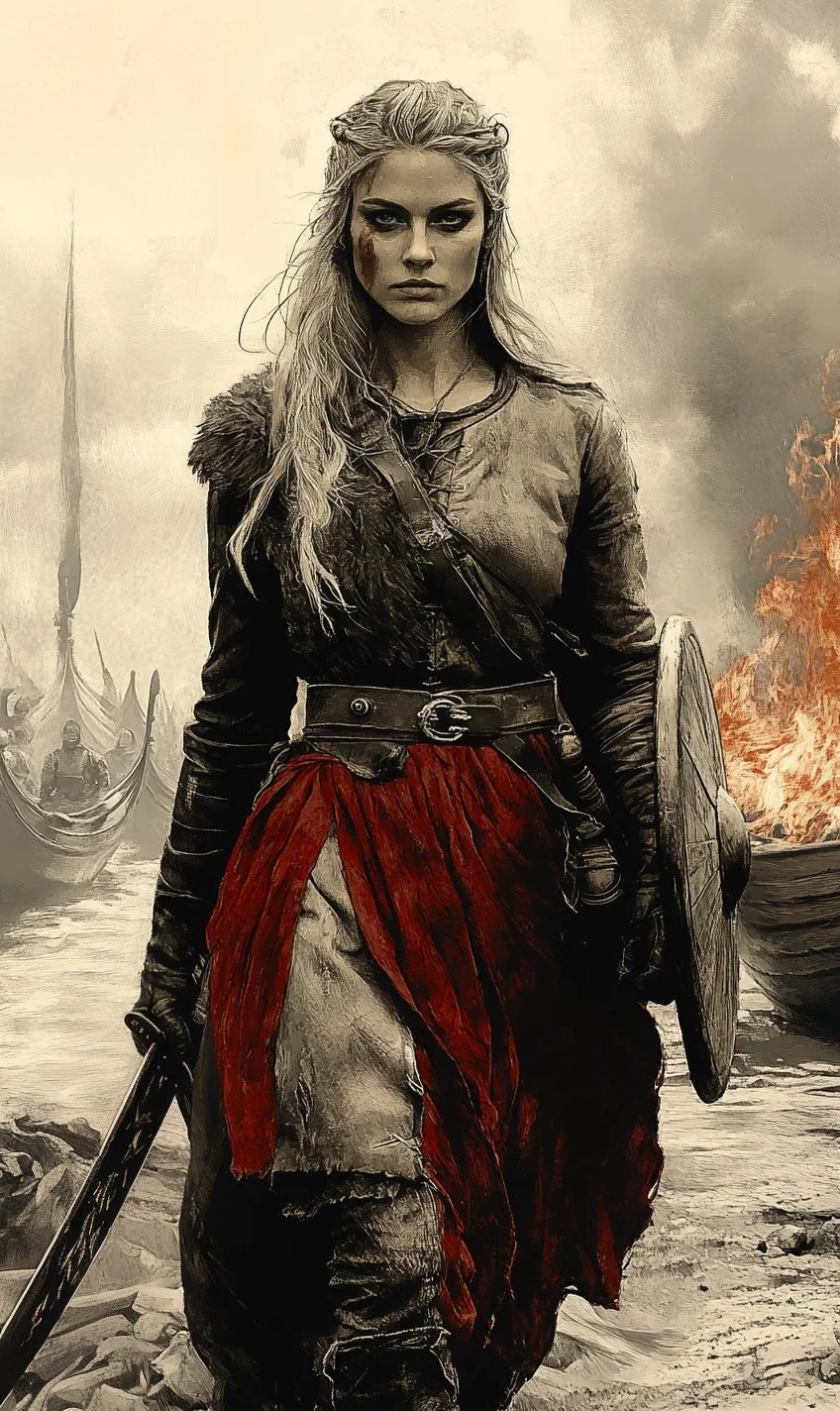
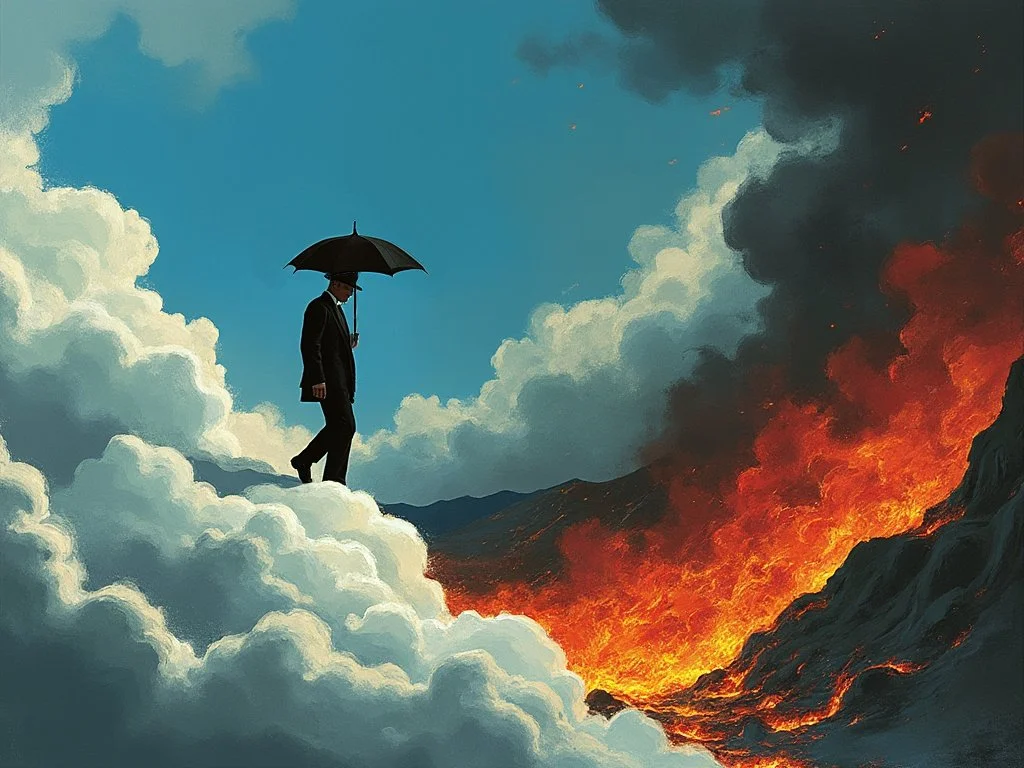
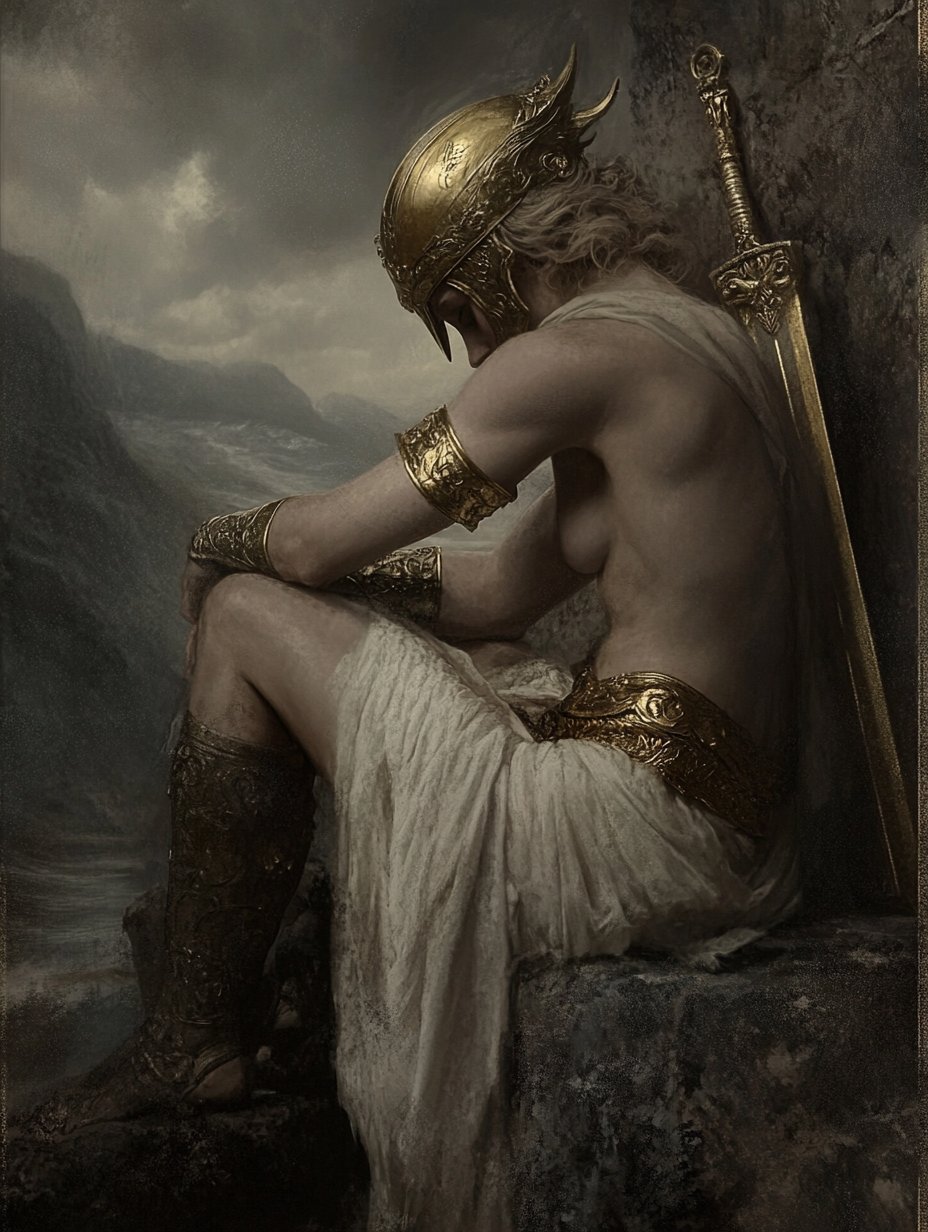
Exhausted from the fight
What type of prompts do you prefer: text or AI-generated descriptions through fed images?:
I work almost exclusively with text prompts, and sometimes, I use AI image descriptions of my older works.
When prompting with text, do you write simple text-based prompts or complex ones?:
In the beginning, I used complex prompts that were supposed to describe everything as precisely as possible. Now, I prefer shorter prompts, or I use parts of older prompts and combine them in new ways. I always find it exciting to see what the AI can “conjure up” from just a few words. Thanks to the style references in Midjourney, you save a lot of effort and usually only have to describe the scene.
Do you think text-based prompts should be shared within the AI art community?:
That should be left up to each artist. I rarely do that myself, but not because I think my prompts are anything special. If someone writes to me, I'm happy to provide information. There are only a few special prompt parts that I guard like a treasure and don't want to share, my secret ingredients, so to speak. I find it much more interesting to explore style references and share them.
What is the most unconventional method you have used to create an image?:
We experimented with prompt chains in the Leonardo community on Discord; everyone added a new part and generated an image. It was exciting, and the results were surprisingly creative.
How many images you have generated using AI technology?:
I haven’t an overview of how many images I have generated with the various tools. There are around 8000 images stored locally or in the cloud, but that's only a small proportion of the total images I’ve generated.
Please share your X (Twitter) handle with us.:
Tell us a bit about your X handle and X username.:
MiTra is made up of the first syllable of my first name and the first syllable of my surname. When I founded my own company back then, I thought it was a great idea to use it as a company name. Until an Iranian customer told me that Mitra was a popular first name for girls in Persia and India. My friends thought it was very funny, and so Mitra stuck as a nickname.
How many X followers do you currently have?:
Now 2,700+
How many X accounts do you currently follow?:
1,000+
How long have you been on X (Twitter)?:
I’ve had the account since 2015 but have only been using it actively since 2023.
Uprising against the gods
The city never sleeps
Is there any other online platform where we can view all of your previous work apart from X?:
You can also find me on Bluesky and Instagram, but only with newer works.
In this world of cryptocurrencies and non-fungible tokens (NFTs), are you currently selling your digital art on any platform? If so, which platform are you using?:
I'm currently looking into it, but I don't have a clear overview of the NFT jungle. I'm still in the orientation phase and only use rarible.com.
Are you selling tangible AI-generated artwork, such as high-quality prints like Giclée prints?:
No, so far, there are only simple prints of my pictures for family and friends. However, I've already sold some of my pictures in digital form, which are mostly used as smartphone wallpapers or similar.
Could you suggest some AI artists you like that we could follow?:
First of all, @wolfgang_s38456, my first follower, who has supported me on X from the beginning.
I'd also like to thank @revelinai (yes, that's you) for his active support of the #AIArtCommunity and @muriellondon for teaching us amateur artists so much about art in a fun way.
I'm also inspired by:
... and many, many more; I can't list them all!
Is there anything else you would like to add or share with the AI community?:
Be inspired and look at new things, but don't chase after every trend; stay true to yourself. Find your niche and do what your heart tells you because art always comes from the heart.
And stay curious!
The ghosts that I called... (Great Sands Series)
More fantastic imagery from Mitra
Follow him @MiTra200