The Skipper Vanderwall Interview
A conversation with AI Artist Skipper Vanderwall, aka @RobotCleopatra on X
INTERVIEW CONDUCTED ON SEPTEMBER 19, 2024
ALL IMAGES BY SKIPPER VANDERWALL ARE GENERATED USING MIDJOURNEY AND GROK UNLESS STATED OTHERWISE
Let’s introduce Skipper by first talking about his name.
Skipper Vanderwall: I mean, who has a name like Skipper Vanderwall? That’s a badass name, and that is a fact!
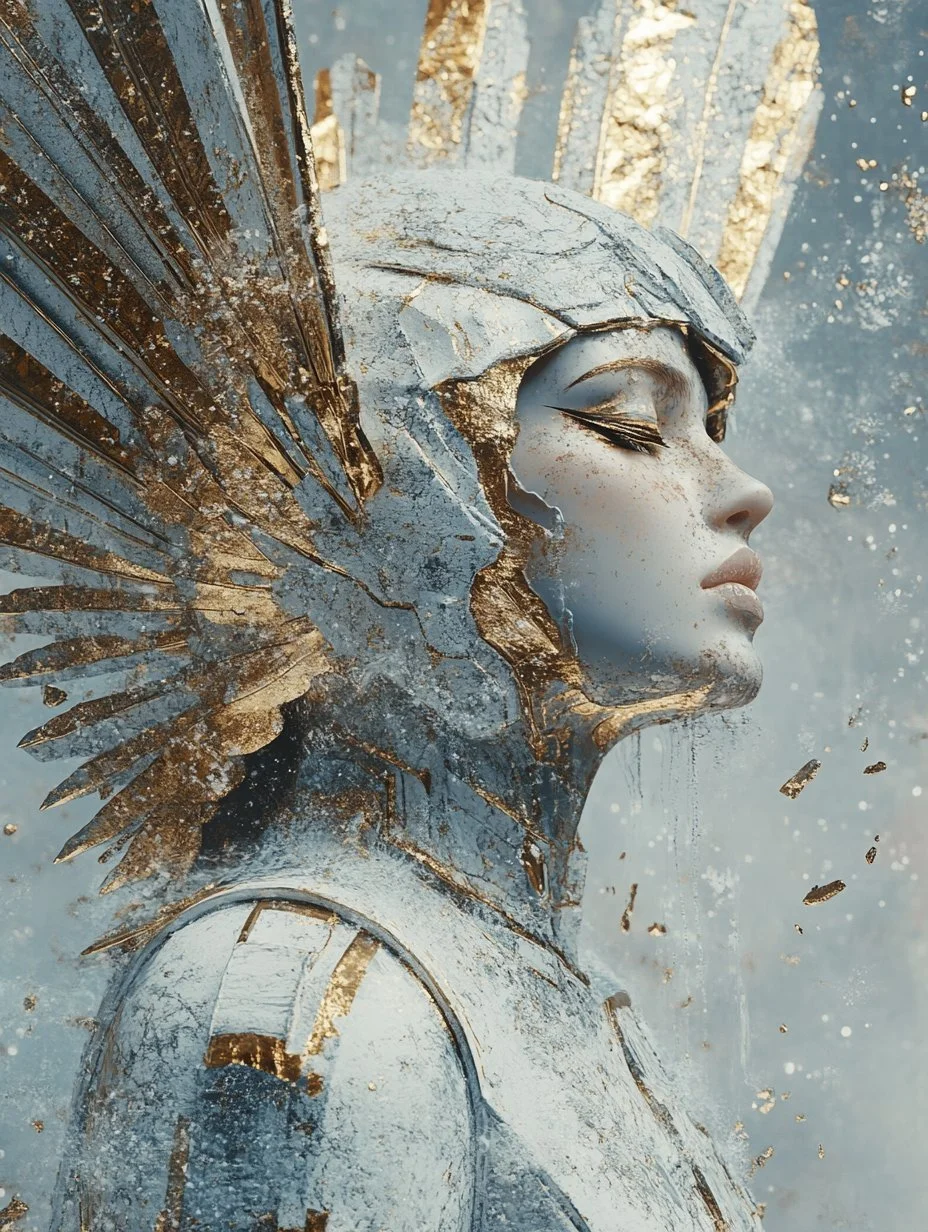
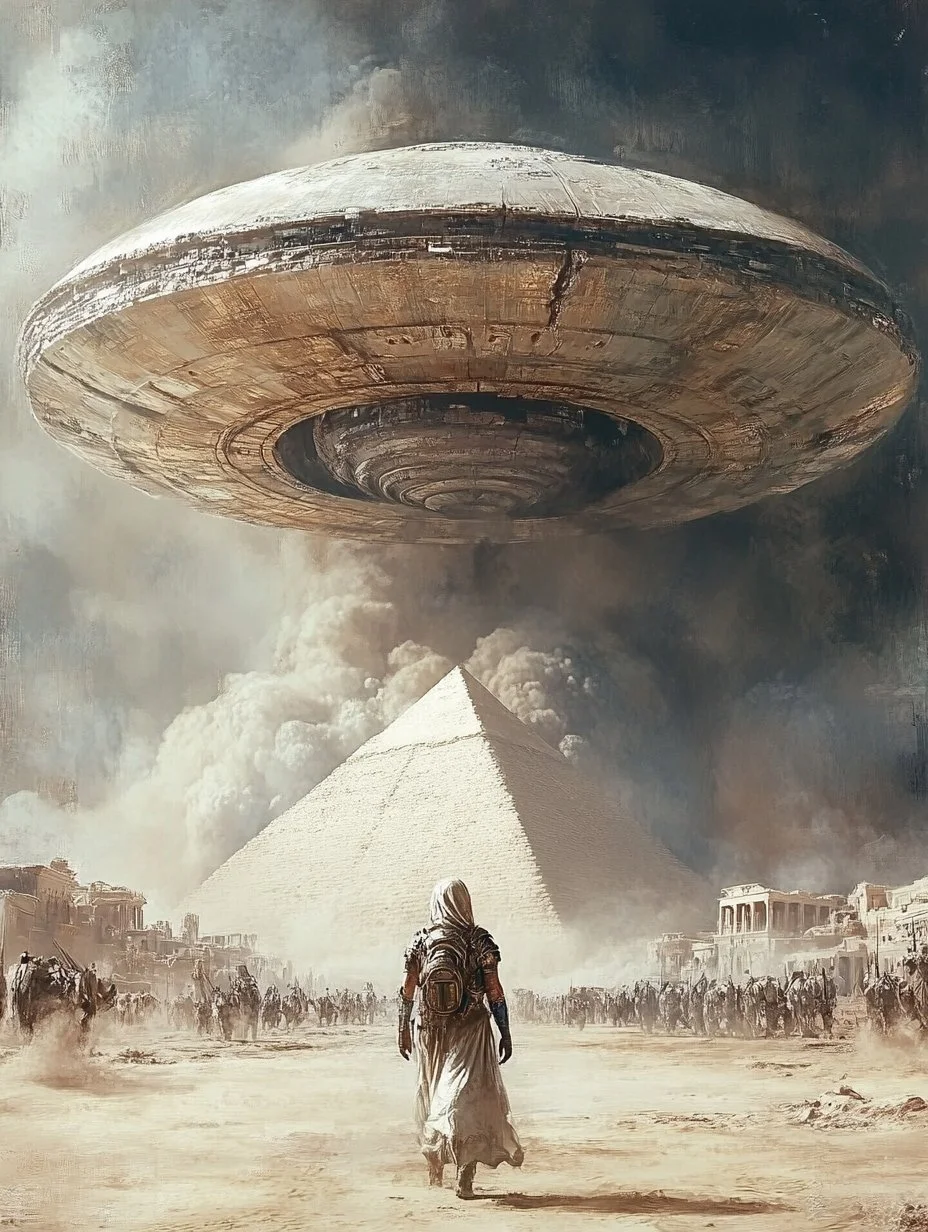
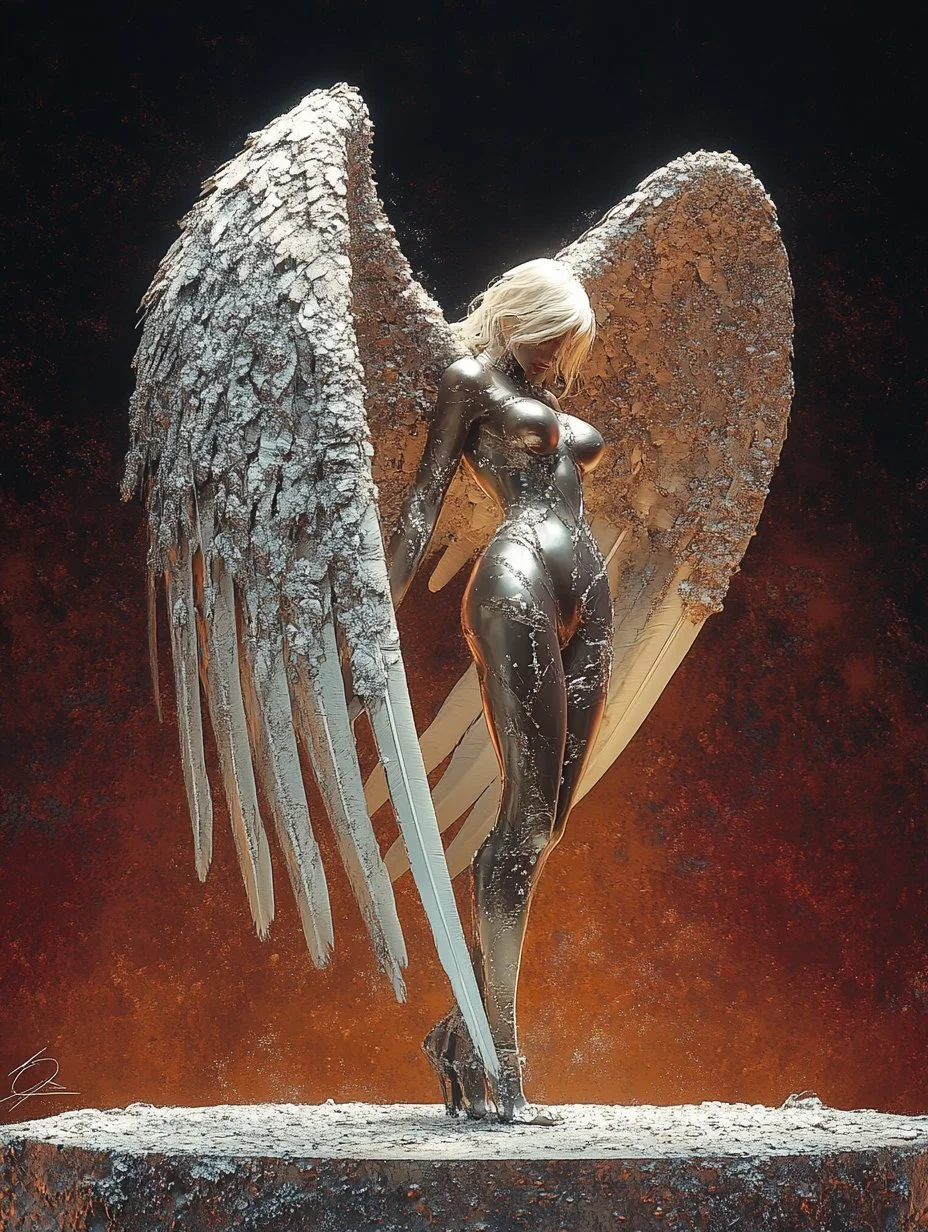
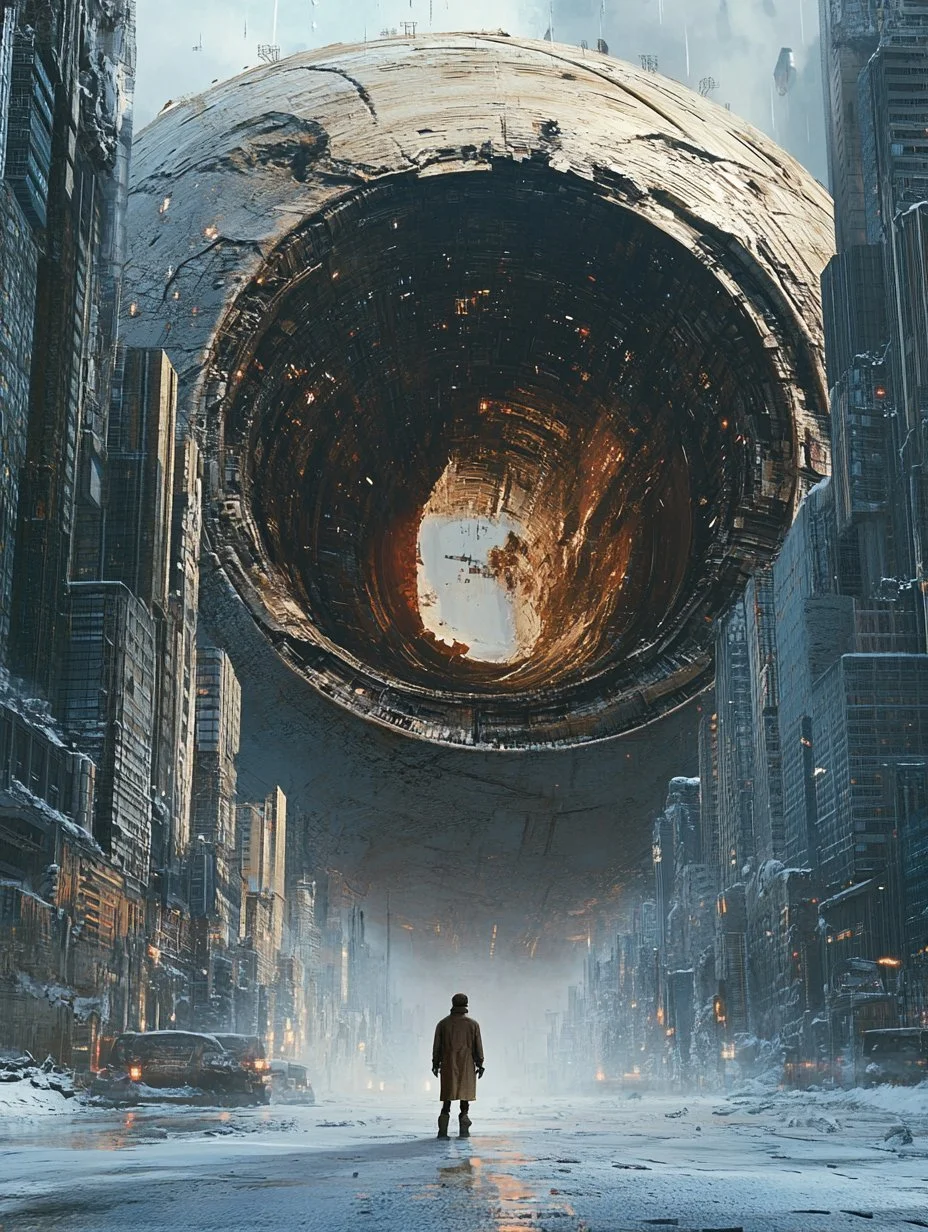
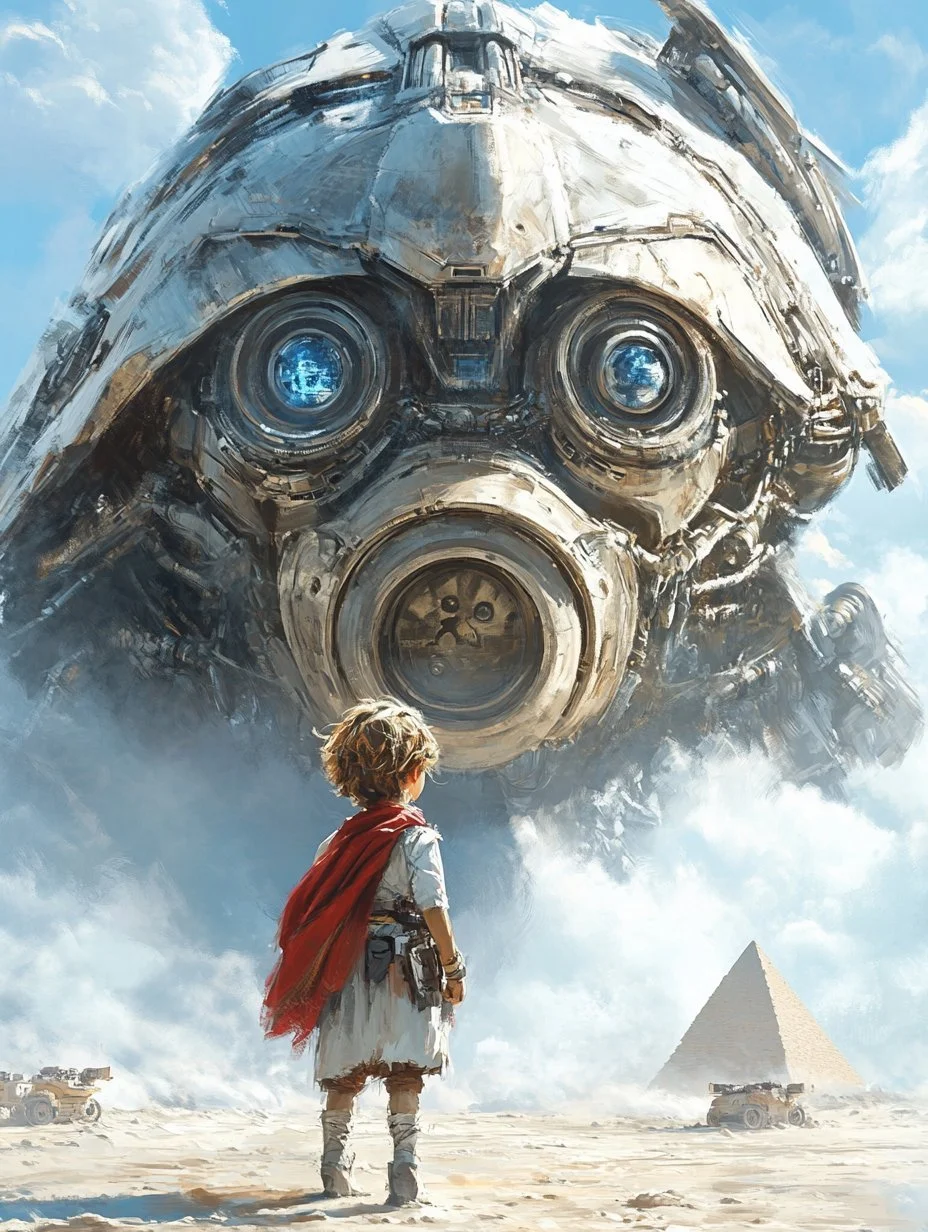
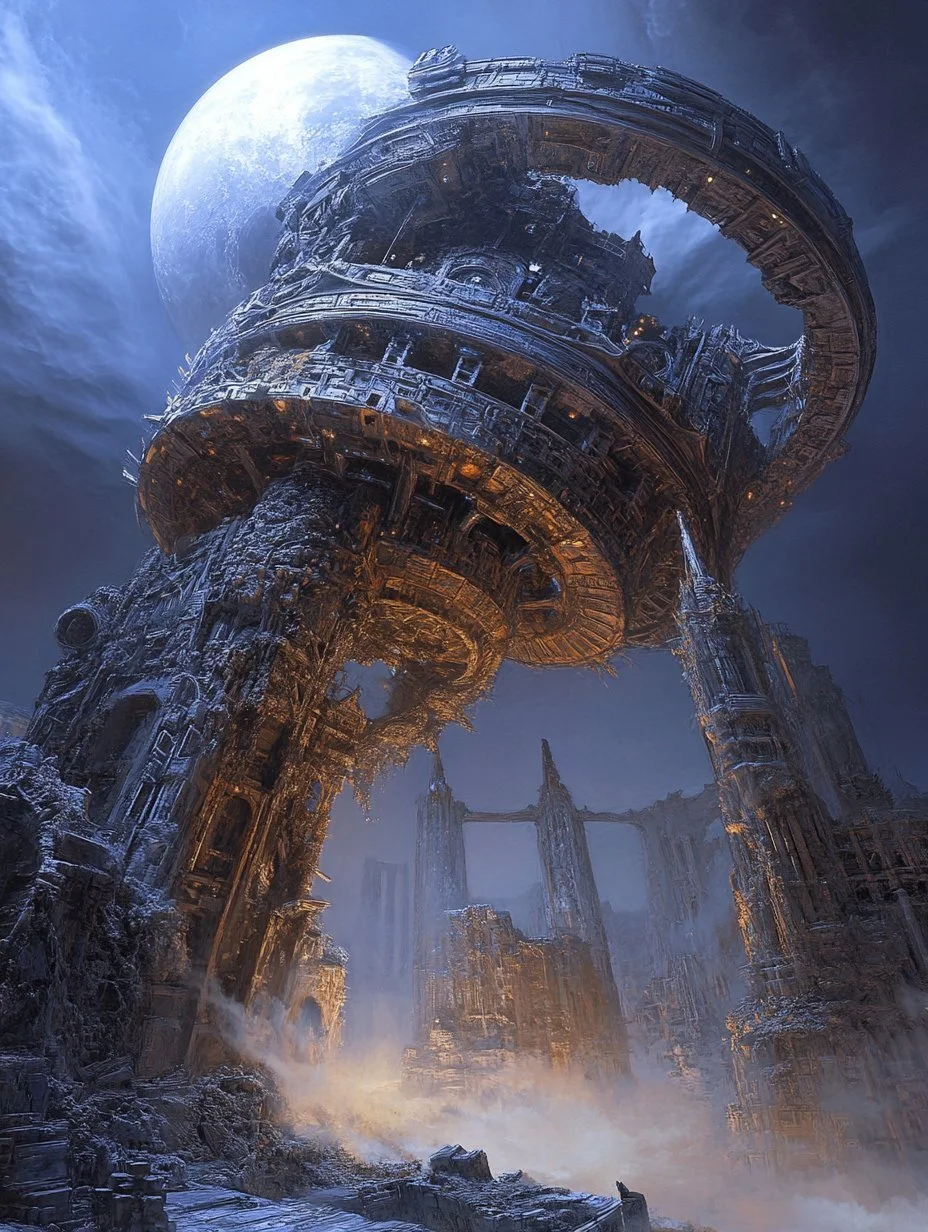
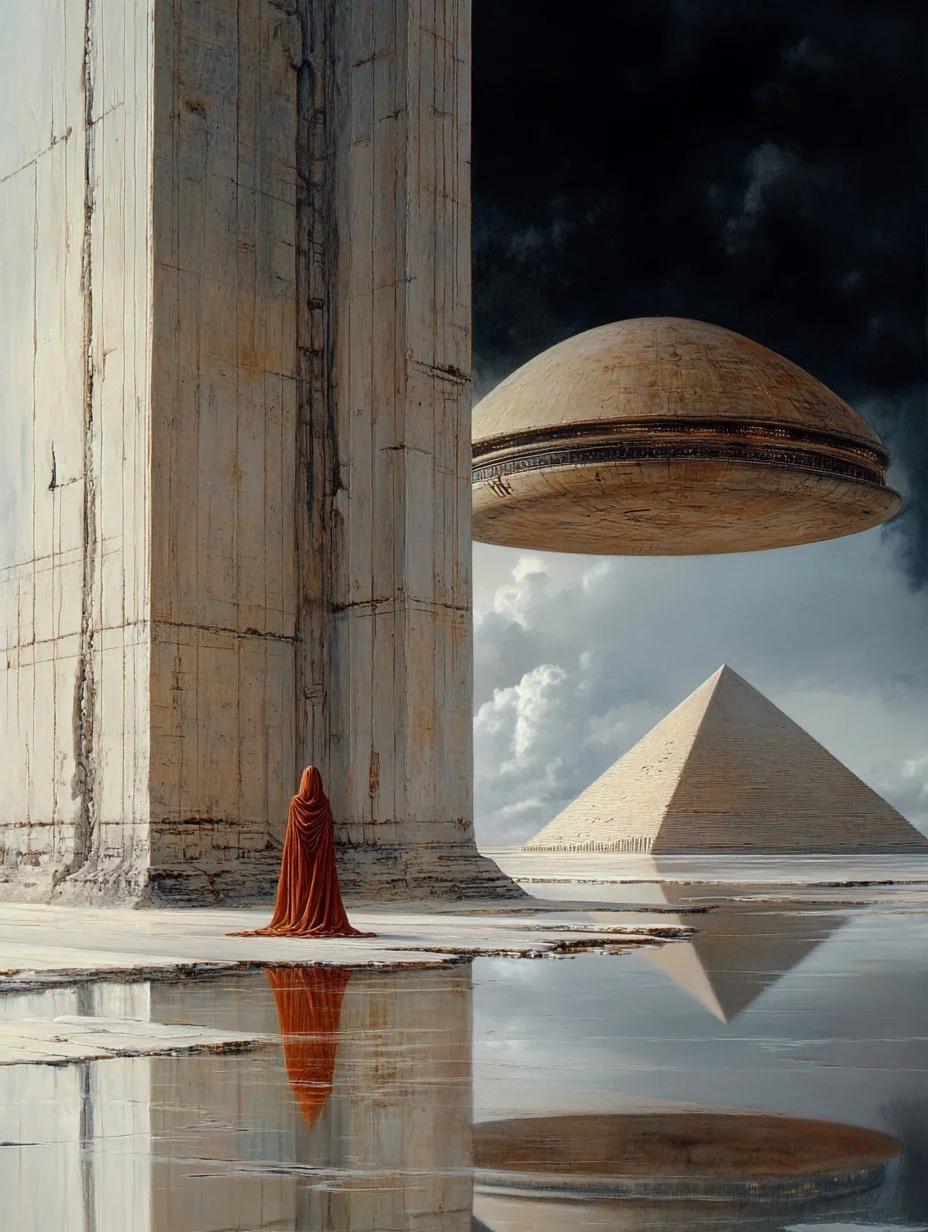
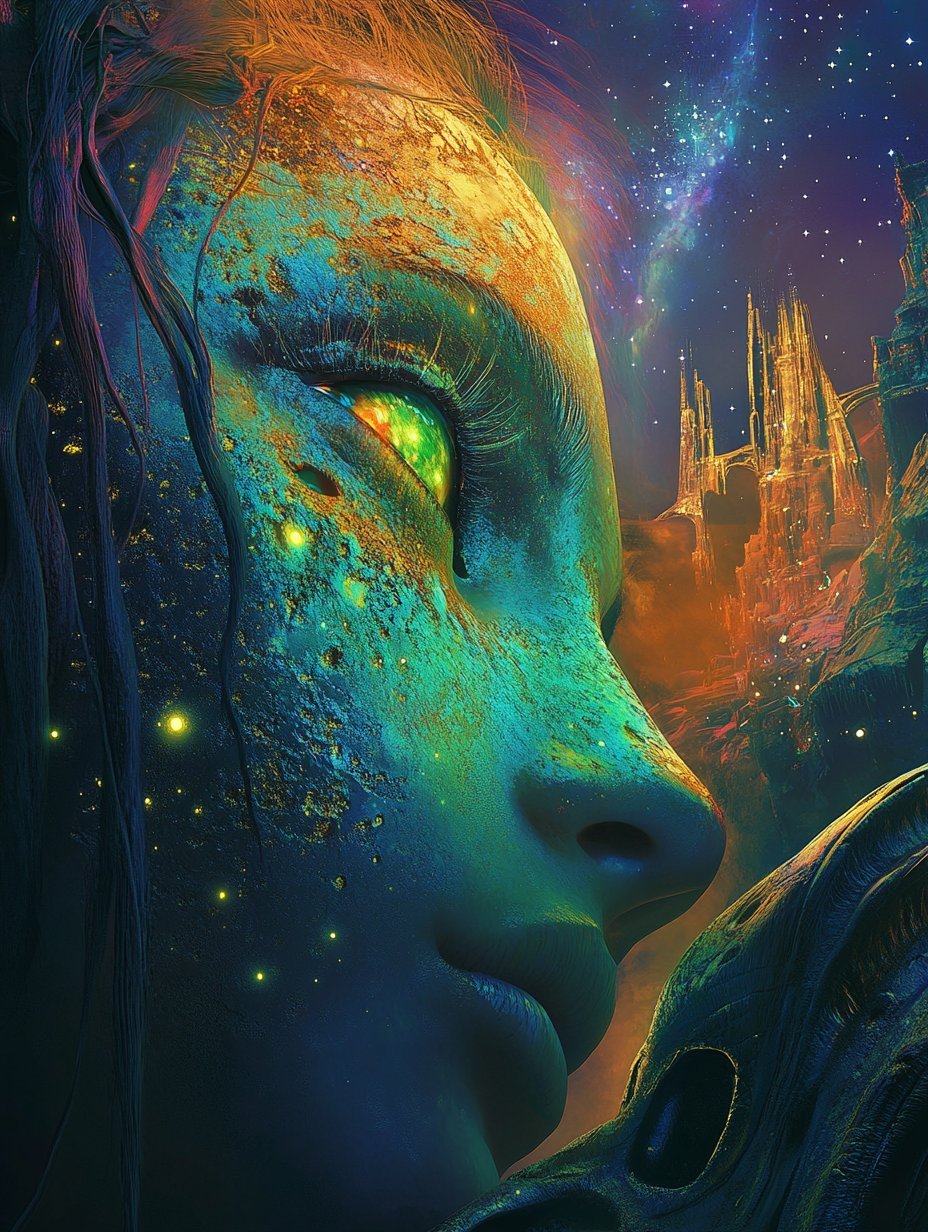
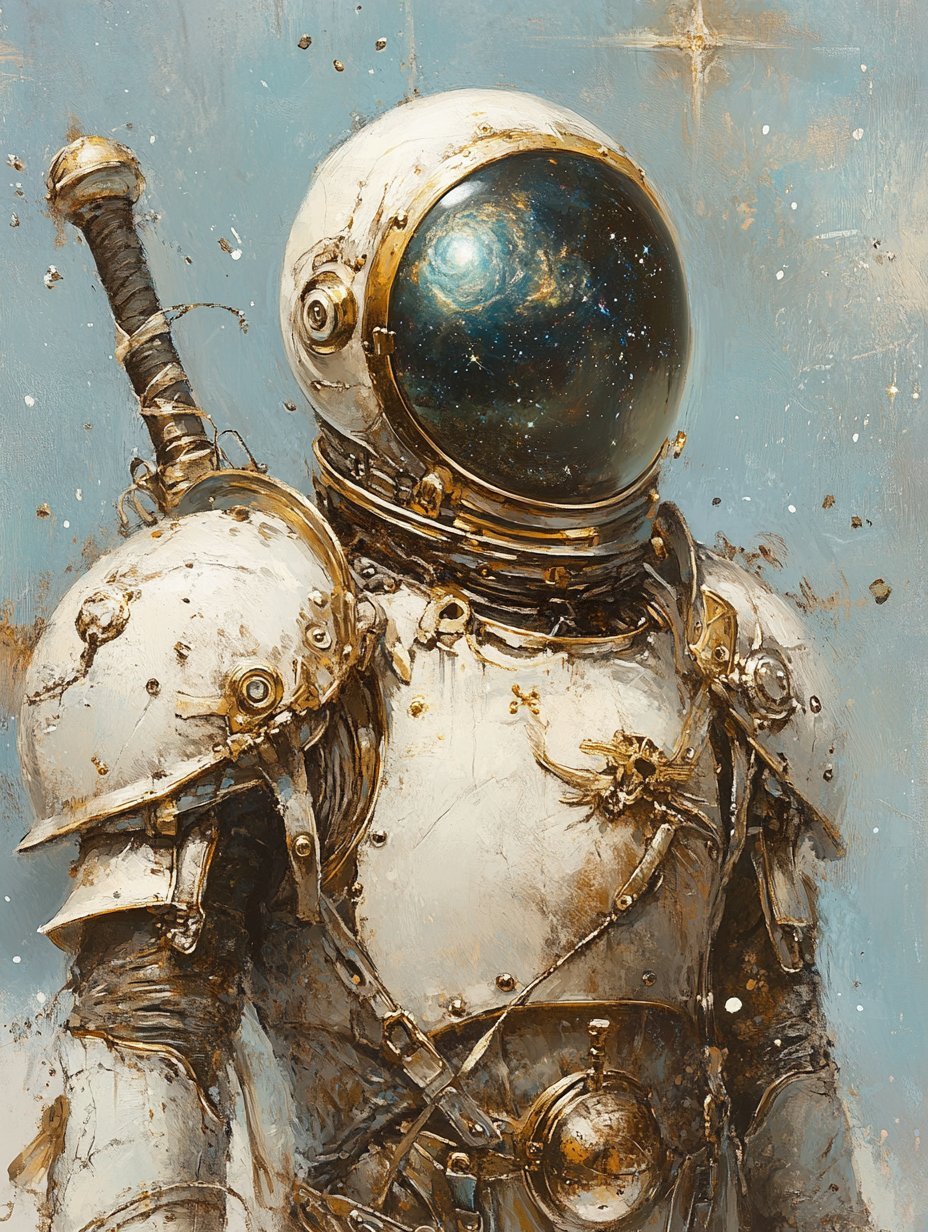
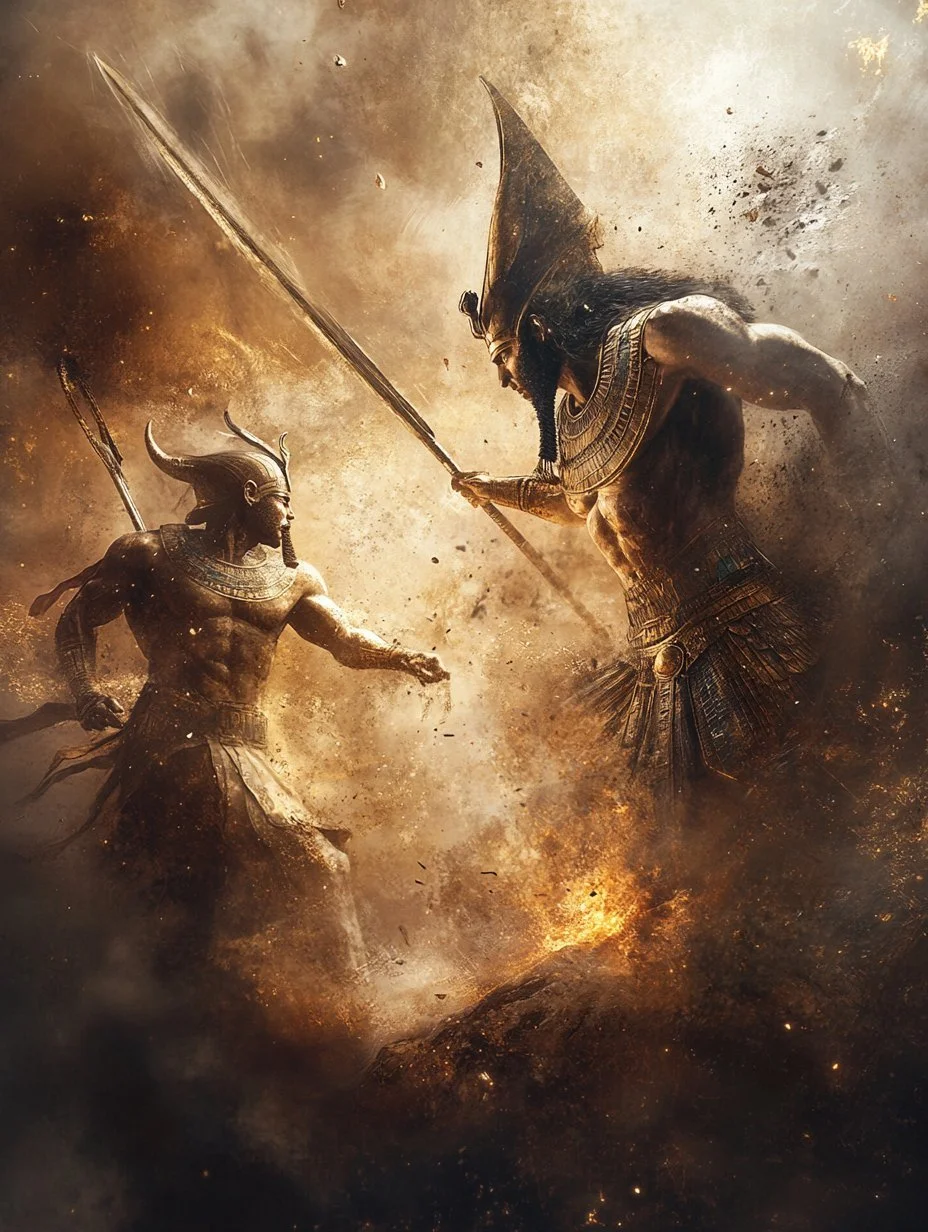
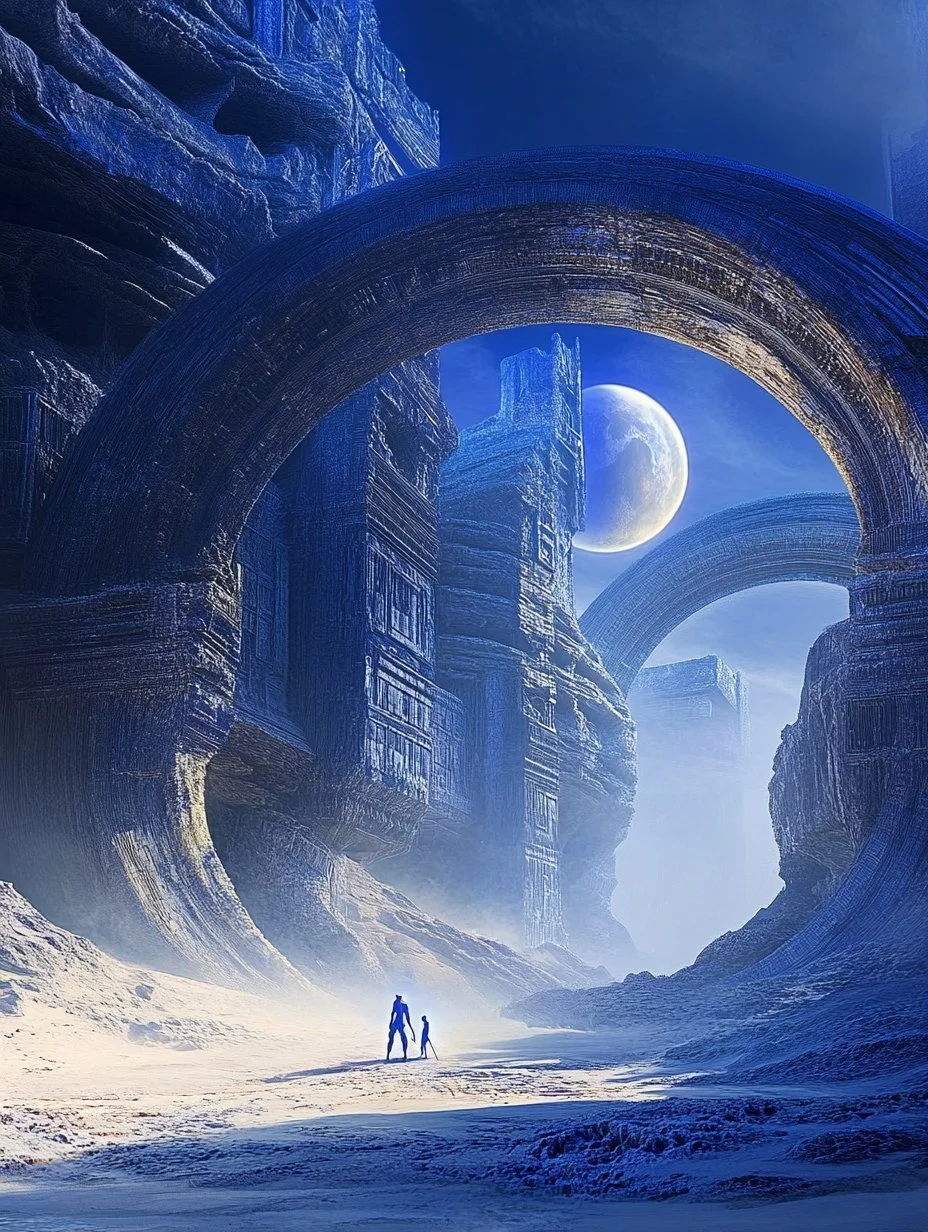
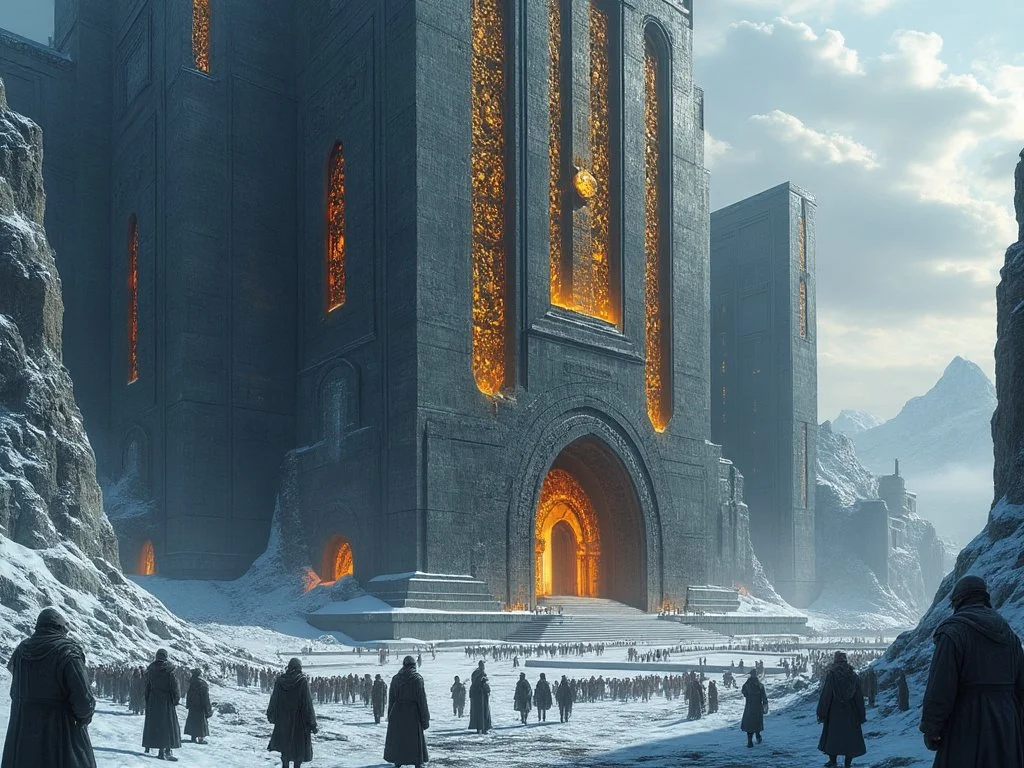
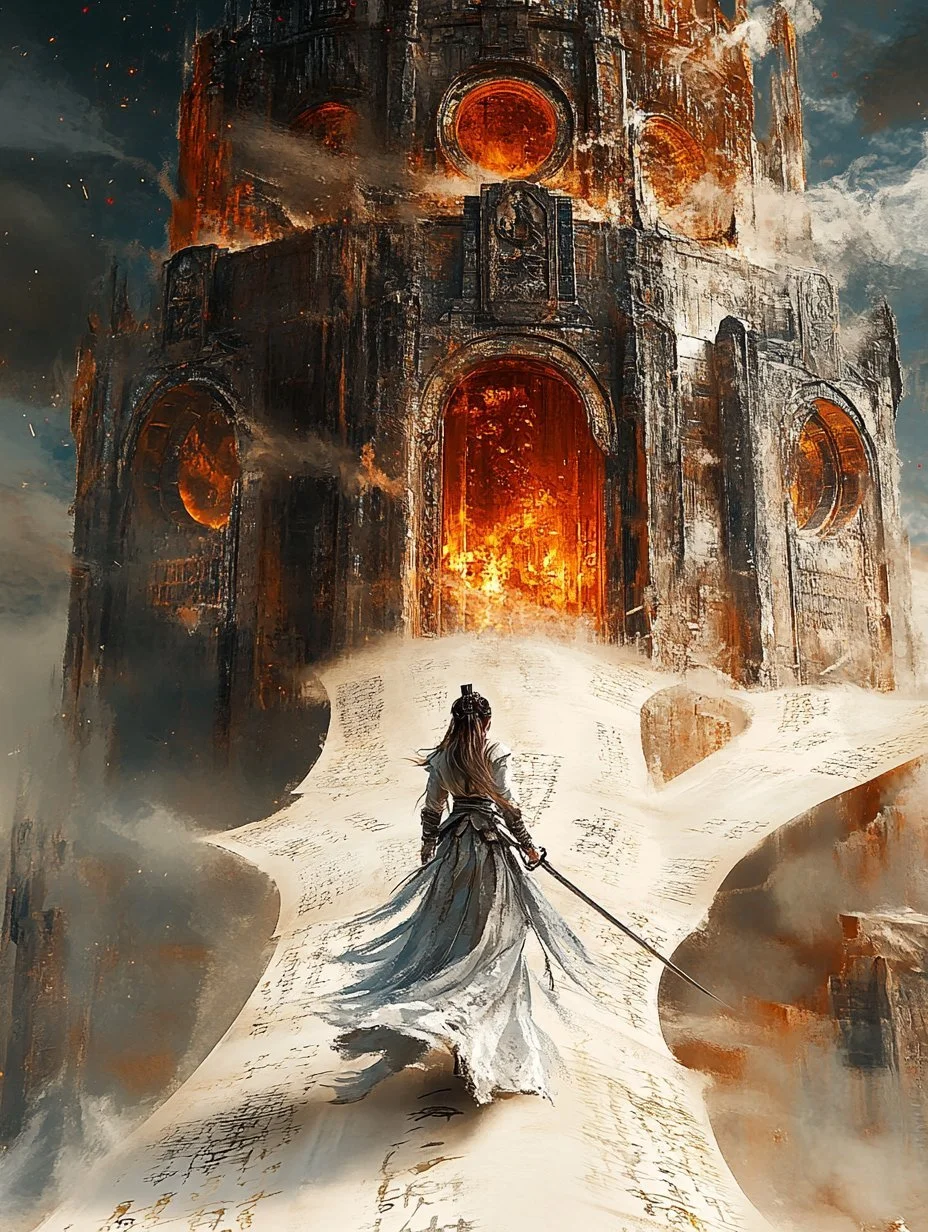
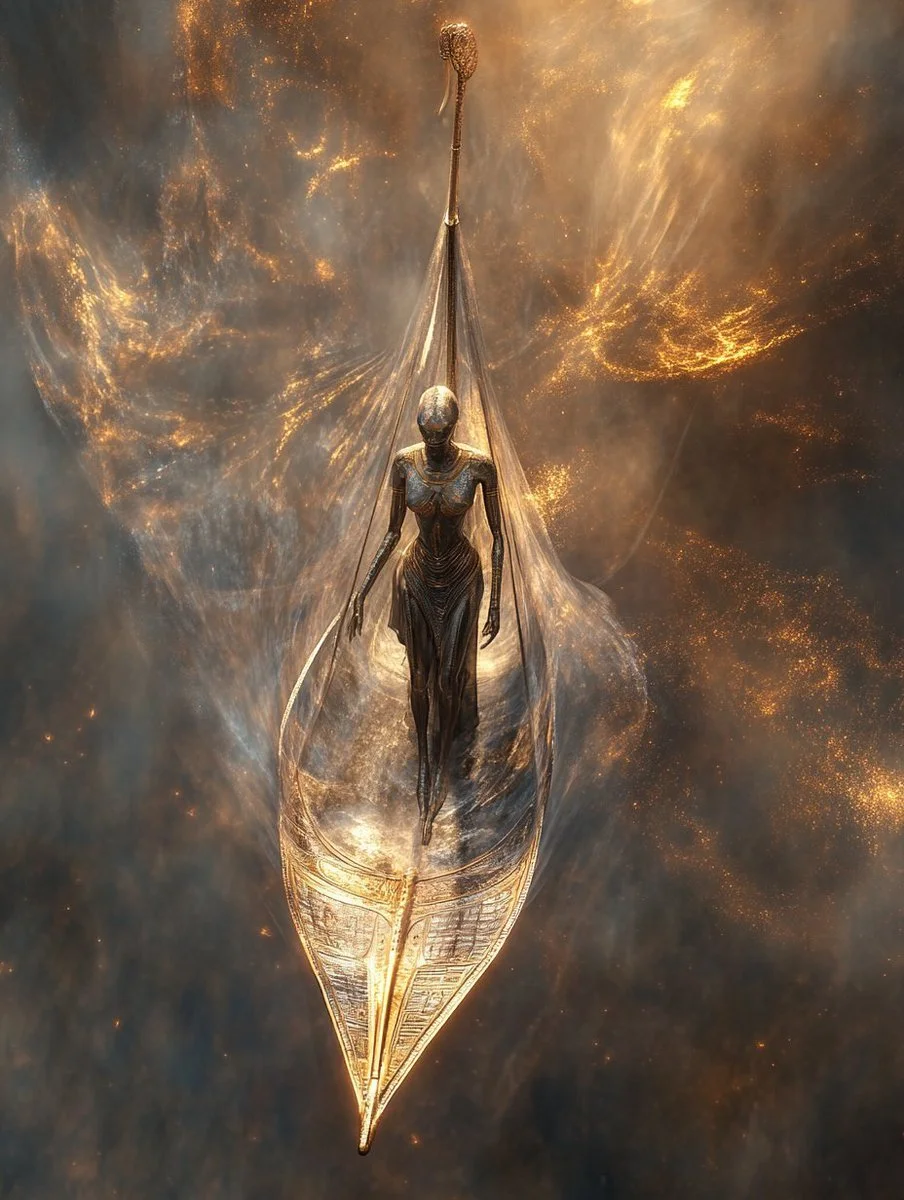
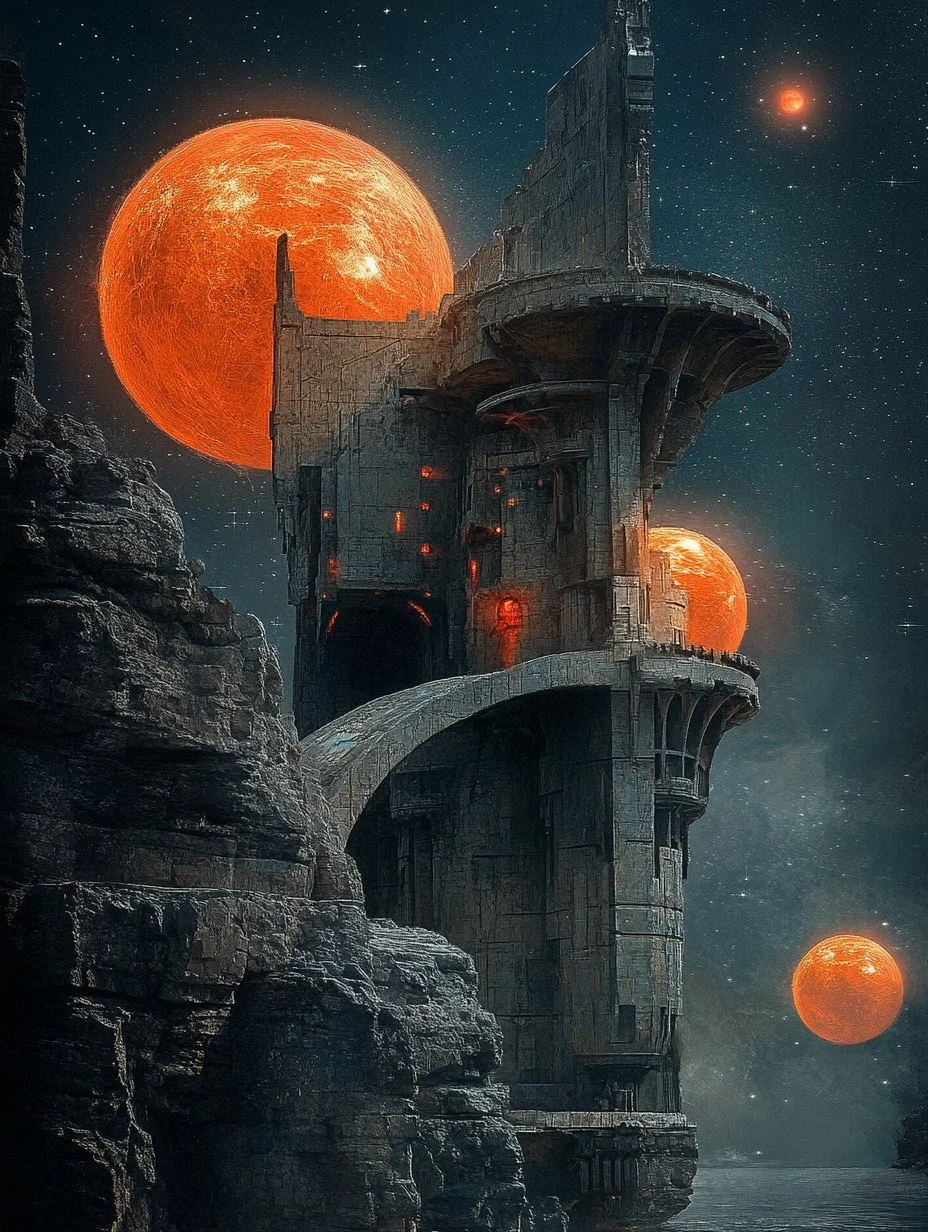
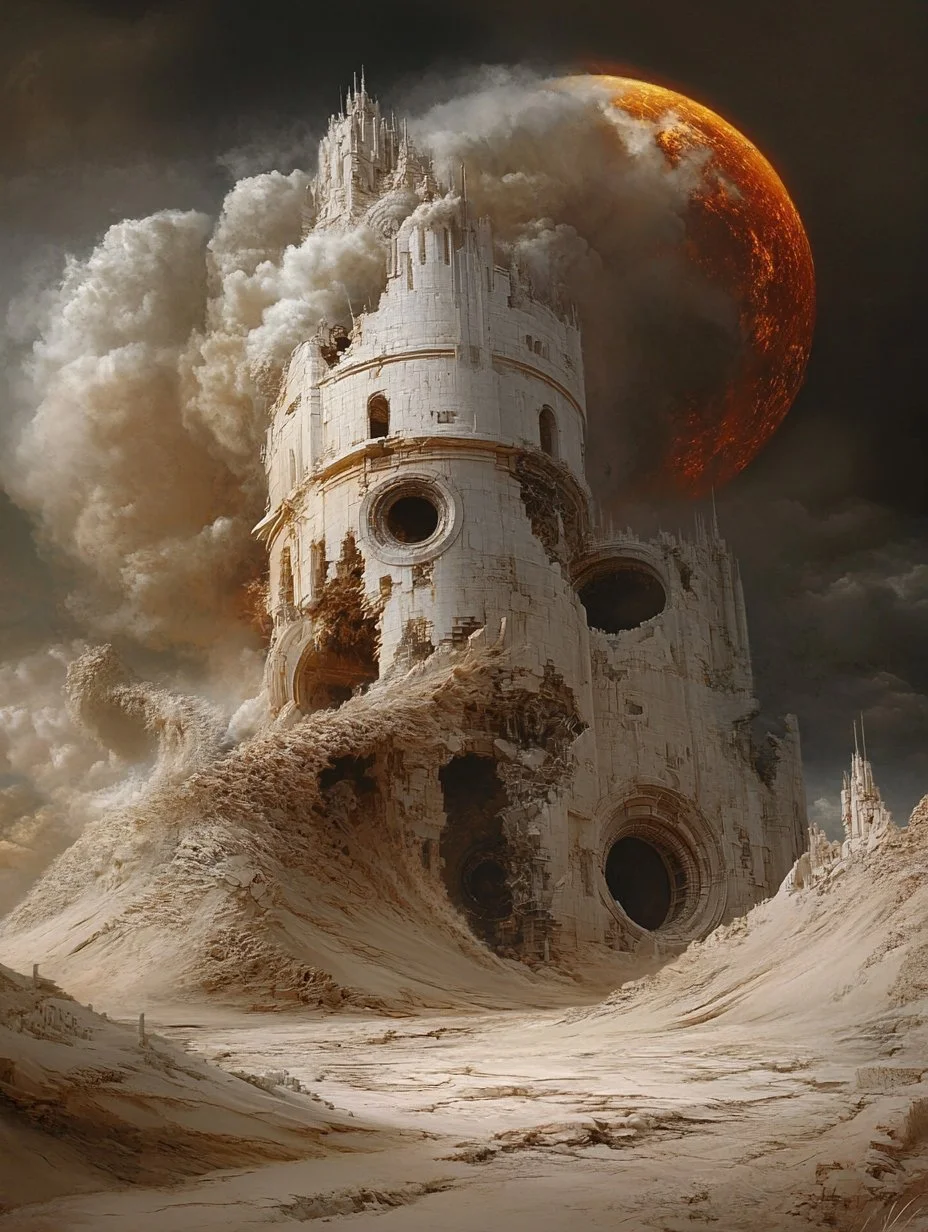
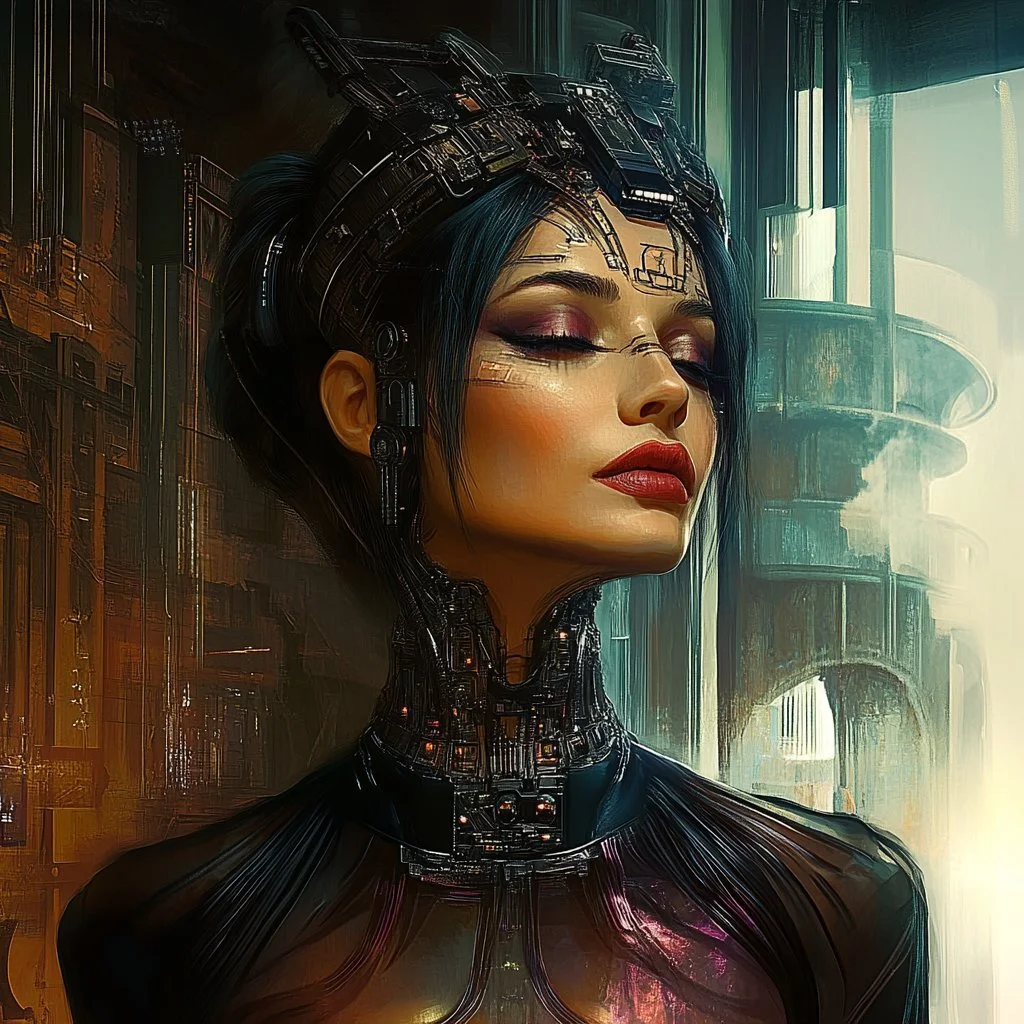
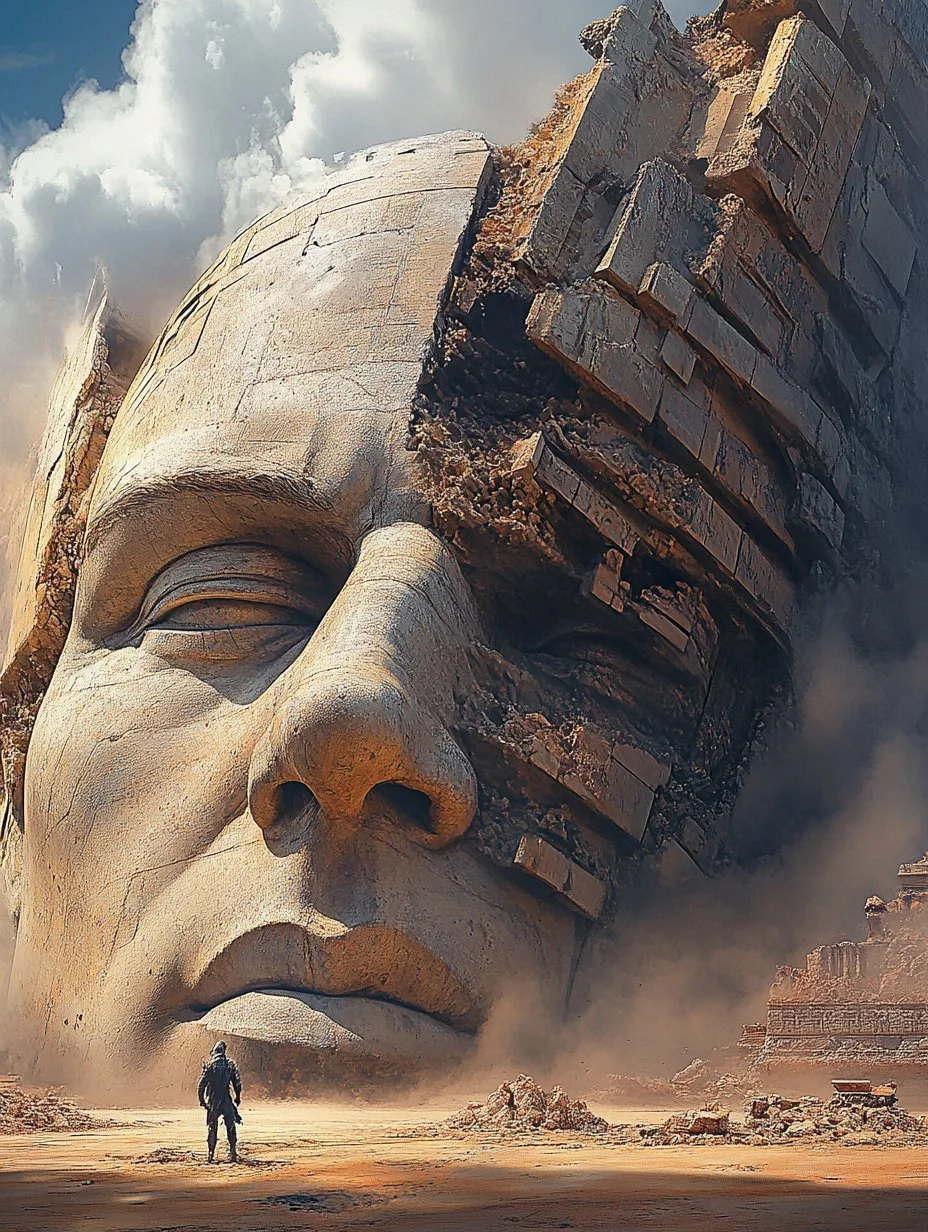
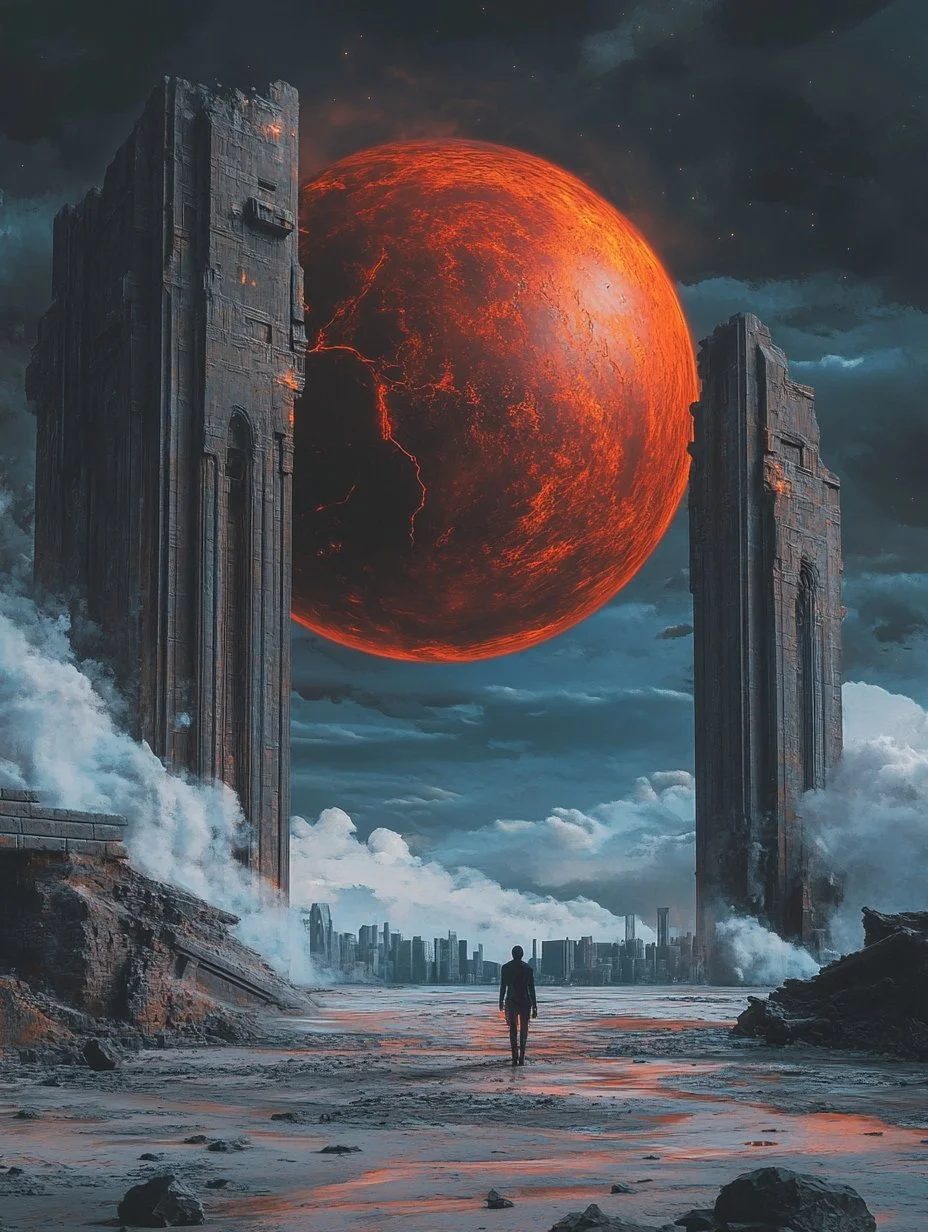
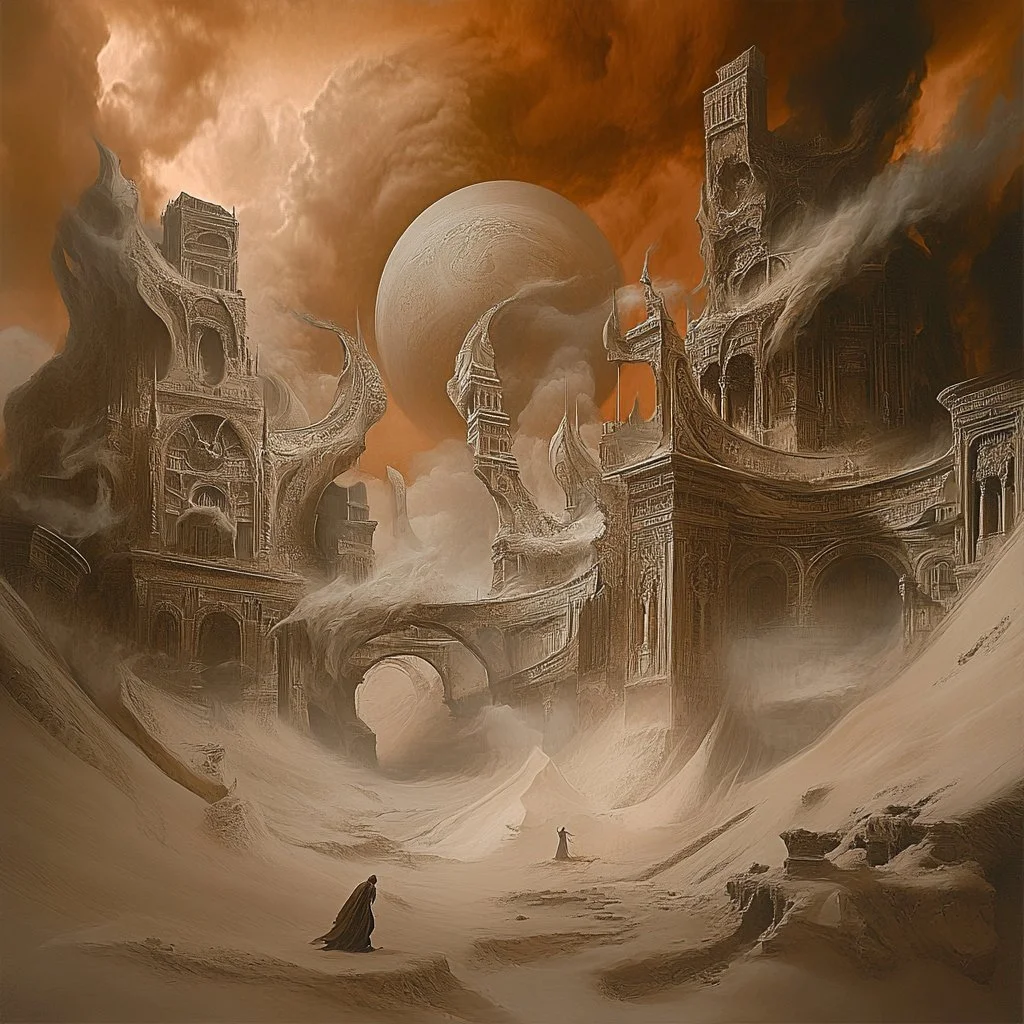
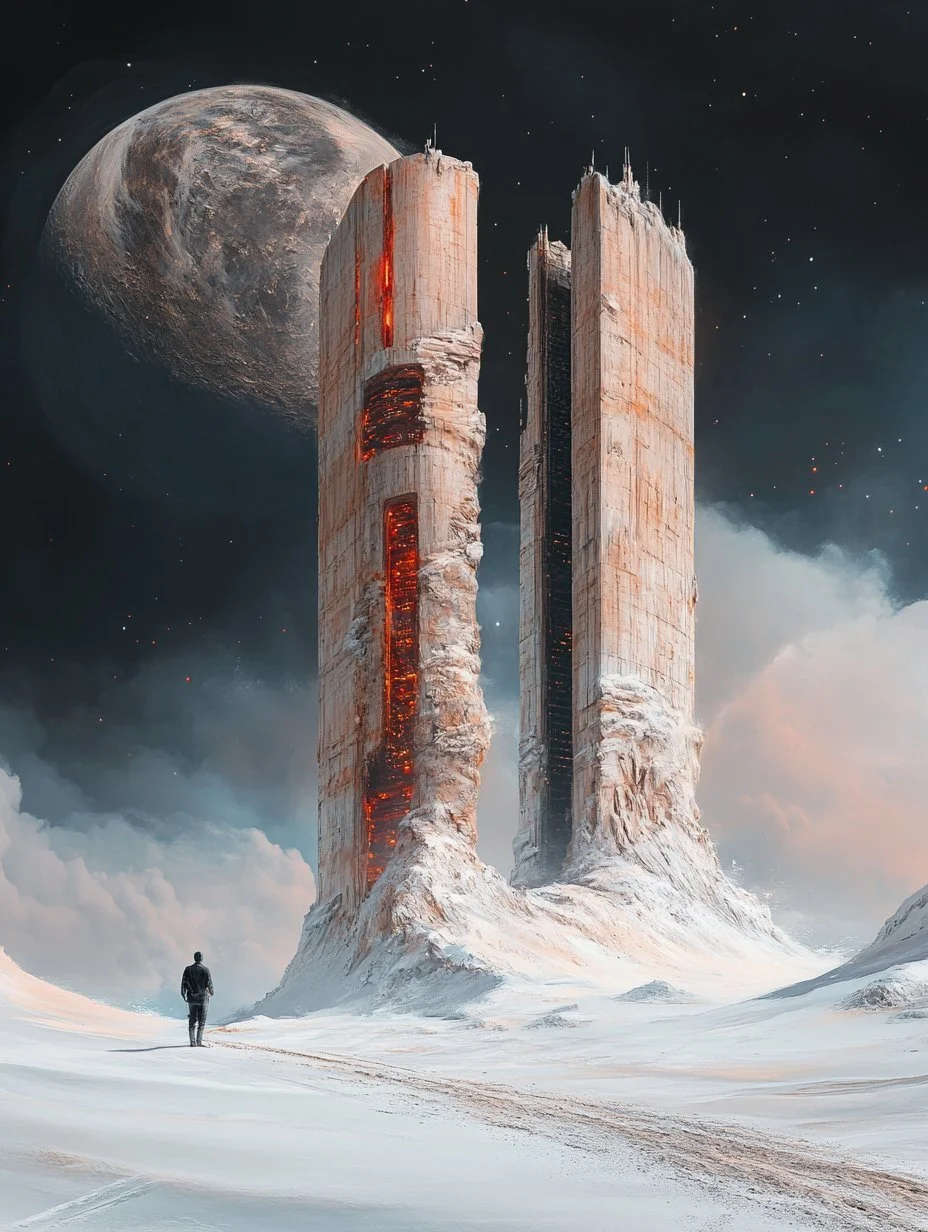
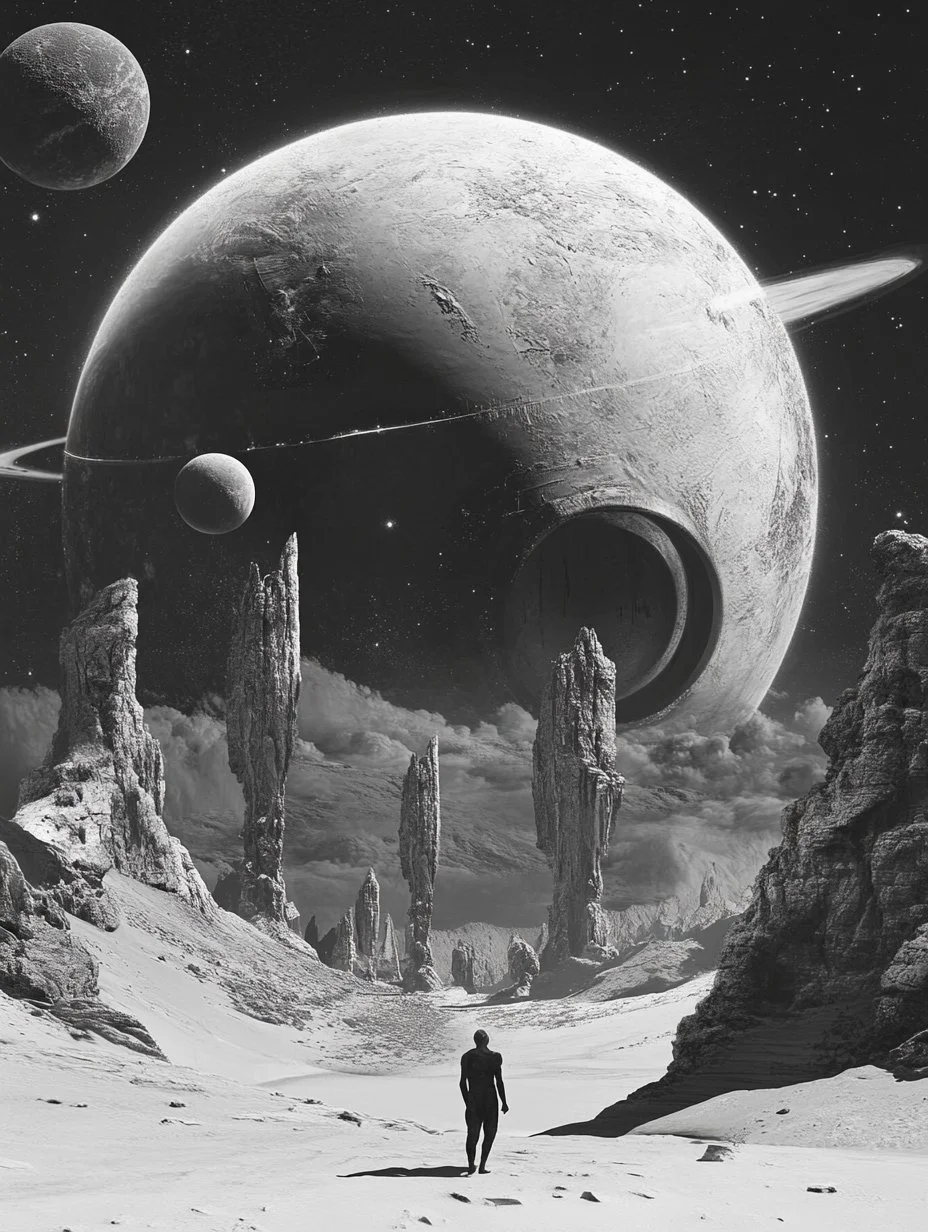
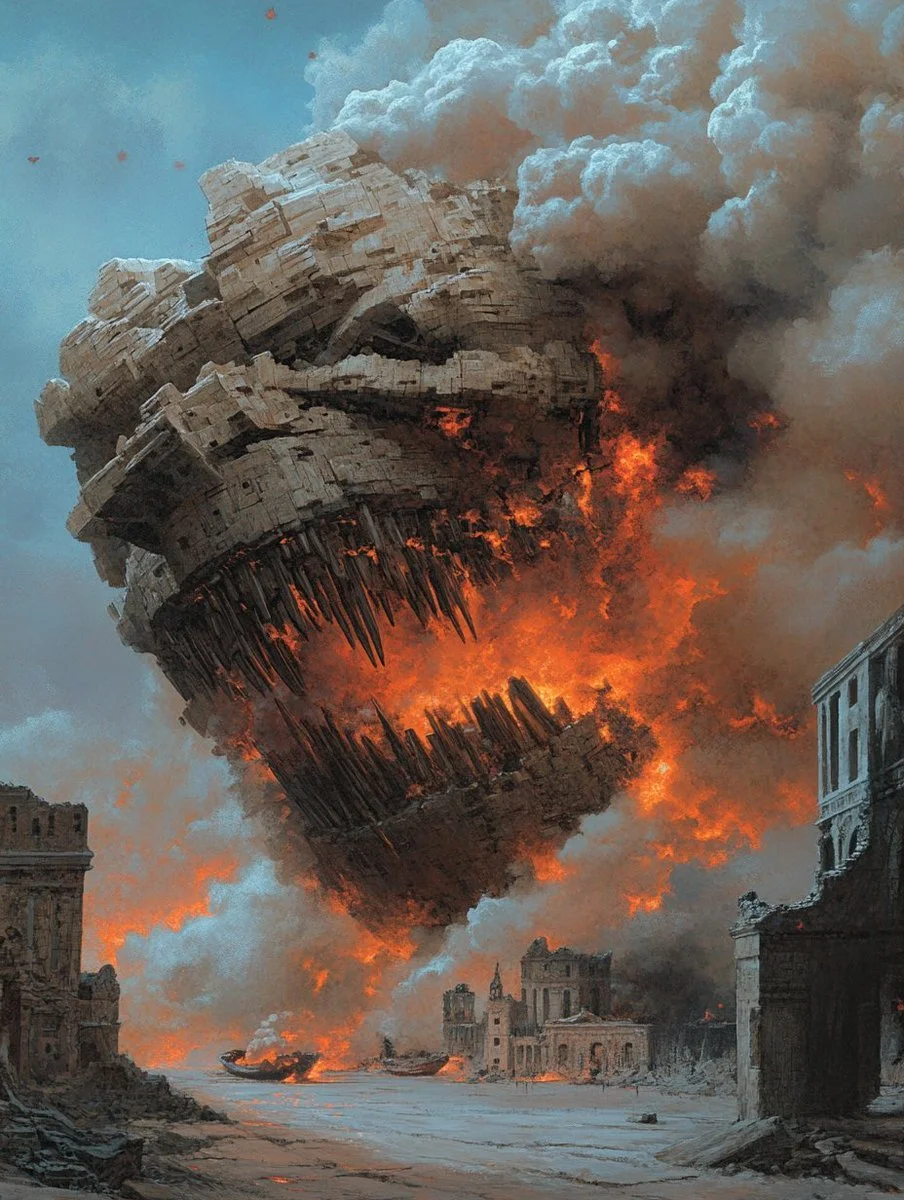
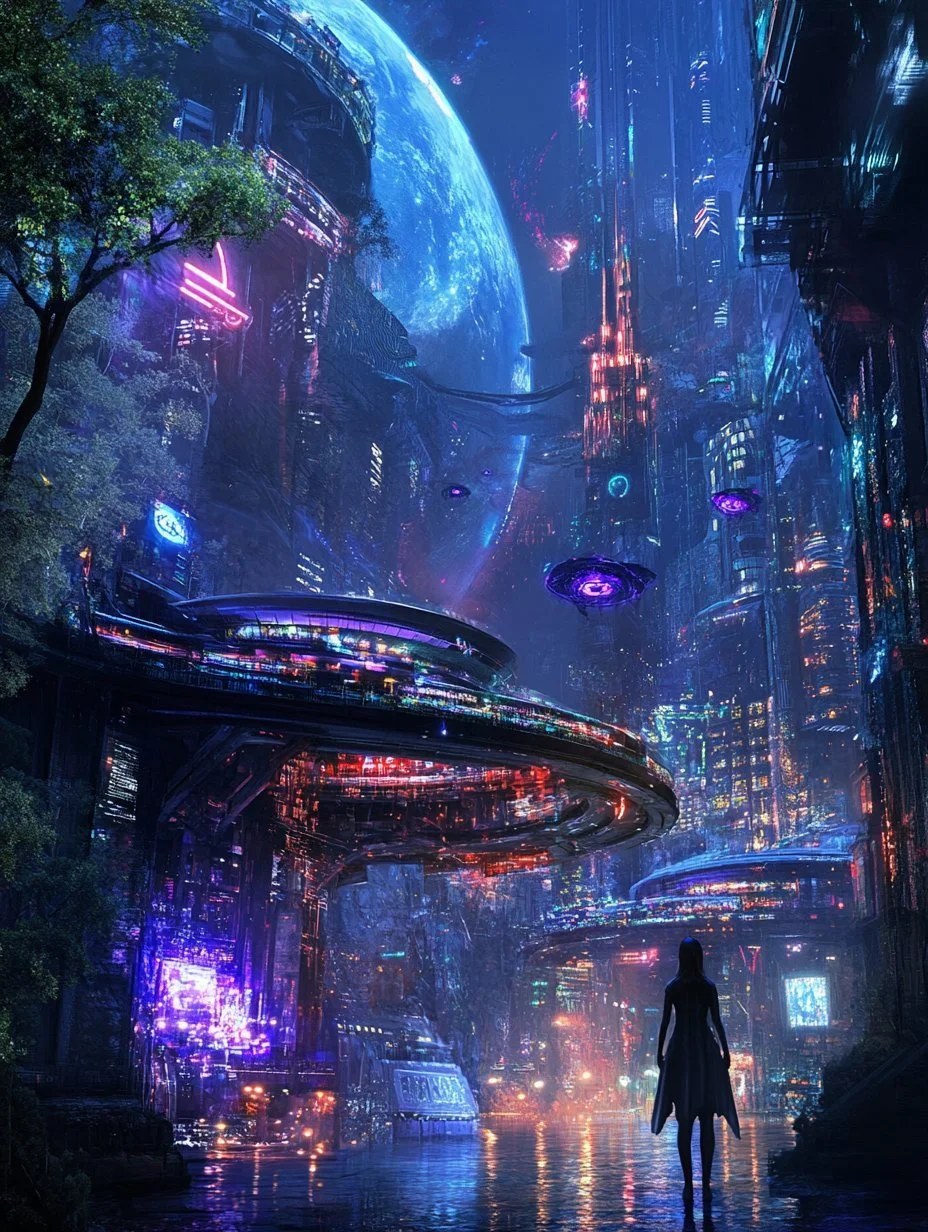
So, yes, let’s meet Skipper, a Canadian artist whose work transports us to distant worlds and future times, all rooted in the realms of science fiction. A self-described writer, AI artist, engineer, and dedicated follower of robotic innovations and ancient societies, Skipper is a true visionary in the AI art community on X. He offers us daily doses of pure sci-fi, taking us on stunning tours through gorgeous vistas populated by towering pyramids, enigmatic cyber beings, dwarfed humans (in comparison to their environments), and breathtaking depictions of angels and goddesses.
Skipper’s artwork, like mine, leans heavily into illustration, but while I often dabble in fantasy, he remains true to his love for science fiction, creating magnificent landscapes and structures so grand they challenge our imagination. His use of earthy tones—beiges, sandy browns, and deep golds—with occasional splendid blues adds vivid contrast to his compositions, making them visually stunning.
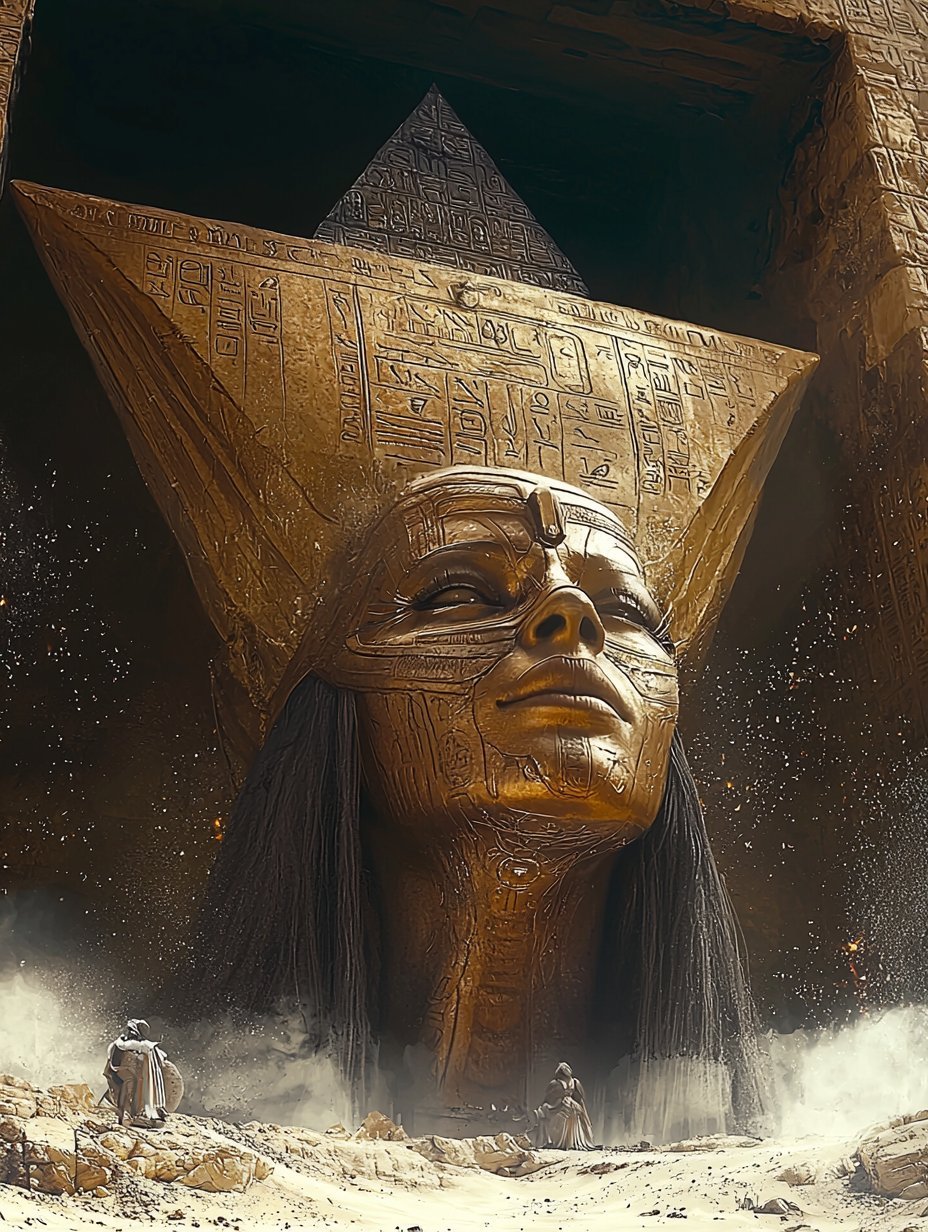
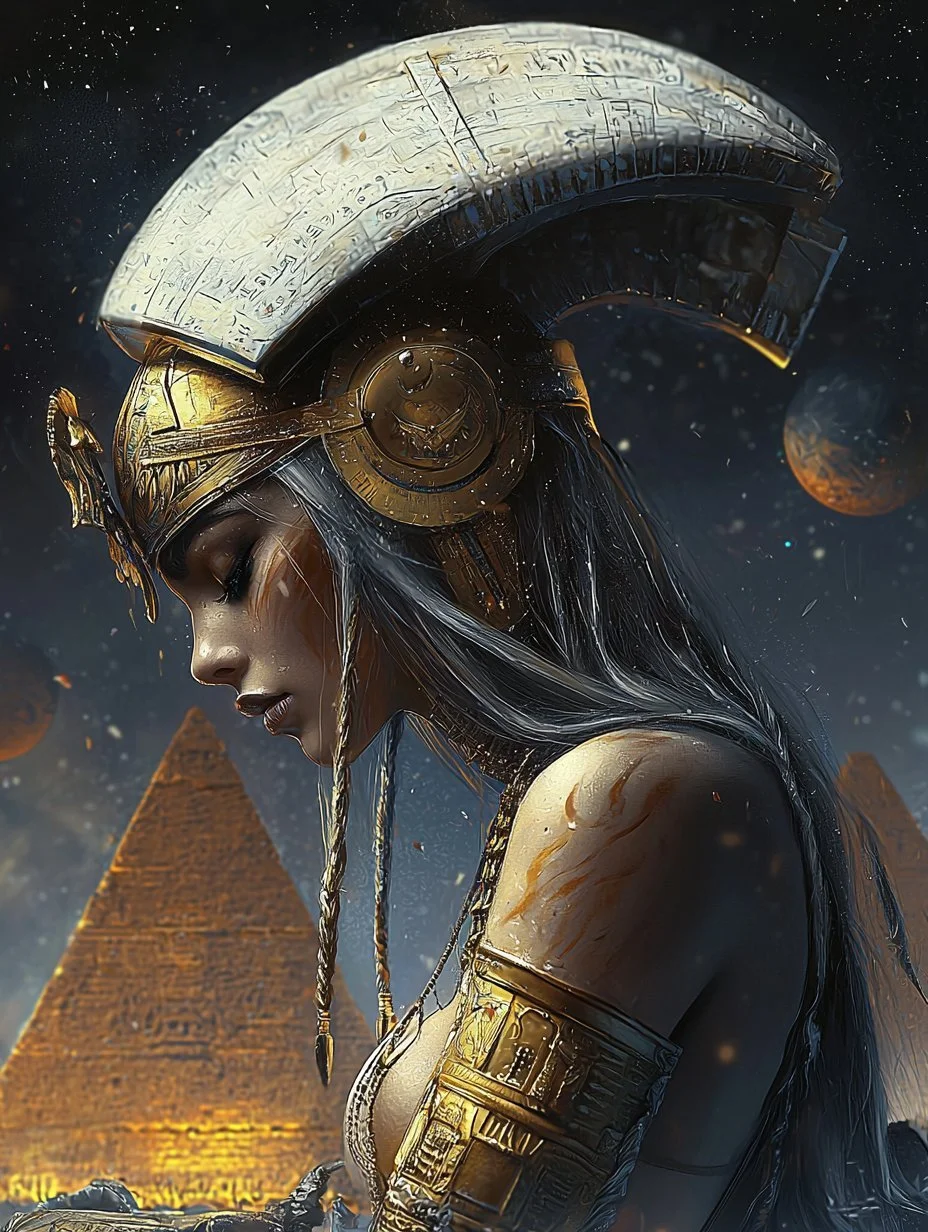
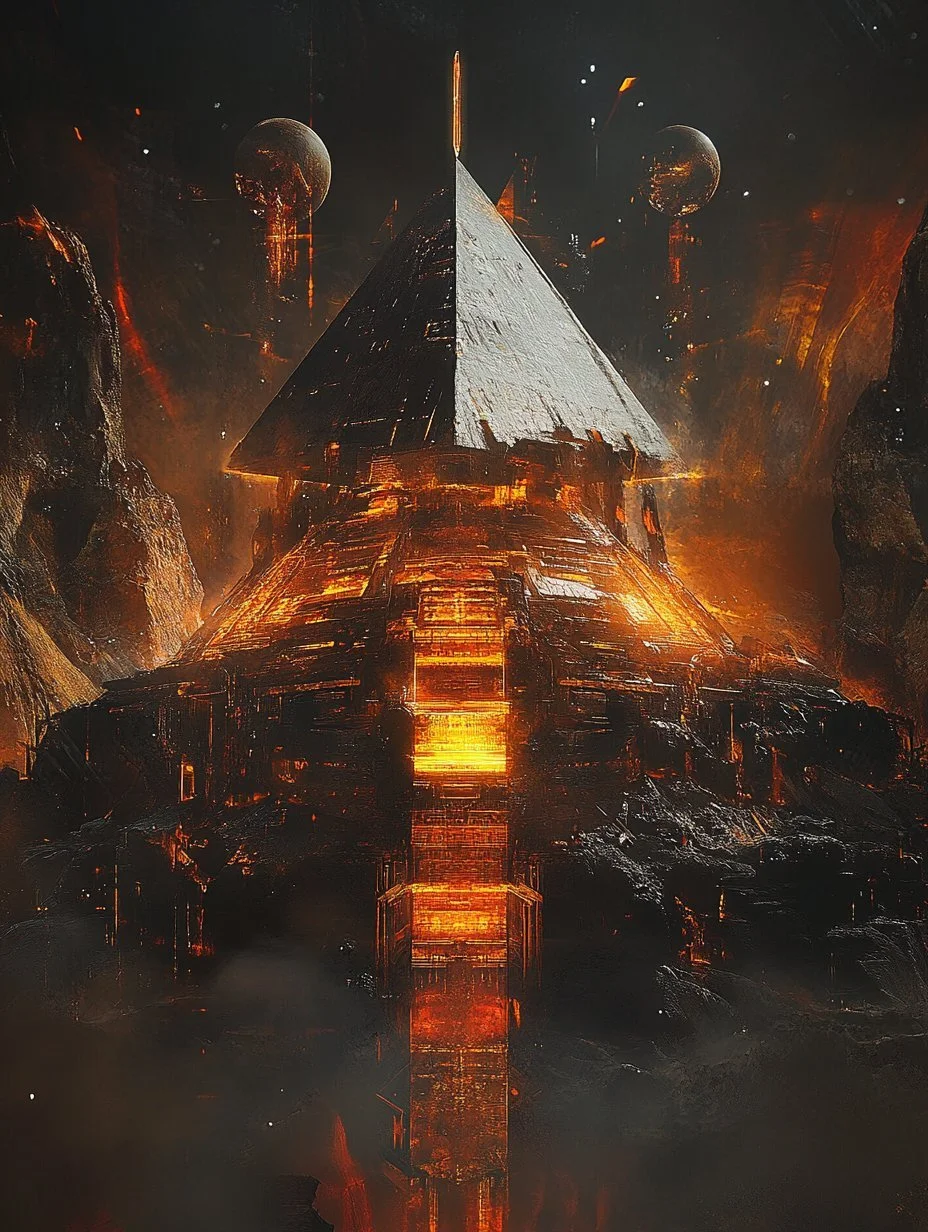
His fascination with civilizations beyond Earth is evident in his art, where colossal monuments—pyramids and ancient wonders—are rendered with such awe-inspiring scale that we question whether they were designed by humans or extraterrestrial intelligence. Skipper masterfully blends elements of ancient societies with futuristic visions, often linking these massive structures to the possibility of past visits from advanced civilizations or "gods."
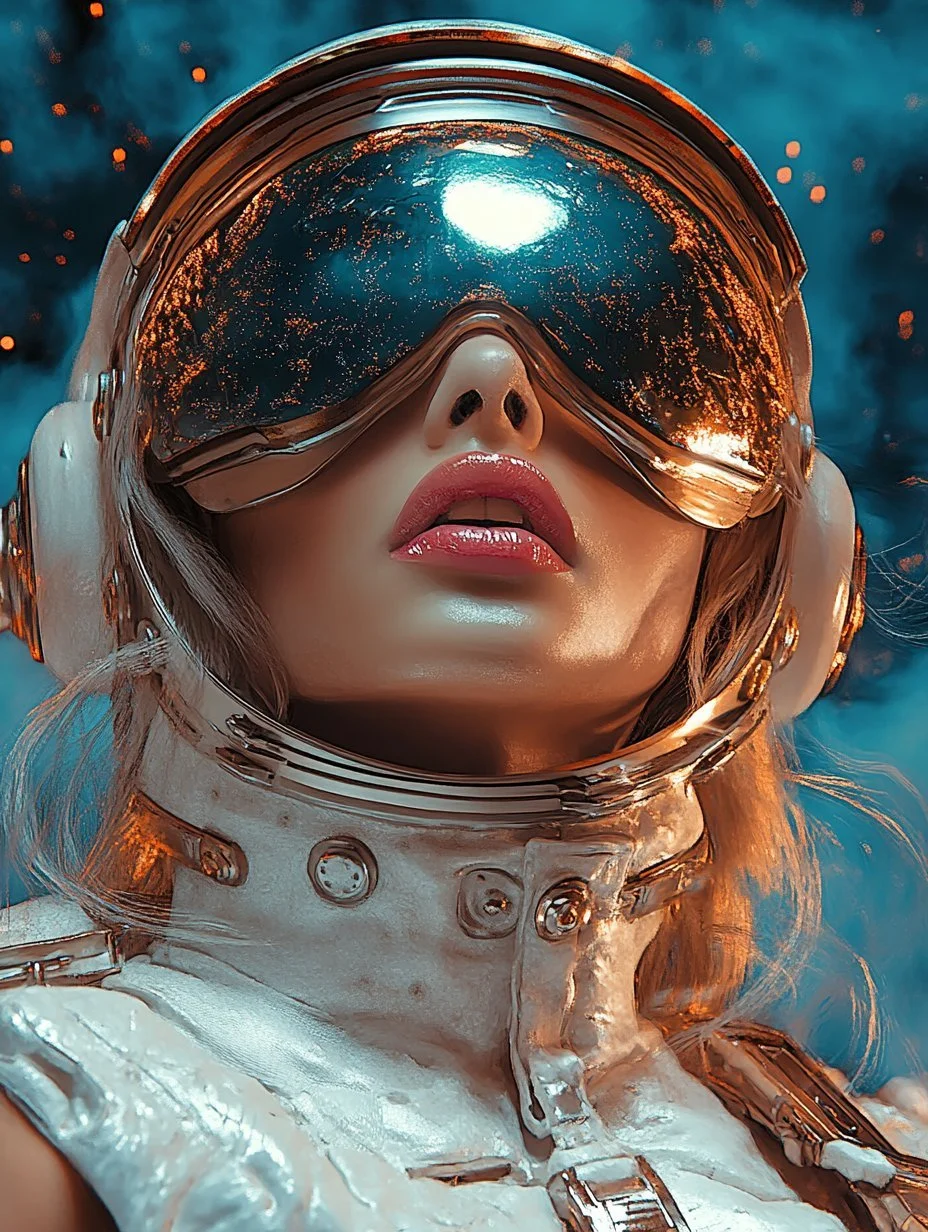
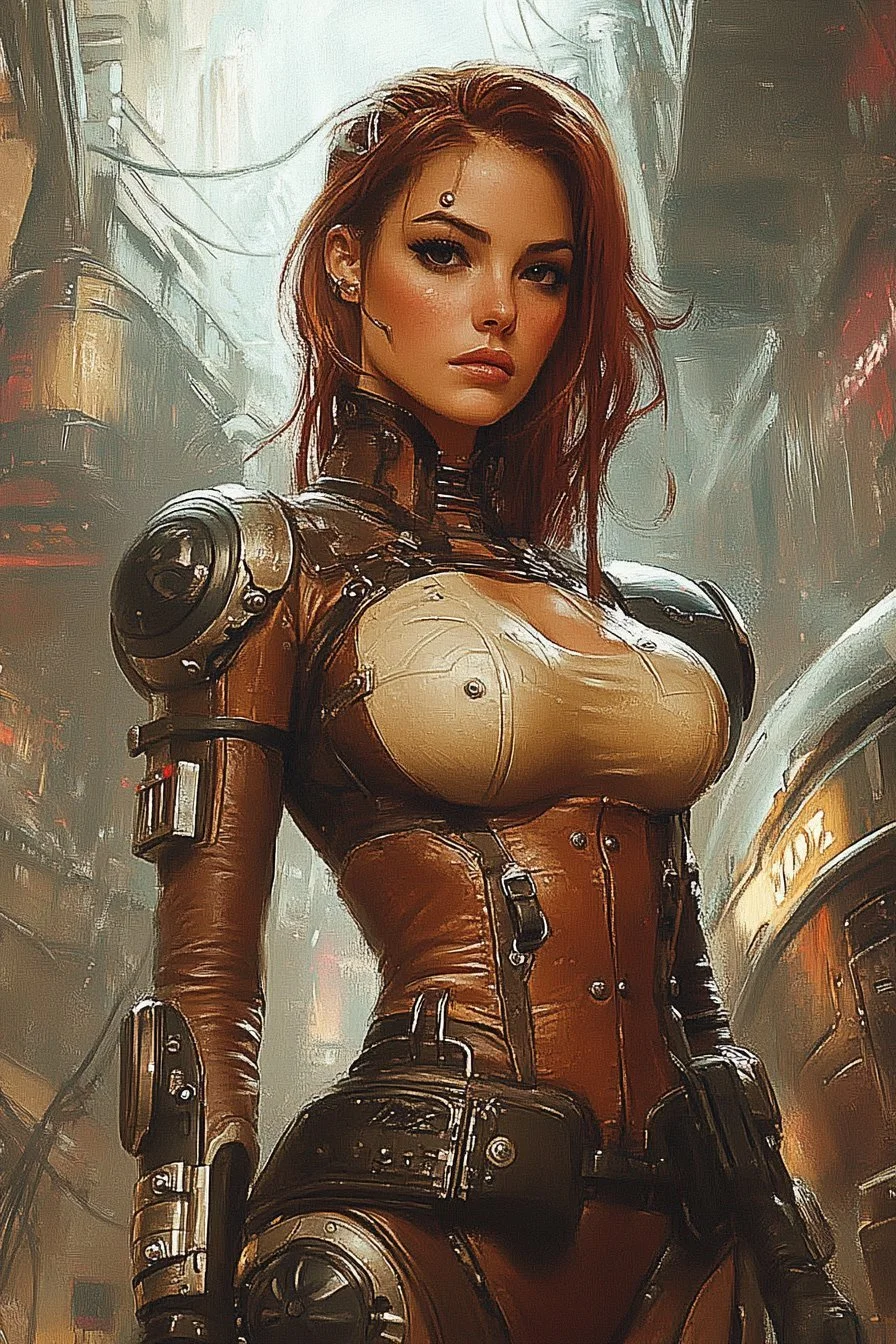
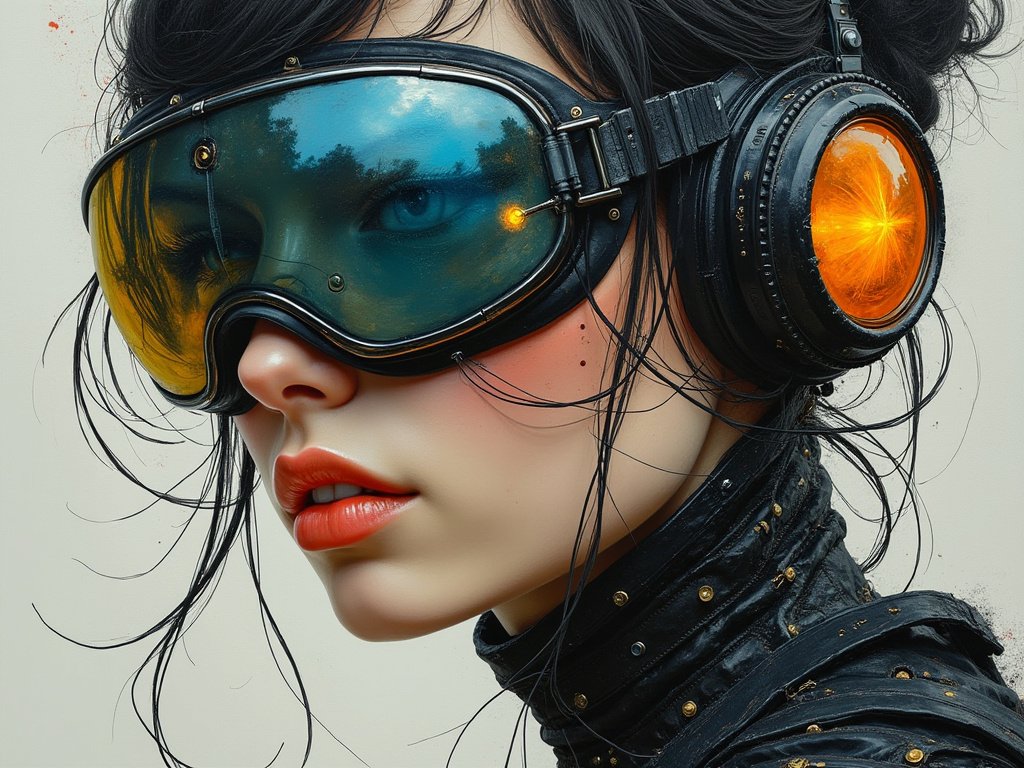
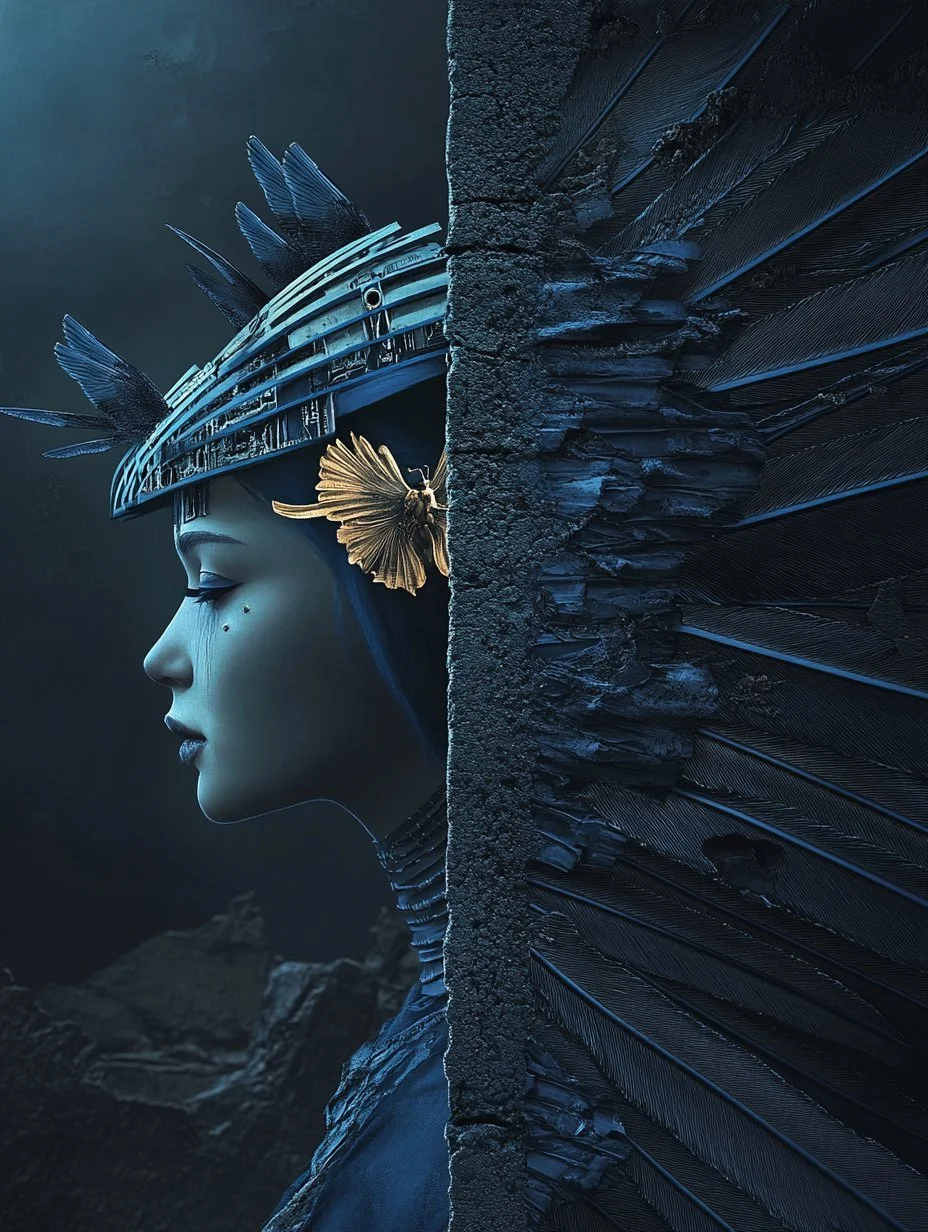
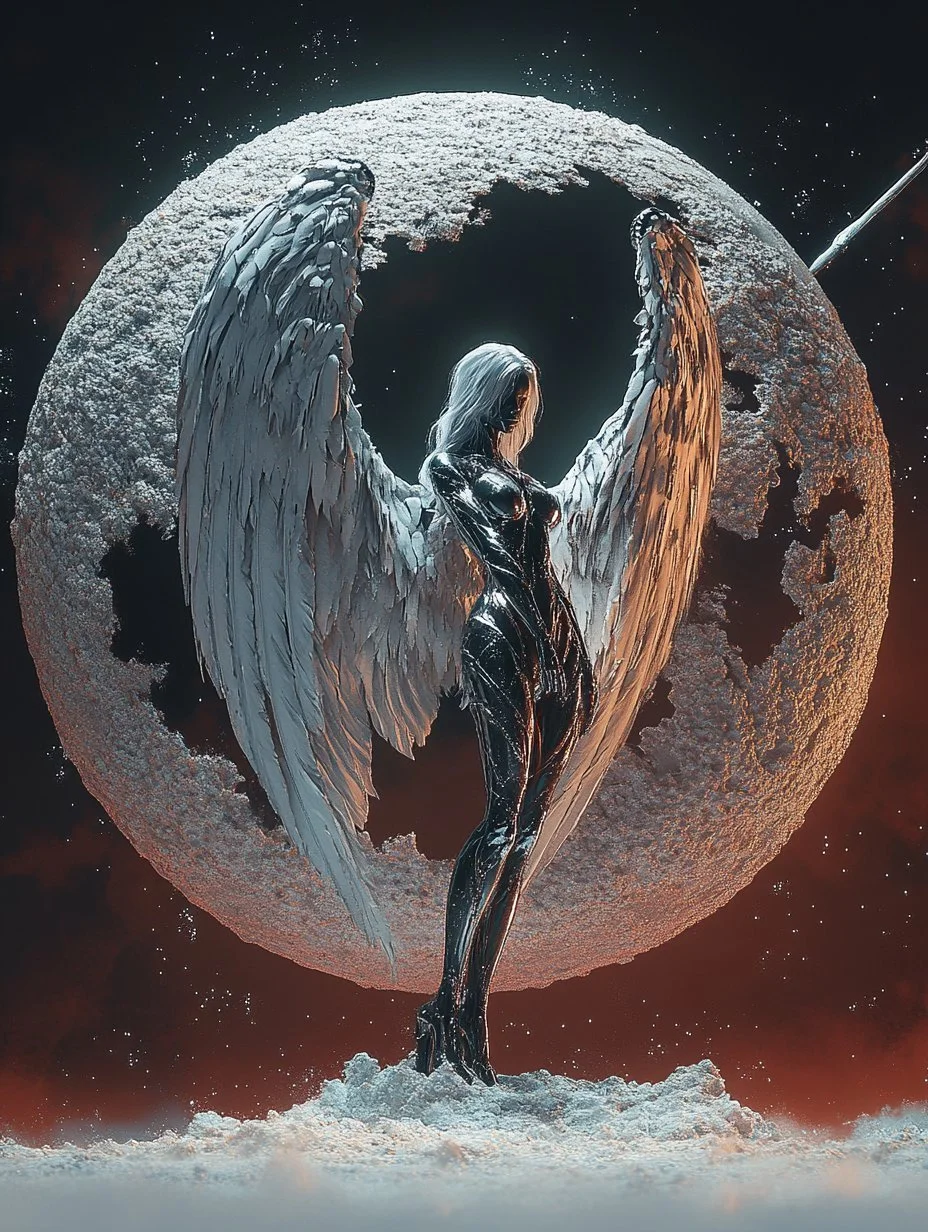
Another hallmark of Skipper’s art is his embrace of the elegance of the feminine. His close-up portraits almost always feature stunning women and goddesses, depicted as angels, fashion icons, or futuristic warriors, capturing both softness and strength in all of these figures.
An incredibly active member of the AI community, Skipper frequently shares advanced prompts, organizes AI art challenges, and posts an impressive amount of artwork weekly. His dedication to both the craft and the community has made him a beloved figure on X, and it is no wonder he is considered a true pillar of the AI art world. I am honored and grateful to have him join us for this interview.
Let’s discover Skipper Vanderwall together.
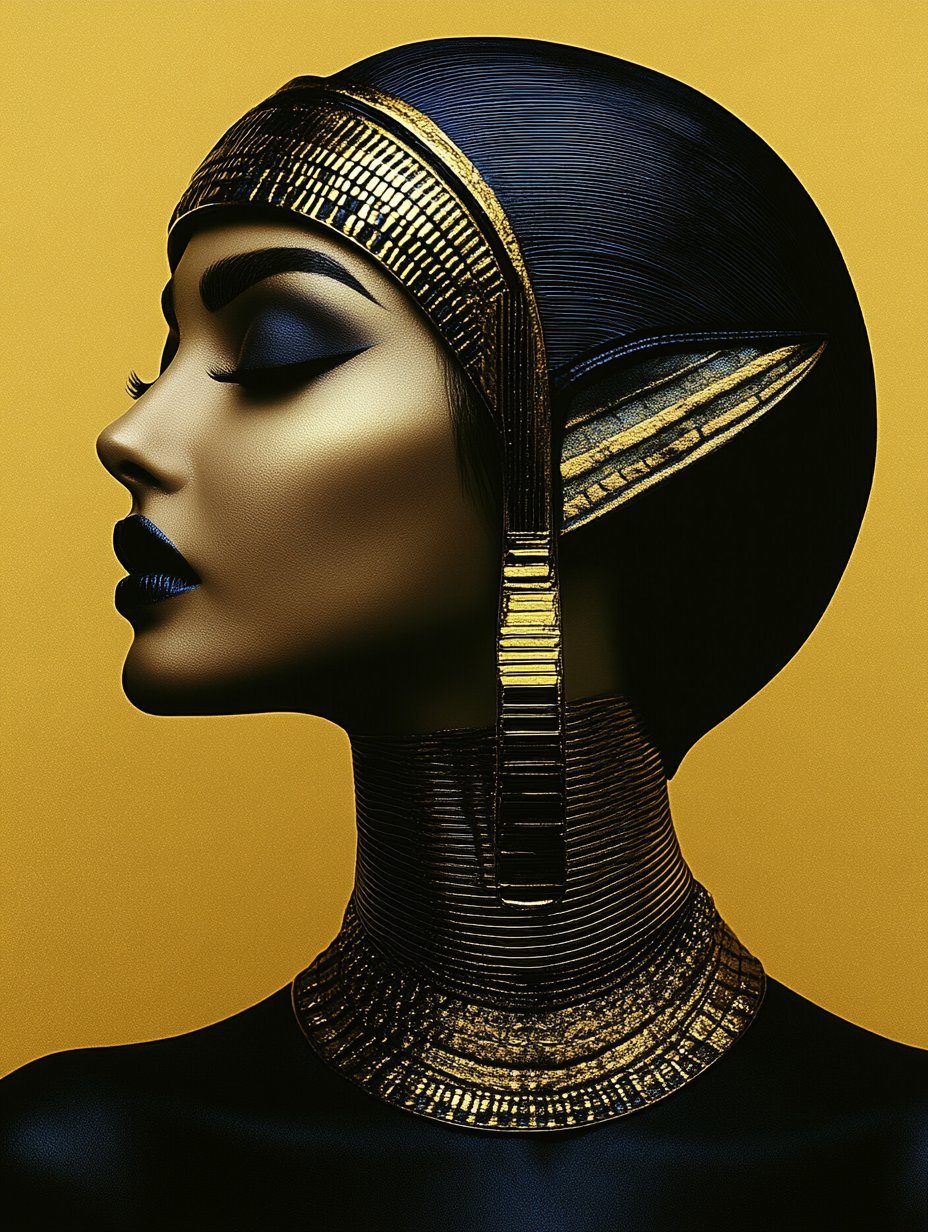
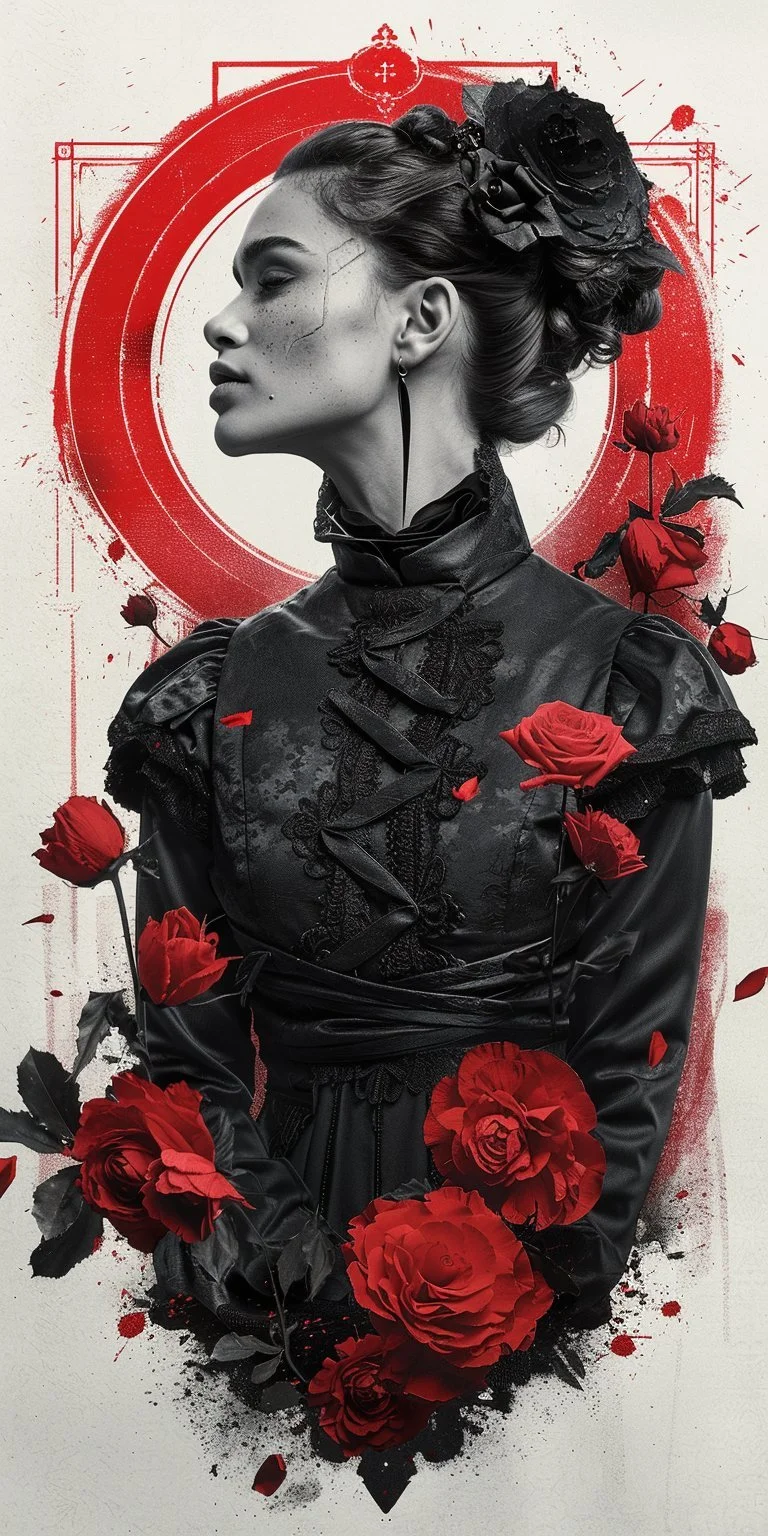
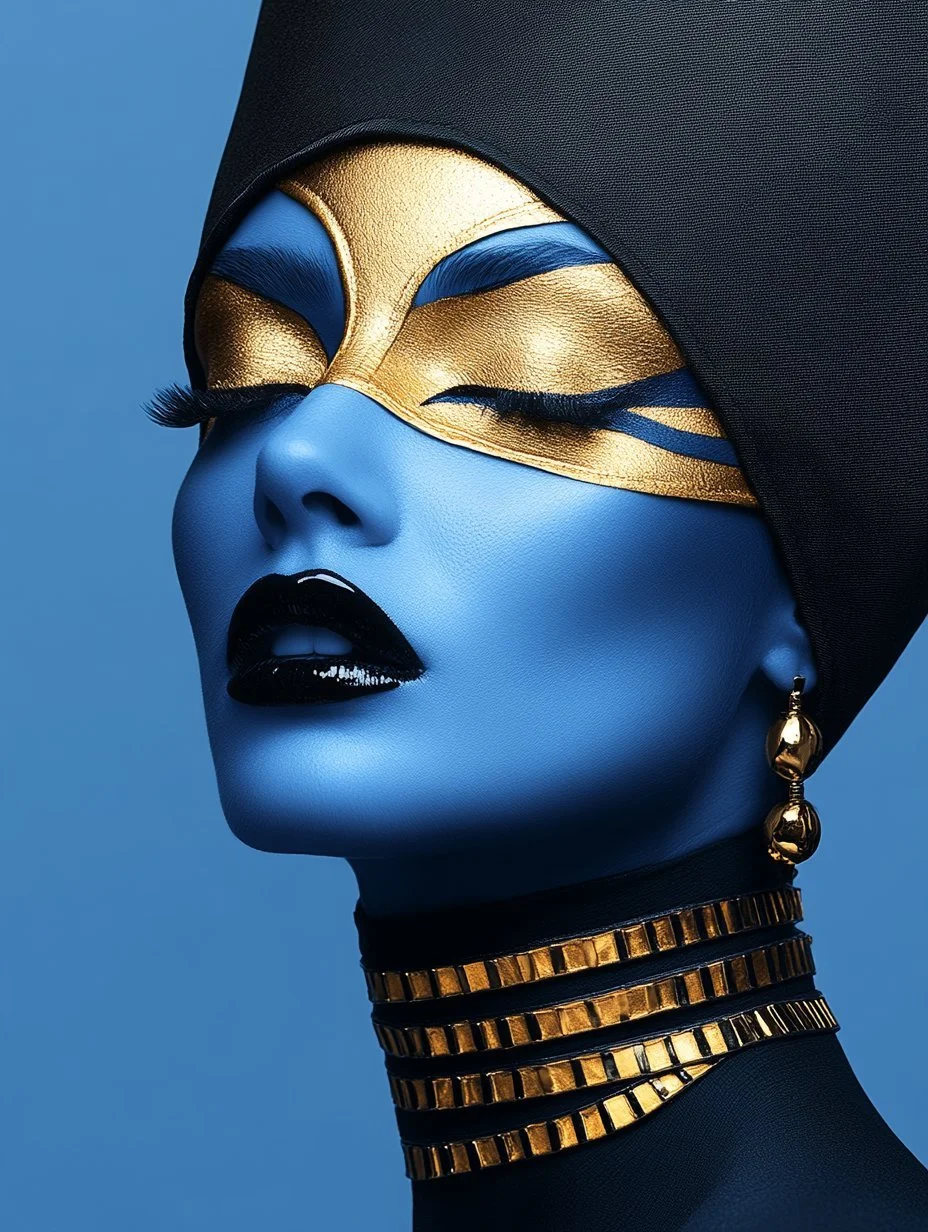
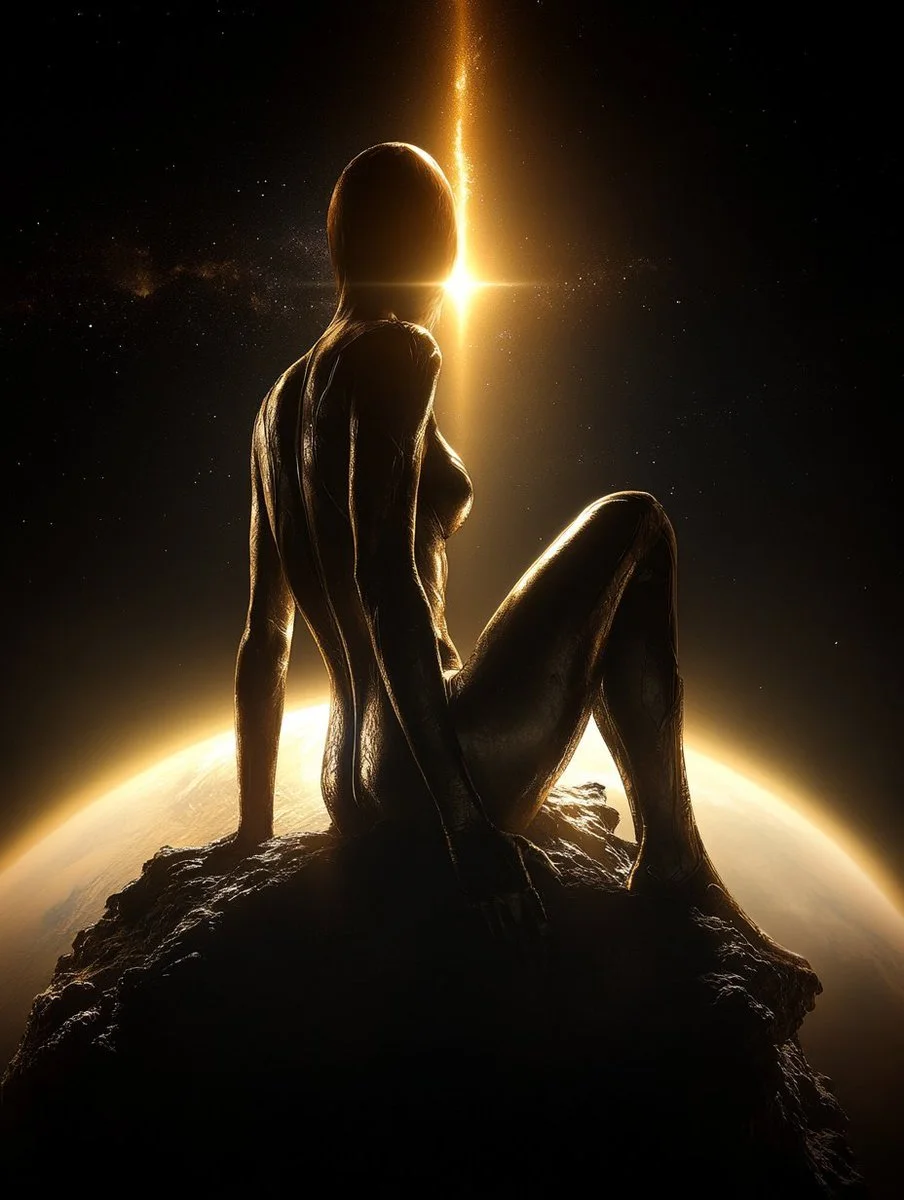
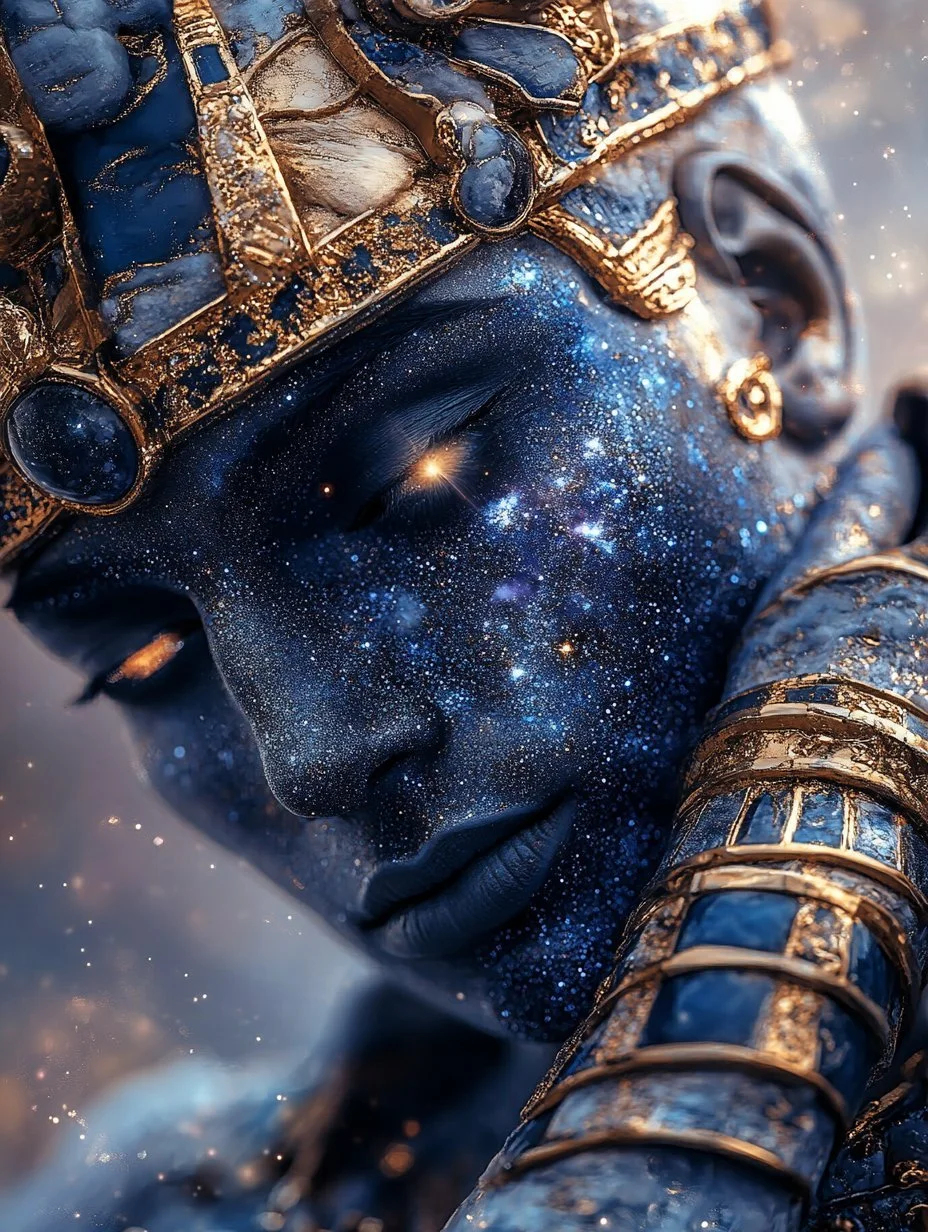
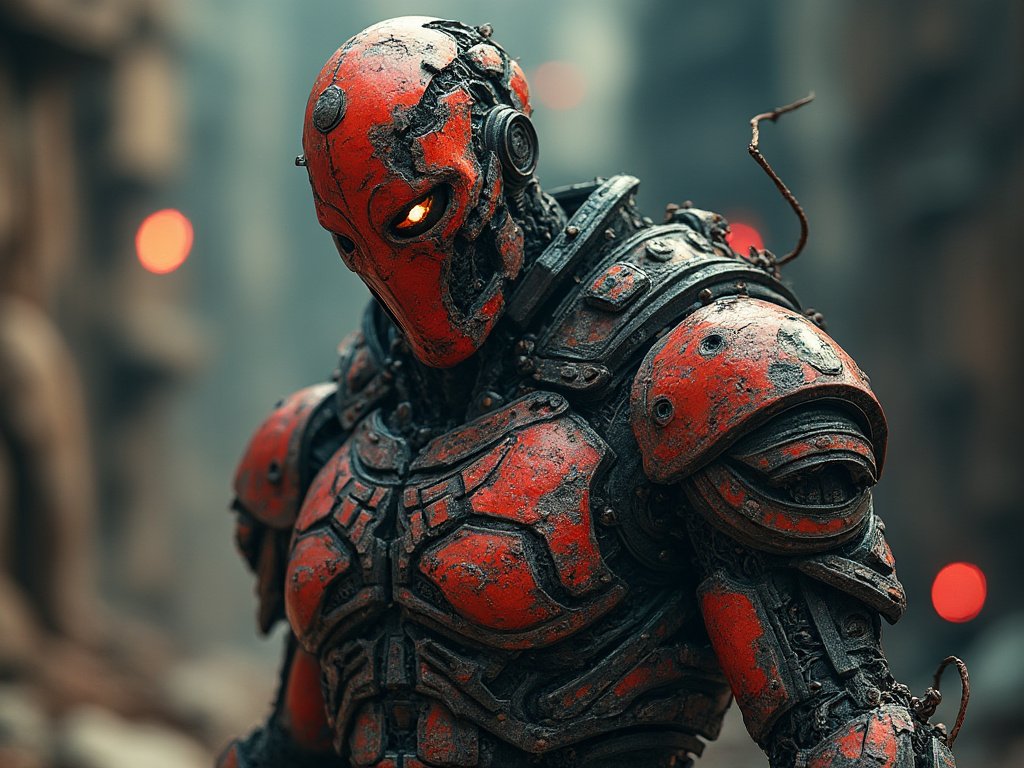
Cleopatra
Without getting too personal, can you tell us a bit about yourself?:
I consider myself a pacifist, defined largely by my creativity, or perhaps more accurately, by my curiosity. From a very young age, I’ve been intensely curious, constantly questioning everything around me. My parents were often busy, and since the internet was still in its infancy, I took it upon myself to answer those questions. And when I couldn’t find the answers, I imagined them. One of the biggest challenges for my imagination was constructing a scenario in which my future grandchild or great-grandchild would travel back in time to visit me.
However, to avoid being deceived by someone posing as my descendant, there had to be a secret password. The idea was that I would pass this password down through the generations to my son or grandson, a family secret. The password had to be neither too complicated nor too easy to guess. Imagine a six-year-old child, sitting every day, trying to come up with the perfect password—and forgetting it the next day—because it couldn’t be written down anywhere. Everything had to be stored mentally.
I would create all sorts of mental scenarios, which I called "games," mostly in the evenings before bed. Aside from this, I had a typical, healthy childhood, filled with friends, play, and a loving, supportive family.
As I grew older, I realized that these mental games had given me a great deal of mental energy. As a teenager, if I didn’t channel this energy, I couldn’t sleep. That’s when I started reading extensively and getting involved in various physical and intellectual activities, including writing, which helped me focus and release that energy. I’ve written numerous poems, a play, and even directed performances with students.
History has always fascinated me, along with books that explore mysteries and ancient worlds.
I’ve always taken formal education seriously. I trained as a metallurgical engineer, a field I find extraordinary. I was fascinated by material science and went on to pursue a master’s degree, hoping to stay in research. However, another opportunity presented itself, and I transitioned into a completely different field—working in human resources within education as a trainer. This shift brought its own set of professional satisfactions, and after pursuing additional studies, I can now say that I am fulfilled and content with where I am.
Could you please tell us which country you live in?:
I live in Canada.
What led you to begin working with AI imagery?:
I had some knowledge of early programs that could generate images, though they were in their early stages at the time. I remember thinking how incredible it would be to create your own artwork in the style of famous painters or even have pictures of yourself alongside celebrities or historical figures—something that now seems almost trivial. I started with Wombo, generating thousands of images in just a few days, which I was initially very proud of, but now they seem quite rudimentary. That was about two years ago. From there, I started exploring more, experimenting with prompts and seeking out new information.
What AI tools do you use?:
The first program I used and paid for was Wombo, which was impressive at first but didn’t keep up with the advancements. Afterward, I used Bing and pushed it to its limits, trying to achieve the maximum results. I experimented with other programs but wasn’t fully satisfied. Eventually, I found Midjourney, which I use now, occasionally dabbling with Grok as well.
What inspires you?:
When I sit down at the computer, I clear my mind entirely. Then I let inspiration take over, and in that process, I begin to visualize—perhaps a face, a castle, or an image in motion. From there, I try to recreate it, using prompts to match what I envision, and sometimes even create the opposite of that image.
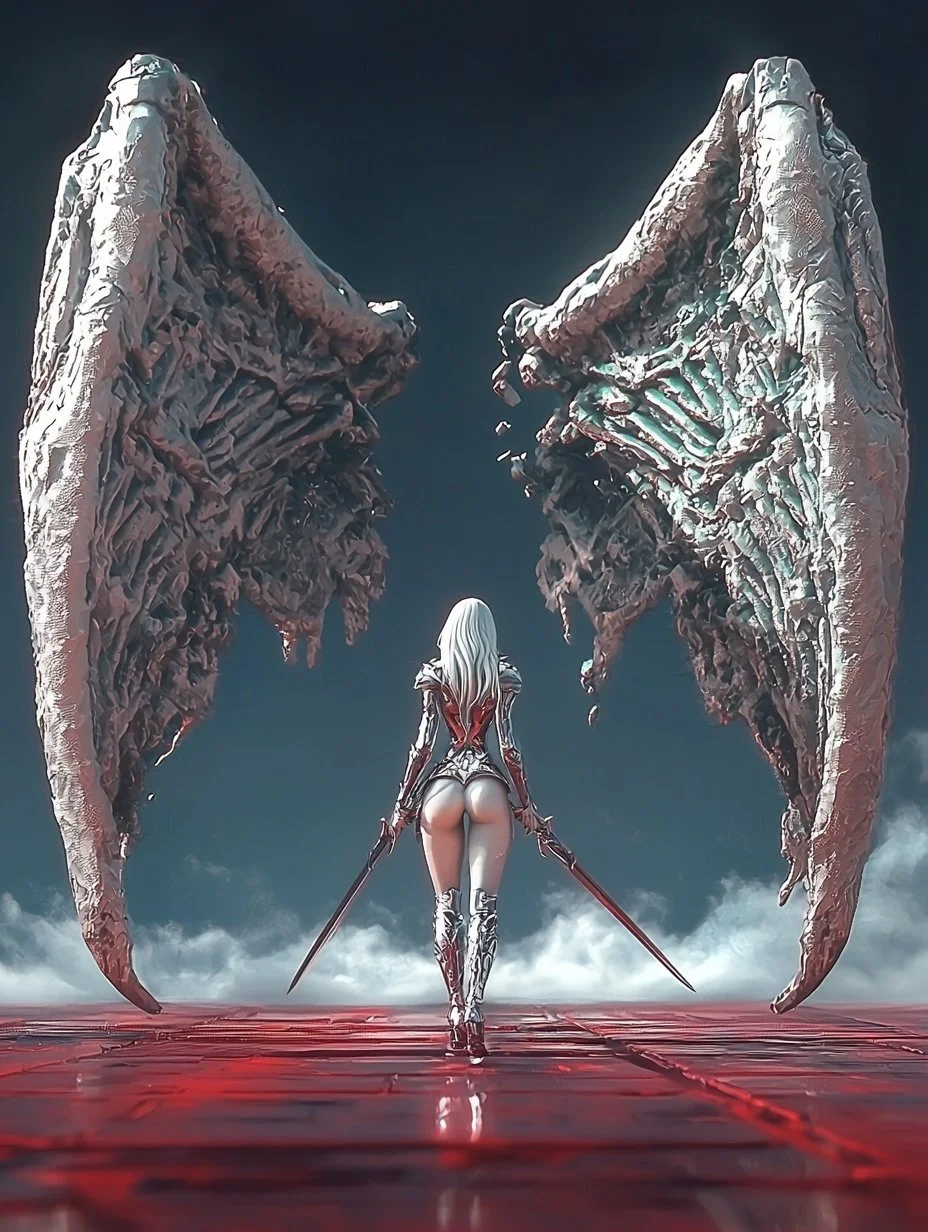
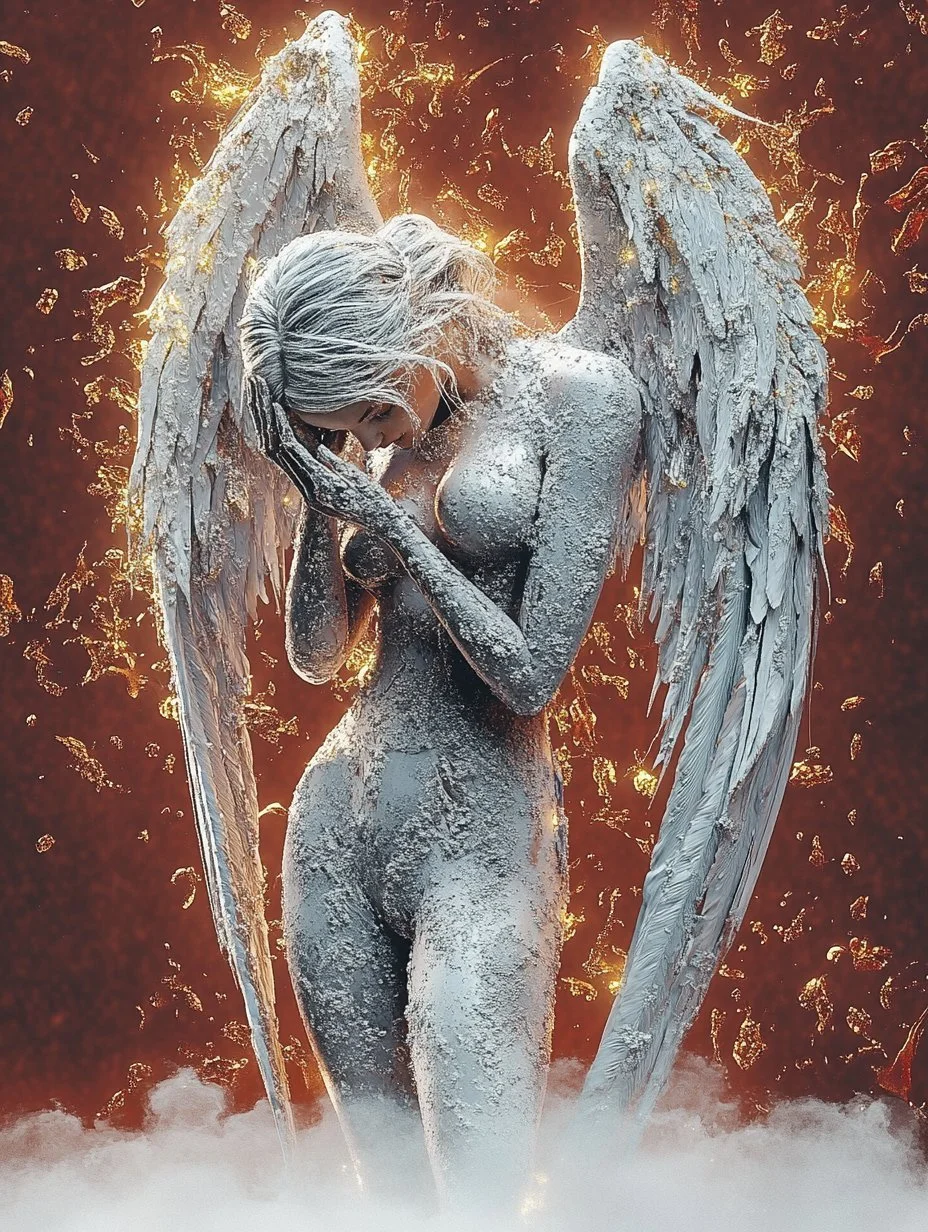
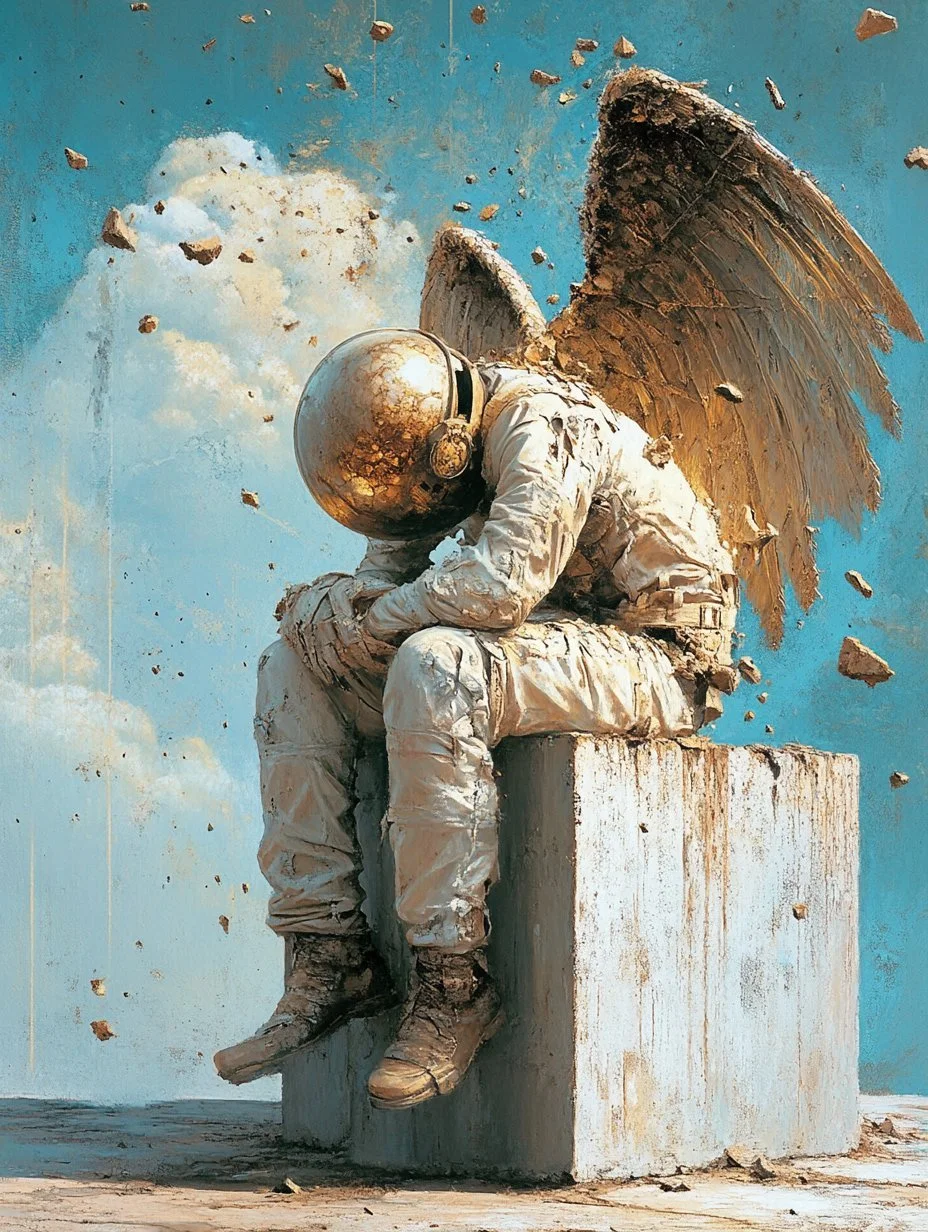
Angel
(One of @revelinai’s favorite images by Skipper Vanderwall)
In which other medium, if any, do you practice art?:
I’m not particularly talented at drawing or painting. My attempts are no better than a child’s—drawing a house or a tree, for example, is beyond me. I simply don’t have those skills.
Would you consider AI-generated art true art?:
This is a great question and one that has sparked quite a bit of debate. For me, the answer is yes. An artist, in my view, is someone who is deeply concerned with aesthetics and beauty. The process of refining an image, sometimes generating hundreds of versions to reach the one you truly desire, and the emotions that the image evokes—that, to me, is art.
If film is considered art, why shouldn’t image generation be the same? New technologies are already creating short videos with a single prompt. With that in mind, we’re now on the verge of creating short narratives that AI can translate into moving images. Of course, anyone can type a simple prompt, like "a red race car," but that doesn’t make them an artist. Being an artist means doing this consistently, day after day, for a year, two years, or more. It means constantly learning, seeking out information, and engaging with other artists as the technology evolves monthly. You don’t become a sculptor just by hitting a stone with a hammer a few times; you become one by doing it with passion over the years, envisioning the final form, and keeping that vision alive in your mind and soul.
Please share one or a few of your favorite images with us.:
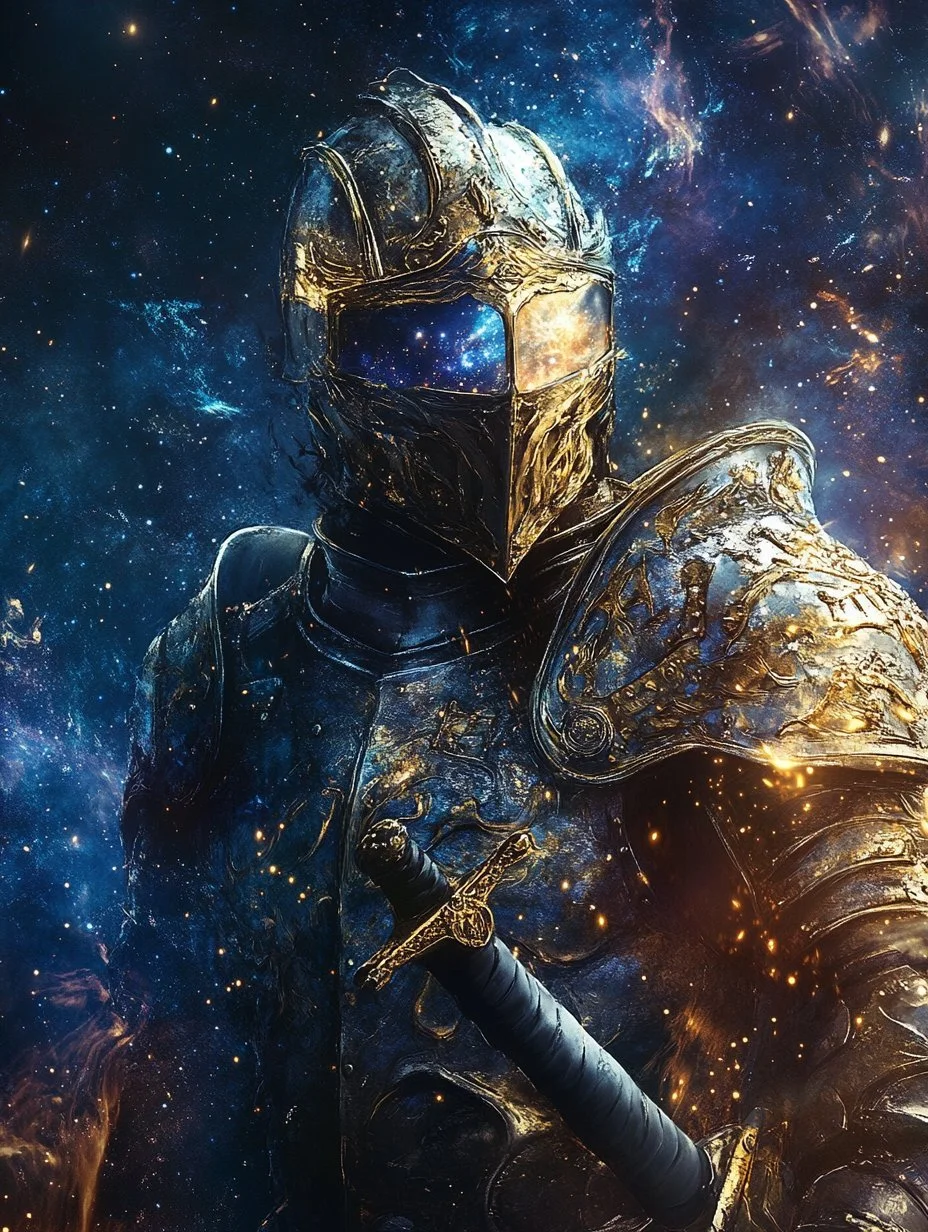
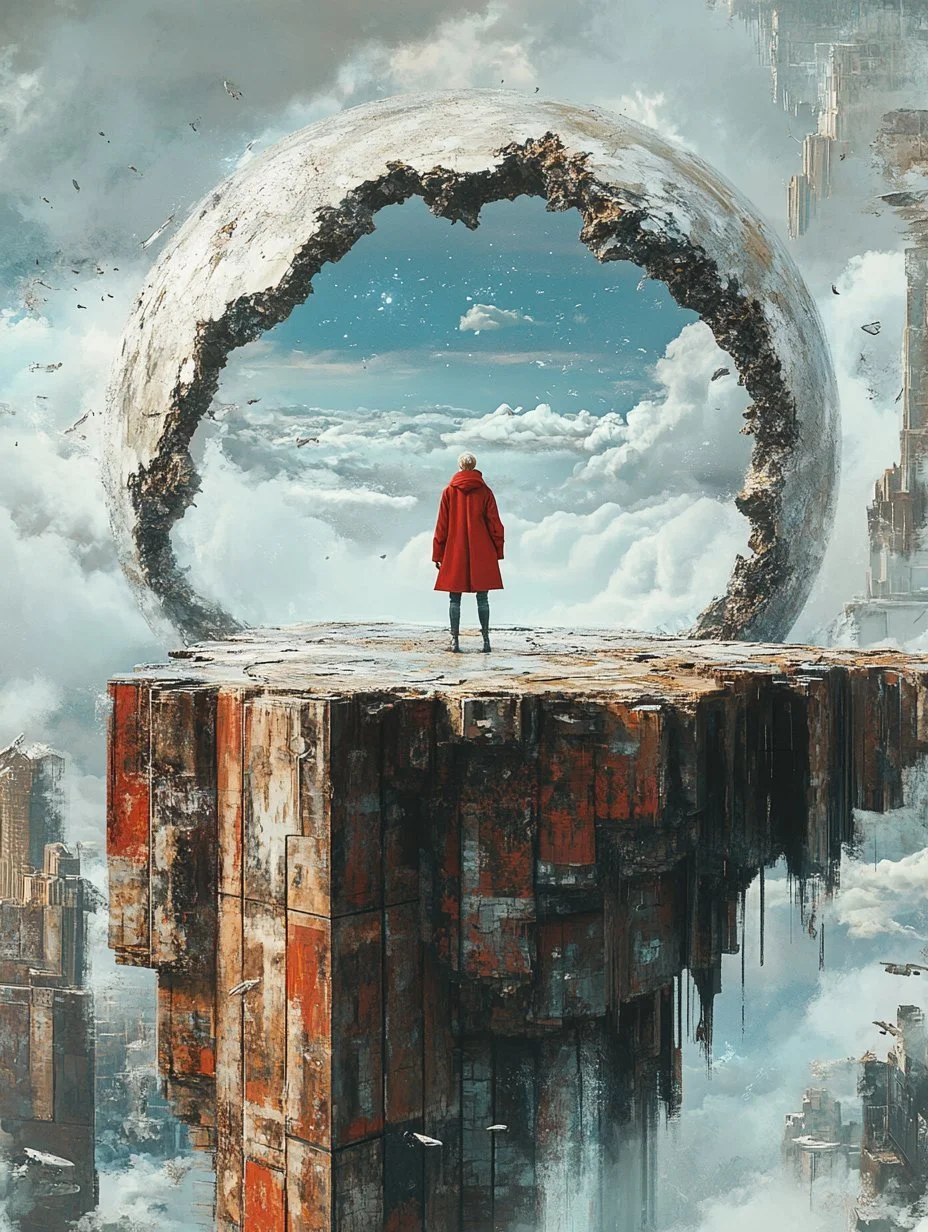
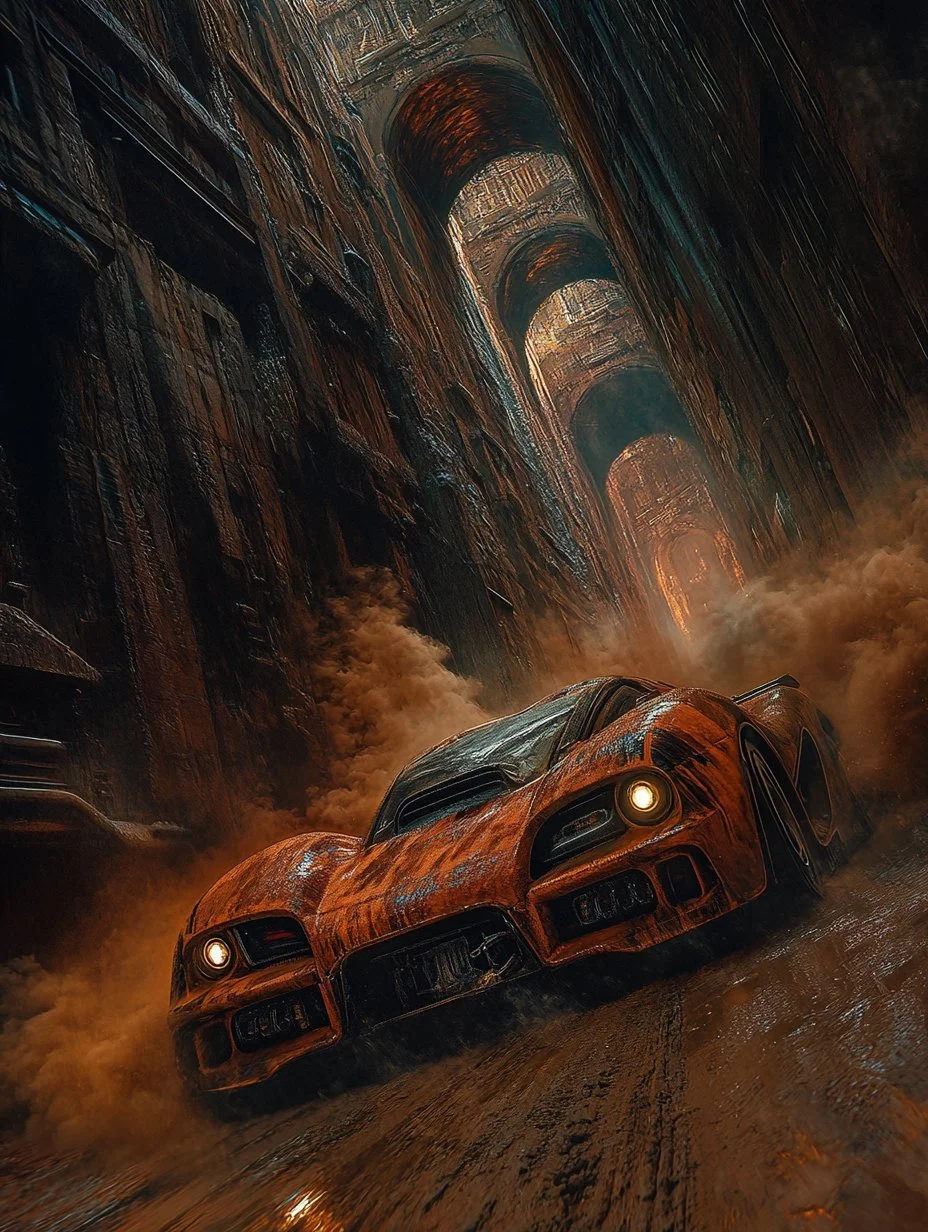
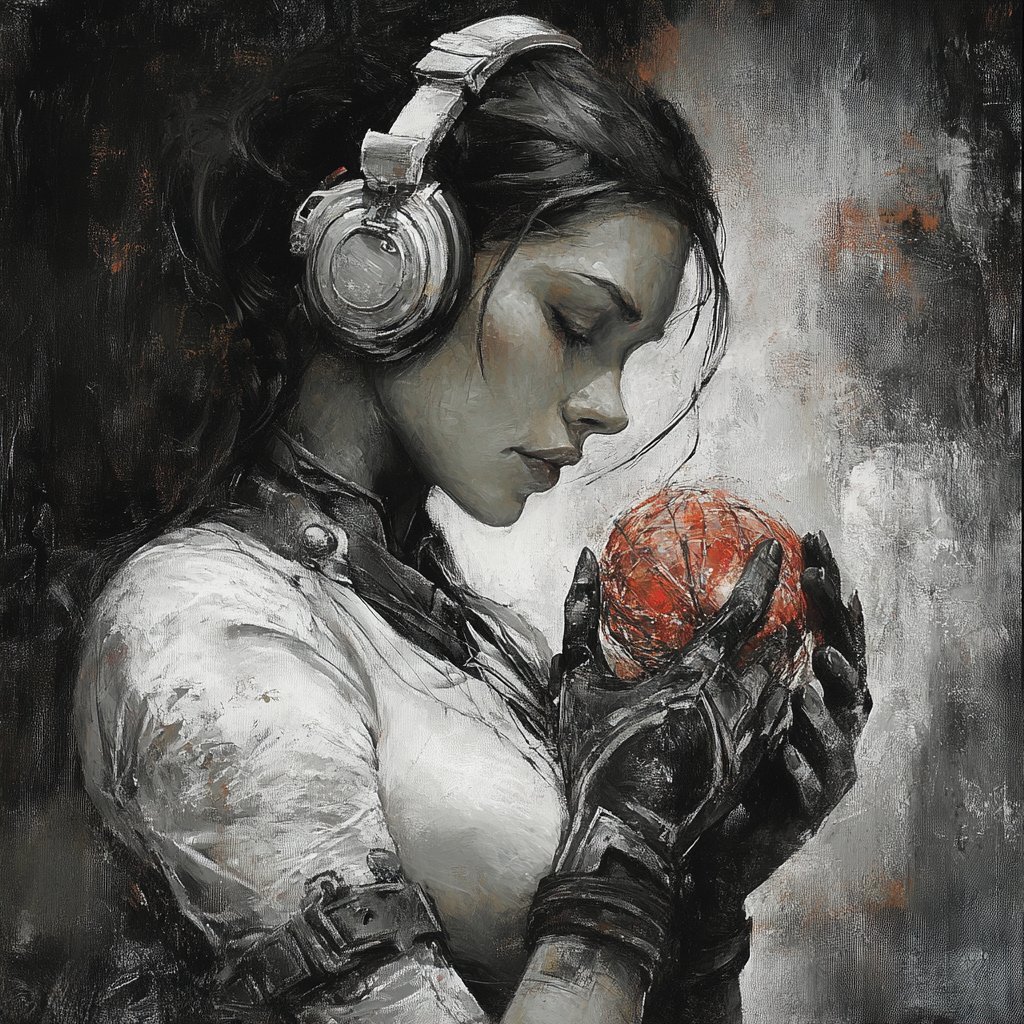
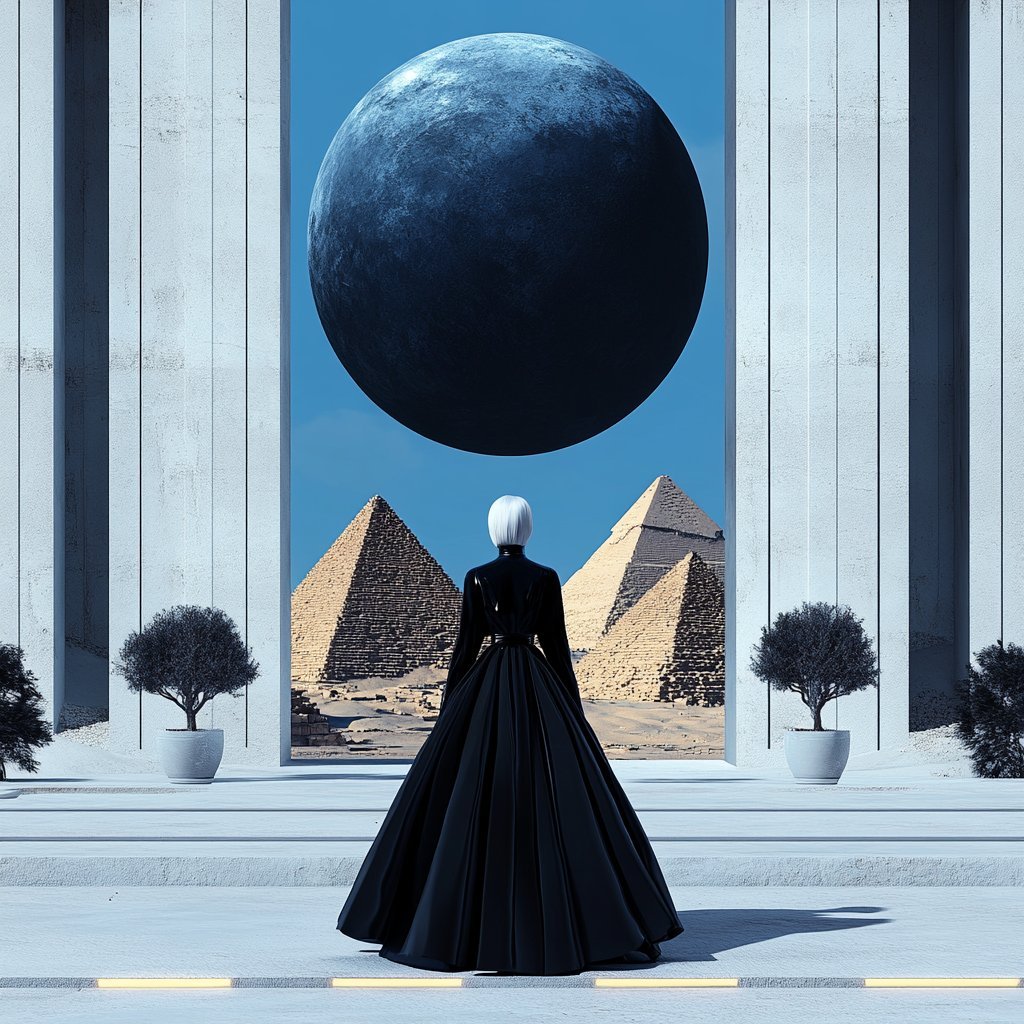
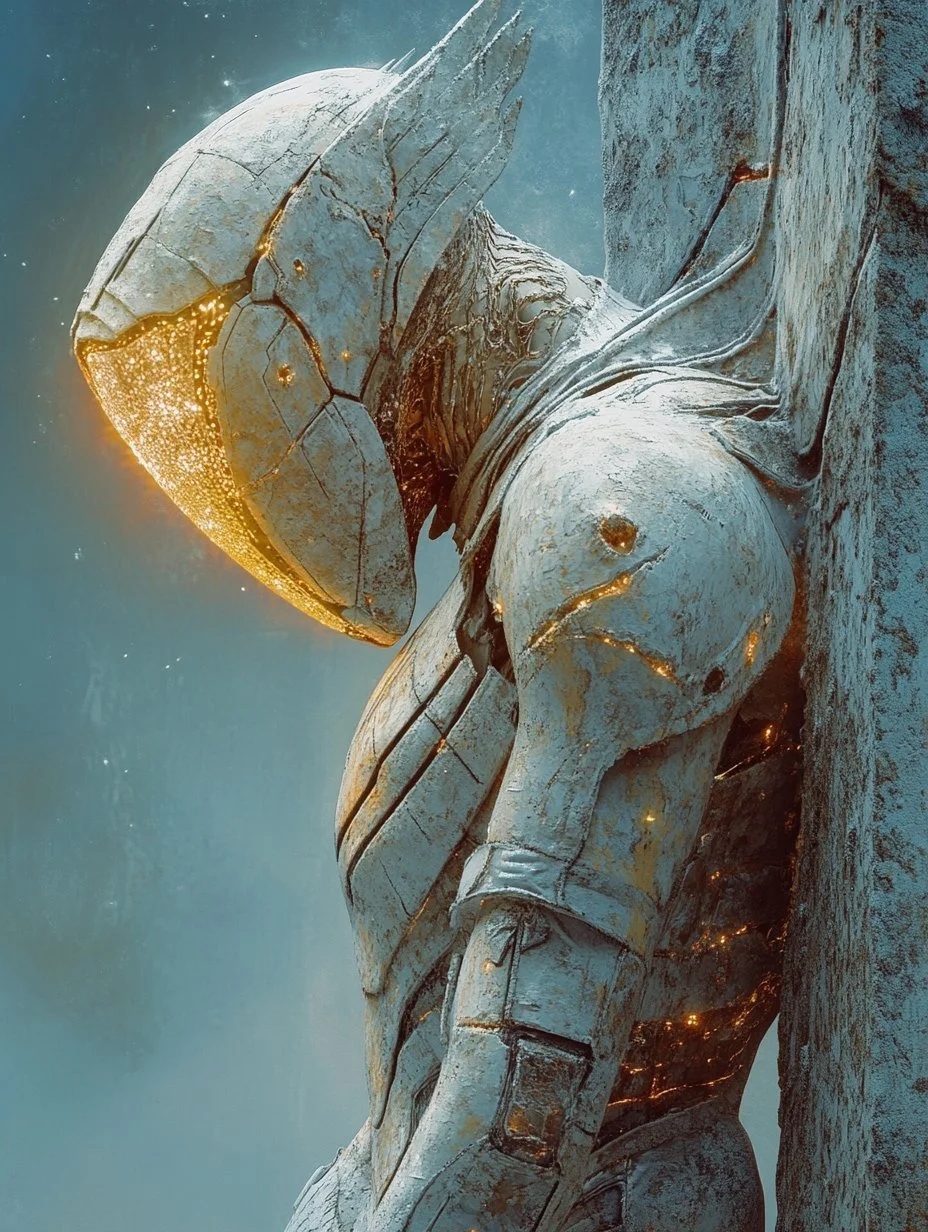
I’ll share 13 of my favorite images.
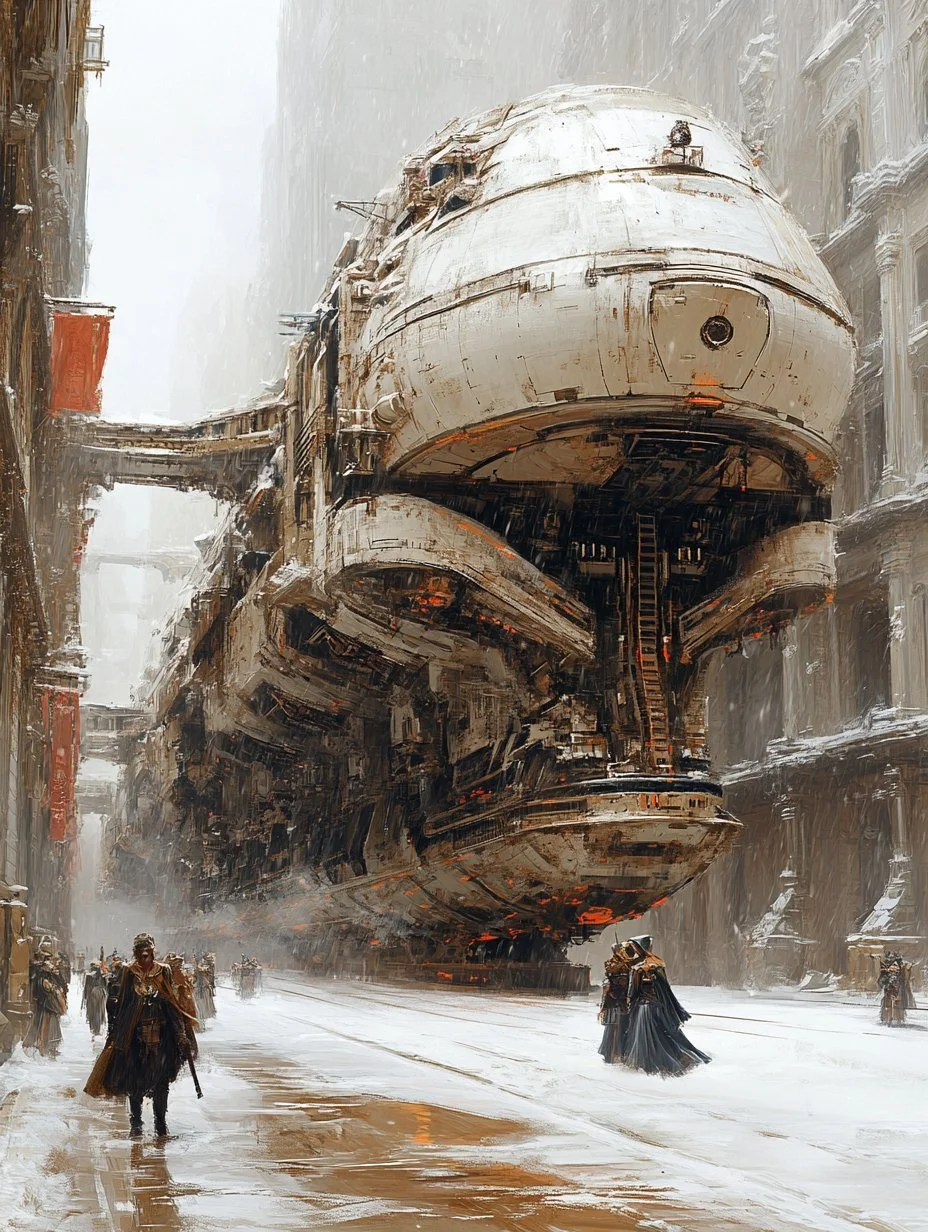
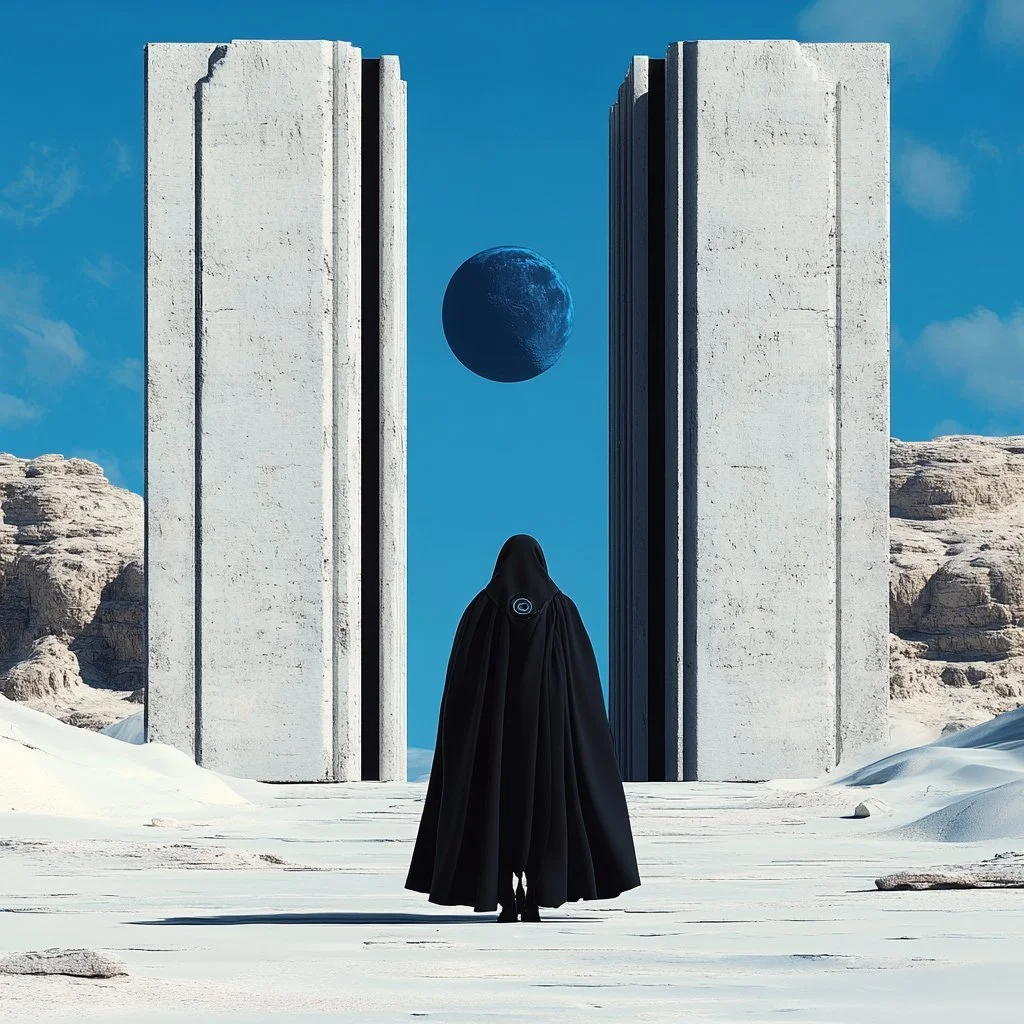
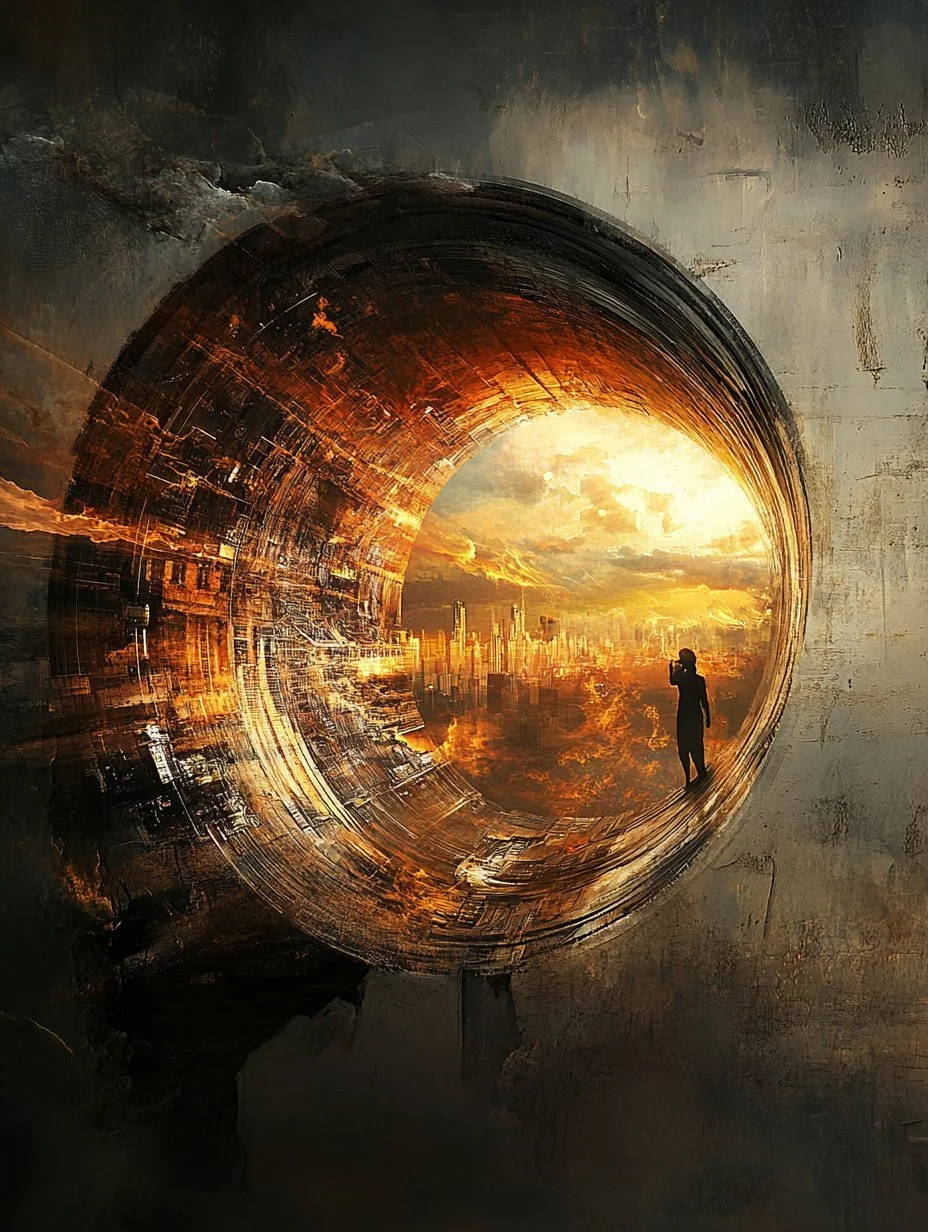
Staring into the future
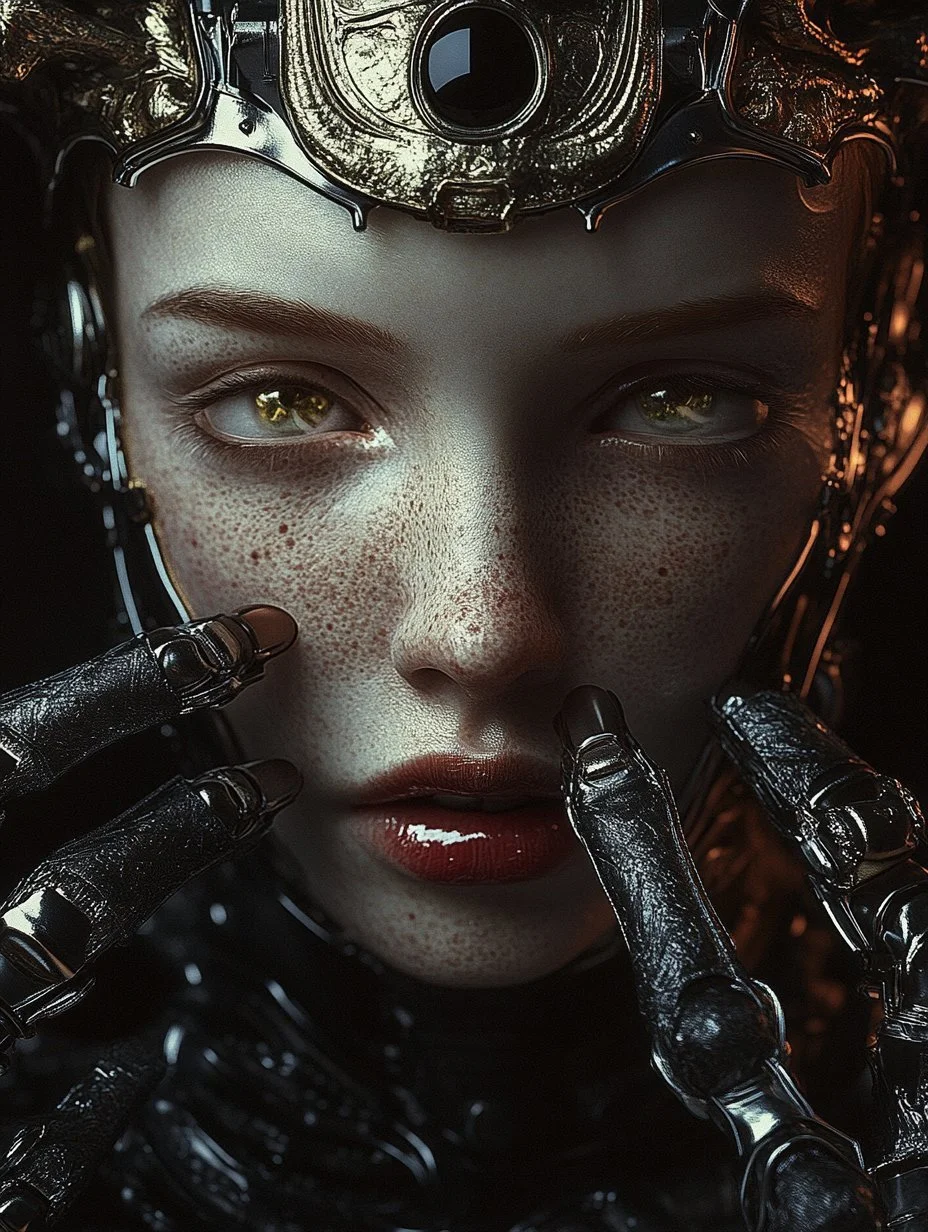
Do you title your AI-generated art? If you do, what inspires you to come up with these titles?:
I’ve gone through several phases. At first, I just added titles. Although it seems strange now, when I first started posting, I would get lost in comments and posts and forget to add titles. I would later go back to update the post with a title. After that, I tried writing brief descriptions for the images but eventually gave that up, too. Now, I create titles with two or three words that I feel best define the image. One thing I don’t do is use hashtags, as I think they clutter the visual unnecessarily, and I’m not sure they actually serve a purpose.
When do you tend to be the most productive, and do you work in long sessions or short bursts?:
I work best in the evenings, after most of Europe has gone to bed, because that’s when Midjourney generates images the fastest. During the day, I think about what I want to try, and in the evening, I aim for maximum achievement.
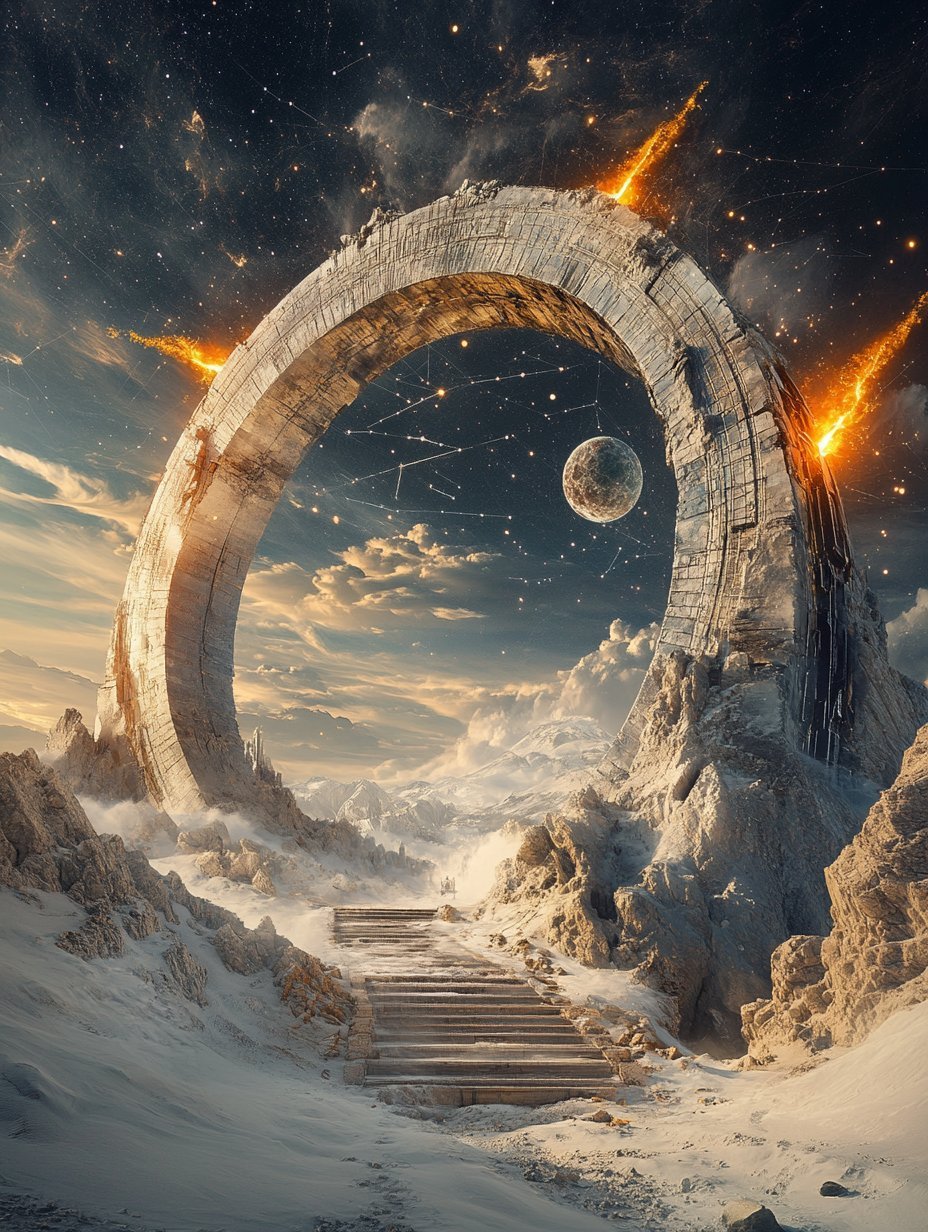
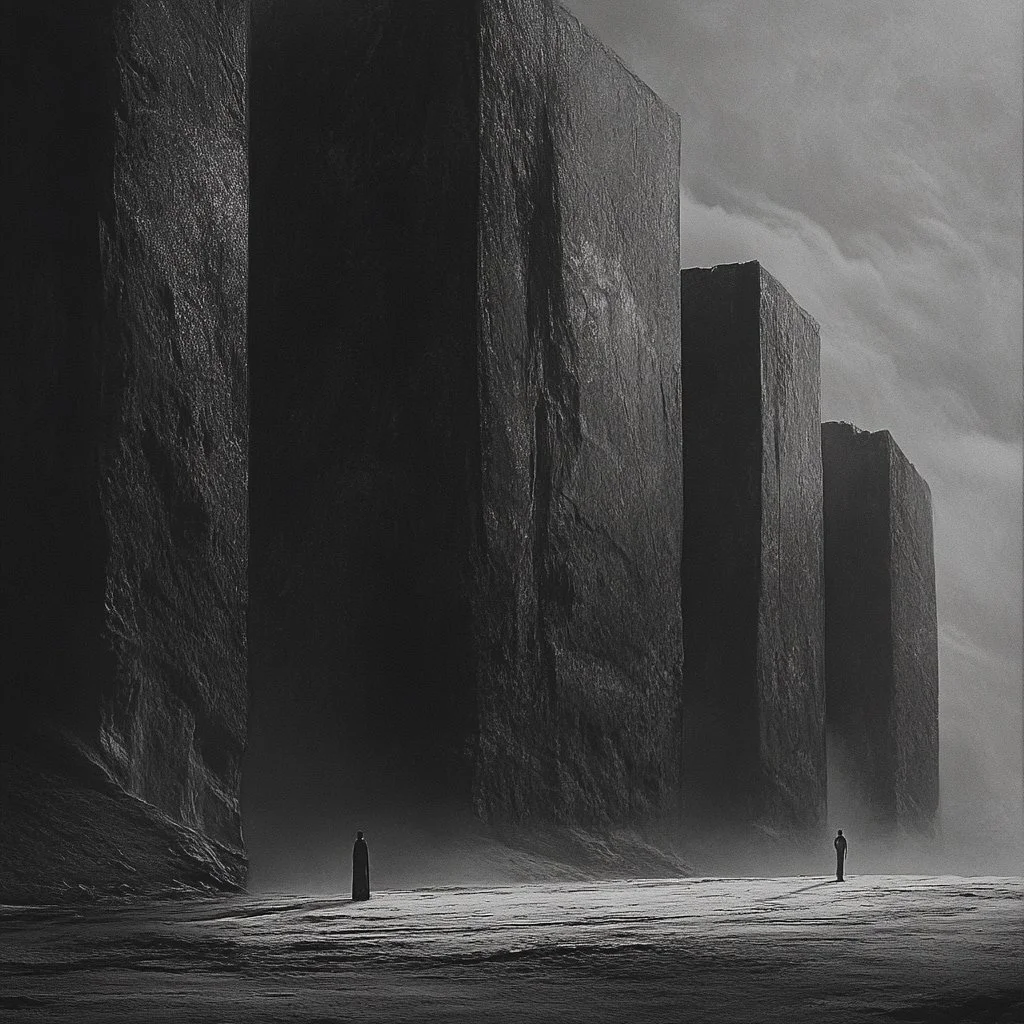
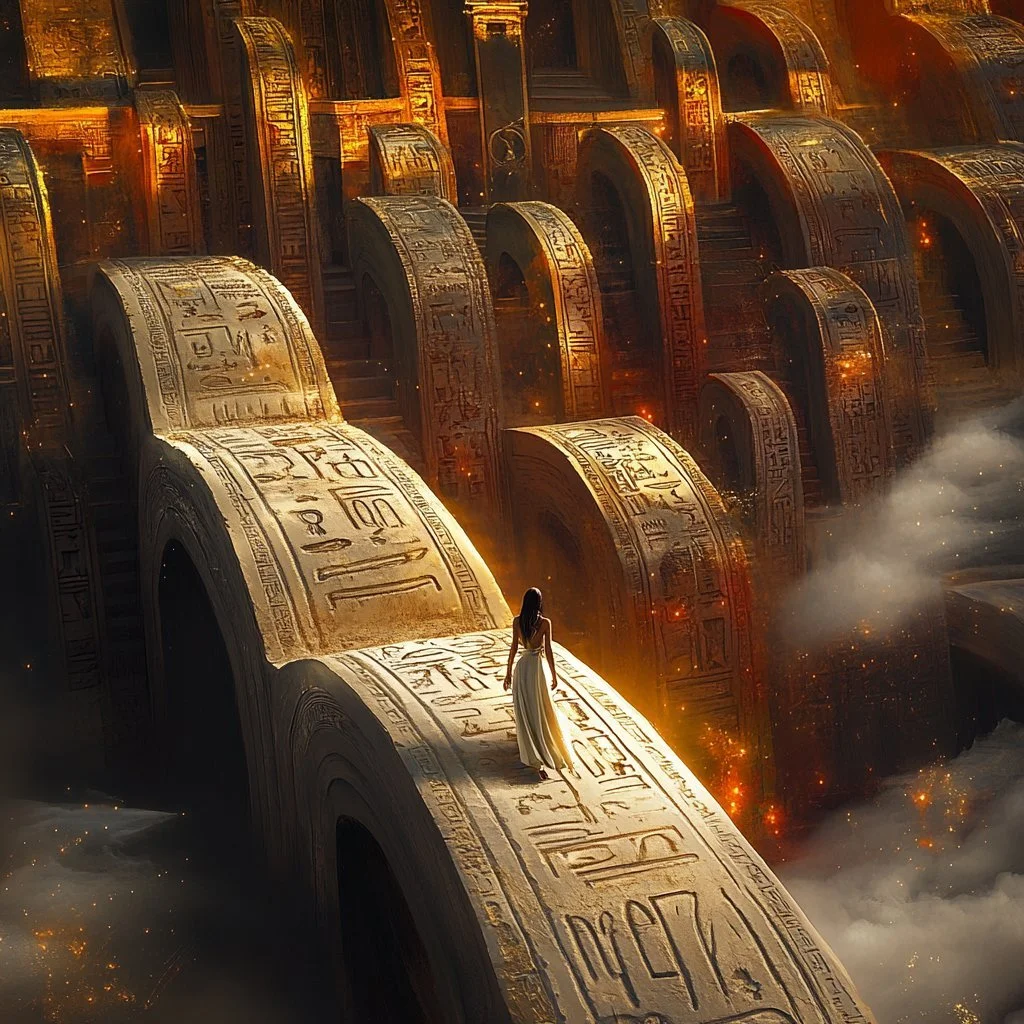
Stargate
What type of prompts do you prefer: text or AI-generated descriptions through fed images?:
I started with text prompts, and initially, I saved all of them—it was a task in itself to manage thousands of prompts. I stuck with that style and still run various text prompts. Essentially, I have a few favorite artists and sets of prompts that work, and I’ve noticed that I get the best results with those.
When prompting with text, do you write simple text-based prompts or complex ones?:
Sometimes, the most beautiful images come from simple prompts, like: "Art poster something…". Other times I run random srefs and see what comes out. Occasionally, I combine so many prompts that the text becomes lengthy. However, I believe you can't create anything valuable if you stay in your comfort zone and use the same prompt repeatedly. That's my opinion.
Do you think text-based prompts should be shared within the AI art community?:
Yes, even though for a while I stopped sharing prompts, I’ve started doing it again daily. Sometimes people use them, other times they don’t, but I think that by choosing to share your prompts, you also grow as an artist.
What is the most unconventional method you have used to create an image?:
I use Google’s ImageFX, where you can modify prompts. I love making changes there and then trying them out in Grok or Midjourney.
How many images you have generated using AI technology?:
Over the last two years, I believe I’ve surpassed 100k. At one point, I saved them all on a drive, but I gave that up and now only save the ones I think I might use again.
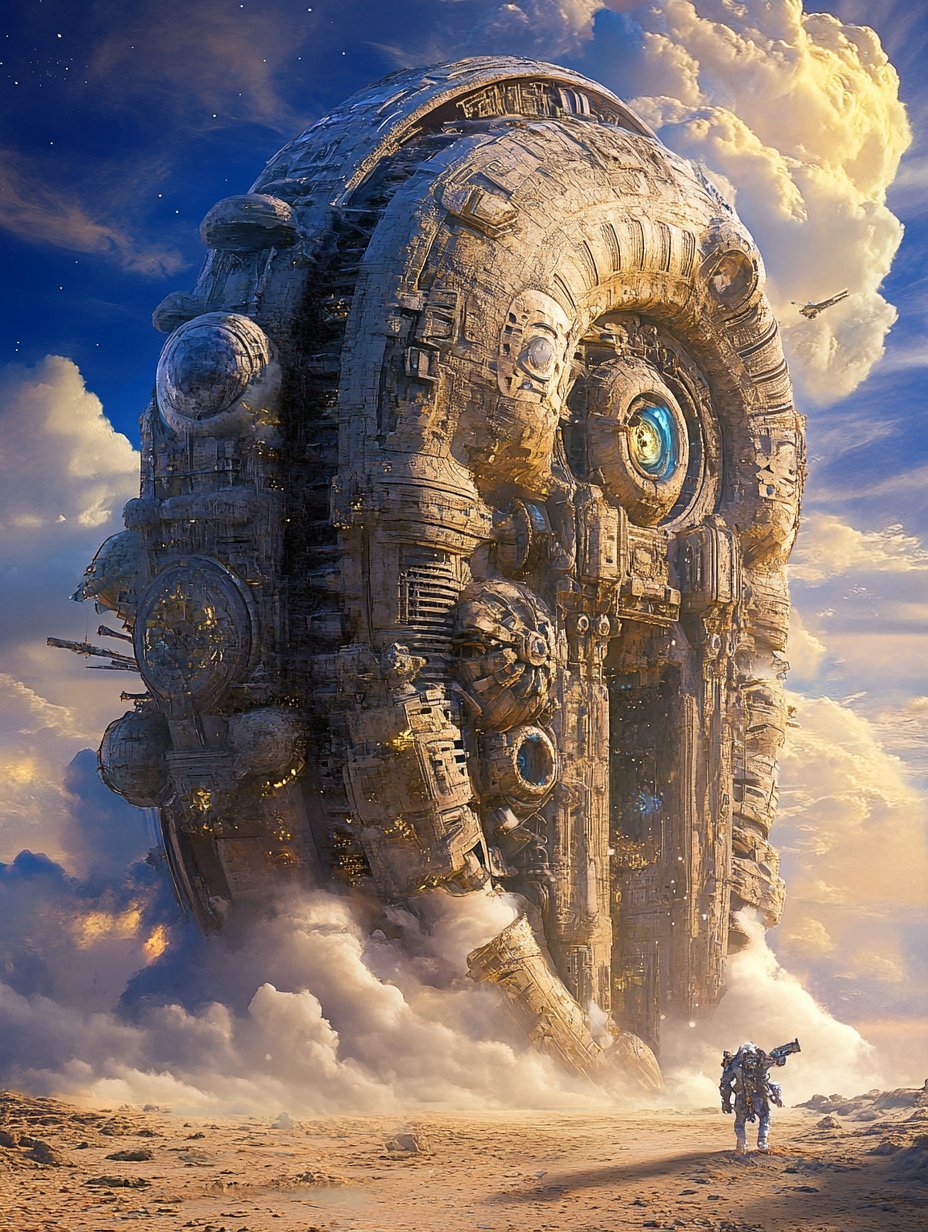
One hundred years of sleep
Please share your X (Twitter) handle with us.:
Tell us a bit about your X handle and X username.:
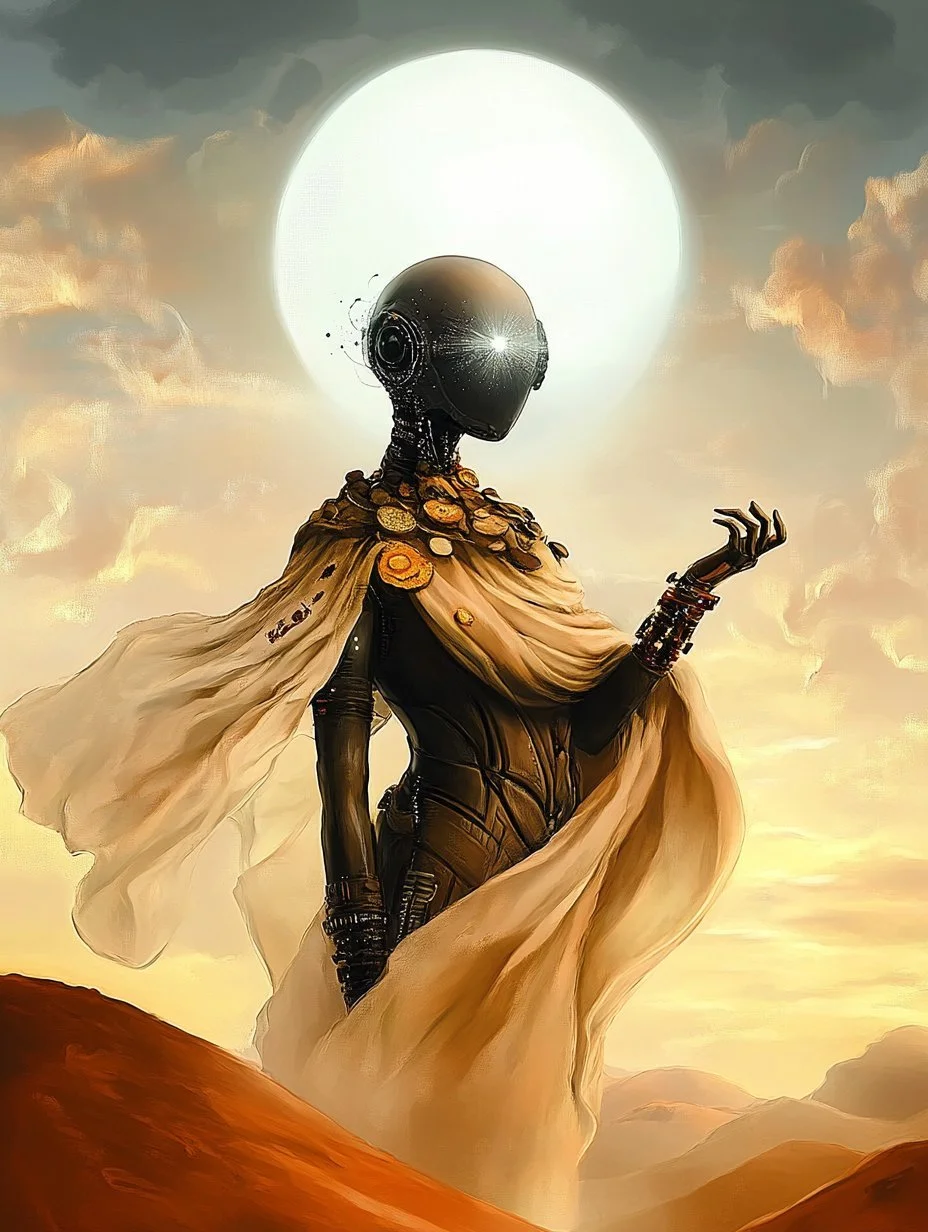
It’s the title of my first novel, which I got stuck on halfway through because I got overwhelmed with other projects. However, I’ve made it a goal to finish it this fall. It’s about Cleopatra, a robot police officer whose mission is to disconnect illegally connected robots in a post-humanity world. These robots borrow real human personalities downloaded by humans into an archive thousands of years ago, which brings up a series of inherited human dilemmas in robotic form. I figured that if readers wanted to find me, they’ll do it more easily this way, plus I think it’s a memorable combination of words.
How many X followers do you currently have?:
At the time of this interview, nearly 5,200.
How many X accounts do you currently follow?:
2,600—I try to keep it at half.
How long have you been on X (Twitter)?:
I’ve had previous attempts, but with a dedicated account where I post daily, it’s been about a year and a half.
At the mercy of the gods
Is there any other online platform where we can view all of your previous work apart from X?:
No. Generally, if you focus on one platform, you have to give your all to that project. At this level, spreading yourself thin will likely prevent optimal results.
In this world of cryptocurrencies and non-fungible tokens (NFTs), are you currently selling your digital art on any platform? If so, which platform are you using?:
No, I started as a writer, and I consider my prompts to be little poems. I’m content with that, and I’m not interested in selling my art—at least not for now.
Are you selling tangible AI-generated artwork, such as high-quality prints like Giclée prints?:
No.
Could you suggest some AI artists you like that we could follow?:
That’s a tough question—there are so many artists I follow and admire. Some began more modestly and eventually became creators. I’d highlight @Heartwords3, @KosterMaur45729, and @natalie61282. It’s difficult to name them all, but in terms of artistic consistency, I’d mention ten others, with apologies to those whose art I also love:
I’d also like to highlight my friendship with @Alfred_Denes and the respect I have for @digitallywired and @LudovicCreator.
Is there anything else you would like to add or share with the AI community?:
I’m truly honored to have been approached for this interview. I’ve been as sincere as possible, and I believe what you’re doing is wonderful. I think we’re just at the beginning, and technology is evolving rapidly. There are three types of people in the world: those who embrace change as soon as it happens, those who fear and resist it, and those who are indifferent to it. No matter how much we try to delay it, change will come in one form or another. That’s why I want to congratulate all creators who have stepped out of their comfort zones and understand that through creativity and positivity, we can achieve great things. Perhaps it’s possible to live without art, as history shows, but it’s extremely difficult to do so.
Good night
More fantastic imagery from Skipper Vanderwall
Follow him @RobotCleopatra